
One of the most frequently asked questions by visitors planning a trip to the southwestern United States is about the time zone in Arizona. It’s a seemingly simple question that, surprisingly, has a nuanced answer, often leading to confusion for first-time travelers. The simple truth is that, for the most part, Arizona observes Mountain Standard Time (MST) year-round, which means it largely bypasses the biannual ritual of Daylight Saving Time (DST). This unique timekeeping practice sets it apart from many other states in the nation and has significant implications for travel planning, daily activities, and even understanding the local lifestyle. For those delving into the wonders of Arizona, from its breathtaking landscapes to its vibrant cities, grasping this time zone eccentricity is crucial for a seamless and enjoyable experience.
Unraveling Arizona’s Unique Timekeeping
The question of Arizona’s time zone requires a deeper dive than a simple yes or no. While it technically falls within the geographical boundaries of the Mountain Time Zone, its deviation from typical DST practices makes it a fascinating case study in time zone dynamics. Understanding this distinction is key to navigating your Arizona adventure without a hitch.
The Basics: Mountain Standard Time (MST)
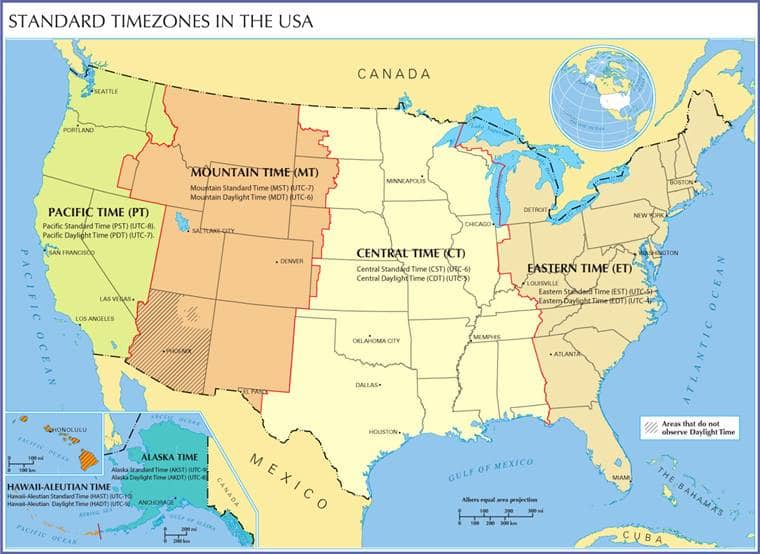
At its core, Arizona operates on Mountain Standard Time (MST). This means that its clocks are typically set seven hours behind Coordinated Universal Time (UTC-7). MST is also observed by states like New Mexico, Utah, Colorado, Wyoming, and Montana, among others, during the winter months. For roughly half the year, from early November to mid-March, there’s no confusion: Arizona aligns perfectly with the Mountain Time Zone. During this period, when most of the United States is observing Standard Time, Arizona is on the same clock as its neighboring mountain states.
The DST Exemption: Why Arizona Stands Apart
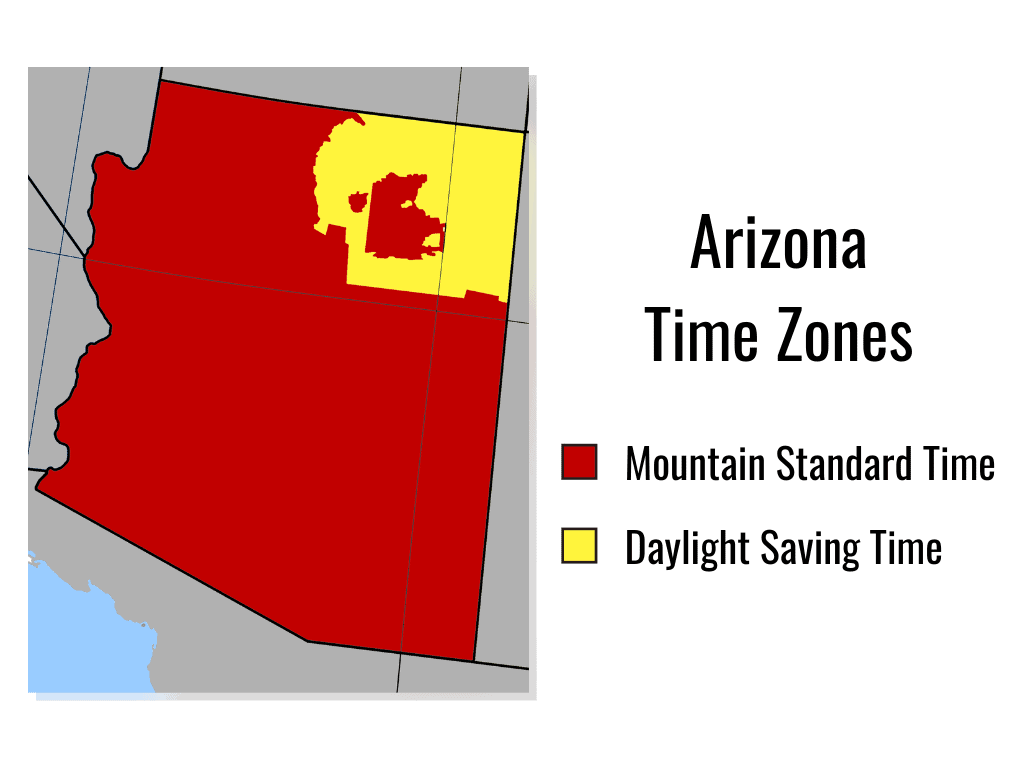
The twist comes when Daylight Saving Time (DST) begins. Most of the United States springs forward an hour, shifting from Standard Time to Daylight Time. However, with the notable exception of the Navajo Nation (which we’ll explore in detail), Arizona does not observe DST. This means that from mid-March to early November, while states like Utah and Colorado move to Mountain Daylight Time (MDT), Arizona remains on Mountain Standard Time.
The practical upshot of this exemption is that during the spring and summer months, Arizona’s time effectively becomes equivalent to Pacific Daylight Time (PDT). So, if you’re traveling from California or Nevada during DST, there’s no time change when you cross into most of Arizona. If you’re coming from states that do observe DST and are on Mountain Daylight Time, such as New Mexico or Colorado, you’ll actually gain an hour when entering Arizona.
The rationale behind Arizona’s decision to forego DST largely stems from its scorching summer temperatures. The primary purpose of DST is to extend daylight into the evening, theoretically saving energy and providing more time for outdoor activities. However, in Arizona, where summer days can easily soar above 100°F (38°C), an extra hour of daylight in the evening isn’t desirable; it simply prolongs the heat. Most residents prefer to conduct outdoor activities in the cooler mornings or wait until well after sunset. By sticking to MST, the sun sets an hour earlier, allowing for a more pleasant evening experience and potentially reducing energy consumption for air conditioning as the hottest part of the day concludes sooner. This unique approach to timekeeping reflects a deeply practical consideration for the local climate and lifestyle.
Planning Your Trip: What Arizona’s Time Zone Means for Travelers
For anyone planning a visit to the Grand Canyon State, understanding Arizona’s unique time zone situation is more than a mere geographical fact; it’s a critical element for smooth travel planning. From coordinating flight arrivals to scheduling tours and dining experiences, this distinct approach to time has tangible implications for your itinerary.
Coordinating Flights and Schedules
The most immediate impact for many travelers will be on arrival and departure times. If you’re flying into Phoenix Sky Harbor International Airport or Tucson International Airport from a state that observes Daylight Saving Time (DST), you need to pay close attention to the time difference. During DST (roughly March to November), if you’re flying from a state on Mountain Daylight Time (like Colorado or Utah), your watch will typically need to be set back one hour upon landing in Arizona. Conversely, if you’re flying from a Pacific Daylight Time state (like California or Nevada), there will be no time change.
This can be particularly tricky for connecting flights or if you’re coordinating with family and friends arriving from different parts of the United States. Always confirm arrival and departure times in local Arizona time to avoid any missed connections or unnecessary stress. Most modern smartphones and travel apps automatically adjust, but it’s always wise to double-check.
Navigating Attractions and Experiences
Arizona’s time zone also affects the operating hours of its renowned attractions and the scheduling of various experiences. When planning visits to iconic sites like Grand Canyon National Park, the red rocks of Sedona, or cultural institutions in Phoenix and Tucson, remember that their opening and closing times will reflect the year-round Mountain Standard Time.
For instance, if you’re visiting in the summer, and it’s 7 PM on your watch (which is on MDT), it will be 6 PM in most of Arizona. This “extra” hour of daylight can be a boon for certain activities, allowing for longer scenic drives or sunset viewing opportunities. Conversely, for early morning activities like hot air balloon rides over Sedona or a sunrise hike in Saguaro National Park, you might need to wake up “earlier” relative to your home time if you’re coming from a DST-observing state.
Tours and excursions, whether it’s a jeep tour in Sedona, a helicopter ride over the Grand Canyon, or a wildlife viewing experience at the Phoenix Zoo, will always be quoted and operated in local Arizona time. Always confirm the exact time when booking to avoid missing your slot. Similarly, dining reservations in popular culinary hubs like Scottsdale should be made with the local time firmly in mind. An unexpected time difference could lead to an early or late arrival, potentially impacting your plans.
Accommodation and Bookings
When it comes to booking hotels, resorts, or apartments in Arizona, the time zone factor continues to play a role. Check-in and check-out times, as well as the scheduling of amenities like spa treatments or restaurant reservations within your accommodation, will strictly adhere to Mountain Standard Time.
Imagine you’ve booked a stay at a luxurious property like the JW Marriott Desert Ridge Resort & Spa in Phoenix or The Phoenician, a Luxury Collection Resort, Scottsdale. Their standard 3 PM check-in will always be 3 PM MST, regardless of where you’re traveling from. If you’re arriving from a region observing Daylight Saving Time that’s “ahead” by an hour (e.g., from Colorado), your internal clock might feel like it’s 4 PM, leading to a potentially late check-out or missed breakfast if not careful.
For long-term stays or vacation rentals, understanding the time zone is crucial for coordinating utilities, services, or any local appointments. While most booking platforms and confirmation emails will clearly state the local time, a quick mental check upon arrival can prevent any minor inconveniences, ensuring your stay in Arizona is as relaxed and enjoyable as possible.
The Navajo Nation Exception: A Time Zone Within a Time Zone
Just when you think you’ve mastered the Arizona time zone puzzle, there’s an important caveat that adds another layer of complexity: the Navajo Nation. This vast sovereign territory, encompassing parts of northeastern Arizona as well as sections of Utah and New Mexico, adheres to its own timekeeping rules, creating a “time zone within a time zone” scenario.
Understanding the Navajo Nation’s DST Observance
Unlike the rest of Arizona, the Navajo Nation does observe Daylight Saving Time (DST). This means that from the second Sunday in March until the first Sunday in November, clocks within the Navajo Nation are set forward one hour, effectively moving them to Mountain Daylight Time (MDT). During the winter months, they revert to Mountain Standard Time (MST), aligning with the rest of Arizona.
This practice stems from the desire for consistency across the entire Navajo Nation, which extends beyond Arizona’s borders into states that do observe DST. By participating in DST, the Navajo Nation ensures its communities, government, and businesses operate on a unified schedule, simplifying coordination across its vast expanse.
The practical implication for travelers is significant, particularly if your itinerary includes destinations within this territory. Imagine visiting iconic landmarks like Monument Valley, Antelope Canyon, or the bustling hub of Page – all of which are either within or immediately adjacent to the Navajo Nation.
For instance, if it’s 10 AM in Phoenix (MST) during the summer, it will be 11 AM within the Navajo Nation (MDT). This one-hour difference can easily lead to confusion, potentially causing you to miss a timed tour slot for Antelope Canyon or be late for a sunrise photo opportunity at Monument Valley if you aren’t vigilant.
Crucially, there’s also another time zone anomaly to consider: the Hopi Nation. This smaller sovereign nation is entirely surrounded by the Navajo Nation in northeastern Arizona, but it does not observe Daylight Saving Time, remaining on Mountain Standard Time year-round, just like the rest of non-Navajo Nation Arizona. This creates a fascinating and somewhat bewildering situation where you could drive from Mountain Standard Time (Hopi) to Mountain Daylight Time (Navajo) and back to Mountain Standard Time (Hopi) in a relatively short distance, all within the geographical confines of Arizona.
Therefore, when venturing into the beautiful landscapes of northeastern Arizona, particularly if visiting tribal lands, it is absolutely essential to confirm the local time. Tour operators, accommodation providers, and even roadside signs will typically indicate the correct time, but a quick inquiry can save a lot of trouble. This careful attention to time zones is part of the adventure and adds to the rich cultural tapestry of the state.
Beyond Time Zones: Embracing the Arizona Lifestyle
While understanding the time zone mechanics is paramount for practical travel planning, the unique temporal rhythm of Arizona also subtly shapes its lifestyle, culture, and the overall experience for visitors. Embracing this distinctive pace can enrich your journey, allowing you to connect more deeply with the spirit of the Sonoran Desert and beyond.
Cultural Immersion and Local Tips
Arizona’s decision to forgo Daylight Saving Time is more than a legislative choice; it’s a reflection of its environment and the practicalities of living in a hot desert climate. This translates into a particular daily rhythm that residents are accustomed to. During the summer, for example, you’ll find that locals often start their days earlier to beat the heat, engaging in outdoor activities like hiking or golfing in the cooler morning hours. Mid-day might be reserved for indoor activities, relaxation, or siestas, with a resurgence of activity in the late afternoon and evening once temperatures begin to drop.
For tourists, adopting a similar approach can be beneficial. Plan your most strenuous outdoor excursions for the early morning, perhaps catching a breathtaking sunrise over the Grand Canyon or exploring the trails around Sedona before the sun reaches its zenith. Use the hotter mid-day hours to explore air-conditioned museums, enjoy a leisurely lunch, or relax by the pool at your resort. Evenings, with their spectacular sunsets and pleasantly cooler temperatures, are perfect for al fresco dining, stargazing, or enjoying the vibrant nightlife of cities like Scottsdale or Phoenix.
Engaging with local culture also means appreciating how this time zone impacts community events and celebrations. From farmers’ markets to outdoor concerts, schedules will always be set according to Mountain Standard Time. Don’t hesitate to ask locals for recommendations on timing activities; their insights into the best hours for various experiences are invaluable. This mindful approach to time not only prevents logistical headaches but also allows you to experience Arizona more authentically, living in harmony with its unique environment.
Maximizing Your Arizona Experience
Understanding Arizona’s time zone strategy ultimately enables you to make the most of your visit, optimizing your itinerary to suit both the climate and the specific activities you plan to undertake.
If you are traveling in the spring, summer, or early fall (when most other states are on Daylight Saving Time), the fact that Arizona remains on Mountain Standard Time means sunset will occur “earlier” relative to many other parts of the country. This can be a huge advantage for photographers seeking golden hour shots or for those who prefer to dine and enjoy evenings without the intense heat lingering too late. Conversely, if you’re an early riser, the sun will rise “earlier,” granting you ample light for morning adventures.
Consider planning your trip around specific regions and their optimal seasons. For instance, winter is ideal for exploring the desert landscapes of Phoenix, Tucson, and Yuma, when temperatures are mild and pleasant. During these months, the time difference relative to other states is less pronounced. Summer, while hot in the lower deserts, is the perfect time to escape to cooler northern destinations like Flagstaff, the Grand Canyon, or along historic Route 66, where the mountain air provides a refreshing contrast.
By keeping Arizona’s time zone particularities in mind, travelers can seamlessly integrate into the local rhythm, ensuring that every booking, every excursion, and every moment of their journey is perfectly timed. From luxury resorts offering rejuvenating spa treatments to thrilling outdoor adventures and immersive cultural experiences, Arizona promises an unforgettable escape, made even smoother by a little bit of time zone savvy. So, yes, Arizona is generally in the Mountain Time Zone, but it’s the beautiful exception to Daylight Saving Time that truly defines its unique temporal identity.
LifeOutOfTheBox is a participant in the Amazon Services LLC Associates Program, an affiliate advertising program designed to provide a means for sites to earn advertising fees by advertising and linking to Amazon.com. Amazon, the Amazon logo, AmazonSupply, and the AmazonSupply logo are trademarks of Amazon.com, Inc. or its affiliates. As an Amazon Associate we earn affiliate commissions from qualifying purchases.