
The question of flight duration from New York to London is a common one for travelers planning transatlantic journeys. While seemingly straightforward, the answer involves a nuanced understanding of various factors that influence the time spent in the air. This guide delves into the typical flight times, the reasons behind variations, and considerations for making your journey as comfortable and efficient as possible.
Understanding Transatlantic Flight Durations
Direct flights between New York and London are a staple for many airlines, connecting two of the world’s most prominent global hubs. These routes are some of the busiest and most frequently traveled long-haul paths globally.
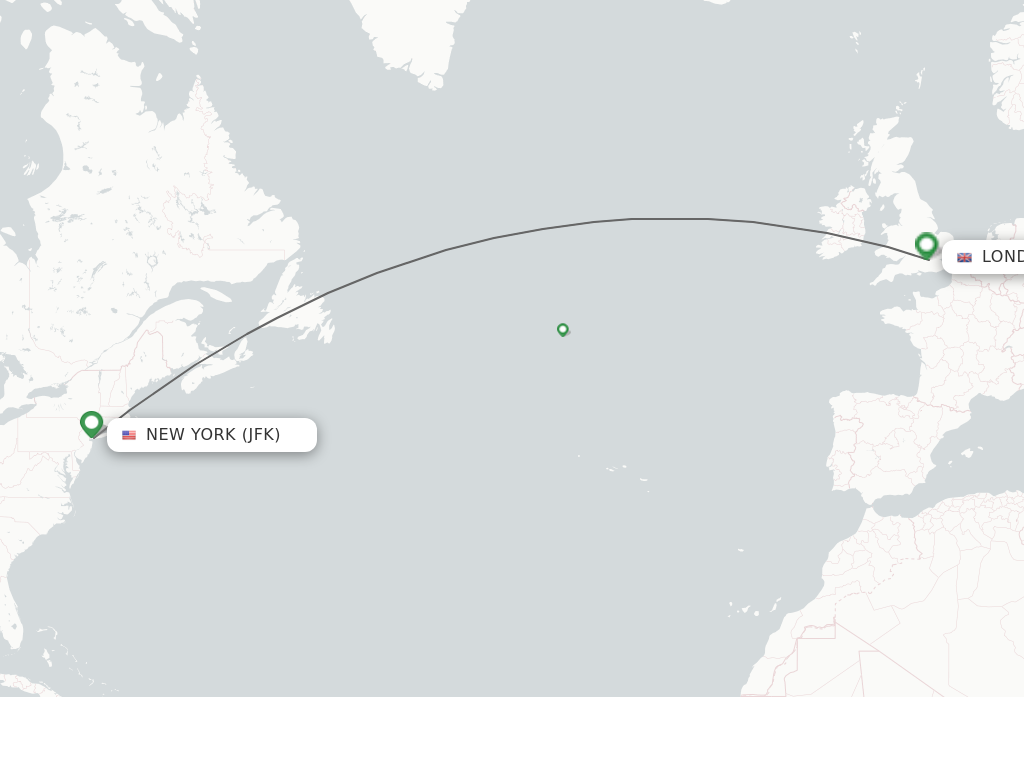
The Average Direct Flight Time
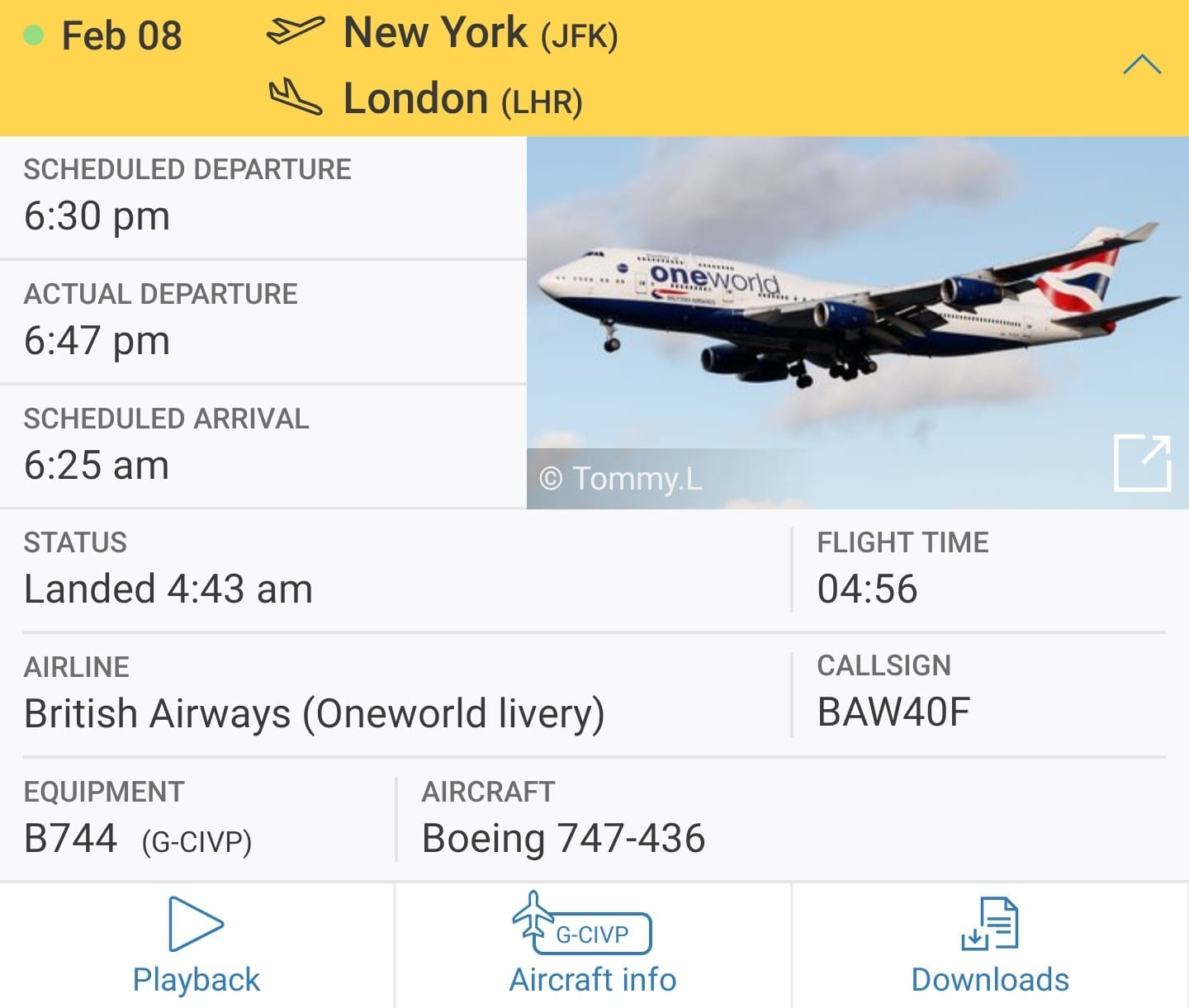
On average, a direct flight from New York to London typically spans between 6 hours and 30 minutes to 7 hours and 30 minutes. This figure represents the wheels-up to wheels-down time, not including the extensive pre-flight procedures at the airport or post-flight disembarkation.
Several factors contribute to this average:
- Route and Jet Streams: Aircraft utilize prevailing winds, known as jet streams, to their advantage. Flying eastbound from New York to London, these tailwinds can significantly reduce flight time. Conversely, westbound flights from London to New York often encounter headwinds, making the return journey slightly longer.
- Aircraft Type: Modern, wide-body aircraft are designed for efficiency and speed on long-haul routes. Different models within airlines’ fleets may have marginal differences in cruising speed, subtly impacting total flight duration.
- Air Traffic Control and Flight Path: While direct routes are common, air traffic control, weather patterns, and optimized flight paths can lead to slight deviations and adjustments in the actual flight path, thus influencing the time.
Factors Causing Flight Time Variations
While the average provides a good benchmark, it’s crucial to understand that actual flight times can fluctuate.
Jet Streams: The Invisible Influence
The most significant variable influencing transatlantic flight times is the jet stream. These fast-flowing, narrow air currents exist in the Earth’s atmosphere at high altitudes.
- Eastbound Flights (New York to London): These flights generally benefit from a strong tailwind from the jet stream. This headwind can shave off anywhere from 30 minutes to over an hour from the flight duration. A typical eastbound flight might therefore be closer to the 6.5-hour mark.
- Westbound Flights (London to New York): The opposite occurs here. Flights traveling west against the prevailing jet stream will experience headwinds, extending the flight time. A typical westbound flight might be closer to the 7.5-hour mark, or even slightly longer.
Weather Conditions
Beyond the jet stream, general weather patterns can also play a role. Severe weather systems, such as thunderstorms or areas of turbulence, might necessitate slight detours or slower cruising speeds to ensure passenger safety and comfort, thereby adding to the flight duration.
Airline and Aircraft Efficiency
While most major airlines flying this route use similar types of efficient, long-haul aircraft (like the Boeing 777, 787, or Airbus A350), minor differences in cruising speeds and operational procedures can contribute to slight variations in flight times between carriers.
Specific Flight Paths and Air Traffic
The exact flight path is determined by a complex interplay of air traffic control, weather forecasts, and fuel efficiency considerations. Airlines often file flight plans that are subject to approval, and controllers may vector aircraft to avoid congestion or weather. These minor adjustments can accumulate to affect the overall time.
Non-Direct Flights and Their Impact
It’s important to distinguish between direct and non-direct flights. While the primary focus is on the direct journey, many travelers opt for flights with one or more stops.
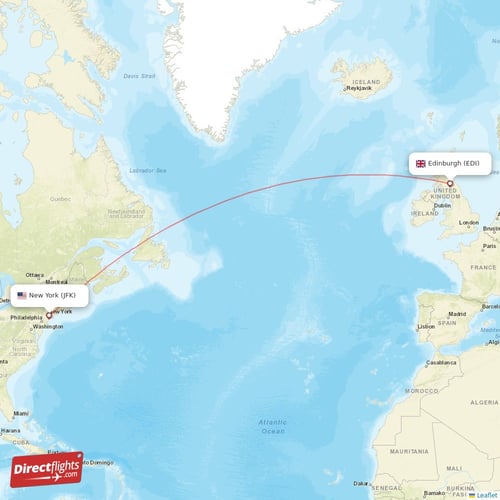
- Stopover Flights: If your journey involves a stopover in a city like Reykjavik (Iceland), Dublin (Ireland), or another European hub, the total travel time will be considerably longer. This includes the time spent on the ground during the layover, plus the additional flight segments. Such journeys can range from 10 hours to over 24 hours, depending on the length of the layover.
- Connecting Flights: Similar to stopovers, connecting flights involve changing planes, often adding significant time to the overall travel experience. The efficiency of the connection and the layover duration are key determinants here.
Planning Your Journey: Tips for a Smoother Flight
Understanding the typical flight duration is only one part of planning a successful transatlantic trip. Here are some additional considerations:
Choosing the Right Flight
When booking your flight, pay close attention to the estimated flight duration provided by the airline or booking platform.
- Direct vs. Connecting: For those prioritizing time, direct flights are unequivocally the fastest option. However, they can sometimes be more expensive.
- Eastbound vs. Westbound: If you are looking for the shortest possible flight time, booking an eastbound flight from New York to London is generally advisable due to the prevailing tailwinds.
- Timing: While not directly affecting flight duration, booking flights at optimal times (avoiding peak travel seasons or holidays) can often lead to better fares and potentially less crowded airports.
Airport Experience and Total Travel Time
The flight duration is just one component of your travel time. It’s crucial to factor in the entire journey from leaving your home to arriving at your destination’s hotel.
New York Departure
- Airport Choice: New York has several major international airports, including John F. Kennedy International Airport (JFK), Newark Liberty International Airport (EWR), and LaGuardia Airport (LGA) (though LGA primarily handles domestic flights). Each has its own travel times from the city center and different airline operations.
- Arrival Time: For international flights, airlines typically recommend arriving at the airport at least 3 hours before departure. This allows ample time for check-in, security screening, and reaching your gate, especially during busy periods.
- Ground Transportation: Consider the time and cost of getting to the airport from your accommodation in New York. Options include taxis, ride-sharing services, public transit (like the AirTrain at JFK and EWR), and airport shuttle services.
London Arrival
- Airport Choice: London also has multiple major airports serving transatlantic routes, primarily Heathrow Airport (LHR) and Gatwick Airport (LGW).
- Immigration and Customs: Upon arrival in the United Kingdom, you will need to go through immigration and customs. This process can take anywhere from 30 minutes to over an hour, depending on passenger volume and whether you are arriving from a country with pre-clearance.
- Ground Transportation: Similar to New York, you’ll need to plan your onward journey from the airport. Options include the Heathrow Express or Gatwick Express trains for rapid transit to central London, the London Underground (Tube), taxis, and ride-sharing services.
Preparing for the Flight
To maximize comfort and minimize the effects of a long flight, consider these preparations:
- In-Flight Entertainment: Many airlines offer a range of movies, TV shows, and music. Downloading content to your personal devices beforehand can be a good idea, especially if you prefer specific genres or have limited data.
- Comfort Items: A neck pillow, eye mask, earplugs, and a comfortable blanket can make a significant difference in your ability to rest.
- Hydration and Snacks: While airlines provide meals and beverages, carrying your own refillable water bottle (empty for security) and some non-perishable snacks can be beneficial.
- Movement: On a flight of this duration, it’s essential to get up and move around the cabin periodically to improve circulation and reduce the risk of deep vein thrombosis (DVT). Simple leg stretches at your seat can also help.
The Experience of Crossing the Atlantic
The flight from New York to London is more than just a transit; it’s an experience that bridges continents and cultures. The relatively short duration of direct flights compared to historical transatlantic travel means that one can have breakfast in North America and lunch in Europe on the same day.
Day and Night Flights
The choice between a day flight and a night flight can significantly impact your experience and your ability to adjust to the new time zone.
- Day Flights: These flights depart New York in the morning or early afternoon and arrive in London in the evening or late at night. While you can enjoy the daytime scenery and feel more active during the flight, you might arrive in London feeling tired and facing immediate jet lag.
- Night Flights (Red-eyes): Departing New York in the evening, these flights are designed to allow passengers to sleep during the flight and arrive in London early the next morning. This can be an effective strategy for minimizing jet lag, as you can begin adjusting to London time upon arrival. However, sleeping soundly on a plane can be challenging for some.
Jet Lag and Time Zone Differences
The time difference between New York (Eastern Time Zone) and London (Greenwich Mean Time/British Summer Time) is typically 5 hours. This significant shift can lead to jet lag, characterized by fatigue, insomnia, digestive issues, and a general feeling of being out of sync.
To mitigate jet lag:
- Adjust Your Sleep Schedule: A few days before your trip, begin shifting your sleep schedule closer to London time.
- Stay Hydrated: Drink plenty of water before, during, and after your flight.
- Limit Alcohol and Caffeine: These can disrupt sleep patterns.
- Expose Yourself to Natural Light: Upon arrival, try to get as much sunlight as possible to help reset your body clock.
- Eat at Local Times: Align your meal times with the local schedule in London.
Conclusion
The duration of a flight from New York to London is a dynamic variable, typically ranging from 6.5 to 7.5 hours for direct services. While this provides a solid framework for planning, understanding the impact of jet streams, weather, and airline operations is key. By considering these factors and preparing adequately, travelers can ensure their transatlantic journey is as comfortable, efficient, and enjoyable as possible, setting the stage for a memorable exploration of London.
LifeOutOfTheBox is a participant in the Amazon Services LLC Associates Program, an affiliate advertising program designed to provide a means for sites to earn advertising fees by advertising and linking to Amazon.com. Amazon, the Amazon logo, AmazonSupply, and the AmazonSupply logo are trademarks of Amazon.com, Inc. or its affiliates. As an Amazon Associate we earn affiliate commissions from qualifying purchases.