
The Sunshine State offers a vibrant healthcare landscape, and for those seeking a rewarding career in a field with consistent demand, becoming a phlebotomist in Florida presents an excellent opportunity. Phlebotomists play a crucial role in patient care by expertly collecting blood samples for diagnostic testing, transfusions, and research. This guide will walk you through the essential steps, requirements, and considerations for embarking on this fulfilling healthcare profession within the state.
Understanding the Role of a Phlebotomist
Before diving into the procedural aspects, it’s vital to grasp the scope and importance of a phlebotomist’s work. Phlebotomy, derived from the Greek words “phlebo” (vein) and “tomos” (to cut), is the practice of drawing blood. In Florida, as elsewhere, phlebotomists are indispensable members of the healthcare team. Their responsibilities extend beyond simply puncturing a vein; they require a blend of technical skill, interpersonal abilities, and adherence to strict safety protocols.

Key Responsibilities
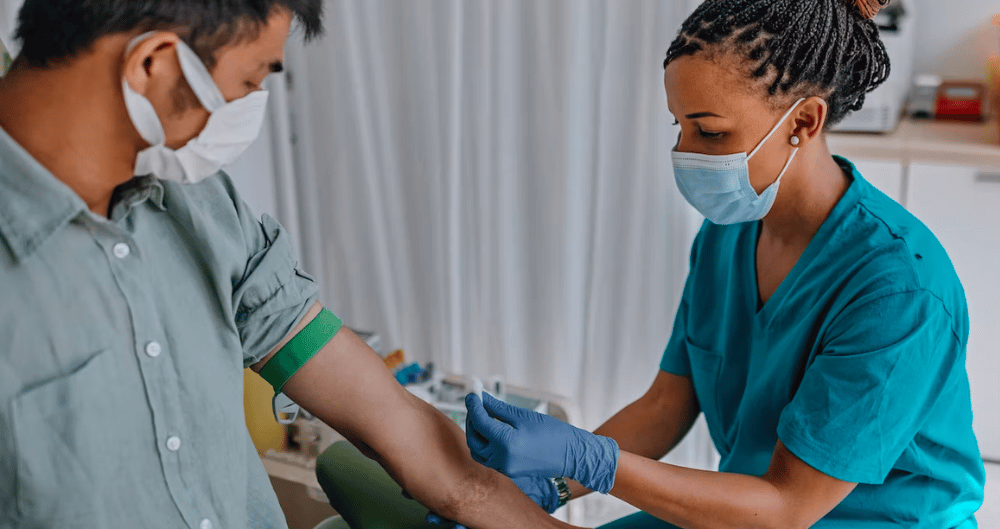
- Blood Collection: The primary duty involves accurately and efficiently collecting venous, capillary, or arterial blood specimens from patients of all ages. This includes identifying the correct veins, using appropriate venipuncture techniques, and selecting the correct collection tubes based on the required tests.
- Patient Interaction: Phlebotomists interact directly with patients, often in stressful or anxious situations. They must possess excellent communication skills to reassure patients, explain the procedure, and ensure their comfort and cooperation.
- Specimen Handling and Processing: Once collected, blood specimens must be properly labeled, handled, and transported to the laboratory for analysis. This involves understanding different anticoagulant properties of tubes and proper storage conditions.
- Quality Control and Safety: Maintaining a sterile environment, adhering to infection control standards (such as universal precautions), and ensuring the accuracy and integrity of collected samples are paramount. This includes proper disposal of sharps and contaminated materials.
- Record Keeping: Accurate documentation of patient information, collection times, and specimen details is essential for laboratory processing and medical records.
Career Outlook
The demand for skilled phlebotomists in Florida is robust and projected to grow. Healthcare facilities, including hospitals in major cities like Miami and Orlando, clinics, diagnostic laboratories such as Quest Diagnostics and LabCorp, blood donation centers like the American Red Cross, and even research institutions, consistently seek qualified professionals. This consistent demand translates into stable employment opportunities and potential for career advancement.
Educational Pathways and Certification in Florida
Florida has specific requirements for individuals aspiring to become phlebotomists, generally involving a combination of education, training, and certification. While formal college degrees are not typically required for entry-level phlebotomy positions, specialized training programs are essential.
Training Programs
Phlebotomy training programs in Florida can vary in length and format, but most provide the foundational knowledge and practical skills necessary for the role. These programs are often offered by:
- Community Colleges: Institutions like Miami Dade College and Valencia College often have allied health programs that include phlebotomy.
- Vocational Schools and Technical Centers: These schools are specifically designed to provide career-focused training, with programs like Florida Career College offering dedicated phlebotomy courses.
- Private Training Institutions: Numerous private institutions across Florida provide accelerated phlebotomy certification programs.
Curriculum typically includes:
- Anatomy and Physiology (with a focus on the circulatory system)
- Blood collection techniques (venipuncture, capillary puncture)
- Specimen handling, processing, and storage
- Infection control and universal precautions
- Patient identification and communication
- Laboratory safety and regulations (including HIPAA)
- Basic laboratory tests and their purpose
Clinical Externship
A critical component of any reputable phlebotomy program is a supervised clinical externship. This hands-on experience, usually conducted in a real healthcare setting like a hospital or clinic, allows students to practice their skills under the guidance of experienced professionals. It provides invaluable real-world exposure to diverse patient populations and clinical scenarios. The number of hours required for an externship can vary, but it is a non-negotiable part of comprehensive training.
Certification
While Florida does not have a state-mandated licensure for phlebotomists, national certification is highly recommended and often required by employers. Certification demonstrates competency and a commitment to professional standards. Reputable certifying agencies include:
- American Society of Phlebotomy Technicians (ASPT)
- National Center for Competency Testing (NCCT)
- American Medical Technologists (AMT)
- National Healthcareer Association (NHA)
To become certified, individuals must typically:
- Complete an accredited phlebotomy training program.
- Pass a comprehensive examination administered by the chosen certifying body. This exam usually covers both theoretical knowledge and practical skills.
- Meet specific eligibility requirements, which may include age, education, and clinical experience.
Some employers may also require a background check and drug screening as part of their hiring process.

Essential Skills and Qualities for Success
Beyond formal training, certain personal attributes and developed skills significantly contribute to a phlebotomist’s success and job satisfaction in Florida.
Technical Proficiency
Mastery of venipuncture techniques is foundational. This includes:
- Site Selection: Identifying appropriate veins based on patient anatomy and condition.
- Needle Insertion: Performing smooth and accurate needle insertions to minimize patient discomfort.
- Tube Management: Properly order and fill vacuum-sealed collection tubes to prevent specimen contamination and ensure accurate test results.
- Handling Complications: Knowing how to manage common issues like fainting, hematomas, or difficulty drawing blood.
Interpersonal Skills
Phlebotomists are often the first healthcare professionals a patient encounters. Therefore, strong interpersonal skills are vital:
- Empathy and Compassion: Understanding and responding to patient anxieties and fears.
- Clear Communication: Explaining procedures in simple terms and actively listening to patient concerns.
- Professionalism: Maintaining a calm, confident, and reassuring demeanor.
- Patience: Working with diverse patient groups, including children, the elderly, and individuals with disabilities, often requires significant patience.
Attention to Detail and Accuracy
The integrity of laboratory test results hinges on the accuracy of blood collection and handling. Phlebotomists must be meticulous in:
- Patient Identification: Verifying patient identity meticulously to prevent errors.
- Labeling: Precisely labeling all specimens immediately after collection.
- Procedure Adherence: Following established protocols for blood collection and specimen processing.
- Record Keeping: Maintaining accurate and legible documentation.
Adaptability and Stress Management
Healthcare environments can be fast-paced and demanding. Phlebotomists must be able to:
- Manage Workload: Efficiently handle a high volume of patients, especially in busy hospital settings or outpatient clinics.
- Stay Calm Under Pressure: Remain composed when dealing with emergencies or difficult situations.
- Adapt to Changes: Be flexible and willing to learn new procedures or technologies as healthcare evolves.
Finding Employment and Building Your Career in Florida
Once you have completed your training and obtained certification, the next step is to secure employment. Florida offers numerous avenues for phlebotomists to find rewarding positions across various healthcare settings.
Job Search Strategies
- Online Job Boards: Websites like Indeed, LinkedIn, and specific healthcare job boards are excellent resources for finding phlebotomy openings throughout Florida.
- Healthcare Facility Websites: Directly check the career pages of hospitals, clinics, and laboratories you are interested in. Major healthcare systems in Florida include AdventHealth, HCA Healthcare, and UF Health.
- Networking: Attend job fairs, connect with instructors from your training program, and leverage professional contacts within the healthcare industry.
- Temp Agencies: Specialized medical staffing agencies can connect you with temporary or permanent positions.
Types of Employers in Florida
- Hospitals: From large urban medical centers like Jackson Memorial Hospital in Miami to smaller community hospitals, these facilities offer a wide range of phlebotomy opportunities.
- Outpatient Clinics and Physician Offices: Primary care, specialty clinics, and urgent care centers often employ phlebotomists for routine blood draws.
- Diagnostic Laboratories: Large laboratory networks like Quest Diagnostics and LabCorp have collection sites where phlebotomists perform draws.
- Blood Donation Centers: Organizations like the American Red Cross and OneBlood rely heavily on phlebotomists.
- Mobile Phlebotomy Services: Some companies provide in-home blood collection services for patients unable to travel, offering a unique work environment.
Career Advancement
With experience and continued professional development, phlebotomists can explore various career paths:
- Lead Phlebotomist: Taking on supervisory responsibilities within a laboratory or clinic.
- Phlebotomy Instructor: Training future phlebotomists in educational institutions.
- Medical Laboratory Technician (MLT): Pursuing further education to perform more complex laboratory analysis.
- Medical Assistant (MA): Expanding clinical skills to include other patient care duties.
- Specialized Roles: Focusing on specific areas like donor phlebotomy or forensic phlebotomy.
Becoming a phlebotomist in Florida is a tangible goal that offers a stable and meaningful career. By understanding the requirements, choosing the right training program, and cultivating the necessary skills, aspiring phlebotomists can successfully launch their journey in this vital healthcare profession.
LifeOutOfTheBox is a participant in the Amazon Services LLC Associates Program, an affiliate advertising program designed to provide a means for sites to earn advertising fees by advertising and linking to Amazon.com. Amazon, the Amazon logo, AmazonSupply, and the AmazonSupply logo are trademarks of Amazon.com, Inc. or its affiliates. As an Amazon Associate we earn affiliate commissions from qualifying purchases.