
The question of homelessness in New York City is a complex one, touching upon the very fabric of urban life and posing significant challenges for residents, policymakers, and the city’s numerous visitors alike. While the immediate focus for many travelers to New York might be on iconic landmarks like the Empire State Building or experiencing the vibrant energy of Times Square, understanding the socio-economic landscape, including the prevalence of homelessness, offers a deeper, albeit somber, perspective on the city’s realities. This understanding is not about dwelling on hardship but about appreciating the multifaceted nature of a global metropolis and the diverse populations it shelters.

Understanding the Scale of Homelessness
Homelessness in New York City is not a static figure but a dynamic reflection of economic pressures, housing affordability, and social support systems. Official counts and estimates paint a picture of a persistent and significant challenge. These figures are often derived from Point-in-Time (PIT) counts, which provide a snapshot of individuals experiencing homelessness on a single night, and administrative data from shelters and outreach programs.
Point-in-Time (PIT) Counts
The PIT count is a federally mandated survey conducted annually by the US Department of Housing and Urban Development. It involves a coordinated effort by outreach teams and volunteers to enumerate individuals sleeping in places not meant for human habitation, such as streets, parks, subways, and cars, as well as those in emergency shelters. For New York City, these counts have consistently shown tens of thousands of individuals experiencing homelessness on any given night. The numbers can fluctuate based on various factors, including weather, economic conditions, and the effectiveness of outreach services. These counts, while valuable, are often considered an undercount, as it is nearly impossible to identify every individual sleeping unsheltered.
Shelter Population
Beyond those counted on the streets, a substantial number of individuals in New York City are housed in the city’s extensive shelter system. This includes single adults, families with children, and individuals experiencing domestic violence or fleeing other crises. The daily census of the shelter system provides another critical metric for understanding the scope of homelessness. These numbers can surge during periods of economic downturn or when housing options become scarce. The capacity and utilization of these shelters are constant concerns for city officials and service providers.
Trends and Contributing Factors
The figures for homelessness in New York City are influenced by a confluence of factors. The notoriously high cost of housing is a primary driver. When rent escalates beyond the reach of low-income individuals and families, the risk of eviction and subsequent homelessness increases significantly. Job losses, stagnant wages, and unexpected medical or personal crises can quickly push vulnerable populations into precarious living situations. Systemic issues, such as a lack of affordable housing stock, insufficient mental health services, and inadequate support for individuals transitioning from foster care or the criminal justice system, also play crucial roles. For travelers observing this, it’s a reminder that the glittering facade of Manhattan often conceals deeper societal challenges.
The Faces of Homelessness in New York City
Homelessness is not a monolithic experience; it encompasses diverse populations with unique needs and circumstances. Recognizing these distinctions is vital for developing effective solutions and for fostering empathy among those who encounter individuals experiencing homelessness in their daily lives.
Families with Children
One of the most heart-wrenching aspects of homelessness in New York City is the significant number of families with children seeking shelter. These families often end up in the shelter system due to economic hardship, domestic violence, or eviction. The impact on children is profound, affecting their education, health, and overall development. The city’s commitment to providing safe and stable housing for these families is a cornerstone of its social services infrastructure. Visitors might see families in shelters or, in rare instances, attempting to navigate daily life on the streets, highlighting the urgent need for stable housing solutions.
Single Adults
Single adults constitute another large demographic experiencing homelessness. This group can include individuals with a history of mental illness, substance use disorders, veterans, or those who have simply fallen through the cracks of the economic system. Their pathways to homelessness are often varied, and their needs can range from immediate shelter and medical care to long-term supportive housing and employment assistance. Outreach efforts are particularly crucial for engaging this population and connecting them with the resources they need to rebuild their lives.
Youth Homelessness
Young people, particularly those aged 16-24, also experience homelessness. This can stem from family conflict, aging out of the foster care system, or experiencing abuse. New York City has dedicated programs and shelters aimed at supporting homeless youth, providing them with safe havens, counseling, and pathways to education and employment. The visibility of young people experiencing homelessness, though often less overt than other groups, is a critical indicator of the gaps in protective social nets.

Impact on the Visitor Experience
While the primary concern regarding homelessness is humanitarian, its presence can also influence the experience of tourists and visitors to New York City. It’s important to approach this aspect with sensitivity and an awareness of the broader urban context.
Perceptions and Realities
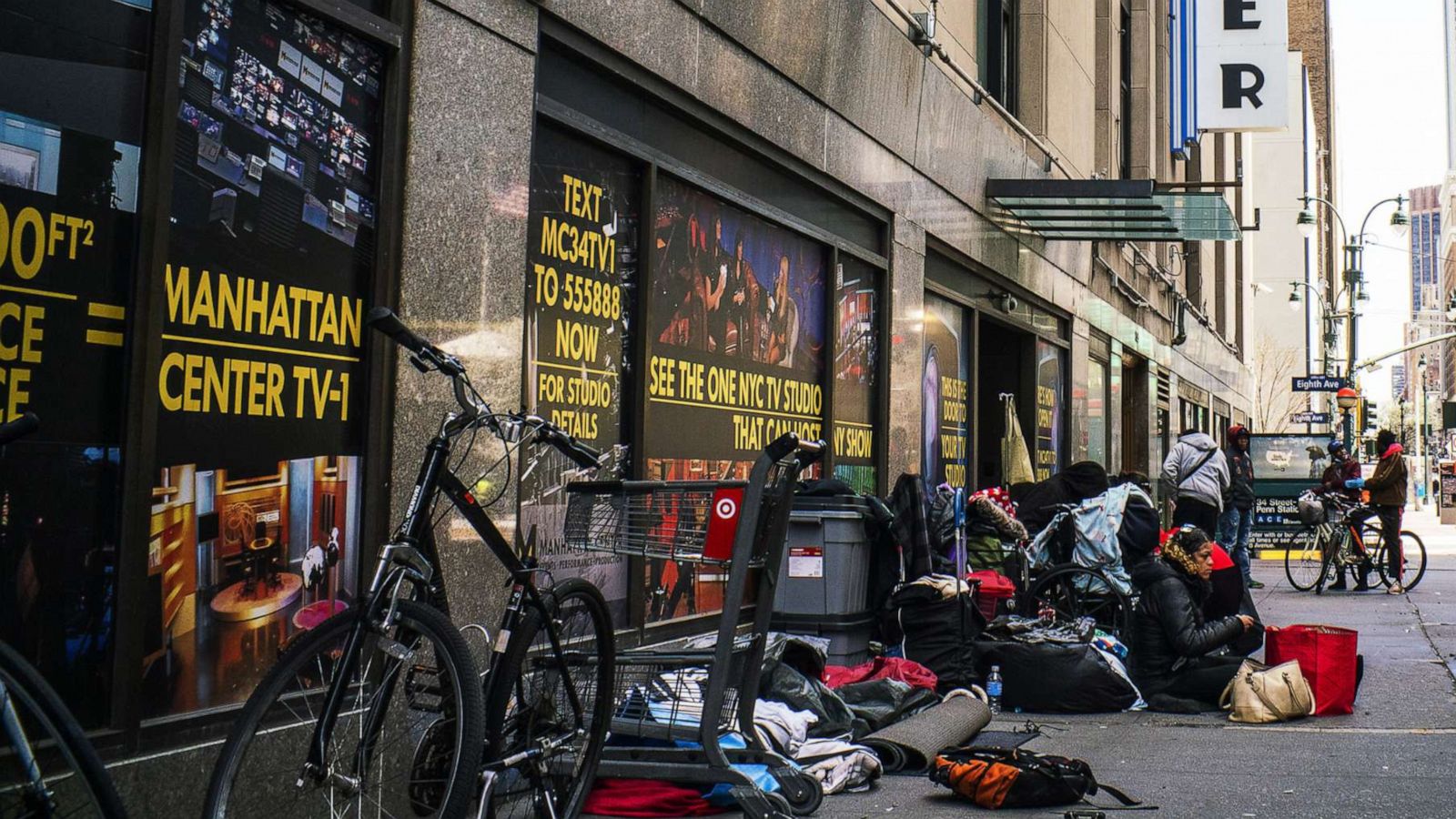
For many visitors, encountering individuals experiencing homelessness can be a jarring experience, especially if they are accustomed to more affluent or socially homogenous environments. It’s a visible reminder of the inequalities that exist even in thriving global cities. While some may feel uneasy, others may be moved to offer assistance, donate to local charities, or become more aware of the systemic issues at play. It is essential for visitors to recognize that individuals experiencing homelessness are not defined by their current circumstances and deserve dignity and respect. The city’s vibrant cultural scene, from the museums of Museum Mile to the theatrical performances in the Theater District, exists alongside these realities.
Navigating Public Spaces
Homelessness can sometimes lead to increased visibility of individuals sleeping or seeking refuge in public spaces, including parks like Central Park or transportation hubs like Grand Central Terminal. While many visitors will navigate these spaces without issue, understanding the context can help in managing perceptions. City agencies and non-profit organizations work to manage public spaces and connect individuals with services, aiming to balance the needs of all residents and visitors.
Opportunities for Engagement
For travelers interested in understanding the city beyond its surface attractions, learning about the challenges of homelessness can be an avenue for deeper engagement. This might involve researching the work of local non-profits dedicated to ending homelessness, considering volunteering opportunities, or making informed donations. Supporting businesses that prioritize ethical labor practices and community well-being can also be a way to contribute positively. This offers a more nuanced and impactful way to experience New York, moving beyond typical tourist itineraries.
Addressing Homelessness: A Multifaceted Approach
The challenge of homelessness in New York City requires sustained, comprehensive, and compassionate strategies from government agencies, non-profit organizations, and the community at large. The goal is not merely to manage homelessness but to end it.
Housing First Initiatives
A widely recognized and effective strategy is the “Housing First” model. This approach prioritizes providing permanent, affordable housing to individuals experiencing chronic homelessness as quickly as possible, without preconditions such as sobriety or treatment compliance. Once housed, individuals are offered voluntary supportive services, including mental health counseling, substance use treatment, and job training. This model recognizes that stable housing is the foundation upon which individuals can begin to address other challenges in their lives.
Prevention and Diversion Programs
Equally important are programs focused on preventing homelessness before it occurs. This includes eviction prevention services, rental assistance, and legal aid for tenants facing housing insecurity. Diversion programs aim to identify individuals at risk of entering the shelter system and connect them with immediate alternatives, such as family mediation or short-term financial assistance, to avoid shelter entry altogether. These programs are critical for stemming the flow into homelessness and preserving housing stability.
Supportive Services and Mental Health Care
Addressing the underlying causes of homelessness, such as mental illness and substance use disorders, is crucial. New York City invests in a range of supportive services, including mental health outreach teams, substance use treatment centers, and case management. These services are often integrated with housing solutions to ensure individuals receive holistic care. The availability and accessibility of these services are vital for individuals to achieve long-term stability and well-being.
Policy and Advocacy
Advocacy plays a significant role in shaping policies that address homelessness. This includes advocating for increased funding for affordable housing development, strengthening tenant protections, and expanding access to healthcare and social services. Engaging with elected officials, supporting policy changes, and raising public awareness are essential for driving systemic change and creating a city where homelessness is rare, brief, and non-recurring. For visitors, understanding these efforts can provide context for the city’s broader social agenda, beyond the well-trodden paths to Statue of Liberty or the Rockefeller Center.
In conclusion, while the exact number of homeless individuals in New York City is subject to ongoing measurement and fluctuates, it represents a significant and persistent challenge. For travelers, acknowledging this reality provides a more complete picture of the city’s complexities and underscores the importance of compassionate engagement and support for initiatives aimed at creating a more equitable and stable urban environment for all.
LifeOutOfTheBox is a participant in the Amazon Services LLC Associates Program, an affiliate advertising program designed to provide a means for sites to earn advertising fees by advertising and linking to Amazon.com. Amazon, the Amazon logo, AmazonSupply, and the AmazonSupply logo are trademarks of Amazon.com, Inc. or its affiliates. As an Amazon Associate we earn affiliate commissions from qualifying purchases.