
The state of Florida, a perennial swing state and a titan in the United States political landscape, commands significant attention during every election cycle. Understanding the electorate is paramount to grasping the nuances of its political dynamics, and at the core of this understanding lies the number of registered voters. This figure is not static; it fluctuates due to new registrations, cancellations, and updates, making it a dynamic metric that reflects ongoing civic engagement and demographic shifts within the Sunshine State.
The question of “How Many Voters Are Registered In Florida?” is more than just a number; it represents the potential pool of participants in the democratic process, influencing campaign strategies, policy debates, and ultimately, the outcomes of elections. From the bustling metropolises of Miami and Orlando to the historic charm of St. Augustine and the Gulf Coast havens like Tampa and Naples, the distribution and characteristics of registered voters across Florida’s 67 counties paint a complex picture of its political geography.
Understanding Florida’s Voter Registration Landscape
The total number of registered voters in Florida is a crucial data point, but to truly understand its implications, one must delve deeper into the demographics and trends associated with this figure. The Florida Division of Elections is the primary source for this information, regularly publishing statistics that reveal the state of voter registration. These statistics are meticulously compiled and offer insights into party affiliations, age groups, and racial or ethnic breakdowns of the registered populace.
Party Affiliation Trends
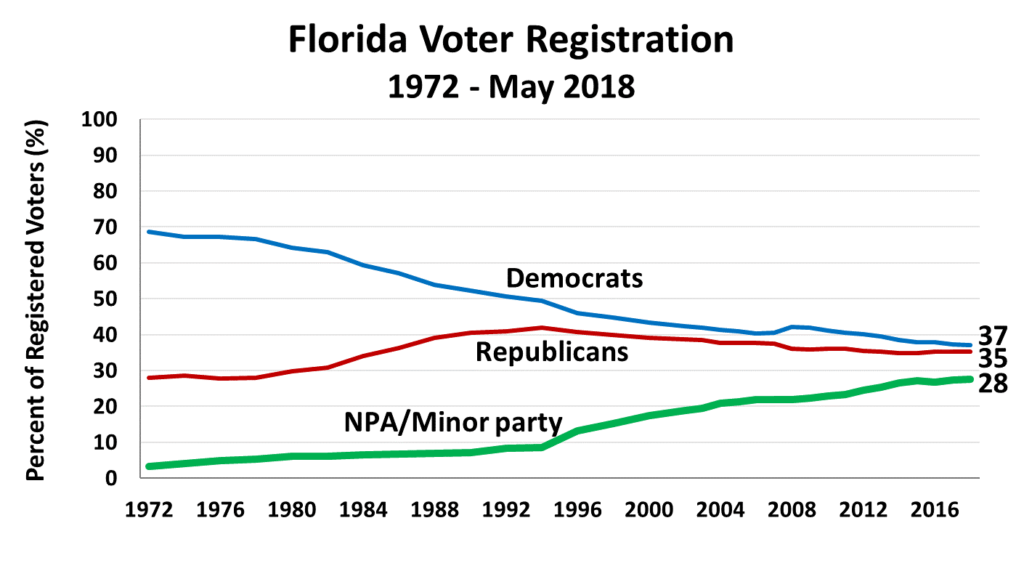
One of the most closely watched metrics is the breakdown of registered voters by political party. Florida famously operates as a “closed primary” state for most party elections, meaning that only registered members of a political party can vote in that party’s primary election. This makes party registration numbers particularly significant, as they directly impact the composition of the electorate in crucial nominating contests.
For years, Florida has witnessed a dynamic interplay between the Democratic and Republican parties. While historically, there have been periods of Democratic dominance, the state has more recently seen a shift, with the Republican Party often holding a slight edge in registered voters. However, this advantage can be fluid, and a substantial segment of voters also register as “No Party Affiliation” (NPA), often referred to as independents. This NPA bloc is a critical demographic, as their votes can swing elections in closely contested races. Understanding the growth or decline of each party and the NPA segment is vital for political strategists and analysts aiming to predict electoral outcomes. The fluctuations in these numbers are often influenced by national political trends, specific state issues, and the effectiveness of voter outreach campaigns by each party.
Demographic Breakdown: Age, Race, and Ethnicity
Beyond party affiliation, the demographic composition of Florida’s registered voters offers further layers of understanding.
Age Distribution
The age of registered voters is a significant indicator of future voting patterns and the evolving electorate. Younger voters, generally those aged 18-29, often exhibit different political leanings and engagement levels compared to older demographics. As new generations become eligible to vote, their participation and preferred candidates can reshape the political discourse. Conversely, the engagement of senior citizens, who historically have higher turnout rates, plays a substantial role in election outcomes. Analyzing the age distribution helps in understanding the state’s demographic trajectory and potential shifts in political priorities. For instance, a growing young population might signal a future tilt towards progressive policies, while an aging population could reinforce more conservative viewpoints or a focus on social security and healthcare issues.
Racial and Ethnic Diversity
Florida is one of the most diverse states in the nation, and its registered voter population mirrors this diversity. The voting patterns and concerns of different racial and ethnic groups, such as Hispanic/Latino, Black/African American, White, and Asian voters, are critical to understanding the state’s political fabric. The growth of certain demographic groups, particularly within the Hispanic/Latino community, has been a key factor in recent election cycles, influencing the competitiveness of both parties. Understanding the registration numbers and voting tendencies within these diverse communities is essential for candidates and parties seeking to build broad coalitions and appeal to a wide array of constituents. The political priorities and cultural nuances of these groups, from the Cuban-American communities in Miami-Dade County to the African American voters in North Florida, all contribute to the complex tapestry of Florida’s electorate.
Factors Influencing Voter Registration Numbers
The ebb and flow of voter registration numbers in Florida are influenced by a multitude of factors, ranging from legislative changes to broader societal trends. Understanding these drivers is key to interpreting the data and anticipating future shifts.
Voter Registration Drives and Outreach Efforts
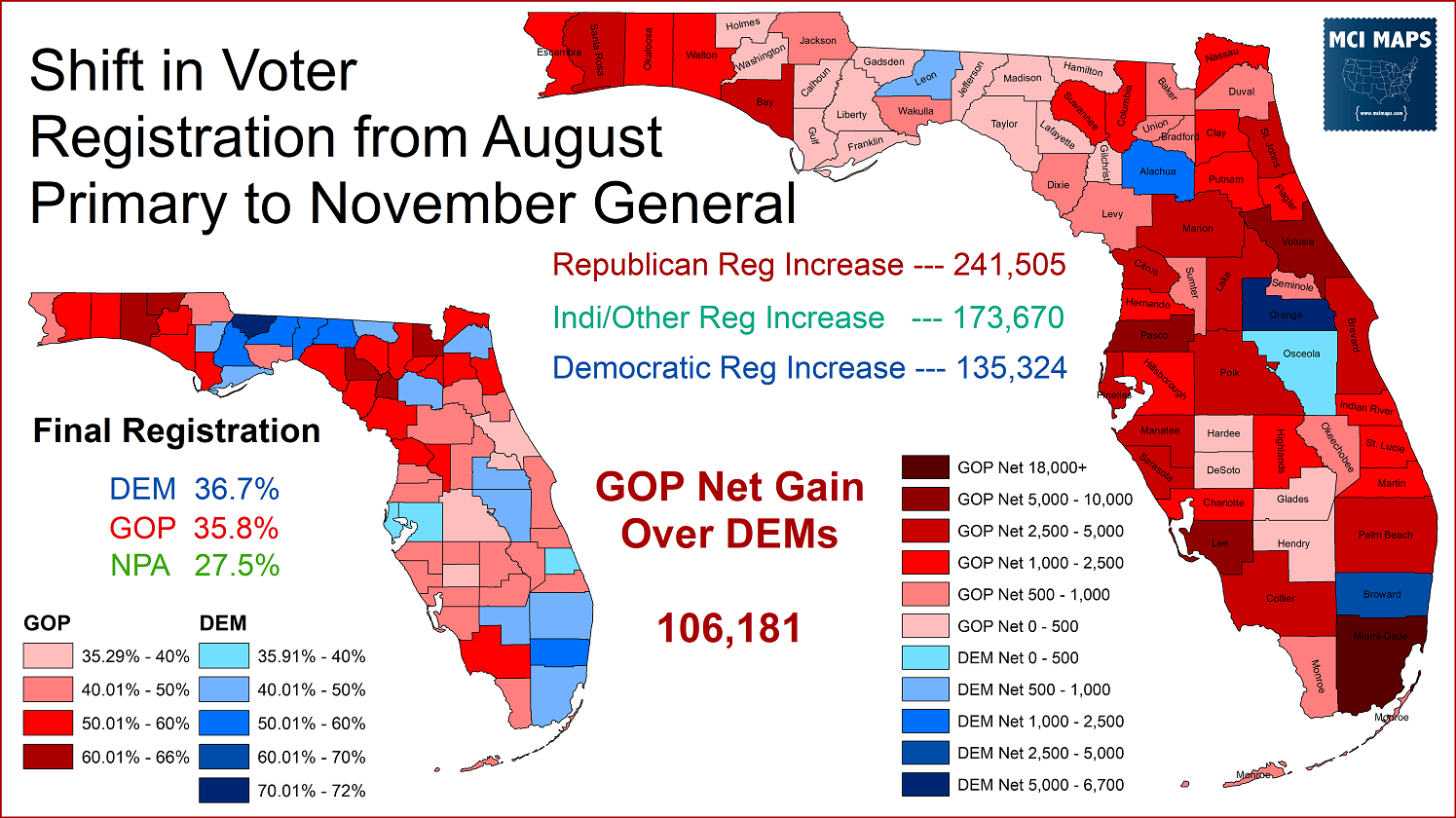
Political parties, advocacy groups, and grassroots organizations actively conduct voter registration drives. These efforts are often intensified in the months leading up to major elections, aiming to capture eligible citizens who are not yet registered. The success of these campaigns can significantly impact the total number of registered voters. For example, a highly energized presidential election year typically sees a surge in registration as citizens feel a greater impetus to participate. Conversely, in off-year elections, registration drives might be less intense, leading to a more modest increase or even a slight decrease in the overall numbers if not actively countered by renewal efforts. The digital age has also introduced new avenues for registration, with online portals and social media campaigns playing an increasingly important role.
Motor Voter Laws and Other Registration Mechanisms
Florida is a “motor voter” state, meaning that eligible citizens can register to vote when they apply for or renew a driver’s license or state identification card at the Florida Department of Highway Safety and Motor Vehicles. This federal law, along with other state-specific initiatives like registration at public assistance offices and through voter registration drives, aims to make the process as accessible as possible. While these mechanisms increase the potential for broad registration, they also mean that the numbers can be influenced by changes in licensing requirements or fluctuations in the number of people interacting with these agencies. Additionally, Florida has a system for automatic voter registration if certain criteria are met, further contributing to the dynamic nature of its voter rolls.
Voter Purges and Registration Maintenance
To ensure the accuracy and integrity of voter rolls, election officials in Florida conduct regular maintenance, which can include the removal of voters who are no longer eligible. This process, often referred to as voter purging, can occur due to various reasons such as a voter moving out of state, passing away, or being deemed mentally incapacitated by a court. While essential for maintaining accurate records, these purges can sometimes lead to controversy and debate, particularly when they affect large numbers of voters. The criteria and frequency of these purges can influence the total number of registered voters and are closely monitored by voting rights organizations. Ensuring that eligible voters are not disenfranchised during this process is a critical aspect of election administration.
The Significance of Registered Voter Numbers for Florida’s Political Landscape
The total number of registered voters in Florida serves as a foundational statistic that underpins much of the state’s political analysis and electoral strategy. It’s not merely an academic exercise but a practical measure that directly impacts how campaigns are run, how resources are allocated, and how political outcomes are anticipated.
Electoral Strategy and Resource Allocation
For political campaigns, the number of registered voters and their distribution by party, age, and location are critical components of their strategic planning. Campaigns will tailor their messaging and outreach efforts to target specific demographic groups and geographic areas with the highest concentrations of registered voters from their party or independent voters they aim to persuade. For example, a campaign might invest heavily in advertising and ground operations in heavily populated counties like Miami-Dade or Broward, where the sheer volume of registered voters can make a significant difference. Conversely, they might focus on mobilizing specific voter blocs in smaller, but crucial, swing districts. The data on registered voters informs decisions about where to spend money, which volunteers to deploy, and what issues to emphasize.
Impact on Election Outcomes
Ultimately, the number of registered voters is a predictor of potential turnout. While not all registered voters cast a ballot, the total number represents the universe of eligible participants. In a state as politically competitive as Florida, where elections are often decided by narrow margins, even small shifts in registration or turnout can have a profound impact on the outcome. The growth of the NPA voter bloc, for instance, has made Florida increasingly unpredictable, as these voters are not as ideologically bound to one party and can be swayed by candidate appeal and specific campaign issues. Understanding the size and composition of the registered voter pool provides essential context for analyzing polling data, forecasting election results, and comprehending the state’s enduring significance in national politics. The ongoing evolution of Florida’s registered voter base ensures that it will remain a focal point of electoral attention for years to come.
Keeping Track: Where to Find Current Florida Voter Registration Data
For those seeking the most up-to-date figures on voter registration in Florida, reliable sources are readily available. These resources are essential for researchers, journalists, political strategists, and engaged citizens who wish to stay informed about the state’s evolving electorate.
Official State Resources
The most authoritative source for Florida voter registration data is the Florida Division of Elections, which operates under the auspices of the Florida Department of State. This agency provides regular reports, statistics, and databases detailing the number of registered voters, their party affiliations, and demographic information. These reports are typically updated periodically, especially leading up to elections. Citizens can often access these statistics through the division’s official website, allowing for detailed analysis of precinct-level data, county-by-county breakdowns, and statewide totals. Understanding how to navigate these official channels ensures access to accurate and timely information.
Independent Analysis and News Outlets
Beyond official government sources, various news organizations and independent research groups also track and analyze Florida’s voter registration data. Major news outlets in Florida often publish articles and reports that break down the latest registration numbers and their potential implications for upcoming elections. Political science departments at Florida universities, such as the University of Florida or the University of Central Florida, may also conduct studies and publish findings that offer deeper insights into voter trends. These external analyses can provide valuable context and interpretation to the raw data, helping to explain the factors driving changes in registration and their potential electoral consequences. When seeking a comprehensive understanding, consulting both official data and independent analysis is highly recommended.
LifeOutOfTheBox is a participant in the Amazon Services LLC Associates Program, an affiliate advertising program designed to provide a means for sites to earn advertising fees by advertising and linking to Amazon.com. Amazon, the Amazon logo, AmazonSupply, and the AmazonSupply logo are trademarks of Amazon.com, Inc. or its affiliates. As an Amazon Associate we earn affiliate commissions from qualifying purchases.