
The demographic landscape of New York State is exceptionally diverse, a tapestry woven from countless cultural, ethnic, and religious threads. Among the most significant and historically rooted communities is the Jewish population, a vibrant and integral part of the state’s identity. Understanding the numbers behind this community offers crucial insights into the social fabric, religious institutions, and cultural richness that define New York. This exploration delves into the estimated population figures, their distribution, and the implications for the state’s broader social and cultural environment.
Estimating the Jewish Population in New York State
Pinpointing an exact number for any religious or ethnic group is inherently challenging. Demographers rely on a combination of census data, surveys, and community-specific studies to arrive at estimates. For the Jewish population in New York State, these figures consistently place it as the largest in the United States, and one of the largest in the world, rivaling that of Israel.

Key Demographics and Trends
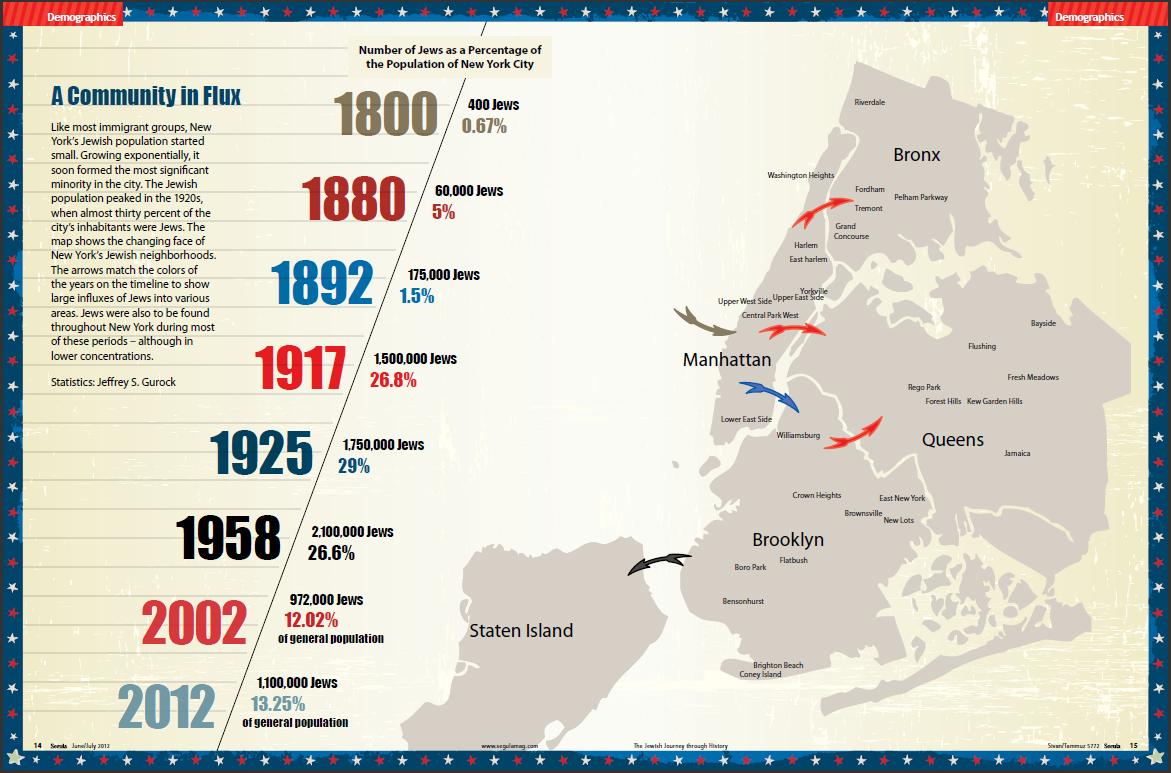
The most widely cited estimates, often derived from studies by organizations like the Pew Research Center and local Jewish federations, suggest that the Jewish population in New York State numbers well over 1.5 million, with some estimates approaching 2 million. This significant concentration reflects a long history of Jewish immigration and settlement in the region, dating back to colonial times.
The composition of this population is also varied, encompassing a wide spectrum of religious observance, from secular and culturally Jewish individuals to those deeply committed to Orthodox, Conservative, Reform, and Reconstructionist movements. This internal diversity is a key characteristic of Jewish life in New York.
Sources of Data and Methodologies
- Community Surveys: Local Jewish federations and research institutions frequently conduct surveys within their communities to gather data on demographics, religious practices, and social needs. These surveys often provide more granular insights than national censuses.
- Census Data Analysis: While U.S. Census data does not directly ask about religious affiliation, researchers can infer population sizes by analyzing data on ancestry, country of origin, and religious institutions.
- Academic Studies: Sociologists and demographers have published extensive research on Jewish populations, utilizing various methodologies to estimate numbers and understand trends.
Geographical Distribution Across New York State
The Jewish population is not uniformly spread across New York State. Instead, it is concentrated in specific areas, with a dominant presence in the metropolitan regions, particularly New York City and its surrounding suburbs.
New York City: A Global Center
New York City is, by far, the largest hub of Jewish life in New York State. The five boroughs – Manhattan, Brooklyn, the Bronx, Queens, and Staten Island – are home to a substantial majority of the state’s Jewish residents.
- Brooklyn: Historically a major center for Jewish settlement, Brooklyn continues to be home to a large and diverse Jewish population, including significant Orthodox communities in areas like Borough Park and Williamsburg, as well as more secular and culturally oriented Jewish populations throughout the borough. The sheer density of synagogues, community centers, and kosher establishments in Brooklyn underscores its importance.
- Manhattan: While perhaps less dense than Brooklyn, Manhattan boasts a substantial Jewish population, particularly on the Upper West Side and in parts of Lower Manhattan. It is also a major center for Jewish cultural institutions, including museums, theaters, and academic programs.
- Queens and The Bronx: These boroughs also host significant Jewish communities, with a mix of religious affiliations and ethnic backgrounds, reflecting the broader diversity of New York City.
- Staten Island: While smaller in absolute numbers, Staten Island has a notable Jewish presence, contributing to the multicultural mosaic of the borough.
Suburban Enclaves and Upstate Communities
Beyond New York City, the Jewish population extends into the suburban counties that ring the metropolis. Nassau County and Suffolk County on Long Island, as well as Westchester County, Rockland County, and Orange County, all have substantial Jewish communities. These suburban enclaves often feature a mix of families who have moved from the city seeking different living environments, alongside established communities.
Upstate New York also has a history of Jewish settlement, with notable communities in cities such as Buffalo, Rochester, Syracuse, and Albany. While these populations are smaller than those in the metropolitan area, they play vital roles in the cultural and religious life of their respective cities and regions.
Specific Suburban Concentrations
- Long Island: Nassau County and Suffolk County are home to hundreds of thousands of Jewish residents, with numerous synagogues, community centers, and Jewish day schools.
- Westchester County: This county is known for its well-established Jewish communities, often characterized by a blend of religious observance and suburban lifestyle.
- Rockland County: Particularly in areas like New City and Suffern, Rockland County has seen significant growth in its Jewish population, including a notable Haredi community.
The Significance of this Population for New York State
The large and dynamic Jewish population in New York State has a profound impact on various aspects of the state’s identity, economy, and culture. This influence is felt across numerous sectors, from religious life and education to the arts, business, and philanthropy.
Religious and Community Infrastructure
The presence of over a million Jews has necessitated and fostered a vast infrastructure of religious and community organizations. This includes:
- Synagogues: Thousands of synagogues serve diverse congregations, from large, established temples to smaller, independent minyans. These institutions are not only places of worship but also social and educational hubs.
- Schools: A robust network of Jewish day schools, from elementary to high school, provides religious and secular education to thousands of students, ensuring the transmission of Jewish heritage and values.
- Social Services: Organizations dedicated to social welfare, healthcare, and support for the elderly and vulnerable are integral to the community.
- Cultural Institutions: Museums, theaters, and community centers dedicated to Jewish arts, history, and culture contribute to the vibrant cultural landscape of New York.
Economic and Philanthropic Contributions
Jewish individuals and organizations have historically been significant contributors to New York State‘s economy. Their involvement spans various industries, including finance, real estate, technology, and retail. Furthermore, Jewish philanthropy in New York is substantial, with numerous individuals and foundations dedicating resources to a wide array of causes, both within the Jewish community and for the broader public good. This includes significant support for hospitals, universities, and social justice initiatives across the state.
Cultural Influence and Diversity
The Jewish community’s rich cultural traditions have significantly shaped New York State‘s identity. From Yiddish theater and klezmer music to the prevalence of kosher food establishments and Jewish holidays that punctuate the calendar, Jewish culture is an interwoven element of the state’s larger narrative. This cultural presence enriches the pluralistic fabric of New York, contributing to its reputation as a global crossroads of cultures and ideas. The ongoing influx of new immigrants and the continuous evolution of existing communities ensure that Jewish life in New York remains dynamic and influential.
Jewish Identity and Observance
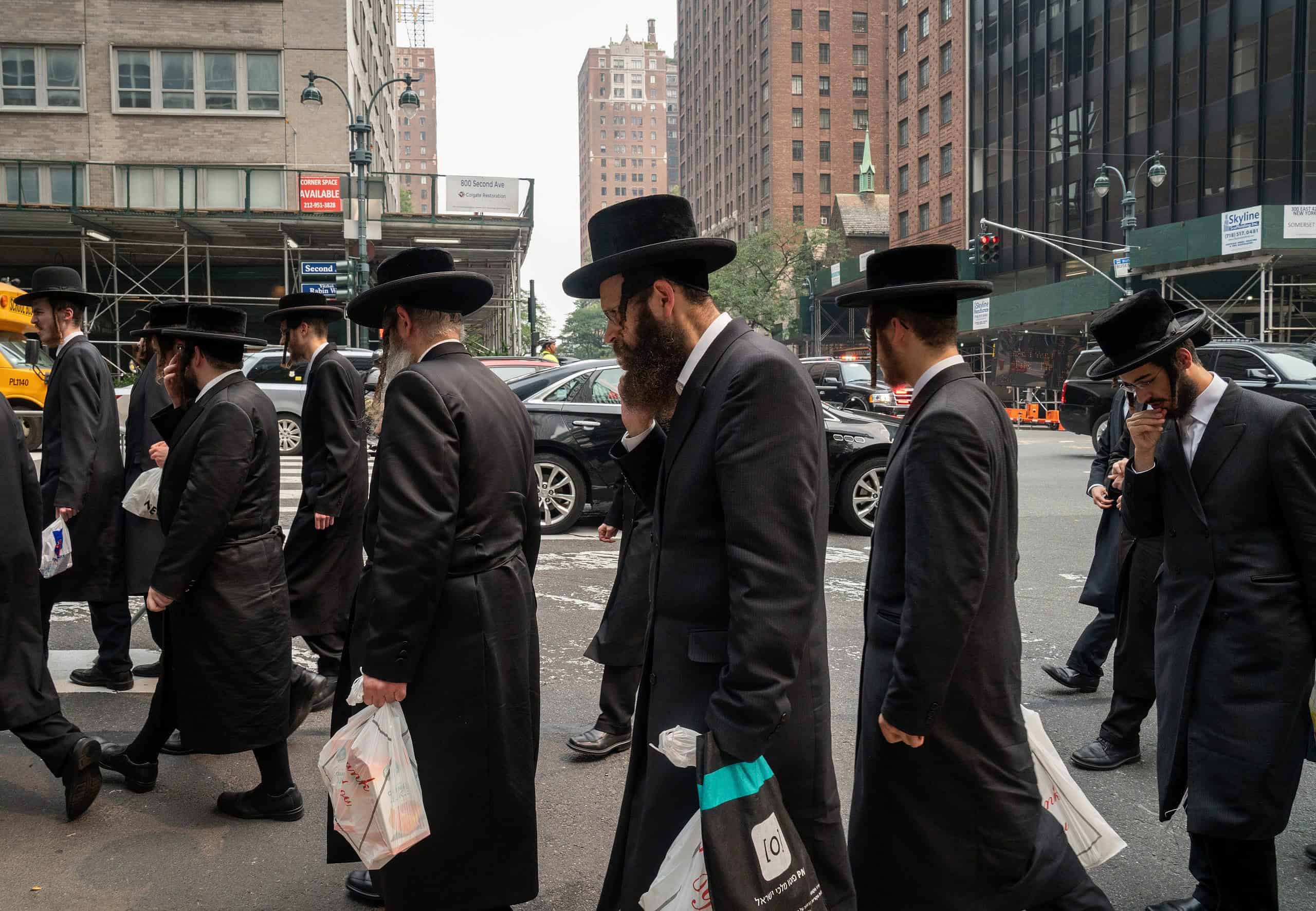
The spectrum of Jewish identity in New York State is vast, encompassing individuals who identify strongly with their heritage through religious observance, cultural participation, or a sense of peoplehood. This diversity ensures that the community is not monolithic but rather a collection of vibrant sub-communities, each with its unique traditions and contributions. The ongoing dialogue between tradition and modernity, religious observance and secular life, continues to define Jewish life in the Empire State.
LifeOutOfTheBox is a participant in the Amazon Services LLC Associates Program, an affiliate advertising program designed to provide a means for sites to earn advertising fees by advertising and linking to Amazon.com. Amazon, the Amazon logo, AmazonSupply, and the AmazonSupply logo are trademarks of Amazon.com, Inc. or its affiliates. As an Amazon Associate we earn affiliate commissions from qualifying purchases.