
Navigating the bustling streets of New York City can be an exhilarating experience, and for many visitors, a quintessential part of that experience involves hailing a yellow cab. From the iconic silhouette of a Chrysler Building-adorned skyline to the vibrant energy of Times Square, taxis offer a direct and often scenic route to your destination. However, a common question that arises for both tourists and even some locals is: how much should you tip your New York taxi driver? Understanding the etiquette surrounding tipping in the city’s taxi service is crucial for smooth travel and ensuring you’re offering a fair compensation for the service provided.
Understanding the Fare Structure
Before delving into tipping specifics, it’s essential to grasp how taxi fares are calculated in New York. The fare displayed on the meter is comprised of several components: a base fare, a per-mile charge, and a per-minute charge for time spent in traffic or at rest.
The Meter’s Components
- Base Fare: This is a flat fee charged at the start of every ride. In New York City, this typically includes the first 1/5th of a mile or initial 60 seconds of travel.
- Per-Mile Charge: This is the cost for each additional mile traveled.
- Per-Minute Charge: This accounts for the time the taxi is stationary or moving at a very slow speed, often due to traffic congestion.
- Surcharges: There are also additional charges that may apply, such as a nightly surcharge between 8 PM and 6 AM, a rush-hour surcharge during specific times, and a New York State tax. For rides originating from airports like JFK Airport or LaGuardia Airport, there might be a specific airport surcharge.
These components combine to create the final fare shown on the meter. It’s this final amount that serves as the basis for calculating your tip.
The Standard Tipping Practice
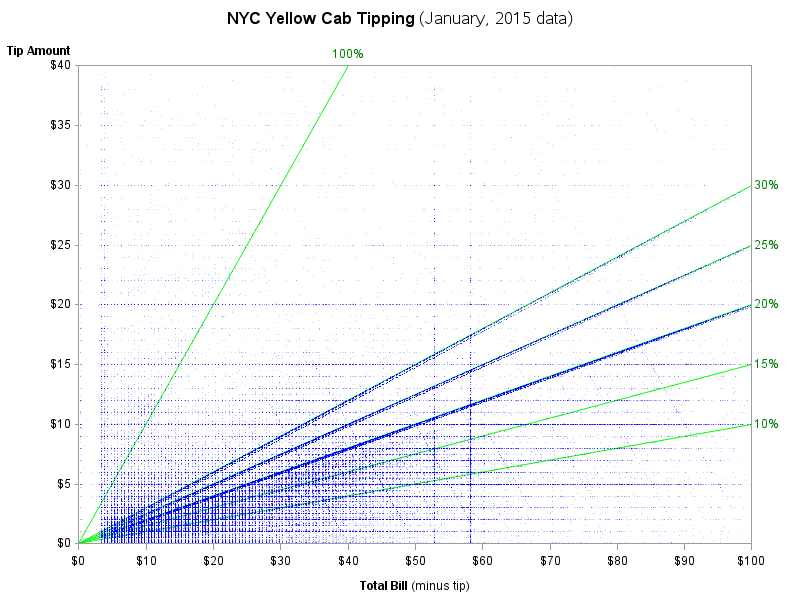
In New York City, tipping taxi drivers is a widely accepted practice, and generally, a service charge is expected. The industry standard and the most commonly recommended tip is between 15% and 20% of the total fare.
Factors Influencing Your Tip Amount
While 15-20% is the general guideline, several factors can influence whether you tip at the lower or higher end of this spectrum, or even slightly beyond.
- Quality of Service: Did the driver navigate efficiently? Were they courteous and helpful? Did they assist with luggage? Excellent service often warrants a higher tip.
- Traffic Conditions: While traffic is accounted for in the per-minute charge, a driver who skillfully maneuvers through heavy congestion, making your journey as smooth as possible, deserves recognition.
- Ride Duration and Distance: For very short rides, rounding up to the nearest dollar or a 20% tip might be the most straightforward approach. For longer, more complex journeys, adhering to the percentage is standard.
- Driver’s Demeanor: A friendly, professional, and safe driver enhances the travel experience. If the driver engaged in pleasant conversation, followed your directions carefully, and drove safely, consider rewarding that.
- Luggage Assistance: If the driver went out of their way to help with heavy or numerous bags, especially in inclement weather, an extra few dollars or a slightly higher percentage is a thoughtful gesture.
Calculating the Tip
To calculate the tip, take the total fare shown on the meter and multiply it by your chosen percentage (0.15 for 15%, 0.20 for 20%).
- Example: If your fare is $30.00:
- 15% tip = $30.00 x 0.15 = $4.50
- 20% tip = $30.00 x 0.20 = $6.00
Many people find it easier to round up to the nearest dollar or half-dollar amount that aligns with their desired percentage. For instance, on a $30 fare, you might give $35.00 for a tip of $5.00 (approximately 16.7%), or $36.00 for a tip of $6.00 (exactly 20%).
When to Tip More or Less
While the 15-20% range covers most situations, there are instances where you might deviate from the standard.

Situations Warranting a Higher Tip
- Exceptional Service: If the driver offered a particularly pleasant ride, provided local insights, or went above and beyond to ensure your comfort and safety, consider tipping 20% or even more.
- Difficult Conditions: Driving in New York City can be challenging. A driver who navigates difficult weather, heavy traffic, or unusual road closures with skill and professionalism deserves extra appreciation.
- Airport Runs with Heavy Luggage: Transporting multiple large suitcases, especially if the driver had to load and unload them from a difficult parking spot, justifies an increased tip.
Situations Where a Lower Tip Might Be Considered (Rarely)
It’s important to note that tipping below 15% in New York is generally considered poor etiquette and is usually reserved for severe service issues.
- Unprofessional Behavior: If the driver was rude, excessively slow without apparent reason (not due to traffic), or drove recklessly, you might consider tipping less than 15%. However, it is often more appropriate to address such issues with the taxi company or regulatory authority rather than simply withholding a tip, unless the service was truly unacceptable.
- Significant Delays/Errors: If the driver took a grossly inefficient route that significantly increased the fare without good reason, or if they were clearly unfamiliar with the city despite it being their profession, you might adjust the tip.
Important Consideration: Most taxi drivers in New York rely on tips as a significant portion of their income. Therefore, it is generally recommended to err on the side of generosity, especially when in doubt.
Beyond the Yellow Cab: Rideshare Services
The tipping landscape in New York City also extends to rideshare services like Uber and Lyft. While the mechanics of tipping can differ slightly (often handled through the app), the underlying principle of rewarding good service remains the same.
Tipping in Rideshare Apps
- App-Based Tipping: Both Uber and Lyft allow you to tip your driver directly through their respective apps after the ride is completed.
- Suggested Percentages: The apps typically suggest tipping percentages, often starting around 15% and going up to 20% or more.
- Driver Dependency: Similar to taxi drivers, rideshare drivers depend on tips to supplement their earnings, which are often subject to platform fees and fluctuating demand.
The general recommendation for rideshare services mirrors that of taxis: a 15-20% tip for satisfactory service, with the option to increase it for exceptional experiences.
Making Payments and Tipping Etiquette
In New York City, paying for your taxi ride and leaving a tip is usually a straightforward process.
Payment Methods
- Cash: Many tourists still prefer using cash for taxi fares, allowing for easy tipping by simply handing over the fare amount plus the desired tip.
- Credit/Debit Cards: Most yellow taxis and all rideshare services accept credit and debit cards. When paying by card, you’ll typically be prompted on the payment terminal or by the driver to enter your tip amount.
- Contactless Payment: Increasingly, contactless payment options are becoming available.

Tipping Etiquette
- Be Clear: When paying with cash, state the total amount you are giving (e.g., “Keep the change” or “Here’s $40 for the $32 fare”). This avoids any ambiguity.
- Via App: For rideshare services, ensure you complete the tipping process within the app after the ride.
- Round Up: For very small fares, rounding up to the nearest dollar or five dollars is a common and appreciated gesture.
- Consider the Driver: Remember that taxi drivers, especially in a city like New York, work long hours and tips are a vital part of their livelihood.
In conclusion, when you find yourself needing to hail a taxi in the vibrant metropolis of New York, aim for a tip of 15% to 20% of the metered fare. This range generally covers good to excellent service and is the customary expectation. By understanding the fare structure and tipping norms, you can ensure a positive and respectful transaction, contributing to the seamless flow of urban exploration in the Big Apple.
LifeOutOfTheBox is a participant in the Amazon Services LLC Associates Program, an affiliate advertising program designed to provide a means for sites to earn advertising fees by advertising and linking to Amazon.com. Amazon, the Amazon logo, AmazonSupply, and the AmazonSupply logo are trademarks of Amazon.com, Inc. or its affiliates. As an Amazon Associate we earn affiliate commissions from qualifying purchases.