
Embarking on a road trip to Florida is a quintessential American adventure, promising sun-drenched beaches, vibrant theme parks, and a diverse cultural tapestry. However, before you pack your bags and hit the open road, a crucial question looms: how much will this journey actually cost? The answer is not a simple figure, but rather a dynamic calculation influenced by a multitude of factors, from your starting point and vehicle’s fuel efficiency to your chosen route, accommodation preferences, and desired stops along the way. This comprehensive guide aims to demystify these costs, providing a framework for budgeting your unforgettable drive to the Sunshine State.

Fueling Your Journey: The Biggest Variable
The most significant and often unpredictable expense of any road trip is fuel. The cost of gasoline fluctuates daily, and your vehicle’s fuel efficiency plays a pivotal role in determining your overall expenditure.
Calculating Fuel Consumption
To accurately estimate your fuel costs, you’ll need two key pieces of information:
- Distance to Florida: Utilize online mapping tools like Google Maps or Waze to determine the precise mileage from your origin to your desired destination in Florida. Consider multiple routes; sometimes a slightly longer route can save money on tolls or offer more scenic opportunities. For example, driving from New York City to Miami is approximately 1,300 miles, while a trip from Chicago to Orlando hovers around 1,150 miles.
- Vehicle’s Miles Per Gallon (MPG): Know your car’s average MPG. This information is typically found in your owner’s manual or can be estimated from your car’s trip computer. For a more precise calculation, track your MPG over a few tanks of gas.
Estimating Fuel Costs
Once you have your distance and MPG, you can calculate your total fuel needs:
- Gallons Needed: Total Miles / MPG = Gallons
- Estimated Fuel Cost: Gallons Needed * Average Gas Price = Total Fuel Cost
To get a current average gas price, consult resources like AAA’s Gas Prices website or fuel tracking apps. It’s prudent to add a buffer of 10-15% to your estimate to account for potential price increases or deviations from your projected MPG due to driving conditions (traffic, mountains, speed).
Example:
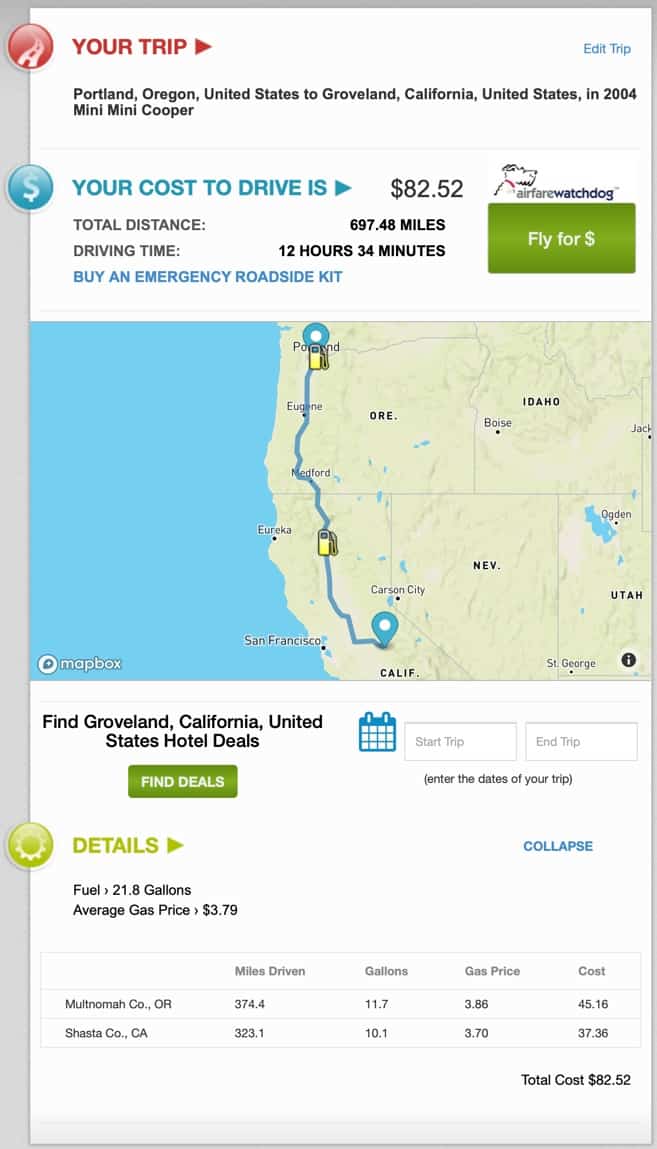
Let’s assume a round trip of 2,000 miles from Atlanta to Tampa, a car with 25 MPG, and an average gas price of $3.50 per gallon.
- Gallons Needed: 2,000 miles / 25 MPG = 80 gallons
- Estimated Fuel Cost: 80 gallons * $3.50/gallon = $280
This is a one-way estimate; for a round trip, you would double this figure. Remember to factor in any driving you plan to do once you reach Florida, which will add to your total mileage and fuel expenses.
Tolls and Other Roadway Expenses
Beyond fuel, your chosen route may involve significant toll fees. Major interstate highways, particularly in the Northeast and along the Florida Turnpike, often have electronic tolling systems or pay-as-you-go booths.
Navigating Toll Roads
- Research Your Route: Before you depart, use mapping services that allow you to calculate toll costs. Many GPS devices and apps offer a “avoid tolls” option, but this can significantly increase your travel time and distance.
- Toll Transponders: If you frequently travel on toll roads, consider investing in a toll transponder like E-ZPass (primarily in the Northeast and Midwest) or SunPass (essential for Florida). These systems often offer discounted rates and streamline the payment process, avoiding potential fines for missed tolls.
- Estimated Toll Costs: Tolls can range from a few dollars for a single bridge crossing to hundreds of dollars for an entire route. For instance, driving from Boston to Miami can rack up over $100 in tolls alone, depending on the precise path taken. Always budget conservatively for tolls, as unexpected roadwork or detours can sometimes lead to new or adjusted toll charges.
Parking Fees
While less of a concern on the open road, parking fees can add up, especially if you plan to visit popular attractions or stay in city centers in Florida. Research parking costs at your intended destinations and accommodations in advance.
Accommodation: Your Home Away From Home
The cost of lodging represents another substantial portion of your road trip budget. Whether you opt for budget-friendly motels, comfortable mid-range hotels, or luxurious resorts, your choices will directly impact your overall expenditure.
Strategic Overnight Stays
- Duration of the Trip: The number of nights you spend on the road will dictate your total accommodation costs. A direct, multi-day drive might require 2-3 overnight stays, while a more leisurely journey could involve more.
- Location of Overnight Stops: Prices for hotels vary significantly by region. Major cities and popular tourist hubs will generally be more expensive than smaller towns or rural areas. Strategically choosing your overnight locations can lead to significant savings. Look for motels or hotels just off major highways in smaller towns for more affordable options.
- Type of Accommodation:
- Budget Motels (e.g., Motel 6, Super 8): Expect to pay anywhere from $60 to $120 per night. These offer basic amenities and are ideal for travelers prioritizing cost savings and a clean place to rest.
- Mid-Range Hotels (e.g., Holiday Inn Express, Hampton Inn): Prices typically range from $100 to $200 per night. These often include complimentary breakfast, Wi-Fi, and sometimes a pool or fitness center.
- Upscale Hotels/Resorts (e.g., Marriott, Hyatt, local resorts): Costs can range from $200 to $500+ per night, depending on the brand, location, and amenities offered.
- Booking in Advance vs. On-the-Spot: Booking accommodations in advance, especially during peak seasons or holidays, can often secure better rates and ensure availability. However, sometimes last-minute deals can be found, though this carries the risk of limited options or higher prices. Websites and apps like Booking.com, Expedia, and Hotels.com can help you compare prices and book ahead.
Alternative Lodging
- Camping: If you enjoy the outdoors, camping can be an exceptionally budget-friendly option. Campsites can range from $20 to $60 per night. This requires carrying camping gear, but opens up opportunities in state parks and private campgrounds.
- Vacation Rentals (e.g., Airbnb, VRBO): For longer stays or if traveling with a group, renting an apartment or house can be cost-effective, especially when factoring in the ability to cook meals. Prices vary wildly based on size, location, and duration.
Food and Dining Expenses
Your culinary choices on the road will significantly influence your budget. Eating out for every meal can quickly escalate costs, while a strategic approach to food can keep your expenses in check.
On-the-Go Dining
- Fast Food and Casual Restaurants: These are convenient for quick meals but can still add up. Budget $15-$30 per person per day for meals if relying heavily on these options.
- Sit-Down Restaurants: A nice dinner can easily cost $30-$60+ per person, plus tip. Factor these in for occasional treats or when celebrating milestones.
Budget-Conscious Strategies
- Pack Snacks and Drinks: Bring a cooler stocked with water bottles, juices, and non-perishable snacks like granola bars, fruit, and nuts. This significantly reduces impulse purchases at gas stations and convenience stores.
- Utilize Hotel Breakfasts: If your hotel offers complimentary breakfast, take full advantage of it. This can save you a significant amount each morning.
- Grocery Stores: Stopping at a local grocery store allows you to purchase affordable breakfast items, sandwich supplies for lunch, and healthy snacks. Many grocery stores also offer pre-made meals or deli sections that can be a cost-effective alternative to restaurant dining.
- Picnics: If you have a scenic rest stop or park along your route, a picnic lunch can be an enjoyable and economical way to dine.
Miscellaneous Expenses and Contingencies
Beyond the primary costs of fuel, tolls, accommodation, and food, several other factors can influence your road trip budget.
Vehicle Maintenance and Preparedness
- Pre-Trip Inspection: Before you leave, ensure your vehicle is in good working order. An oil change, tire rotation, and brake check can prevent costly breakdowns on the road. Budget around $100-$300 for a thorough pre-trip service.
- Emergency Kit: Pack an emergency kit including jumper cables, a first-aid kit, a flashlight, basic tools, and a spare tire. While not a direct cost, being prepared can save you from expensive towing services or roadside assistance fees.
- Roadside Assistance: Consider a AAA membership or similar roadside assistance plan. For an annual fee, it can provide peace of mind and cover costs associated with breakdowns, towing, and flat tires.
Entertainment and Activities
- Attraction Tickets: If your road trip includes stops at theme parks like Walt Disney World or Universal Orlando Resort, or visits to museums and other attractions, factor in ticket prices. These can range from $50 to $150+ per person per day for major parks.
- Souvenirs: Budget for any souvenirs or mementos you wish to purchase.
- Unexpected Stops: Roadside attractions, scenic overlooks, and spontaneous detours add to the adventure but also to the cost.
Contingency Fund
It is always wise to have a contingency fund for unforeseen circumstances. This could include car trouble, unexpected lodging needs, or last-minute changes in plans. A general rule of thumb is to add 10-20% to your total estimated budget for this buffer.

Bringing It All Together: Budgeting Your Florida Road Trip
To arrive at a realistic total cost for your drive to Florida, meticulously research each of the categories outlined above based on your specific travel plans.
- Calculate Total Mileage: Determine the round-trip distance.
- Estimate Fuel Costs: Use your MPG and current gas prices.
- Research Tolls: Map your route and get an estimate.
- Determine Accommodation Needs: Count nights on the road and research hotel/rental prices.
- Budget for Food: Decide on your dining strategy (fast food, groceries, restaurants).
- Add Miscellaneous Expenses: Include vehicle prep, entertainment, and souvenirs.
- Include a Contingency Fund: Add 10-20% for unexpected costs.
By systematically breaking down these expenses, you can create a comprehensive and accurate budget for your drive to Florida, ensuring a smooth and enjoyable journey without any unwelcome financial surprises. The open road awaits!
LifeOutOfTheBox is a participant in the Amazon Services LLC Associates Program, an affiliate advertising program designed to provide a means for sites to earn advertising fees by advertising and linking to Amazon.com. Amazon, the Amazon logo, AmazonSupply, and the AmazonSupply logo are trademarks of Amazon.com, Inc. or its affiliates. As an Amazon Associate we earn affiliate commissions from qualifying purchases.