
The Ubiquitous Golden Arches: A New York City Phenomenon
The golden arches of McDonald’s are a globally recognized symbol, a beacon of convenience and familiar taste for travelers and locals alike. In a city as vast and dynamic as New York City, it might seem an almost impossible task to pinpoint the exact number of these fast-food establishments. Yet, understanding their prevalence offers a fascinating glimpse into the city’s urban fabric, its consumer habits, and the intricate logistics of a global giant operating within one of the world’s most demanding markets. From the bustling streets of Manhattan to the diverse boroughs of Brooklyn, Queens, the Bronx, and Staten Island, McDonald’s has woven itself into the daily rhythm of millions.

The sheer density of McDonald’s in New York City is a testament to its strategic positioning and its ability to cater to a diverse population with varying needs and schedules. Whether a quick breakfast before catching a subway, a midday refuel during a busy workday, or a late-night snack after exploring the city’s nightlife, these restaurants serve as crucial pit stops. Their presence is not merely about providing food; it’s about offering accessibility, affordability, and a sense of consistent familiarity in a city that is constantly in flux. This article delves into the impressive numbers, exploring the factors that contribute to this high concentration and what it signifies for New York City as a destination for both its residents and its millions of annual visitors.
Mapping the Golden Arches: A Quantitative Overview
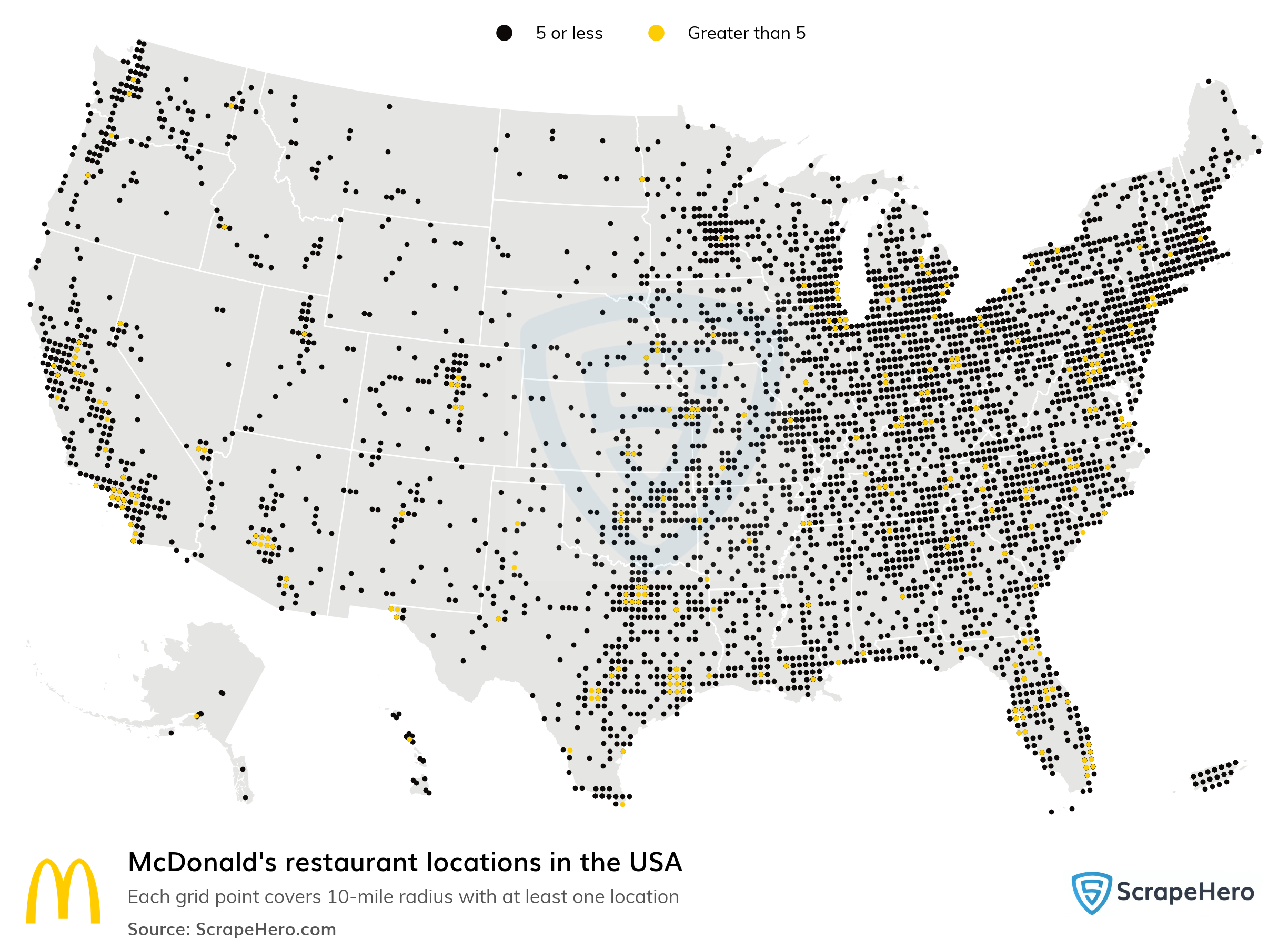
The precise number of McDonald’s locations within New York City fluctuates slightly due to openings and closings, but official figures typically place it well over 200. This number, while substantial, doesn’t fully capture the true impact of the brand. It doesn’t account for the numerous variations, such as McCafé sections within existing restaurants, nor the extensive franchise network that operates under the iconic banner.
To provide a more concrete understanding, consider the distribution across the five boroughs:
- Manhattan: As the economic and cultural heart of New York City, Manhattan boasts the highest concentration of McDonald’s restaurants. Prime locations in areas like Times Square, Midtown, and along major thoroughfares see a constant stream of customers. These outlets are often designed to handle high volumes of foot traffic and are strategically placed near major transit hubs and tourist attractions.
- Brooklyn: With its diverse neighborhoods and growing population, Brooklyn also features a significant number of McDonald’s outlets. They are integrated into residential areas, shopping districts, and commercial centers, serving a broad demographic.
- Queens: As the largest borough by land area and one of the most ethnically diverse, Queens has a widespread presence of McDonald’s, catering to its many communities and serving as convenient stops for those traveling to and from John F. Kennedy International Airport and LaGuardia Airport.
- The Bronx: The Bronx has seen considerable development and population growth, and its McDonald’s presence reflects this. Restaurants are situated in both bustling commercial zones and quieter residential neighborhoods, reflecting the borough’s varied character.
- Staten Island: While perhaps having fewer locations than its more densely populated counterparts, Staten Island still maintains a strong network of McDonald’s restaurants, serving its suburban communities and commuter populations.
The density of these outlets is not accidental. It’s a result of meticulous market analysis, understanding commuter patterns, and capitalizing on high-traffic areas where convenience is paramount. For tourists, the familiar signage offers a sense of comfort and reliability amidst the overwhelming choices of a new city.
Strategic Placement and Urban Integration
The decision of where to open a McDonald’s in a city like New York City is a complex strategic undertaking. It involves more than just finding an available storefront; it requires an in-depth understanding of local demographics, foot traffic patterns, competition, and accessibility.
Key Location Drivers
- Transit Hubs: Proximity to major subway stations, bus terminals, and commuter rail lines is a critical factor. Individuals rushing to or from work, or navigating the city, often seek quick and easy meal options near these transit points. Locations near Grand Central Terminal or Penn Station are prime examples.
- Commercial and Business Districts: Areas teeming with office buildings, such as Midtown Manhattan or the Financial District, present a constant demand for affordable and fast lunch options for the daytime workforce.
- Tourist Hotspots: Iconic landmarks, entertainment venues, and major shopping streets are prime real estate for McDonald’s. Imagine the crowds near Central Park, the Empire State Building, or along Fifth Avenue. These locations cater to both domestic and international tourists seeking a familiar taste.
- Residential Neighborhoods: While major hubs are crucial, McDonald’s also integrates into everyday life by serving residential areas. These locations often become community gathering spots for families and local residents, particularly those with younger children.
- Universities and Colleges: With a large student population, areas surrounding universities like New York University or Columbia University are often targeted for McDonald’s locations, offering affordable dining options for students.
Adapting to the Urban Landscape
The design and operation of McDonald’s in New York City often differ from those in suburban or rural settings.
- Smaller Footprints: Due to high real estate costs, many New York City McDonald’s have a more compact footprint, prioritizing efficient kitchen operations and streamlined ordering processes.
- Drive-Thru Challenges: Traditional drive-thrus are less common in dense urban areas. Instead, many locations focus on efficient counter service and a robust delivery and mobile ordering system.
- 24/7 Operations: To cater to the city that never sleeps, many McDonald’s operate 24 hours a day, 7 days a week, providing a constant food service option for night owls, shift workers, and early risers.
- Digital Integration: McDonald’s has heavily invested in technology in New York City, with many locations offering self-order kiosks, mobile order and pay, and extensive delivery partnerships through platforms like Uber Eats and DoorDash. This digital push is vital for navigating the city’s fast-paced lifestyle.
The strategic placement and adaptation to the urban environment underscore McDonald’s understanding of New York City as a unique and demanding market.
More Than Just a Meal: The Role of McDonald’s in Urban Tourism and Daily Life
In a city renowned for its Michelin-starred restaurants, iconic delis, and diverse culinary landscape, the presence of McDonald’s might seem paradoxical. However, its role extends far beyond simply serving fast food; it occupies a significant niche in both the daily lives of New Yorkers and the experiences of its vast tourist population.
For the Tourist: A Familiar Anchor in an Unfamiliar City
For travelers exploring the wonders of New York City, from the artistic allure of MoMA to the historical grandeur of Ellis Island, finding a McDonald’s can offer a moment of predictable comfort.
- Budget-Friendly Options: New York City can be an expensive destination. McDonald’s provides an affordable way to grab a quick bite, allowing visitors to allocate more of their budget to attractions, shows, or souvenirs.
- Accessibility and Convenience: When exploring on foot or navigating public transport, the ubiquitous nature of McDonald’s means one is rarely far from a potential meal. This is particularly valuable for families with children who might have specific dietary preferences or need a reliable, quick option.
- A Taste of Home (or a Global Constant): For international travelers, McDonald’s can be a familiar touchstone in a foreign land. It offers a consistent menu and a recognizable brand that provides a sense of ease.
- Restroom and Wi-Fi Access: Beyond food, many McDonald’s offer restrooms and free Wi-Fi, acting as unofficial rest stops for weary sightseers, especially in areas where public facilities are scarce.

For the Local: An Integral Part of the Urban Rhythm
For New Yorkers, McDonald’s is deeply embedded in the fabric of daily life.
- Commuter Staple: The early morning rush often sees New Yorkers grabbing a coffee and breakfast sandwich from their nearest McDonald’s before heading to work.
- Quick Refuel: During busy workdays, or between errands, McDonald’s provides a fast and accessible option to curb hunger.
- Late-Night Lifeline: For those working late shifts or enjoying the city’s nightlife, McDonald’s often serves as one of the few reliable food options available.
- Family Convenience: For many families, McDonald’s is a go-to for a quick, affordable, and kid-friendly meal.
The high number of McDonald’s in New York City is not just a statistic; it reflects a strategic integration into the city’s diverse needs. It caters to the transient nature of tourism and the fast-paced demands of urban living, solidifying its status as an integral, albeit sometimes overlooked, element of the New York City experience.
LifeOutOfTheBox is a participant in the Amazon Services LLC Associates Program, an affiliate advertising program designed to provide a means for sites to earn advertising fees by advertising and linking to Amazon.com. Amazon, the Amazon logo, AmazonSupply, and the AmazonSupply logo are trademarks of Amazon.com, Inc. or its affiliates. As an Amazon Associate we earn affiliate commissions from qualifying purchases.