
The landscape of healthcare in Texas is dynamic and continuously evolving, with healthcare professionals playing pivotal roles in delivering quality patient care. Among these vital professionals are Physician Assistants (PAs), who provide a broad range of medical services. For those considering a career in this field, or for employers seeking to understand compensation benchmarks, a deep dive into the earning potential of PAs in the Lone Star State is essential. This exploration will not only examine salary averages but also delve into the multifaceted factors that influence these figures, offering a comprehensive overview for aspiring and established PAs alike.
Understanding Physician Assistant Compensation in Texas
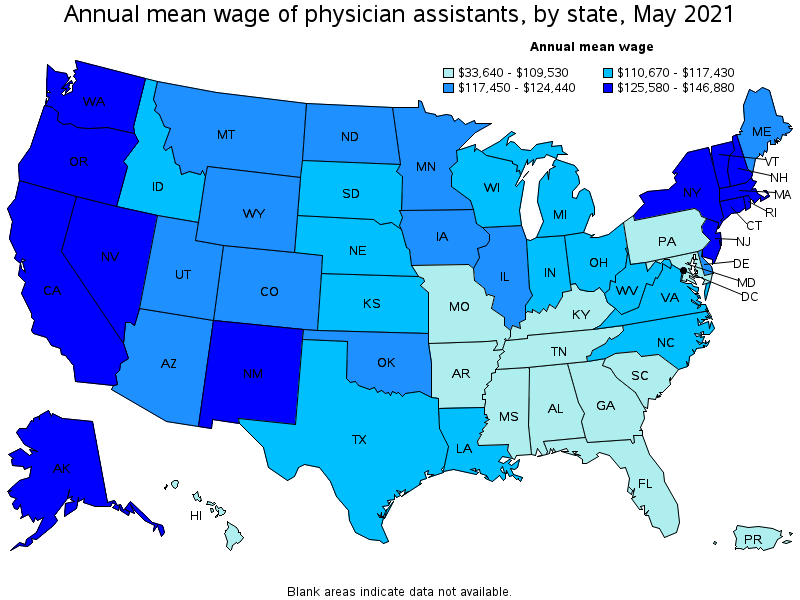
The average salary for a Physician Assistant in Texas is a figure that garners significant attention. While national averages offer a broad perspective, regional variations and specific market demands within Texas significantly shape compensation. These averages are typically derived from extensive data collection, analyzing reported salaries across various practice settings, experience levels, and geographic locations within the state. It is important to note that these figures represent a snapshot in time and are subject to fluctuations based on economic conditions and healthcare industry trends.
Key Salary Averages and Benchmarks
Recent data often indicates that the average annual salary for a Physician Assistant in Texas falls within a particular range. For instance, figures might hover around $105,000 to $115,000 annually. However, this is a generalization, and the actual compensation can vary widely. Entry-level PAs, those fresh out of their accredited PA programs, will likely find themselves at the lower end of the salary spectrum. Conversely, experienced PAs with specialized skills or those in leadership roles can command significantly higher salaries, sometimes exceeding $130,000 or more. Understanding these benchmarks is crucial for salary negotiations and for setting realistic career expectations.
Factors Influencing PA Salaries in Texas
The compensation package for a Physician Assistant in Texas is rarely a one-size-fits-all scenario. Numerous variables contribute to the final salary figure, each playing a role in determining an individual’s earning potential. These factors range from the specific medical specialty a PA chooses to practice in, to the geographic location within Texas, and the type of healthcare facility employing them.
Specialty and Practice Setting
The medical specialty in which a Physician Assistant chooses to practice is one of the most significant determinants of their salary. For example, PAs specializing in high-demand or complex fields such as surgery (orthopedic, cardiothoracic), emergency medicine, dermatology, or critical care often earn more than those in primary care or general medicine. This premium is typically due to the specialized knowledge, advanced skills, and the higher revenue-generating potential associated with these fields.
The practice setting also plays a crucial role. PAs working in large, urban hospital systems in major metropolitan areas like Houston, Dallas, or Austin might see different salary structures compared to those in smaller, rural clinics. For instance, positions within private practices or specialized surgical centers might offer more competitive salaries than those in community health centers or academic medical institutions, although benefits packages can vary greatly.
Specific Medical Specialties and Their Compensation Trends
- Surgical Specialties: PAs in fields like orthopedic surgery, neurosurgery, or cardiothoracic surgery are often among the highest earners. These roles require extensive post-graduate training and involve assisting surgeons in complex procedures, demanding a high level of skill and responsibility.
- Emergency Medicine: The fast-paced environment of the emergency department offers substantial compensation due to the critical nature of the work and the need for rapid, accurate decision-making.
- Dermatology: With the growing demand for aesthetic and medical dermatology services, PAs in this specialty can command competitive salaries, especially in private practices focused on cosmetic procedures.
- Cardiology and Pulmonology: PAs in these subspecialties often work with complex patient populations and advanced medical technologies, contributing to higher earning potential.
- Primary Care: While generally offering lower salaries compared to surgical or subspecialty fields, primary care PAs are essential for managing chronic conditions and providing general healthcare services, making them indispensable members of the healthcare team.
Geographic Location Within Texas
Texas is a vast state, and the cost of living, as well as the demand for healthcare services, varies significantly from one region to another. Consequently, PA salaries can differ substantially between major metropolitan centers and more rural or underserved areas.
Urban vs. Rural Compensation
- Metropolitan Areas: Cities like Houston, Dallas-Fort Worth, San Antonio, and Austin generally offer higher average salaries for PAs. This is attributed to a higher cost of living, a greater concentration of specialized healthcare facilities, and a more competitive job market. The demand for healthcare services in these densely populated areas is often immense, driving up compensation to attract and retain qualified professionals.
- Rural and Underserved Areas: While salaries might be lower on average in rural parts of Texas, there can be incentives offered, such as student loan repayment assistance or housing stipends, to attract PAs to these underserved regions. The need for healthcare providers in these areas is often critical, and the work can be highly rewarding in terms of community impact.
Experience Level
The number of years a Physician Assistant has been practicing is a direct indicator of their experience and, consequently, their earning potential. Entry-level PAs, typically those with 0-2 years of experience, will earn less than mid-career PAs (3-7 years) or senior PAs (8+ years). As PAs gain experience, they develop a deeper understanding of patient care, hone their diagnostic and treatment skills, and may take on more responsibilities, leading to increased compensation.

Salary Progression Over Time
- Entry-Level (0-2 years): PAs in this bracket are still developing their clinical expertise and often work under closer supervision. Their salaries reflect this stage of their career.
- Mid-Career (3-7 years): With several years of experience, PAs have a more solid grasp of their chosen specialty, are more autonomous in their practice, and may begin to mentor newer PAs. Their earning potential increases significantly during this period.
- Senior/Experienced (8+ years): Highly experienced PAs may move into leadership roles, become educators, or develop highly specialized skills that make them invaluable to their employers. They often command the highest salaries and may also receive bonuses or profit-sharing opportunities.
Type of Employer
The entity that employs a Physician Assistant can also influence their salary. Hospitals, private physician groups, academic medical centers, and government facilities may all have different compensation structures.
- Hospital Systems: Large hospital networks often have standardized salary scales and comprehensive benefits packages, including health insurance, retirement plans, and paid time off.
- Private Practices: Physician-owned practices can offer competitive salaries and may have more flexibility in their compensation structures, sometimes including performance-based bonuses.
- Academic Medical Centers: While potentially offering less in direct salary compared to some private settings, academic institutions might provide opportunities for research, teaching, and professional development, which can be valuable career assets.
- Government Facilities: PAs employed by the Veterans Health Administration (VHA) or in public health departments may have different salary scales and benefits governed by federal or state regulations.
Beyond Salary: Total Compensation and Benefits
While the base salary is a primary component of a PA’s earnings, it is crucial to consider the total compensation package, which includes benefits and other perks. These can significantly enhance the overall value of a job offer and impact a PA’s financial well-being.
Health Insurance and Retirement Plans
Comprehensive health insurance coverage, including medical, dental, and vision, is a standard offering for most PA positions. Generous retirement plans, such as 401(k) or 403(b) options with employer matching contributions, can be a significant long-term financial benefit.
Paid Time Off and CME
The amount of paid time off (PTO), including vacation days, sick leave, and holidays, varies by employer. Additionally, many employers offer continuing medical education (CME) allowances, which cover the costs of courses, conferences, and professional development activities necessary for maintaining licensure and advancing one’s career. This support for professional growth is a valuable benefit for PAs.
Malpractice Insurance and Other Perks
Most employers will cover malpractice insurance premiums for their PAs, which is a substantial cost that would otherwise fall on the individual. Other potential benefits might include relocation assistance, sign-on bonuses, productivity incentives, or tuition reimbursement for further education.
Outlook for Physician Assistants in Texas
The demand for healthcare services in Texas is projected to remain strong, driven by a growing population and an aging demographic. This sustained demand bodes well for the future job prospects and earning potential of Physician Assistants. As the healthcare system continues to adapt to new models of care delivery and emphasizes team-based approaches, the role of the PA is becoming increasingly integral.
Job Market Trends and Demand
The Bureau of Labor Statistics projects robust job growth for PAs nationwide, and Texas is expected to mirror this trend. The state’s expanding population, coupled with a physician shortage in certain areas, will likely lead to increased opportunities for PAs across various specialties and geographic locations. The ongoing expansion of services within existing healthcare facilities and the development of new ones will also contribute to a steady need for skilled PAs.

Opportunities for Career Advancement
Beyond direct patient care, PAs in Texas have numerous avenues for career advancement. These include moving into administrative or leadership roles within hospitals or clinics, transitioning into specialized surgical or diagnostic fields, pursuing education and teaching positions at PA programs, or engaging in research. The flexibility and broad scope of practice for PAs allow for diverse and fulfilling career trajectories. As the profession matures and PAs gain more experience, opportunities to influence healthcare policy, lead clinical teams, and drive innovation in patient care will continue to expand.
LifeOutOfTheBox is a participant in the Amazon Services LLC Associates Program, an affiliate advertising program designed to provide a means for sites to earn advertising fees by advertising and linking to Amazon.com. Amazon, the Amazon logo, AmazonSupply, and the AmazonSupply logo are trademarks of Amazon.com, Inc. or its affiliates. As an Amazon Associate we earn affiliate commissions from qualifying purchases.