
The question, “How many windows are in New York City?” is more than a mere trivia tidbit; it’s a thought-provoking inquiry that delves into the very fabric of urban existence. It touches upon the immense scale of human habitation, the architectural diversity that defines its skyline, and the sheer logistical feat of maintaining such a vast metropolis. While an exact, universally agreed-upon number remains elusive, exploring this question offers a fascinating lens through which to appreciate the monumental scale of New York City and its built environment.
The Urban Landscape: A Sea of Glass and Steel
New York City is a composite of five distinct boroughs: Manhattan, Brooklyn, Queens, the Bronx, and Staten Island. Each borough possesses its own unique architectural character, contributing to the city’s overall visual tapestry and, consequently, its window count.

Manhattan: The Skyscraper Symphony
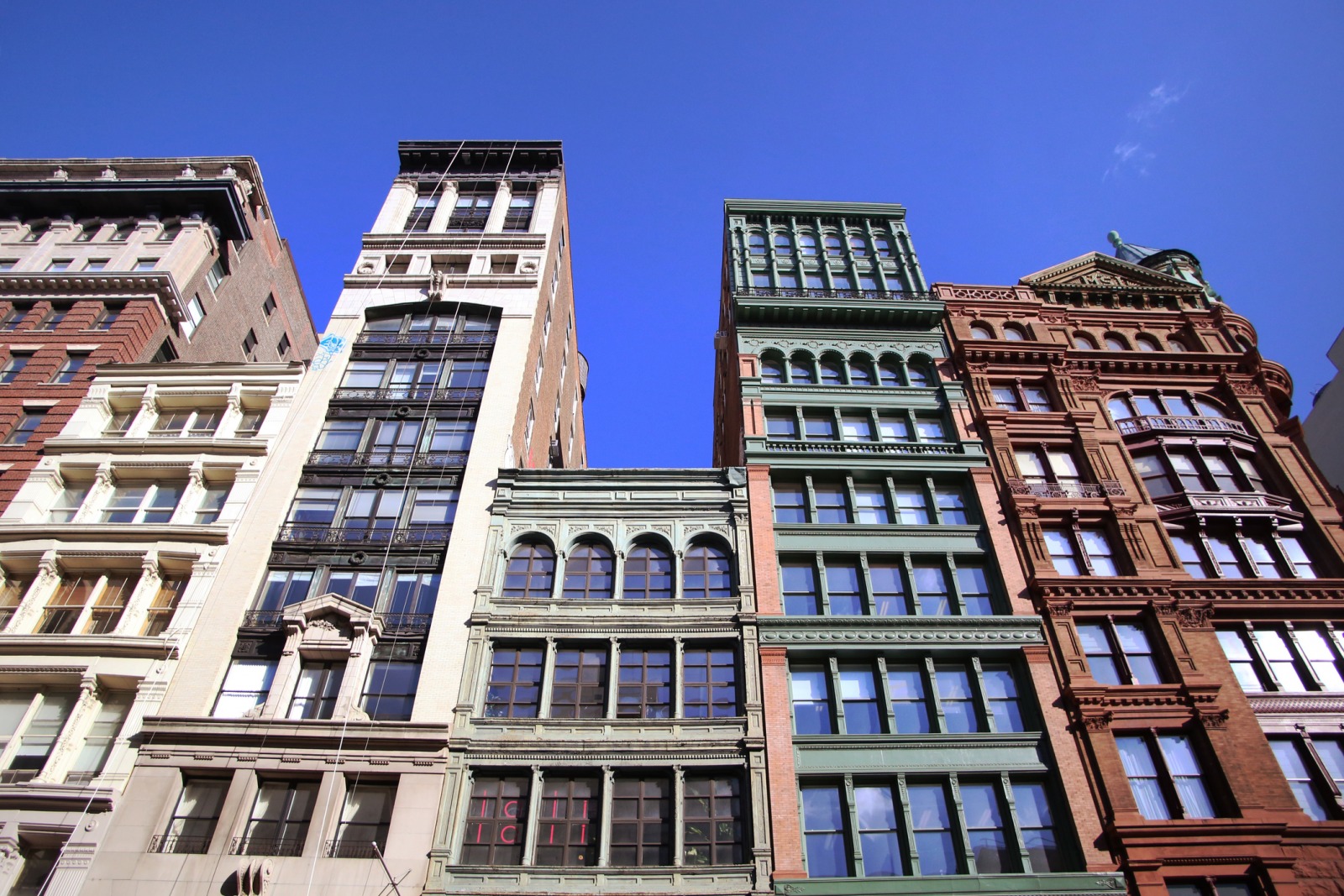
Manhattan, the iconic heart of New York City, is perhaps the most immediate image that comes to mind when contemplating its urban density. Its skyline is a testament to architectural ambition, dominated by towering skyscrapers that scrape the clouds. Buildings like the Empire State Building, the Chrysler Building, and the modern marvels of the Hudson Yards development are not just feats of engineering but also vast collections of windows. A single skyscraper can house tens of thousands of windows, each serving a purpose, from providing natural light to offering breathtaking views of the surrounding cityscape.
The density of commercial and residential buildings in Manhattan is unparalleled. A typical block can be lined with apartment buildings, office towers, hotels, and retail spaces, each contributing significantly to the window tally. Consider the sheer number of residential units in a building like One World Trade Center or the multitude of offices within the Rockefeller Center. Multiplied across thousands of such structures, the number of windows in Manhattan alone would undoubtedly be in the many millions.
The Outer Boroughs: Diversity in Design
While Manhattan often captures the spotlight, the other boroughs are equally critical components of New York City’s window count.
Brooklyn: A Mix of Old and New
Brooklyn boasts a diverse architectural landscape, ranging from historic brownstones with their characteristic bay windows to sprawling apartment complexes and newer developments in areas like DUMBO and Bushwick. The sheer volume of residential buildings in Brooklyn, housing millions of its residents, means its contribution to the city’s window count is substantial. The characteristic rows of townhouses, each with multiple windows per unit, add up quickly.
Queens: Sprawling Suburbs and Urban Centers
Queens is the largest of the five boroughs by land area and population. It features a blend of suburban single-family homes, large apartment buildings, and commercial districts. The extensive residential areas, characterized by numerous homes with individual windows, contribute a vast number to the total. Furthermore, commercial areas like Long Island City have seen significant development, with modern office buildings and residential towers adding to the window tally.
The Bronx and Staten Island: Neighborhood Character
The Bronx and Staten Island offer a different perspective. While they may not have the same concentration of skyscrapers as Manhattan, they are home to countless residential homes, apartment buildings, and smaller commercial establishments, each with its own set of windows. The character of neighborhoods in these boroughs, with their more spread-out housing, still results in a significant aggregate number of windows.
Estimating the Immeasurable: A Calculation of Scale
Given the impossibility of a precise census of every single window pane, any attempt to quantify them involves estimation based on available data and statistical modeling. This approach highlights the immense scale of New York City’s infrastructure.
Data Points for Estimation
Estimates often begin with data from sources like the U.S. Census Bureau, building permits, and property records. Architects and urban planners might utilize averages for window counts per square foot or per building type. For example, a typical residential apartment might have 5-10 windows, while an office floor in a skyscraper could contain hundreds.
The Role of Different Building Types
- Residential Buildings: Apartment complexes, co-ops, condos, and single-family homes form the largest category. The sheer number of housing units in New York City is staggering, with millions of residents. Each unit, regardless of size, contains multiple windows.
- Commercial Buildings: Office towers, retail spaces, restaurants, and other businesses contribute a significant portion. Large office buildings, especially those in the financial district or Midtown Manhattan, can have thousands of windows each.
- Institutional Buildings: Schools, hospitals, government buildings, and cultural institutions like the Metropolitan Museum of Art or the American Museum of Natural History also possess numerous windows.
- Infrastructure: Even non-traditional structures like subway stations, bus depots, and utility buildings have windows, adding to the overall count.
The Challenge of Definition
The definition of a “window” itself can introduce complexities. Does it include skylights? Are French doors with glass panes counted? The precision of the estimate often depends on the parameters set for the calculation.
Beyond the Number: What Windows Represent
The fascination with the number of windows in New York City extends beyond mere curiosity. It serves as a powerful metaphor for various aspects of urban life:
Glimpses into Lives
Each window offers a potential glimpse into the lives of the city’s inhabitants. They frame moments of daily existence, from a person reading by lamplight to a family preparing dinner. They represent private spaces within a vast public realm, offering both seclusion and connection to the outside world.
Light and Air
Fundamentally, windows are about light and air. They are essential elements of habitable spaces, providing natural illumination and ventilation. In a city as densely populated as New York, the ability to harness natural light and fresh air through windows is a crucial aspect of quality of life, even in the most modest of apartments or the highest of office floors.
Architectural Storytelling
The style, size, and arrangement of windows tell a story about the architecture and the era in which buildings were constructed. From the intricate panes of historic brownstones to the vast expanses of glass in contemporary skyscrapers, windows are a key element in a building’s aesthetic and its historical context.
Economic Indicators
The construction and maintenance of windows are significant economic activities. The glass industry, window manufacturing, installation, and cleaning services all contribute to the city’s economy. The sheer number of windows implies a continuous cycle of demand for these services.
Environmental Considerations
Windows play a role in a building’s energy efficiency. Modern windows are designed to insulate, reducing heating and cooling costs. The evolution of window technology reflects a growing awareness of environmental sustainability in urban development. For example, the energy-efficient windows used in the new buildings at the World Trade Center site are a prime example of this.
The Elusive Exact Count
While definitive figures are unavailable, estimations often place the number of windows in New York City in the tens or even hundreds of millions. Some informal estimates have suggested figures upwards of 200 million, but these remain speculative. The continuous cycle of construction, demolition, and renovation means any precise count would be outdated almost as soon as it was compiled.

The Practicality of the Question
The practical impossibility of conducting such a census underscores the scale of New York City. It’s a number that’s less about a precise tally and more about conveying the immensity of the urban organism. It prompts reflection on the collective human endeavor that has shaped this unparalleled metropolis.
In conclusion, while the definitive count of windows in New York City remains an unanswerable question, the inquiry itself serves as a powerful reminder of the city’s unparalleled scale, its diverse architectural heritage, and the myriad of lives lived within its luminous facades. Each pane of glass represents a point of connection between the interior and exterior, a vessel for light, and a silent witness to the ceaseless energy of one of the world’s greatest cities.
LifeOutOfTheBox is a participant in the Amazon Services LLC Associates Program, an affiliate advertising program designed to provide a means for sites to earn advertising fees by advertising and linking to Amazon.com. Amazon, the Amazon logo, AmazonSupply, and the AmazonSupply logo are trademarks of Amazon.com, Inc. or its affiliates. As an Amazon Associate we earn affiliate commissions from qualifying purchases.