
Dispelling the Myth: The Truth About Brown Recluse in the Golden State
For many travelers planning a trip to California, the concern about encountering venomous spiders, particularly the infamous brown recluse, can be a lingering thought. It’s a common misconception, often fueled by media and anecdotal evidence, that these spiders are prevalent across the United States. However, for those visiting the diverse landscapes of California, understanding the true geographic distribution of the brown recluse (Loxosceles reclusa) is key to a worry-free and informed travel experience.
The Elusive Loxosceles reclusa: A Geographic Reality Check
The first and most crucial piece of information for any tourist heading to California is that the true brown recluse spider is not native to the state. Its natural habitat is predominantly found in the Midwest and South Central United States, stretching from Nebraska to Ohio and south through Texas, Oklahoma, and Georgia. This means that while you might hear stories or see pictures online, the likelihood of encountering a brown recluse during your vacation to California is incredibly low, bordering on non-existent in its natural environment.
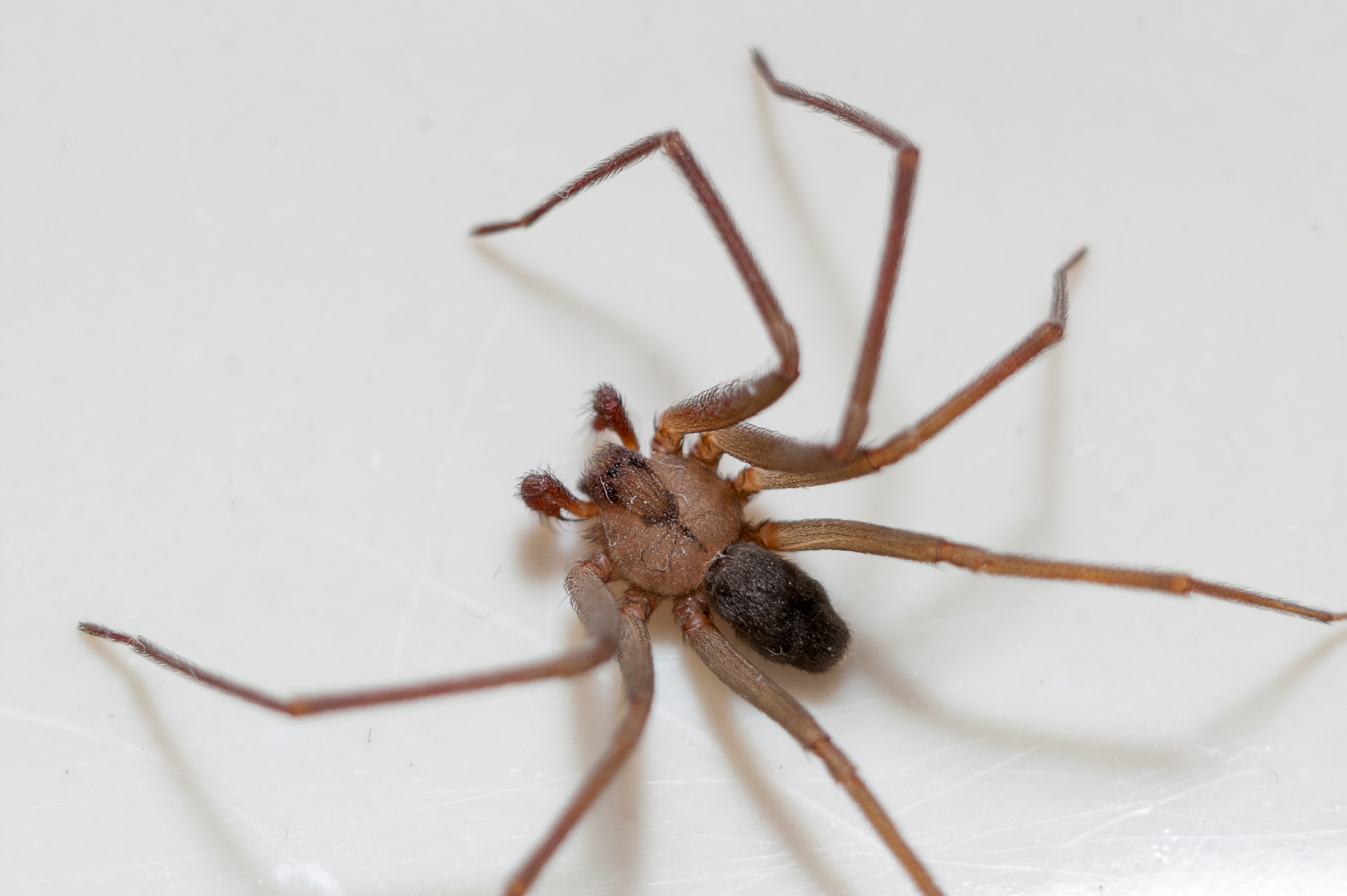
This geographic confinement is due to specific environmental factors that suit the brown recluse. They thrive in particular climates and ecological niches that simply aren’t characteristic of most of California’s diverse regions, which range from coastal to desert, mountainous to valley. For tourists, this fact alone should significantly ease any anxieties about these particular spiders. Focus on enjoying the stunning beaches of San Diego, the majestic forests of Yosemite National Park, or the vibrant city life of Los Angeles without this specific arachnid concern.
Misidentification and Media Hype
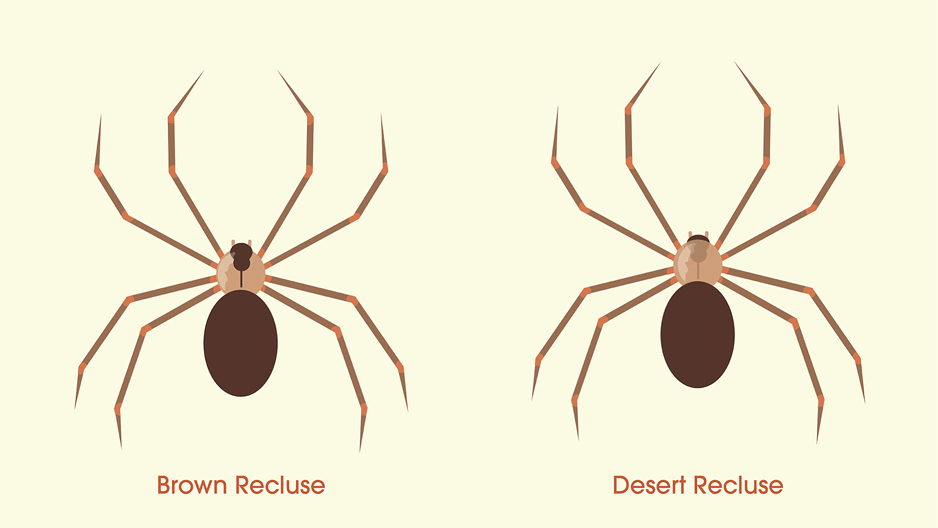
A significant part of the confusion surrounding brown recluse spiders in California stems from frequent misidentification. Many other common spiders, harmless in comparison, are often mistaken for the brown recluse. Spiders such as the desert recluse (Loxosceles deserta), cellar spiders (Pholcus phalangioides), and various wolf spiders (family Lycosidae) share certain visual characteristics that lead to erroneous identification by the general public. For instance, the violin-shaped marking often associated with the brown recluse is not unique to that species and can be faint or absent, even on a true brown recluse. Furthermore, many spiders have brown bodies.
Media sensationalism and online forums also play a role in perpetuating the myth. A rare isolated incident of a “hitchhiker” brown recluse, perhaps transported unwittingly from its native range in furniture or cargo, can quickly escalate into widespread belief that they are established in California. While such rare instances are theoretically possible, they are not indicative of an established population and should not be a primary concern for the average tourist. The focus for travelers should remain on appreciating the unique flora and fauna that are native and truly representative of California’s ecosystems.
Native Californian Recluses: What Tourists Should Know
While the true brown recluse may be absent, California is home to its own native species of Loxosceles spiders, colloquially known as recluse spiders. For tourists, understanding these native species and how they differ from their infamous cousin is crucial for an informed visit. Awareness, not alarm, is the best approach when traveling.
The Desert Recluse (Loxosceles deserta) and Other Loxosceles Species
The most common native recluse spider in California is the desert recluse (Loxosceles deserta). As its name suggests, this spider primarily inhabits the arid and semi-arid regions of the state, particularly in Southern California and the Central Valley. While less widespread than the brown recluse in its native range, the desert recluse does possess venom that can cause necrotic lesions, similar to, though generally less severe than, those caused by the brown recluse.
There are also several other less common native Loxosceles species found in specific, often localized, areas of California. These include species like Loxosceles uncula and Loxosceles rupicola, each with particular habitats. However, encounters with these spiders are relatively infrequent for the average tourist exploring popular attractions and urban centers. The key takeaway for travelers is that while recluse spiders exist in California, they are primarily confined to specific ecological niches, and their bites are rare.
Where to Find Them and How to Avoid Encounters
Recluse spiders, including the desert recluse, are true to their name – they prefer secluded, undisturbed areas. For tourists, this means that most encounters, should they occur, would be in places that haven’t been frequently disturbed. These include:
- Cluttered storage areas: Woodpiles, sheds, undisturbed corners of garages, or rarely accessed closets in vacation rentals.
- Dark, rarely disturbed spaces: Behind furniture, under beds, in unused boxes, or within stored luggage in hotel rooms or rented apartments.
- Outdoors: Under rocks, logs, or debris in natural settings, particularly in desert or rural areas.
To minimize the already low risk of an encounter, especially if staying in a remote cabin or a less-frequently used rental in a desert region, consider these practical tips:
- Shake out clothing and shoes: Before putting them on, especially if left on the floor overnight or stored in a closet.
- Inspect bedding: A quick visual check of sheets and under pillows before getting into bed.
- Be cautious when reaching into dark spaces: If you need to retrieve something from a dark cupboard, an old box, or a woodpile, use a flashlight and wear gloves if possible.
- Keep luggage closed: When not actively unpacking or packing, keep suitcases zipped to prevent any unintended visitors.
- Maintain tidiness: While not always in a tourist’s control, choosing accommodations that appear clean and well-maintained can reduce potential hiding spots.
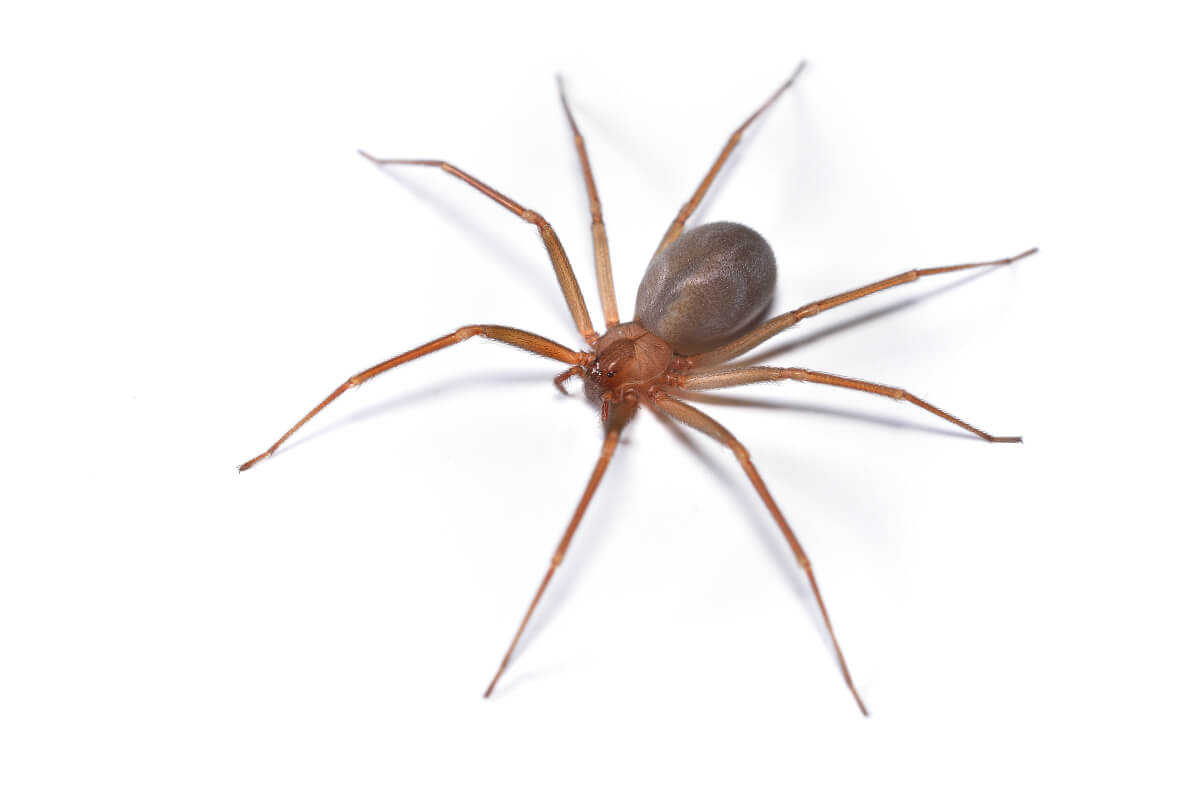
These simple precautions, combined with the understanding of where these spiders prefer to hide, can further enhance your peace of mind while enjoying your California adventure.
Understanding Spider Bites in a Tourist Context
While the presence of brown recluse spiders in California is largely a myth, and native recluse bites are rare, it’s prudent for tourists to understand spider bites in general, as other species do reside in the state. Being informed can prevent unnecessary worry and ensure appropriate action if a bite does occur.
Common California Spiders and Their Bites
Aside from the native Loxosceles species, the most medically significant spider in California is the Black Widow (Latrodectus hesperus). Black Widows are common throughout the state and are easily identifiable by their shiny black body and distinctive red hourglass marking on their underside. Their venom is neurotoxic, causing symptoms like muscle pain, abdominal cramps, and nausea, but bites are rarely fatal, especially for healthy adults. Unlike recluses, Black Widows prefer outdoor, undisturbed areas like woodpiles, sheds, and under outdoor furniture. Tourists should exercise caution when reaching into such areas, especially in campsites or rural accommodations.
Wolf spiders are also common in California. These are large, hairy, fast-moving spiders often seen running across floors. While their bites can be painful and cause localized swelling, they are not considered dangerous to humans. It’s important to remember that most spider bites, regardless of the species, are relatively harmless and often mistaken for other common skin conditions like insect bites, minor infections, or allergic reactions. Self-diagnosis can lead to undue stress and potentially incorrect treatment.
When to Seek Medical Attention While Traveling
Should you suspect a spider bite during your travels, it’s important to monitor the symptoms. The vast majority of spider bites heal on their own with basic first aid (cleaning the area, applying ice, and taking over-the-counter pain relievers). However, there are instances where medical attention is warranted, especially when traveling in an unfamiliar environment:
- Severe pain or spreading redness: If the bite area becomes increasingly painful, red, swollen, or develops a bull’s-eye pattern.
- Signs of infection: Pus, warmth around the bite, or a fever.
- Systemic reactions: Nausea, vomiting, sweating, headache, muscle cramps, or difficulty breathing (more common with black widow bites).
- Lesion development: If a blister forms and appears to be enlarging or becoming necrotic (tissue dying).
If any of these symptoms occur, it is best to seek prompt medical attention. Do not attempt to self-diagnose based on internet searches. Inform local hotel staff or your tour guide, who can direct you to the nearest medical clinic or urgent care facility. Many tourist destinations in California have excellent healthcare infrastructure, ensuring that help is readily available if needed. Early diagnosis by a medical professional is crucial, as they can properly identify the cause of the lesion (which may not even be a spider bite) and prescribe appropriate treatment.
Ensuring a Worry-Free California Experience
Ultimately, the goal for any tourist in California is to have a safe, enjoyable, and memorable trip. While being informed about potential natural encounters is part of responsible travel, the concern over brown recluse spiders should not overshadow the myriad wonders the state offers.
Practical Prevention Tips for Visitors
Revisiting some simple, practical tips can further ensure peace of mind:
- In your accommodation: Keep suitcases closed when not in use. Before settling in, give a quick check under beds, behind curtains, and in any dark corners if you are particularly concerned. Most reputable hotels and vacation rentals maintain high standards of cleanliness, significantly reducing such concerns.
- Outdoor activities: If you plan on hiking, camping, or engaging in activities in more natural or undisturbed areas, especially in the desert regions, consider wearing appropriate clothing like long sleeves and pants. When reaching into woodpiles, clearing brush, or moving rocks, wear gloves.
- General awareness: Be mindful of your surroundings, especially when exploring less-trafficked areas, but avoid obsessive searching. Common sense and basic hygiene go a long way.
These general precautions are beneficial for preventing encounters with any household or outdoor pests, not just spiders, and contribute to an overall comfortable travel experience.
The Broader California Experience
It’s important to reiterate that serious spider encounters for tourists in California are exceedingly rare. The absence of the true brown recluse spider and the generally recluse nature of native Loxosceles species mean that most visitors will never encounter one, let alone be bitten.
Instead of focusing on this minimal concern, travelers should immerse themselves in the unparalleled beauty and diverse offerings of California. Explore the dramatic cliffs of Big Sur, sip wine in Napa Valley, hike among the giant sequoias in Sequoia National Park, or experience the vibrant arts scene in San Francisco. From world-class dining to iconic landmarks and breathtaking natural wonders, California offers an abundance of experiences. Knowing the facts about its arachnid inhabitants allows you to fully appreciate these attractions with confidence and without undue apprehension, ensuring your trip is filled with positive memories.
LifeOutOfTheBox is a participant in the Amazon Services LLC Associates Program, an affiliate advertising program designed to provide a means for sites to earn advertising fees by advertising and linking to Amazon.com. Amazon, the Amazon logo, AmazonSupply, and the AmazonSupply logo are trademarks of Amazon.com, Inc. or its affiliates. As an Amazon Associate we earn affiliate commissions from qualifying purchases.