
Understanding property taxes is a crucial aspect of navigating the real estate landscape in New York. Whether you are a prospective homeowner, a seasoned investor, or simply curious about the financial underpinnings of this vibrant state, grasping the nuances of property taxation is paramount. This guide delves into the factors that influence property tax rates, average costs, and strategies for managing these essential levies.
The Anatomy of New York Property Taxes
Property taxes in New York are not a uniform statewide rate. Instead, they are levied at the local level, meaning the specific amount you pay is determined by the municipality in which your property is located. This localized approach leads to significant variations across the state, from the bustling streets of New York City to the serene hamlets of upstate.

Key Components of Property Tax Assessment
The calculation of property taxes typically involves two primary components: the assessed value of your property and the local tax rate.
Property Assessment: Determining Your Property’s Value
The first step in calculating your property tax bill is the assessment of your property’s value. This is done by a local assessor’s office. The assessed value is usually a percentage of the property’s market value, though this percentage can vary significantly by municipality. Some areas assess at 100% of market value, while others may use a fractional assessment system.
- Market Value: This is the price a willing buyer would pay for your property on the open market.
- Assessed Value: This is the value assigned to your property by the local tax assessor for taxation purposes. It is derived from the market value.
- Homestead Exemption: Many jurisdictions offer exemptions for primary residences, which can reduce the assessed value and, consequently, the tax burden. In New York, various exemptions exist, such as the School Tax Relief (STAR) program, which offers significant savings for eligible homeowners.
The Tax Rate: Millage Rates and Budgets
Once your property is assessed, it is subject to the local tax rate, often expressed as a “millage rate.” A mill is one-tenth of a cent, or $0.001. The millage rate represents the dollar amount of tax per $1,000 of assessed property value. For example, if a municipality has a millage rate of 20 mills and your property has an assessed value of $100,000, your annual property tax would be $2,000 (20 mills * $100,000 / 1000).
The tax rate itself is determined by the budgets of local taxing authorities, which include:
- School Districts: Education is a significant driver of property taxes in New York. The funding needs of local school districts are a primary component of the overall tax rate.
- Municipal Governments: This includes cities, towns, and villages, each with its own operating expenses, services, and capital projects that require funding.
- Counties: County governments also levy taxes to fund regional services and administration.
The interplay between these various taxing entities dictates the final millage rate applied to your property.
Average Property Taxes Across New York
Given the localized nature of property taxation, pinpointing a single average for the entire state is challenging. However, by examining data from different regions, we can gain a clearer understanding of the typical property tax burden.
Regional Variations: From City to Suburb to Rural
New York’s diverse geography and economic landscape contribute to vast differences in property tax rates.
New York City: A Unique Tax Structure
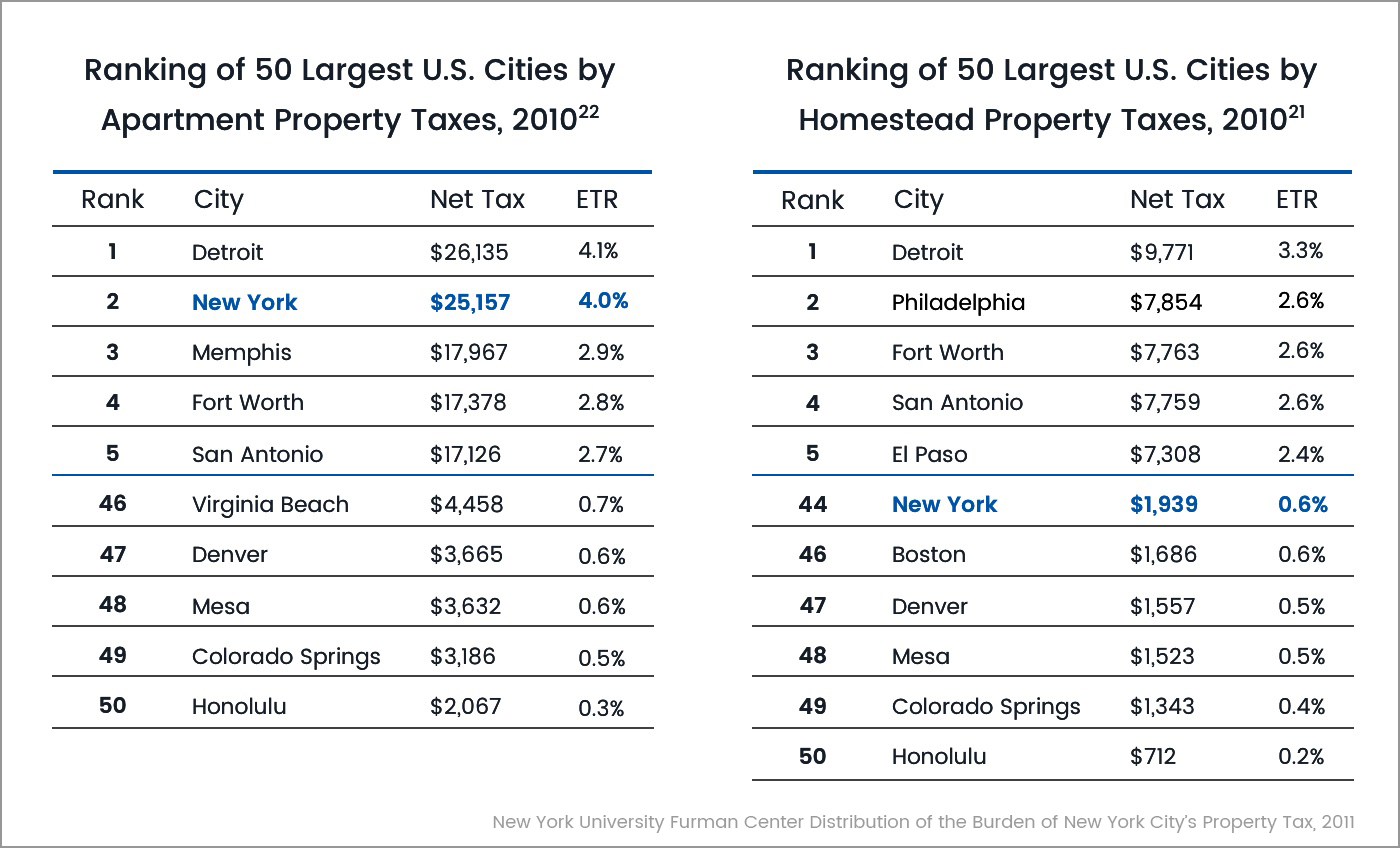
New York City operates under a distinct property tax system. While it has the highest property values in the state, its tax rates are generally lower than many suburban and rural areas. This is due to the city’s extensive tax base and its ability to generate revenue from a multitude of sources. The city classifies properties into four categories: Class 1 (one- to three-family homes), Class 2 (other residential properties), Class 3 (utility corporations), and Class 4 (commercial and industrial properties). Each class has its own set of tax rates. The effective tax rate in New York City is often significantly lower than the nominal rate due to abatements and exemptions, particularly for co-ops and condos.
Suburban Counties: The Highest Burdens
Many suburban counties surrounding New York City, such as Westchester, Nassau, and Suffolk, consistently rank among those with the highest property taxes in the nation. This is largely driven by robust school district funding and a strong demand for public services. Homeowners in these areas often find themselves paying substantial amounts in property taxes, even on moderately priced homes.
Upstate New York: A Mixed Bag
Upstate New York presents a more varied picture. Some areas, particularly those with strong economies and well-funded school systems, can still have significant property tax rates. However, many rural and less economically developed regions may offer lower property taxes. This can make homeownership more affordable in these areas, though it’s essential to consider the availability of services and infrastructure. For instance, areas around Albany or Buffalo will have different tax structures than more remote parts of the Adirondacks or the Catskills.
Understanding Effective Tax Rates
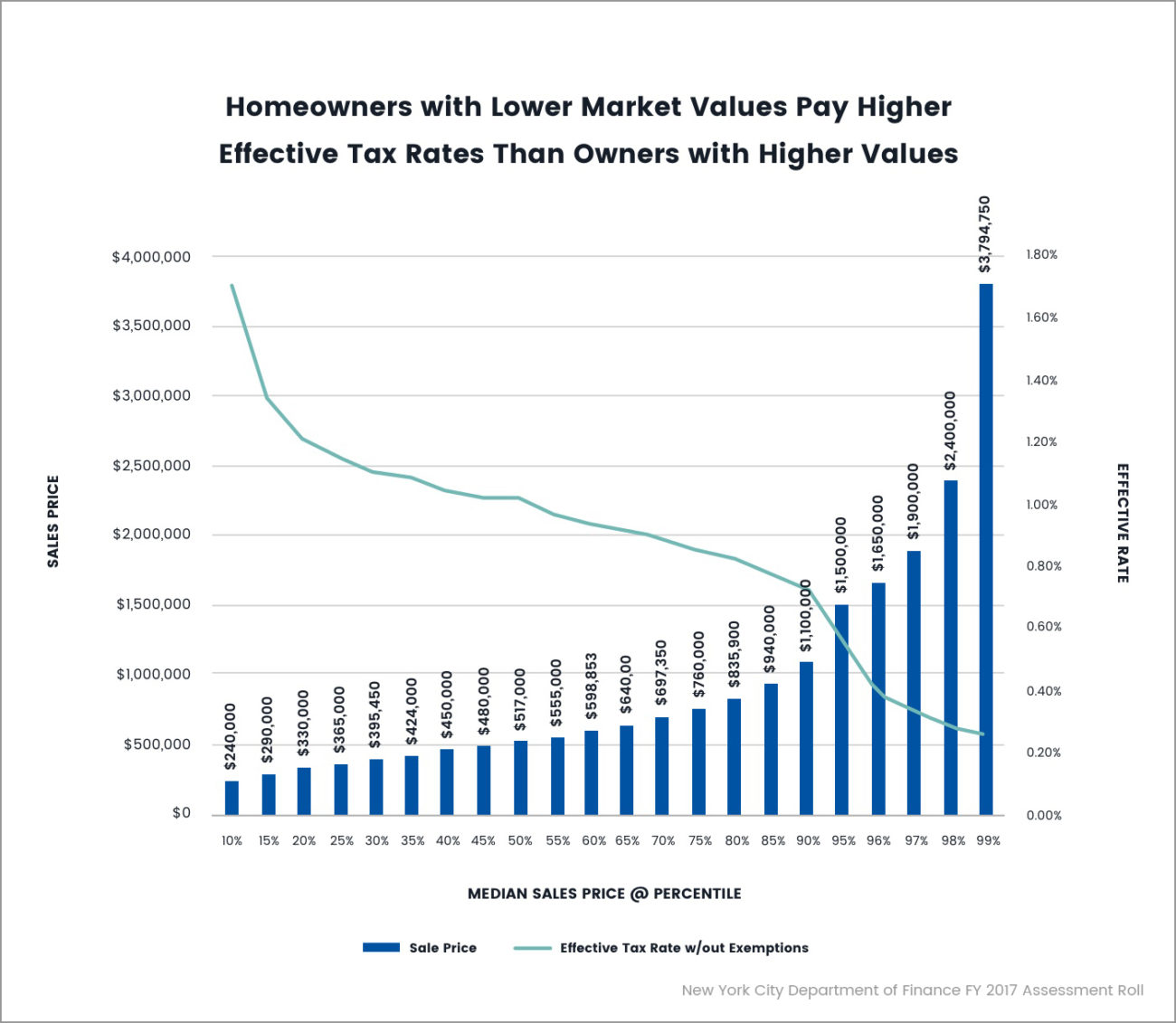
When comparing property taxes, it’s more insightful to look at the “effective tax rate.” This is calculated by dividing the annual property tax paid by the property’s market value. It provides a standardized way to compare tax burdens across different municipalities, even if their assessment practices vary. For example, a municipality with a high nominal tax rate but a low assessment percentage might have a lower effective tax rate than one with a lower nominal rate but a higher assessment percentage.
Factors Influencing Property Tax Rates
Several critical factors contribute to the variation in property tax rates across New York State. Understanding these elements can help potential buyers and homeowners better anticipate their tax obligations.
School District Funding
As mentioned, education is a primary driver of property taxes in New York. The quality of a school district, the number of students, the salaries of teachers and staff, and the infrastructure needs of the schools all contribute to the budget that must be funded by property taxes. Communities that prioritize highly-ranked school systems often have higher property tax rates.
Local Government Spending and Services
The scope and cost of local government services play a significant role. This includes funding for police and fire departments, public works, parks and recreation, libraries, and administrative overhead. Municipalities that offer a wider array of services or have higher operational costs will generally have higher tax rates.
Property Values and Tax Base
A municipality with a high overall property value and a broad tax base (meaning a mix of residential, commercial, and industrial properties) can potentially spread the tax burden more thinly. Conversely, areas with lower property values or a heavy reliance on residential properties may see higher tax rates as the burden falls on fewer taxpayers.
State and Federal Aid
The amount of state and federal aid a municipality receives can also impact local property taxes. Reductions in state aid may necessitate an increase in property taxes to maintain existing service levels.
Property Tax Exemptions and Abatements
New York offers various property tax exemptions, most notably the STAR program. These exemptions can significantly reduce the tax liability for eligible homeowners, particularly those with lower incomes or who are seniors. Property tax abatements, often offered for new construction or significant renovations, can also temporarily lower tax bills.
Strategies for Managing Property Taxes
While property taxes are a mandatory expense, homeowners can employ several strategies to manage their tax burden.
Maximizing Exemptions and Credits
- STAR Program: Ensure you are taking full advantage of the School Tax Relief (STAR) program. There are two types of STAR: the STAR credit, which provides a direct check to homeowners, and the STAR exemption, which reduces your school tax bill upfront. Eligibility and benefit amounts depend on your income and location.
- Senior Citizen and Disability Exemptions: Many municipalities offer additional exemptions for seniors or individuals with disabilities who meet specific income and residency requirements.
- Veteran Exemptions: Eligible veterans may also qualify for property tax exemptions.
Appealing Your Property Assessment
If you believe your property has been over-assessed relative to its market value or comparable properties in your area, you have the right to appeal your assessment. This process typically involves filing a grievance with your local assessor’s office. If the grievance is denied, you can further appeal to the New York State Office of Real Property Tax Services or even pursue legal action. A successful appeal can lead to a lower assessed value and, consequently, a lower property tax bill.
Understanding Your Tax Bill
Take the time to thoroughly review your property tax bill when it arrives. Ensure that all exemptions you are entitled to are applied correctly and that the assessed value accurately reflects your property’s worth. If you have questions, contact your local assessor’s office.
Budgeting for Property Taxes
For homeowners, it is essential to factor property taxes into your annual budget. Many mortgage lenders escrow property taxes, collecting a portion each month with your mortgage payment and remitting it to the taxing authorities on your behalf. If you are not escrowing, ensure you set aside funds throughout the year to meet your tax obligations.
The Future of Property Taxes in New York
The debate surrounding property taxes in New York is ongoing. Many residents express concerns about the high tax burden, particularly in comparison to other states. This has led to discussions about potential reforms, including:
- Fairer Assessment Practices: Efforts to ensure more uniform and equitable property assessments across the state.
- Alternative Revenue Sources: Exploring ways to diversify local government revenue beyond property taxes.
- School Funding Reform: Re-evaluating how school districts are funded to potentially reduce reliance on local property taxes.
While significant changes may be slow to materialize, staying informed about these discussions and potential legislative actions is beneficial for all New York property owners. Navigating the property tax landscape in New York requires a keen understanding of local variables and a proactive approach to managing your tax obligations. By grasping the fundamentals of property assessment, tax rates, and available exemptions, you can better position yourself to manage this significant aspect of property ownership in the Empire State.
LifeOutOfTheBox is a participant in the Amazon Services LLC Associates Program, an affiliate advertising program designed to provide a means for sites to earn advertising fees by advertising and linking to Amazon.com. Amazon, the Amazon logo, AmazonSupply, and the AmazonSupply logo are trademarks of Amazon.com, Inc. or its affiliates. As an Amazon Associate we earn affiliate commissions from qualifying purchases.