
When it comes to protecting your home in California, peace of mind is paramount. While standard homeowners insurance covers a wide array of potential damages, from fire and theft to certain natural disasters, there’s a unique concern that many California residents face: the potential for wildlife, particularly possums, to cause damage to their property. Understanding how homeowners insurance policies address such specific issues is crucial. This article delves into the nuances of homeowners insurance in California and explores the availability and specifics of policies that may offer coverage for damage caused by animals, with a focus on possums.
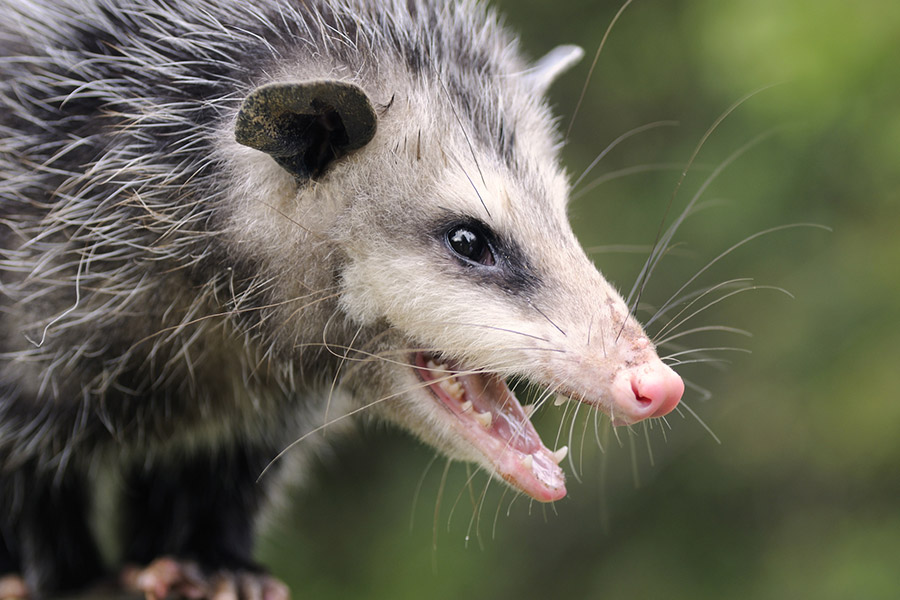
Understanding Standard Homeowners Insurance Coverage in California
Homeowners insurance policies are designed to protect against a range of perils. In California, the standard “all-risk” or “named-perils” policies typically include coverage for dwelling, other structures, personal property, loss of use, and liability. However, the specifics of what is covered and what is excluded can vary significantly between insurers and individual plans.
Dwelling and Other Structures Coverage
This part of your policy covers the physical structure of your home, including the main dwelling, detached garages, sheds, and fences. If a possum were to damage the roof, chew through electrical wiring within the walls, or gnaw on structural supports, this coverage might come into play, provided that the damage is a direct result of a covered peril and not an exclusion.
Personal Property Coverage
This covers your belongings inside the home, such as furniture, electronics, and clothing. If a possum were to infest an area and damage your possessions through nesting or excrement, this coverage could potentially apply.
Loss of Use Coverage
Also known as “additional living expenses,” this coverage helps pay for the costs of living elsewhere if your home becomes uninhabitable due to a covered loss. For instance, if possum damage necessitates extensive repairs that make your home unlivable, this coverage would be vital.
Liability Coverage
This protects you if someone is injured on your property and decides to sue you. While less directly related to possum damage to your home, it’s a critical component of any homeowners policy.
Specific Exclusions and the Role of “Possession” in Policies
A critical aspect to understand with any homeowners insurance policy, including those in California, is the concept of exclusions. Most standard policies will explicitly exclude damage caused by:
- Animals or Pests: This is the most common exclusion. Policies often state that damage caused by, or resulting from, rodents, insects, birds, or other animals is not covered. This is where the distinction between a “pest” and a “wildlife encounter” can become blurred, and where the specific wording of your policy becomes incredibly important.
- Wear and Tear: Gradual deterioration of property is generally not covered.
- Mold and Fungus: While some policies may offer limited coverage for mold resulting from a covered peril, mold that develops due to an ongoing issue like an animal infestation is typically excluded.
The term “possum” itself isn’t usually listed explicitly as an excluded animal. Instead, policies often use broader categories like “vermin,” “rodents,” or “animals” to encompass a wide range of wildlife. The key factor is whether the insurance company views the possum as a “pest” whose activity is an ongoing maintenance issue, or as a cause of damage resulting from an unforeseen event.

The “Sudden and Accidental” Clause
Many insurance policies operate under the principle of covering damage that is “sudden and accidental.” If a possum chews through a specific wire causing a sudden electrical fire, the fire might be covered, even if the underlying cause was the animal. However, if a possum is found to have been nesting in your attic for months, causing gradual damage through its droppings and chewing, that gradual damage is far less likely to be covered.
Are There Specific “Possum Policy Companies” in California?
It is highly unlikely to find insurance companies in California that offer a policy specifically branded as a “possum policy.” Instead, the coverage for animal-related damage, including that caused by possums, falls under the umbrella of how the broader homeowners insurance policies are written and interpreted.
The availability and specifics of coverage for animal damage depend on several factors:
- The Insurance Carrier: Different companies have varying risk appetites and different interpretations of policy language. Some carriers might be more lenient in their assessment of animal-related damage than others.
- The Policy Wording: As mentioned, the exact language used in the policy’s exclusions section is paramount. Some policies might have more restrictive exclusions regarding animals than others.
- The Nature of the Damage: Was the damage sudden and accidental (e.g., a possum falling through a ceiling)? Or was it gradual and due to neglect or poor maintenance (e.g., a long-term infestation)?
- Endorsements or Riders: In some rare cases, an insurer might offer an endorsement or rider to a standard policy that provides limited coverage for specific types of animal damage. However, these are uncommon and usually come with strict limitations and higher premiums.
Navigating the Insurance Landscape
When seeking homeowners insurance in California, particularly if you are in an area known for wildlife, it is advisable to:
- Read Your Policy Carefully: Do not rely on summaries. Scrutinize the “Exclusions” section of any policy you are considering.
- Ask Direct Questions: When speaking with an insurance agent or representative, ask specific questions about animal damage. For example: “Does my policy cover damage caused by possums?” or “What are the specific exclusions related to wildlife?”
- Seek Clarification in Writing: If an agent gives you an assurance about coverage, ask for that assurance in writing. This could be in an email or a formal addendum to your policy.
- Consider Different Insurers: Some insurers may be more amenable to covering certain types of damage than others. It’s worth comparing quotes and policy details from multiple reputable companies.
- Focus on Prevention: While insurance is a safety net, the best approach is prevention. Implementing measures to deter possums from your property (e.g., secure trash cans, trim overhanging branches, seal entry points) can prevent damage from occurring in the first place.
What to Do If You Experience Possum-Related Damage
If you discover damage to your home that you suspect is due to a possum, the first step is to contact your insurance company immediately. Be prepared to provide:
- A Detailed Description of the Damage: Document the location, extent, and nature of the damage with photographs and videos.
- Evidence of the Animal: If possible, provide evidence that a possum was indeed the cause, such as droppings, nesting materials, or signs of gnawing.
- Your Account of Events: Explain when you first noticed the damage and any circumstances that might suggest a sudden or accidental event.
Your insurer will likely send an adjuster to assess the damage. The adjuster will review your policy and the evidence to determine if the damage is covered. Be prepared for the possibility that the claim may be denied, especially if the damage is deemed to be gradual or falls under a standard animal exclusion.
The Role of Pest Control Services
In cases where possum damage is suspected or confirmed, you may need to enlist the services of professional pest control or wildlife removal experts. Companies like Orkin, Terminix, or local wildlife management services can help identify the extent of the infestation, safely remove the animals, and often provide recommendations for preventing future issues. While the cost of these services might not be directly covered by your homeowners insurance, preventing further damage is essential, and understanding the cause can be crucial for any insurance claim.

Conclusion: Proactive Planning for Home Protection
While there isn’t a standalone “possum policy” available in California, understanding the intricacies of standard homeowners insurance is key to addressing potential damage from wildlife. The coverage hinges on the specific wording of your policy, the nature of the damage, and the insurer’s interpretation of events. By carefully reviewing your policy, asking targeted questions, and prioritizing preventative measures, homeowners can better navigate the complexities of protecting their property from unexpected, and sometimes furry, intruders. It is always recommended to consult with a qualified insurance professional to ensure you have the most appropriate coverage for your needs in California.
LifeOutOfTheBox is a participant in the Amazon Services LLC Associates Program, an affiliate advertising program designed to provide a means for sites to earn advertising fees by advertising and linking to Amazon.com. Amazon, the Amazon logo, AmazonSupply, and the AmazonSupply logo are trademarks of Amazon.com, Inc. or its affiliates. As an Amazon Associate we earn affiliate commissions from qualifying purchases.