
The allure of New York City as a global hub for finance, culture, and indeed, law, often sparks curiosity about the earning potential within its demanding legal profession. Understanding the compensation landscape for lawyers in the Empire State requires a nuanced exploration, moving beyond simple averages to dissect the myriad factors that influence salaries. From the prestigious corridors of Wall Street to the specialized boutiques in Greenwich Village, the financial rewards for legal professionals in New York are as diverse as the city itself.
The Landscape of Legal Compensation in New York
The legal profession in New York is characterized by its competitiveness and the significant earning potential it offers to those who excel. However, this potential is not uniformly distributed. A lawyer’s salary is a complex equation, heavily influenced by a multitude of variables, including the size and type of firm, practice area, years of experience, individual performance, and even the specific borough in which they practice.

Firm Size and Prestige
One of the most significant determinants of a lawyer’s salary is the type and prestige of the firm they join.
Big Law and Am Law 100 Firms
The highest earners are typically found in “Big Law” firms, often designated as Am Law 100 firms, which are the largest and most profitable in the United States. These firms, with their extensive resources, international reach, and high-stakes clientele, set the benchmark for compensation. Entry-level associates in these firms in New York can expect starting salaries that are among the highest in the country, often exceeding $200,000 annually. As these associates progress, their compensation can rapidly escalate, with senior associates and partners earning significantly more, potentially reaching well into the seven figures. The demand for legal services in areas like corporate law, mergers and acquisitions, intellectual property, and complex litigation within these firms drives these high compensation packages.
Mid-Sized and Boutique Firms
While “Big Law” commands the highest salaries, mid-sized and boutique firms also offer competitive compensation, albeit generally at a lower tier. These firms often specialize in specific practice areas, such as real estate law, family law, or smaller-scale corporate transactions. Salaries in these firms are typically more varied, reflecting the firm’s client base and the specific niche it occupies. An experienced associate at a reputable mid-sized firm might earn between $150,000 and $250,000, with partners seeing further increases. Boutique firms, while smaller, can offer substantial compensation if they have a highly specialized and in-demand practice.
Public Interest and Government Positions
The public sector and public interest organizations, while vital to the legal ecosystem, generally offer lower salaries compared to private practice. Lawyers working for government agencies, district attorneys’ offices, or non-profit legal aid societies in New York might start in the range of $60,000 to $90,000. While the financial rewards are less, these positions offer invaluable experience, a strong sense of purpose, and a different kind of professional fulfillment. Senior roles in government and public interest law can see salaries rise, but they rarely match the peak earnings in private practice.
The Influence of Practice Area
The specific field of law a lawyer practices significantly impacts their earning potential in New York. Certain practice areas are inherently more lucrative due to the high stakes involved, the complexity of the work, and the clients they serve.
High-Earning Practice Areas
- Corporate Law and Mergers & Acquisitions (M&A): Lawyers handling major corporate deals, initial public offerings (IPOs), and complex M&A transactions for large public companies are in high demand. The significant financial implications of these deals justify substantial legal fees, translating into high salaries for the lawyers involved.
- Intellectual Property (IP) Law: With New York being a hub for innovation and creative industries, IP lawyers specializing in patent prosecution, trademark registration, and copyright enforcement are highly valued. Protecting valuable assets for tech companies, pharmaceutical firms, and media conglomerates commands significant compensation.
- Litigation (Commercial and White-Collar Defense): High-stakes commercial litigation and white-collar criminal defense cases involve substantial financial stakes and complex legal strategies. Lawyers who can successfully navigate these challenging environments, representing major corporations or high-profile individuals, often command top dollar.
- Finance and Securities Law: Given New York’s status as a global financial center, lawyers specializing in finance, securities regulation, and investment banking are in perpetual demand. They advise on complex financial instruments, regulatory compliance, and high-value transactions.
Mid-Range and Specialized Areas
- Real Estate Law: New York’s dynamic real estate market creates a consistent demand for skilled real estate attorneys. While not always reaching the peak salaries of corporate law, experienced real estate lawyers can earn very comfortable livings, particularly those handling large commercial transactions.
- Employment Law: Advising businesses on compliance, handling disputes, and representing individuals in employment-related matters is a critical area. Compensation varies widely depending on whether the lawyer represents management or employees, and the complexity of the cases.
- Tax Law: Navigating the intricate tax codes for corporations and high-net-worth individuals is a specialized skill that is well-compensated.

Lower-Earning, But Essential, Areas
- Family Law: While emotionally charged and complex, family law practitioners may not command the same top-tier salaries as corporate lawyers. However, successful solo practitioners and partners in family law firms can achieve substantial incomes.
- Immigration Law: With a diverse population and complex immigration policies, immigration lawyers play a crucial role. Salaries in this field are often more modest compared to other areas, though expertise and a strong client base can lead to significant earnings.
Experience and Career Progression
The adage “experience is the best teacher” holds particularly true in the legal profession, especially in a competitive market like New York. A lawyer’s salary is directly correlated with their years of practice and demonstrated expertise.
Junior Associates and Entry-Level Positions
For recent law school graduates and those in their first few years of practice (typically 0-3 years), salaries are entry-level but still substantial, especially in larger firms. As mentioned, these can start at $200,000+ in “Big Law.” The focus at this stage is on learning, absorbing practical legal skills, and building a foundational understanding of their chosen practice area.
Mid-Level Associates
As lawyers gain experience (typically 3-7 years), their responsibilities increase, and so does their compensation. Mid-level associates are expected to handle more complex assignments, manage junior attorneys, and begin developing client relationships. Salaries in this bracket see noticeable increases, reflecting their growing value to the firm.
Senior Associates and Counsel
With 7-10+ years of experience, lawyers move into senior associate or counsel roles. They are often tasked with managing entire cases or significant portions of large transactions, providing strategic advice, and mentoring junior colleagues. Their compensation reflects a higher level of autonomy and expertise.
Partners and Equity Holders
The pinnacle of private practice compensation is partnership. Equity partners in New York law firms are owners of the firm and share in its profits. Their income is directly tied to the firm’s success, their own billable hours, their ability to attract and retain clients, and their contribution to the firm’s business development. Equity partner compensation can range from hundreds of thousands to many millions of dollars annually, with top partners in major New York firms earning exceptionally high incomes. Non-equity partners, while having the title, do not share directly in the firm’s profits in the same way but still command significant salaries.
Geographic Location and Cost of Living
While the entire city of New York is known for its high cost of living, minor variations in compensation can exist across its boroughs, though this is often less significant than firm and practice area differences for lawyers.
Manhattan vs. Outer Boroughs
Law firms headquartered in Manhattan, particularly in the Financial District and Midtown, are often associated with the highest compensation scales, especially for large corporate firms. This is due to the concentration of major corporations, financial institutions, and the prestige associated with practicing in these prime locations. However, lawyers in firms located in other boroughs like Brooklyn or Queens might see slightly lower base salaries, though highly specialized boutiques or firms serving specific local communities can still offer very competitive earnings. It’s important to remember that the cost of living in all New York boroughs is exceptionally high, meaning that even seemingly high salaries are often consumed by expenses like housing, transportation, and taxes.
The New York Premium
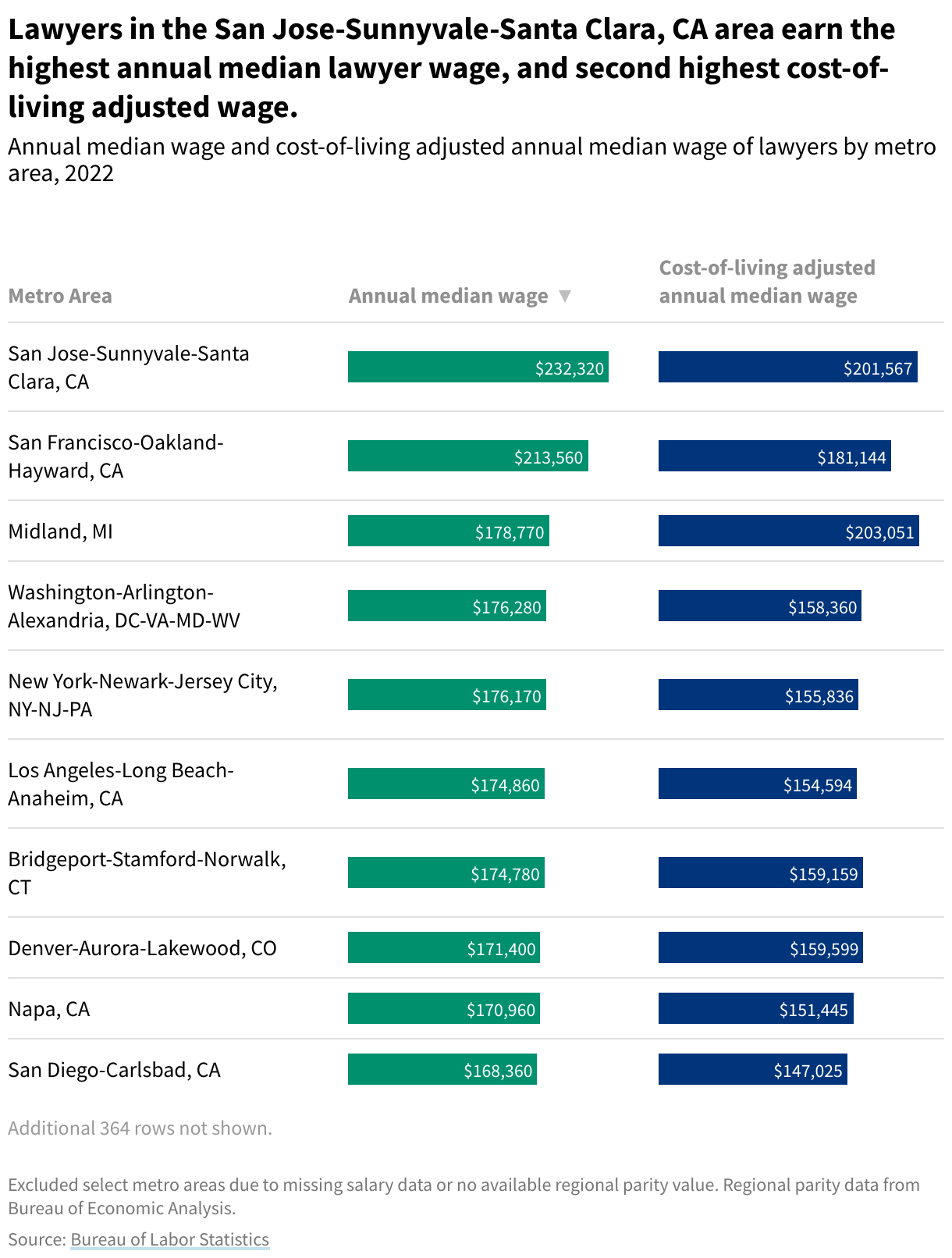
Overall, lawyers in New York generally earn more than their counterparts in many other cities across the country. This is a direct reflection of the city’s status as a major economic and legal center, the concentration of high-paying industries, and the fierce competition for legal talent. This “New York premium” is a recognized factor in compensation discussions, acknowledging the demands and opportunities of practicing law in one of the world’s most dynamic metropolises.
In conclusion, the question of “How Much Do Lawyers In New York Make?” yields a wide spectrum of answers. While headline-grabbing figures from “Big Law” partners paint a picture of immense wealth, the reality for many lawyers involves a more moderate, though still substantial, income. The key to understanding this compensation puzzle lies in examining the interplay of firm size, practice area specialization, years of experience, and the unique economic ecosystem of New York. For those aspiring to a legal career in the city, a clear understanding of these factors is paramount to setting realistic expectations and charting a successful path.
LifeOutOfTheBox is a participant in the Amazon Services LLC Associates Program, an affiliate advertising program designed to provide a means for sites to earn advertising fees by advertising and linking to Amazon.com. Amazon, the Amazon logo, AmazonSupply, and the AmazonSupply logo are trademarks of Amazon.com, Inc. or its affiliates. As an Amazon Associate we earn affiliate commissions from qualifying purchases.