
The question of how much an Uber driver makes in New York is complex, with earnings fluctuating based on a multitude of factors. It’s not a simple hourly wage, but rather a dynamic income stream influenced by the driver’s hours, strategy, expenses, and the ever-changing demands of the city. For those considering a career on the road in the bustling metropolis, understanding these variables is crucial to setting realistic expectations and maximizing earning potential.
The Anatomy of Uber Driver Earnings in New York
An Uber driver’s take-home pay isn’t just the sum of fares collected. It’s a calculation that starts with gross earnings and then subtracts various expenses and fees. The primary components of gross earnings include:

- Base Fares: A fixed amount for each trip, calculated from a base rate, time, and distance.
- Prime Time: During periods of high demand (e.g., rush hour, bad weather, major events), Uber applies a surge multiplier, significantly increasing the fare.
- Boost Zones: These are specific areas and times where Uber offers incentives for drivers to be present, guaranteeing a minimum earning per trip or a multiplier on fares.
- Quests and Promotions: Uber frequently offers weekly or daily bonuses for completing a certain number of trips or driving during specific hours, encouraging drivers to stay active.
- Tips: While not guaranteed, tips from passengers can significantly boost a driver’s income. Passengers can tip through the app or in cash.
However, these gross earnings are then reduced by:
- Uber’s Commission: Uber takes a percentage of each fare, which can vary but typically ranges from 20% to 30%.
- Vehicle Expenses: This is arguably the largest deduction. It includes fuel, maintenance (oil changes, tires, brakes), insurance, registration, tolls, and parking fees, which are particularly high in New York City.
- Depreciation: The wear and tear on the vehicle reduces its resale value over time, an often-overlooked cost.
- Taxes: Drivers are independent contractors and are responsible for paying self-employment taxes, federal income tax, and state income tax. This includes Social Security and Medicare contributions.
Factors Influencing Earning Potential
The headline figures often cited for Uber driver earnings can be misleading without considering the context. Several key factors significantly shape how much a driver actually pockets:
Driving Hours and Strategy
The most direct determinant of income is the sheer amount of time spent on the road. Drivers who work longer hours, especially during peak demand periods, will naturally earn more. However, efficiency matters.
- Peak Hours: Driving during rush hours (morning and evening commutes), weekends, and late nights generally yields higher earnings due to increased demand and surge pricing. Major events at venues like Madison Square Garden or Yankee Stadium also create lucrative windows.
- Strategic Location: Understanding which neighborhoods in New York City are consistently busy or prone to surge pricing is vital. Areas like Midtown Manhattan, the Financial District, and popular nightlife districts tend to offer more consistent business.
- Acceptance Rate and Cancellation Rate: Maintaining a high acceptance rate and a low cancellation rate can qualify drivers for more lucrative bonuses and promotions from Uber.
- App Efficiency: Drivers who are adept at navigating the Uber app, understanding surge heat maps, and positioning themselves strategically can minimize idle time between rides.
Vehicle Choice and Condition
The type of vehicle used directly impacts both revenue potential and expenses.
- Fuel Efficiency: In a city where gas prices are often elevated and traffic congestion is constant, a fuel-efficient vehicle is paramount for keeping operating costs down. Hybrids and electric vehicles (EVs) are becoming increasingly popular for this reason.
- Vehicle Type: While UberX is the most common service, drivers can also opt for premium services like Uber Black, which offer higher fares but require more luxurious vehicles and often higher driver standards. The trade-off is potentially higher earnings per trip but potentially fewer rides.
- Maintenance: A well-maintained vehicle experiences fewer breakdowns and runs more efficiently, reducing unexpected repair costs and downtime, which directly translates to lost income.
Operating Expenses in New York City
New York City presents a unique set of challenges and costs for ride-share drivers compared to other cities.
- Fuel Costs: Fuel prices in New York are consistently among the highest in the nation.
- Tolls and Congestion Charges: Navigating the bridges and tunnels of New York City, especially crossing into Manhattan from other boroughs or from New Jersey, incurs significant toll fees. Furthermore, the impending congestion pricing plan for entry into Lower Manhattan will add another layer of expense.
- Parking and Traffic Violations: Finding affordable parking is a constant struggle, and drivers may face expensive tickets for parking violations or moving violations due to strict enforcement in the city.
- Insurance: Commercial auto insurance required for ride-share drivers in New York can be considerably more expensive than standard personal auto insurance.
Net Income: The Real Picture
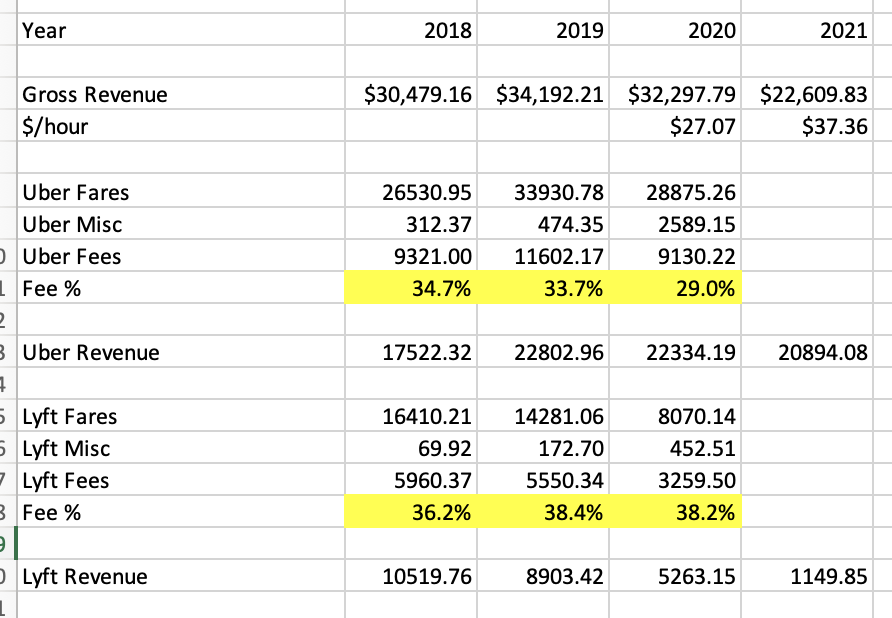
After accounting for all expenses and Uber’s commission, the net income of a New York Uber driver can vary dramatically. While some drivers report gross earnings of $1,000 or more in a week, after deductions, their actual take-home pay might be significantly less.
A commonly cited range for net hourly earnings for an experienced, efficient driver in New York City might be between $20 and $30 per hour. However, this figure can be lower for less experienced drivers, those who drive during off-peak hours, or those with higher vehicle expenses. Conversely, a highly strategic driver working peak hours, maximizing promotions, and maintaining a fuel-efficient vehicle could potentially earn more.
The Impact of the Gig Economy and Regulations
The landscape for ride-share drivers in New York is constantly evolving, influenced by both the nature of the gig economy and increasing regulatory oversight.
- Flexibility vs. Stability: The primary appeal of driving for Uber is the flexibility it offers. Drivers can set their own hours, which is invaluable for those balancing work with other commitments. However, this flexibility comes at the cost of the job security, benefits (like health insurance or paid time off), and predictable income that traditional employment provides.
- New York City’s Regulations: New York City has implemented various regulations aimed at improving driver pay and working conditions. These include a minimum pay standard, which ensures drivers earn at least a certain amount per minute and per mile, even after expenses. The introduction of the Taxi and Limousine Commission (TLC) licensing and regulations for ride-share drivers adds another layer of requirements and costs, but also aims to standardize operations and potentially improve earnings.
- Competition: The high number of drivers on the road in New York City can lead to increased competition for fares, especially during non-peak hours.
Maximizing Your Earnings as a New York Uber Driver
For aspiring or current Uber drivers in New York, a proactive and strategic approach is key to achieving a desirable income.
Financial Prudence and Planning
- Track Every Expense: Meticulously record all vehicle-related expenses. This is crucial for accurate tax filing and understanding your true profit margins.
- Budget for Taxes: Set aside a portion of your earnings for self-employment taxes. Consulting with a tax professional specializing in independent contractors is highly recommended.
- Vehicle Maintenance Fund: Regularly put aside money for routine maintenance and unexpected repairs to avoid financial shocks.
Strategic Driving Habits
- Study Demand Patterns: Utilize Uber’s in-app tools and third-party apps to identify surge areas and times.
- Understand Bonuses and Promotions: Actively pursue and understand the conditions for Uber’s quests, boosts, and other incentives.
- Minimize Downtime: Strategize your routes to minimize time spent waiting for the next ride. Consider areas with high rider density.
- Acceptance vs. Efficiency: While a high acceptance rate is beneficial, don’t be afraid to decline rides that are extremely far from your current location or in areas with poor potential for immediate pickups, as this can negatively impact your hourly earnings.

Leveraging New York’s Unique Environment
- Toll-Aware Navigation: Be mindful of toll roads and bridges. Sometimes, a slightly longer route without tolls can be more profitable if the traffic conditions are favorable.
- TLC Licensing Knowledge: Ensure you are fully compliant with all TLC regulations to avoid fines and maintain your ability to drive.
- Diversification (Optional): Some drivers find success by driving for multiple ride-sharing platforms or exploring other delivery services during slower Uber periods to maximize their time on the road.
Ultimately, becoming a successful Uber driver in New York requires more than just a car and a smartphone. It demands business acumen, strategic planning, and a keen understanding of the city’s dynamic transportation ecosystem. By diligently managing expenses, optimizing driving strategies, and staying informed about regulatory changes, drivers can carve out a sustainable and potentially lucrative career on the streets of the Empire State.
LifeOutOfTheBox is a participant in the Amazon Services LLC Associates Program, an affiliate advertising program designed to provide a means for sites to earn advertising fees by advertising and linking to Amazon.com. Amazon, the Amazon logo, AmazonSupply, and the AmazonSupply logo are trademarks of Amazon.com, Inc. or its affiliates. As an Amazon Associate we earn affiliate commissions from qualifying purchases.