
Renewing your vehicle registration in Texas is a crucial step in ensuring your automobile remains legally permitted on the state’s roadways. As with many bureaucratic processes, there can be a degree of confusion surrounding the requirements, particularly concerning vehicle inspections. The question of whether an inspection is a prerequisite for registration renewal is a common one, and the answer, while generally straightforward, carries nuances that are important for every Texas driver to understand. This guide will delve into the current regulations, explain the purpose of inspections, and outline the process for obtaining the necessary documentation, all within the context of navigating the vibrant landscape of Texas.

Understanding the Texas Vehicle Inspection Program
The Texas Department of Public Safety (DPS) oversees the Texas Vehicle Inspection Program. This program serves a dual purpose: ensuring that vehicles meet minimum safety standards and, for many counties, confirming compliance with air quality regulations. Historically, Texas mandated both a safety inspection and an emissions test (often referred to as an “emissions inspection” or “smog check”) for most vehicles. However, legislative changes have significantly altered this landscape in recent years, creating a more streamlined process for many drivers.
The Shift from Two Inspections to One
For a considerable period, Texas operated under a two-part inspection system. Drivers would typically need to get their vehicle inspected for safety and then, if their vehicle was registered in a participating county, undergo an additional emissions test. This two-step process could be cumbersome and add to the overall cost of registration renewal.
Recognizing the need for simplification and addressing concerns about the effectiveness and cost of the dual inspection system, the Texas Legislature passed a bill in 2015 that began phasing out the separate emissions inspection requirement. This change was implemented gradually, with the full effect taking hold over subsequent years.
The “One Inspection” Rule
As of the current regulations, most vehicles in Texas no longer require a separate emissions inspection to renew their registration. Instead, the state has transitioned to a single, comprehensive safety inspection. This means that a single visit to an authorized inspection station should suffice for most drivers needing to meet the inspection requirement for registration renewal.
This streamlined approach aims to reduce the burden on vehicle owners while still maintaining essential safety standards for vehicles operating on public roads. The inspection station technician will perform a thorough check of critical safety components.
What Does the Texas Safety Inspection Cover?
The single Texas safety inspection is designed to ensure your vehicle is in safe operating condition. While the exact checklist may vary slightly by inspection station and vehicle type, the core components examined are consistent. These typically include:
Key Safety Components Examined
- Brakes: The technician will check the condition and functionality of your brake system, including brake pads, rotors, and the overall hydraulic system. Effective braking is paramount for safe driving.
- Lights: All exterior lights, including headlights (high and low beams), taillights, brake lights, turn signals, and hazard lights, will be tested for proper operation and visibility.
- Tires: The inspection will assess tire tread depth for adequate traction and check for any signs of damage, such as cuts, bulges, or excessive wear.
- Steering and Suspension: Components like the steering wheel, tie rods, and suspension system will be examined for excessive play or damage that could affect vehicle control.
- Windshield Wipers and Washers: The functionality of windshield wipers and the washer fluid system is checked, ensuring clear visibility, especially in inclement weather.
- Horn: The vehicle’s horn will be tested to confirm it is operational and audible.
- Exhaust System: The technician will inspect the exhaust system for leaks, excessive noise, or improper modifications that could impact emissions or safety.
- Mirrors: All required mirrors (rearview and side mirrors) will be checked for proper mounting and condition.
- Seat Belts: The functionality and condition of all seat belts will be verified.
- Windows: The inspection ensures that no cracks or obstructions significantly impair the driver’s view.
Emissions Testing: When is it Still Required?
While the general rule is one safety inspection, there are specific exceptions where emissions testing may still be required. These exceptions are primarily tied to vehicle type and the county of registration.
- Model Year Exception: Vehicles that are 25 model years old or older are generally exempt from the emissions inspection requirement. This means that older classic or antique vehicles typically only need the safety inspection.
- New Vehicles: Brand new vehicles are often exempt from the initial inspection requirement for a certain period, as they are presumed to be in good operating condition.
- Specific Counties: Despite the statewide shift away from mandatory emissions testing for most vehicles, a few counties still require an emissions inspection as part of the overall vehicle inspection process. These are typically areas with more stringent air quality regulations. It is crucial to verify the requirements for your specific county of registration. The counties that may still require an emissions test include: Brazoria, Collin, Dallas, Denton, El Paso, Fort Bend, Galveston, Harris, Johnson, Montogomery, Rockwall, Tarrant, Travis, Van Zandt, and Wise. If you reside in one of these counties, it is imperative to confirm whether your vehicle requires an emissions test in addition to the safety inspection.
It is always best to consult the official Texas Department of Motor Vehicles (DMV) website or your local county tax assessor-collector’s office for the most up-to-date and accurate information regarding emissions testing requirements for your specific location and vehicle.
The Process: Obtaining Your Inspection Certificate
Once you’ve determined that your vehicle requires an inspection, the process is designed to be relatively straightforward. You will need to take your vehicle to an authorized inspection station. These stations are typically privately owned businesses, such as auto repair shops, dealerships, or dedicated inspection centers, that have been licensed by the state to perform these checks.
Finding an Authorized Inspection Station
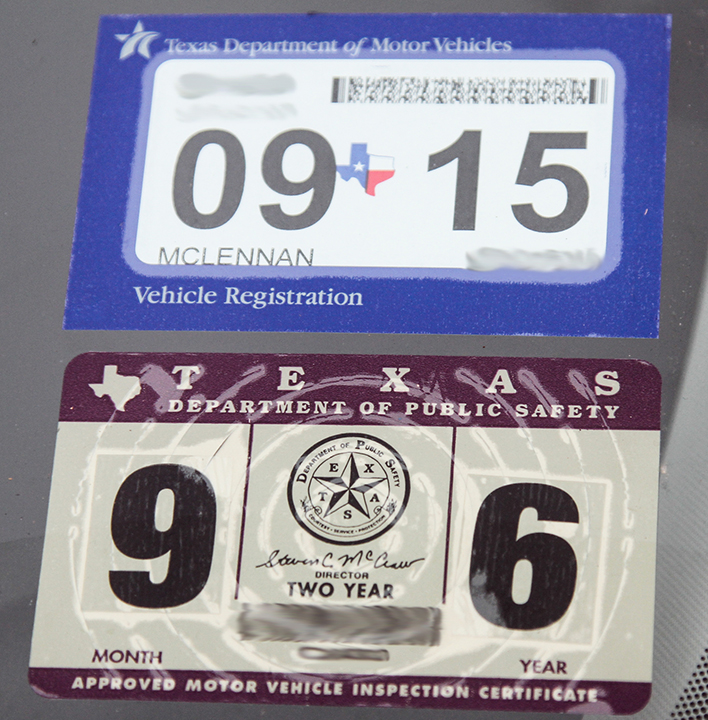
You can easily find authorized inspection stations by searching online for “Texas vehicle inspection stations” or by checking the Texas DPS website for a directory of licensed providers. Look for stations displaying the official Texas inspection sticker or signage.
What to Bring to Your Inspection
When you arrive at the inspection station, you will typically need to present:
- Your Vehicle: Obviously, the vehicle to be inspected is essential.
- Proof of Insurance: While not always required at the inspection station itself, you will need valid Texas auto insurance to renew your registration, so it’s good practice to have it readily available.
- Registration Renewal Notice (Optional but Recommended): Having your renewal notice can help the inspector input the correct information into the system.
The Inspection and Issuance of the Certificate
The inspection itself usually takes between 15 to 30 minutes, depending on the station’s workload and the complexity of the inspection. If your vehicle passes the safety inspection (and emissions test, if applicable), the inspector will issue you an inspection certificate. This is often a sticker that is placed on your windshield.
Crucially, the inspection results are electronically transmitted to the state’s database. This electronic record is what the Texas DMV uses when you go to renew your registration. You typically do not need to physically present the inspection certificate when renewing your registration online or by mail, as the system will verify that your vehicle has a passing inspection record.
Renewing Your Registration with a Passing Inspection
With a passing inspection certificate recorded in the state’s system, you are now ready to renew your vehicle registration. The renewal process can be completed through several convenient methods:
Online Renewal
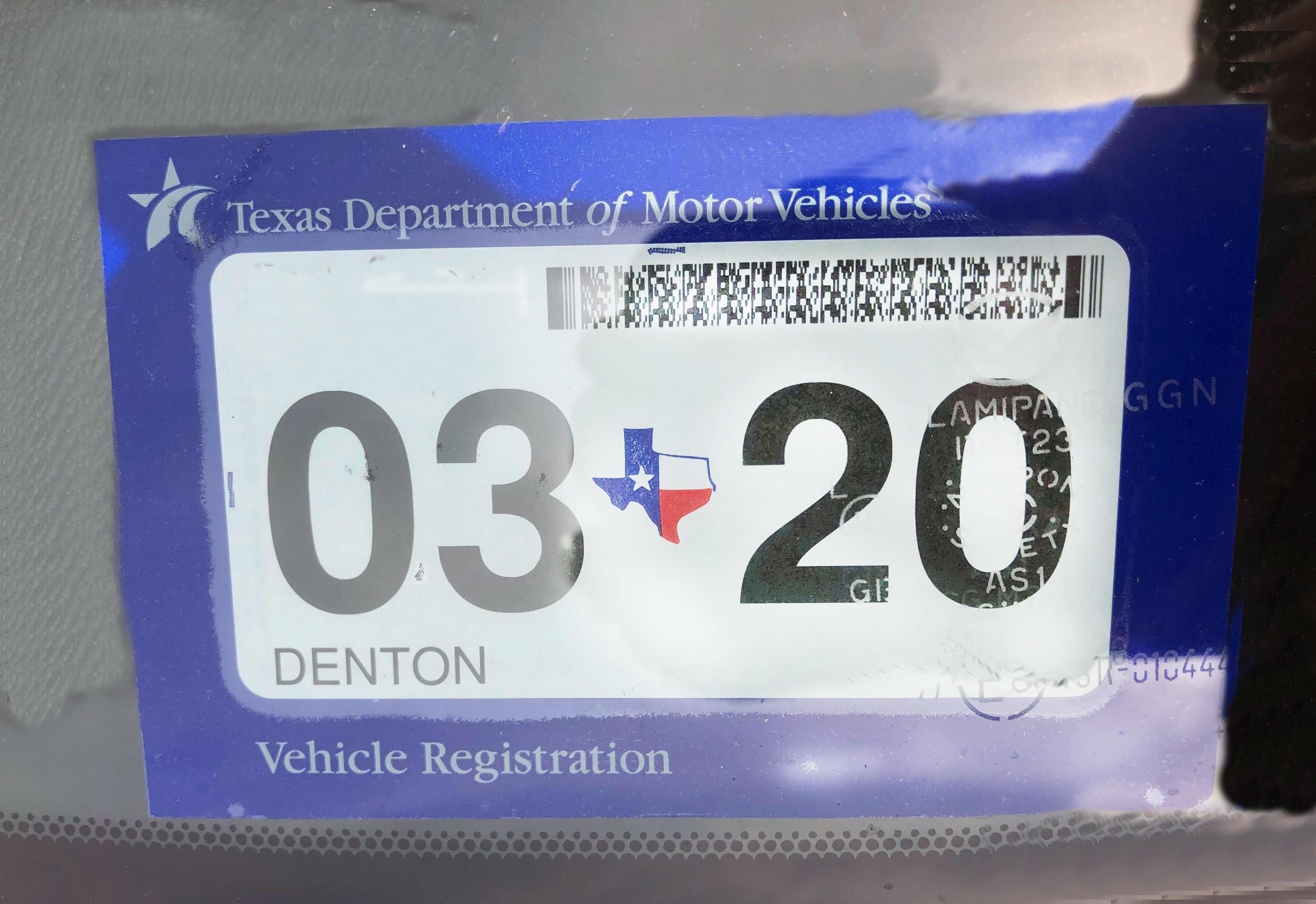
The most popular and often the fastest method is online renewal. You can visit the official Texas DMV website or the website of your local county tax assessor-collector’s office. You will need your license plate number and possibly your Vehicle Identification Number (VIN). The system will check for a valid inspection record, confirm your insurance, and process your payment.
Mail Renewal
If you prefer to renew by mail, you can typically send your renewal notice along with a check or money order for the required fees to your local county tax assessor-collector’s office. Ensure all necessary information is included to avoid delays.
In-Person Renewal
You can also renew your registration in person at your local county tax assessor-collector’s office. This option allows for direct interaction with county staff if you have any specific questions or require assistance.
The Importance of Timeliness
It is vital to renew your registration before it expires. Driving with an expired registration is a traffic violation and can result in fines. Obtaining your inspection well in advance of your registration renewal date is a smart strategy to avoid last-minute rushes and ensure you can complete the renewal process without any inspection-related hurdles.
Conclusion: Navigating Texas Vehicle Requirements
In Texas, the requirement for a vehicle inspection prior to renewing your registration is generally limited to a single safety inspection for most vehicles. The era of mandatory dual safety and emissions inspections has largely passed, simplifying the process for many drivers. However, awareness of the specific exceptions, particularly regarding emissions testing in certain counties and for older vehicles, is crucial. By understanding these regulations and proactively obtaining a passing safety inspection, Texas drivers can ensure their vehicle remains legally compliant and safe for the road, allowing them to fully enjoy the diverse experiences and scenic drives the Lone Star State has to offer, from the bustling streets of Houston to the historic charm of San Antonio.
LifeOutOfTheBox is a participant in the Amazon Services LLC Associates Program, an affiliate advertising program designed to provide a means for sites to earn advertising fees by advertising and linking to Amazon.com. Amazon, the Amazon logo, AmazonSupply, and the AmazonSupply logo are trademarks of Amazon.com, Inc. or its affiliates. As an Amazon Associate we earn affiliate commissions from qualifying purchases.