
New York, a city synonymous with dreams, ambition, and a pace of life that electrifies the soul, also carries the unmistakable weight of its legendary real estate market. When asking “How much is a house in New York?”, the answer is rarely a simple figure. It’s a complex tapestry woven from threads of location, size, condition, amenities, and the ever-fluctuating tides of the global economy. For those contemplating a significant investment, a permanent residence, or even a coveted vacation home, understanding the nuances of this market is paramount. This exploration delves into the diverse landscape of New York real estate, offering insights into what drives its value and what potential buyers can expect.

The Stratified Landscape of New York Real Estate
The very concept of “a house” in New York needs immediate clarification. While the city is often envisioned with brownstones and single-family homes, the dominant forms of residential property, especially in its most desirable areas, are often apartments and condominiums. However, true houses do exist, particularly in the outer boroughs and the sprawling suburbs that form the greater metropolitan area.
Manhattan: The Apex of Value
Manhattan, the island that forms the vibrant heart of New York City, represents the pinnacle of real estate desirability and, consequently, cost. Here, “a house” often refers to an exceptionally rare and valuable townhouse or a sprawling penthouse apartment with exclusive outdoor space.
Townhouses: Historic Grandeur and Exclusivity
A townhouse in Manhattan is more than just a home; it’s a piece of history, an architectural statement, and an investment in unparalleled privacy within a densely populated metropolis. These multi-story residences, often found in sought-after neighborhoods like the Upper East Side, West Village, and Cobble Hill, can command staggering prices. A well-maintained, centrally located townhouse might easily fetch upwards of $15 million, with prime properties in exclusive enclaves like the Gold Coast often exceeding $30 million and sometimes reaching into the hundreds of millions for truly historic and palatial estates. Factors influencing these prices include the number of bedrooms and bathrooms, the presence of original architectural details, outdoor space (gardens or roof decks), elevator access, and proximity to world-class amenities like Central Park or prestigious cultural institutions.
Penthouses and Duplexes: Sky-High Living
While not traditional houses, luxury penthouses and duplex apartments in Manhattan offer a similar sense of grandeur and exclusivity. These residences occupy the top floors of prominent buildings, boasting panoramic city views, expansive living spaces, and private terraces. Prices for these premium units can range from $5 million for a well-appointed, though not necessarily penthouse, unit in a desirable building to $50 million and beyond for a sprawling, custom-designed penthouse with unmatched vistas and amenities. The allure of owning a piece of the iconic New York skyline contributes significantly to their valuation.
Brooklyn: Diverse Neighborhoods, Diverse Prices
Brooklyn, the city’s most populous borough, presents a more varied real estate landscape, offering a wider range of price points and property types. While still significantly expensive, it provides more opportunities for those seeking a “house” in a more traditional sense.
Brownstones in Prime Neighborhoods
Iconic Brooklyn brownstones, particularly in neighborhoods like Park Slope, Carroll Gardens, and parts of Bedford-Stuyvesant, are highly coveted. These elegant, multi-family dwellings often undergo extensive renovations, blending historic charm with modern luxury. A fully renovated brownstone in a prime Brooklyn location can easily range from $3 million to $7 million, depending on its size, condition, and specific street appeal. Properties requiring significant renovation can be acquired at lower price points, presenting an opportunity for buyers willing to undertake a substantial project.
Single-Family Homes in Quieter Enclaves
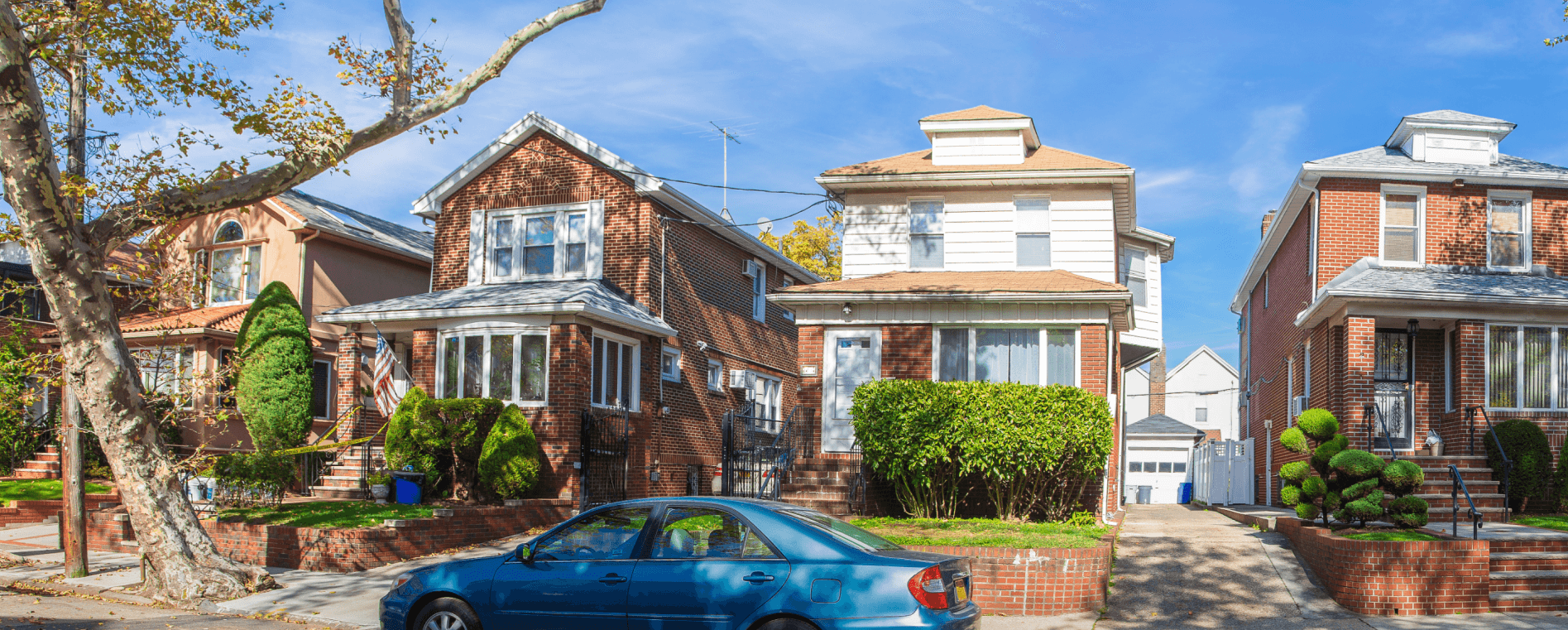
Beyond the famed brownstone rows, Brooklyn also features single-family homes, especially in areas further from the Manhattan-facing waterfront. Neighborhoods like Bay Ridge, Ditmas Park, and Marine Park offer more detached residences, often with yards. Prices here are more accessible, with single-family homes typically ranging from $1 million to $3 million. These homes offer a more suburban feel within the city limits, attracting families and individuals seeking a balance between urban convenience and a more relaxed living environment.
The Outer Boroughs: Affordability and Potential
Venturing beyond Manhattan and prime Brooklyn locations reveals further diversity in the New York real estate market, with the outer boroughs of Queens, the Bronx, and Staten Island offering greater affordability and different types of housing stock.
Queens: A Mosaic of Communities
Queens, the largest borough in land area, is incredibly diverse, offering a wide spectrum of housing options. From charming single-family homes and duplexes in neighborhoods like Forest Hills and Douglaston to more urban apartment living in areas like Astoria and Long Island City, Queens presents a broad price range. Single-family homes in desirable, tree-lined neighborhoods can range from $700,000 to $2 million. Areas undergoing significant development, like Long Island City, offer modern apartments and condos with city views, with prices comparable to some parts of Brooklyn.
The Bronx: Emerging Opportunities
The Bronx, often overlooked, is experiencing a resurgence, with investment and development bringing new life to various neighborhoods. Here, single-family homes and multi-family dwellings can be found at more accessible price points, typically ranging from $400,000 to $1 million. Neighborhoods like Riverdale offer a more suburban feel with larger homes, while areas closer to Manhattan are seeing increased demand and rising property values.
Staten Island: Suburban Charm within the City
Staten Island, often considered the most suburban of the five boroughs, offers the most traditional “house” experience for New Yorkers. With ample green space, single-family homes, and a more relaxed pace, prices here are the most approachable within the city limits. Single-family homes can range from $400,000 to $900,000, with larger properties and waterfront access commanding higher prices. It provides a sense of community and space that is increasingly rare in other parts of New York.

Factors Driving New York Real Estate Prices
The valuation of real estate in New York is a multifaceted equation influenced by a confluence of factors, many of which are unique to this global city.
Location, Location, Location: The Immutable Rule
This adage holds truer in New York than almost anywhere else. Proximity to mass transit, top-rated school districts, vibrant commercial centers, renowned cultural institutions like the Metropolitan Museum of Art or the Museum of Modern Art, and desirable amenities like parks and high-end retail all contribute significantly to a property’s value. Neighborhood desirability, driven by safety, community feel, and aesthetic appeal, plays a crucial role.
Property Type and Condition
The specific type of dwelling—townhouse, brownstone, co-op, condo, or single-family home—carries inherent value differences. The condition of the property is equally critical. Newly renovated homes with modern finishes, updated kitchens and bathrooms, and energy-efficient systems will always command a premium over those requiring extensive work. Historic charm can be a significant draw, but only if well-preserved or tastefully updated.
Size and Layout
The square footage, number of bedrooms and bathrooms, and the efficiency of the floor plan are fundamental in determining a property’s value. Larger homes or those with flexible layouts that can accommodate modern living needs—such as home offices or multi-generational families—are generally more desirable. Outdoor space, whether a private garden, a rooftop terrace, or a balcony, is a highly prized amenity in New York and significantly boosts a property’s appeal and price.
Market Dynamics and Economic Conditions
New York’s real estate market is inherently sensitive to broader economic trends, interest rates, and investor sentiment. Periods of strong economic growth and low interest rates typically fuel demand and drive prices upward. Conversely, economic downturns or rising interest rates can lead to market cooling and price moderation. Global events and the city’s status as a financial hub also play a role, attracting international buyers whose investment decisions can influence local market trends.
School Districts and Neighborhood Amenities
For families, access to excellent public or private schools is a primary driver of real estate decisions. Neighborhoods with highly-rated school districts often see inflated property values due to consistent demand from parents prioritizing education. Beyond schools, proximity to parks, restaurants, shopping, and cultural attractions enhances the quality of life and, consequently, the desirability and value of properties within those areas.
The Costs Beyond the Purchase Price
Purchasing a house in New York involves more than just the sticker price. Buyers must also factor in a host of associated costs that can add significantly to the overall investment.
Closing Costs
These are fees paid at the time of closing a real estate transaction. They can include attorney fees, title insurance, appraisal fees, mortgage recording taxes, and various administrative costs. In New York, these costs can be substantial, often amounting to 2% to 5% of the purchase price.
Property Taxes
New York City property taxes are a significant ongoing expense. The amount varies based on the property’s assessed value, the tax rate for its specific class (e.g., residential, commercial), and any exemptions or abatements available. For a house, these taxes can range from several thousand dollars annually for more affordable properties to tens of thousands or even hundreds of thousands of dollars for luxury townhouses in prime locations.
Homeowners Insurance
Protecting your investment is crucial. Homeowners insurance costs in New York can be influenced by factors such as the property’s location (especially in flood-prone areas), its age and construction type, and the coverage levels chosen.
Maintenance and Utilities
Beyond property taxes, homeowners are responsible for all maintenance and utility costs, including electricity, gas, water, and waste removal. For older homes or those with extensive systems, these costs can be considerable. Regular maintenance, repairs, and potential renovations are ongoing expenses that must be budgeted for.
Co-op and Condo Fees
If the “house” is a unit within a co-operative or condominium building, additional monthly fees will apply. These fees cover building maintenance, staff salaries, common area utilities, and reserve funds. These can range from a few hundred dollars to several thousand dollars per month, depending on the building’s amenities and services.
In conclusion, answering “How much is a house in New York?” is a journey through a complex and dynamic market. From the multi-million-dollar townhouses of Manhattan to the more accessible single-family homes in the outer boroughs, each property carries a unique price tag dictated by a multitude of interconnected factors. Understanding these elements is key for anyone looking to navigate this prestigious and challenging real estate landscape.
LifeOutOfTheBox is a participant in the Amazon Services LLC Associates Program, an affiliate advertising program designed to provide a means for sites to earn advertising fees by advertising and linking to Amazon.com. Amazon, the Amazon logo, AmazonSupply, and the AmazonSupply logo are trademarks of Amazon.com, Inc. or its affiliates. As an Amazon Associate we earn affiliate commissions from qualifying purchases.