
Florida, a state synonymous with sun-drenched beaches, vibrant theme parks, and diverse ecosystems, also plays host to a significant population of black bears. For many visitors and even some residents, the question of “Are Florida bears dangerous?” is a pertinent one, particularly as human and bear habitats increasingly overlap. Understanding bear behavior, the specific nuances of Florida’s Ursus americanus floridanus subspecies, and how to coexist safely is paramount for enjoying the Sunshine State’s wilder side. This guide delves into the nature of Florida bears, focusing on their interactions with humans and providing essential tips for safe encounters within the context of travel and tourism.

Understanding the Florida Black Bear
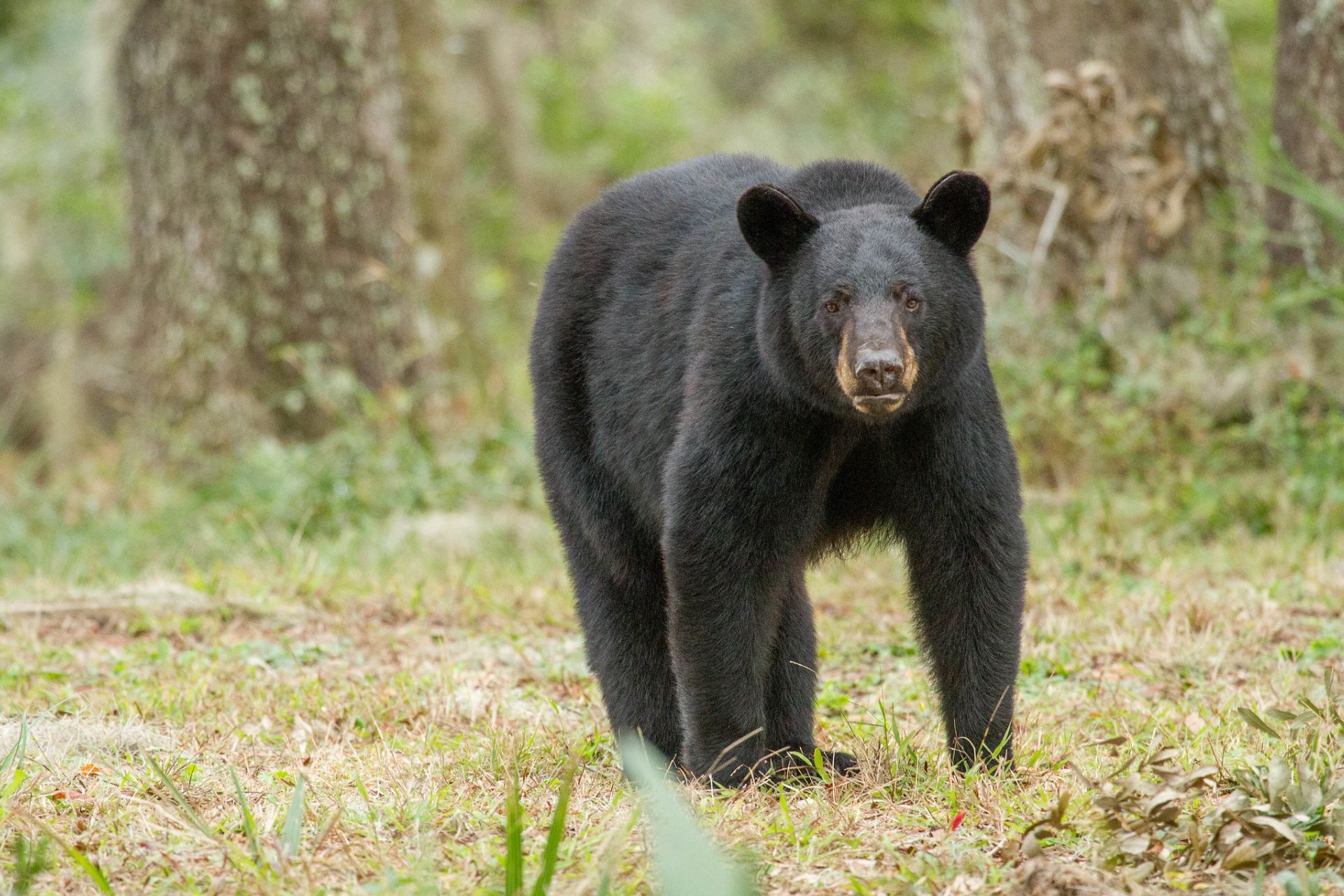
The Florida black bear, a subspecies of the American black bear, is a charismatic and vital component of the state’s natural heritage. Despite their imposing size, these bears are generally reclusive and more interested in foraging for food than engaging with humans. Their diet is omnivorous, consisting primarily of fruits, berries, nuts, insects, and small mammals. Encounters with humans are often a result of bears seeking out easily accessible food sources, such as unsecured garbage cans, pet food, or bird feeders, which can lead to habituation and increase the likelihood of interactions.
Subspecies and Habitat
Ursus americanus floridanus is found across much of Florida, with significant populations concentrated in the northern and central parts of the state. Their habitat includes extensive forests, swamps, and wetlands, areas often frequented by outdoor enthusiasts, campers, and hikers. The increasing development and population growth in Florida inevitably lead to more frequent intersections between human activity and bear territory. Awareness and responsible behavior are key to ensuring that these beautiful creatures remain wild and that people can explore their environment safely.
Bear Behavior and Diet
Florida black bears are not inherently aggressive. Their primary defense mechanism is to flee when they encounter humans. However, a bear that has become habituated to human food sources may lose its natural fear and approach people or homes, which can escalate into problematic situations. Understanding their dietary habits is crucial for prevention. Bears are opportunistic feeders, and readily available human food can easily become a preferred food source, leading them to associate human presence with an easy meal. This is why proper food storage and waste management are critical when visiting or living in bear country.
Navigating Florida’s Natural Attractions Safely
Florida boasts numerous natural attractions, from the vast expanse of the Everglades National Park to the rolling hills of the panhandle and the unique scrub ecosystems. These areas are home to Florida black bears, and while the chances of a dangerous encounter are low, visitors should always be prepared. Responsible tourism means respecting wildlife and taking precautions to minimize disturbances and potential conflicts.
Hiking and Camping in Bear Country
When planning a hike or a camping trip in areas known to have bear populations, such as Ocala National Forest or portions of the Florida Trail, preparedness is key.
- Bear-Resistant Food Storage: Always use bear-resistant containers for food and store them properly, away from your tent or sleeping area. If a bear-resistant container is not available, hang food at least 10 feet off the ground and 4 feet away from the tree trunk.
- Proper Waste Disposal: Pack out all garbage and food scraps. Do not bury or burn them, as bears can still smell them.
- Noise Awareness: Make noise while hiking, especially in areas with limited visibility. Talking, singing, or attaching a bell to your backpack can alert bears to your presence, giving them a chance to move away.
- Avoid Hiking Alone: Hiking in groups can deter bears.
- Never Feed Bears: Intentionally feeding bears is not only dangerous but also illegal and detrimental to their health and natural behaviors. This applies to not leaving pet food or garbage accessible.
Wildlife Viewing Etiquette
Observing wildlife in its natural habitat is a highlight of visiting Florida’s natural areas. When viewing bears or other wildlife, maintaining a safe distance is paramount.
- Maintain Distance: Never approach a bear, regardless of its size or perceived behavior. Use binoculars or a telephoto lens for closer views. A general rule of thumb is to stay at least 100 yards away from bears.
- Observe from Your Vehicle: If you see a bear from your car, pull over safely and observe from a distance. Do not exit your vehicle.
- Do Not Block Bear Movements: Ensure bears have a clear path to escape and do not corner them.
- Report Sightings: If you encounter a bear in an unusual location or exhibiting concerning behavior, report it to the Florida Fish and Wildlife Conservation Commission (FWC).

Preventing Human-Bear Conflict
The most effective way to ensure that Florida bears are not dangerous to humans is to prevent conflicts from arising in the first place. This involves a collective effort from residents, tourists, and wildlife management agencies. By adopting responsible practices, we can minimize the risk of negative interactions and help preserve Florida’s bear population.
Secure Your Property
For those living in or visiting areas with a bear presence, securing homes and properties is a crucial step.
- Garbage Management: Use bear-resistant garbage cans. If these are not available, store garbage in a secure shed or garage until trash day and ensure lids are tightly secured. Never leave garbage outside overnight.
- Pet Food and Bird Feeders: Bring pet food inside at night and remove bird feeders or use bear-proof feeders. These are common attractants for bears.
- Clean Grills: Clean grills thoroughly after use, as the residual smell of food can attract bears.
- Remove Fruit and Berries: Pick ripe fruit from trees and remove fallen fruit from the ground.
Educating Visitors and Residents
Awareness is a powerful tool in promoting coexistence. Educational initiatives play a vital role in informing people about bear behavior and safety protocols.
- Information Centers: Many state parks and natural areas have visitor centers that provide information on local wildlife, including bears.
- Online Resources: The Florida Fish and Wildlife Conservation Commission offers extensive resources on bear safety and coexistence.
- Signage: Posted signs in bear-prone areas serve as important reminders of safety precautions.
When Encounters Occur
While rare, it is important to know how to react if you encounter a bear. The primary goal is to de-escalate the situation and avoid provoking the animal.
If You See a Bear
- Stay Calm: Do not panic. Speak in a calm, firm voice to let the bear know you are human.
- Do Not Run: Running can trigger a bear’s predatory instinct. Slowly back away, never turning your back on the bear.
- Make Yourself Look Bigger: Raise your arms or open your jacket.
- Do Not Make Eye Contact: Bears may perceive direct eye contact as a challenge.
- Give the Bear Space: Allow the bear an escape route.
If a Bear Approaches or Charges
In the unlikely event that a bear charges, the reaction depends on the type of charge.
- Defensive Charge: If a bear feels threatened, it might perform a bluff charge, stopping short of you. In this case, stand your ground, continue talking calmly, and slowly back away.
- Aggressive Encounter: If a bear makes physical contact, fight back aggressively. Use any available weapon, such as rocks, sticks, or your fists. Aim for the bear’s face and eyes. Black bear attacks are rare, and in most cases, they are defensive. However, if an attack is predatory (which is extremely rare for black bears), fighting back is the best defense.
By understanding the nature of Florida’s black bears and adopting proactive safety measures, travelers can confidently explore the state’s rich natural beauty. The key to a safe and enjoyable experience lies in respect for wildlife and responsible behavior, ensuring that the allure of Florida’s wild spaces remains accessible and safe for all.
LifeOutOfTheBox is a participant in the Amazon Services LLC Associates Program, an affiliate advertising program designed to provide a means for sites to earn advertising fees by advertising and linking to Amazon.com. Amazon, the Amazon logo, AmazonSupply, and the AmazonSupply logo are trademarks of Amazon.com, Inc. or its affiliates. As an Amazon Associate we earn affiliate commissions from qualifying purchases.