
The iconic yellow cabs of New York City are more than just a mode of transportation; they are a symbol of the city’s bustling energy and a vital part of its urban fabric. For decades, the system by which these taxis operate has been governed by the taxi medallion, a unique licensing system that dictates the number of cabs permitted on the streets. Understanding the value of a taxi medallion in New York City is crucial for comprehending the economics of the taxi industry, its historical evolution, and the significant financial implications for those involved. This exploration delves into the factors influencing medallion prices, their historical trajectory, and the current landscape, offering insight into this complex and fascinating market.

The Evolution of the Taxi Medallion System
The concept of the taxi medallion was introduced in New York City in the 1930s as a response to an unregulated and chaotic taxi market. Before the medallion system, the city was flooded with unlicensed and often unreliable cabs, leading to public safety concerns and unfair competition. The Taxi and Limousine Commission (TLC) was established to regulate the industry, and the medallion system was implemented to control the number of licensed vehicles.
The Rationale Behind a Limited Supply
The primary purpose of limiting the number of medallions was to ensure a viable income for licensed taxi drivers and to maintain a certain standard of service. By capping the number of taxis, the city aimed to create a scarcity that would inherently increase the value of each license, thereby providing a stable and profitable business for medallion owners. This artificial scarcity became a cornerstone of the taxi industry’s economic model, driving up the cost of entry and creating a significant asset for those who held them.
The Historical Trajectory of Medallion Prices
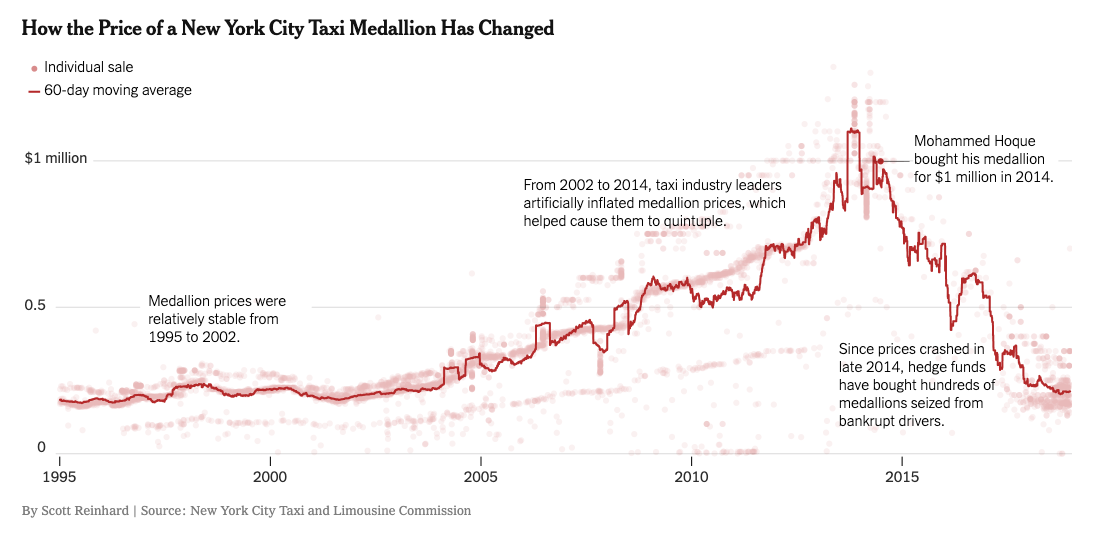
For much of its history, taxi medallions were considered a stable and lucrative investment. Prices gradually increased over the decades, reflecting the perceived value and earning potential of operating a yellow cab in one of the world’s busiest cities. However, the market for taxi medallions experienced a dramatic boom and subsequent bust, particularly in the early 21st century.
The Boom Years: A Gold Rush for Medallions
In the years leading up to and into the early 2010s, the value of taxi medallions soared to unprecedented heights. Fueled by readily available financing and a seemingly endless demand for taxi rides, medallions became highly sought-after assets, with prices reaching as high as $1 million or even more. Many saw them as a secure retirement fund or a pathway to significant wealth. Lenders actively provided loans to aspiring drivers and investors, further inflating the market. This period was characterized by aggressive speculation, with individuals and investment groups buying multiple medallions with the expectation of continued appreciation.
The Bust and Its Aftermath: The Impact of Ride-Sharing
The advent and rapid rise of ride-sharing services, such as Uber and Lyft, dramatically disrupted the traditional taxi industry. These platforms offered convenience, often lower prices, and a technologically advanced booking experience that appealed to many consumers. The increased competition led to a significant decrease in demand for traditional yellow cabs, directly impacting the revenue potential of medallion owners. As ridership declined, the perceived value of medallions plummeted. Lenders who had financed medallion purchases found themselves with borrowers who could no longer make their payments, leading to widespread foreclosures and a sharp decline in medallion values. The dream of a secure investment turned into a financial nightmare for many.
Factors Influencing Medallion Value
The price of a taxi medallion is not static; it is a dynamic figure influenced by a complex interplay of economic, regulatory, and technological factors. While the days of million-dollar valuations are largely in the past, understanding these drivers remains essential for anyone interested in the New York City taxi market.
Supply and Demand Dynamics
At its core, the value of a medallion is determined by the basic economic principle of supply and demand. The number of medallions is fixed by the city, creating a finite supply. However, the demand for these medallions, and the services they represent, fluctuates. Factors influencing demand include:
- Rider Demand: The overall number of people needing taxi services in New York City is a primary driver. Economic conditions, tourism levels, and the convenience of alternative transport options all play a role.
- Driver Interest: The willingness of individuals to become taxi drivers affects the demand for medallions. If earning potential is perceived as high, more drivers will seek to acquire medallions, increasing demand.
- Investor Sentiment: During the boom years, a significant portion of medallion purchases were speculative investments rather than by active drivers. Investor confidence in the long-term viability of the yellow cab business heavily influenced demand.
Regulatory Environment
The Taxi and Limousine Commission (TLC) plays a pivotal role in shaping the taxi industry and, consequently, medallion values. Regulatory decisions can have a profound impact:
- New Licenses: Any decision to issue new medallions or allow for additional licensing of for-hire vehicles can increase supply and potentially depress prices.
- Driver Regulations: Rules pertaining to driver training, vehicle standards, and fare structures can influence operational costs and profitability, thereby affecting the perceived value of a medallion.
- Impact of Ride-Sharing Regulations: The TLC’s approach to regulating ride-sharing services has been a significant factor. Policies that limit the number of ride-sharing vehicles or impose similar operating requirements can indirectly support the value of traditional taxi medallions.
Technological Advancements and Competition
The most significant disruptive force in recent years has been technology.
- Ride-Sharing Platforms: As mentioned, Uber and Lyft have fundamentally altered the transportation landscape. Their ability to aggregate supply and demand through mobile applications created a formidable challenge to the established taxi industry.
- Mobile Booking Apps for Taxis: In response, the yellow cab industry has also embraced technology, with apps like Curb and Arro allowing for easier hailing and payment. The success of these platforms can help to partially restore demand for medallion-based services.
Financing and Economic Conditions
The availability and cost of financing have historically been critical to the medallion market.
- Loan Availability: During the boom, easy access to loans allowed many individuals to acquire medallions. When financing dried up or loan terms became unfavorable, it significantly impacted the market.
- Interest Rates: Higher interest rates increase the cost of borrowing to purchase a medallion, which can depress demand and prices.
- Overall Economic Health: A strong economy generally correlates with higher consumer spending and increased tourism, both of which benefit the taxi industry and can support medallion values.
The Current Market for Taxi Medallions
Following the dramatic crash of the medallion market, the landscape has shifted considerably. While prices have stabilized to some extent, they remain a fraction of their peak values, and the market is characterized by a more cautious and perhaps realistic outlook.
Medallion Prices Post-Crash
Today, a New York City taxi medallion can be purchased for a significantly lower price than a decade ago. Depending on market conditions and whether it’s a sale by an individual owner or through auction, prices can range from tens of thousands to a few hundred thousand dollars. It’s important to note that this price often represents the value of the license itself, and does not necessarily include the cost of a vehicle, insurance, or other operational expenses.
The Distinction Between Owner-Operators and Investors
The profile of medallion owners has also changed. While there are still individual drivers who own their medallions, a significant number of formerly owner-operated medallions are now in the hands of lenders or are being leased out. The high initial cost and subsequent financial distress have made outright ownership a less common aspiration for new entrants.
Challenges and Opportunities for Medallion Holders
Current medallion holders face ongoing challenges, primarily related to competition from ride-sharing services and the ongoing costs of operating a taxi. However, there are also opportunities:
- Prime Locations and Peak Hours: Yellow cabs often benefit from designated taxi stands, the ability to be hailed on the street, and priority access at major hubs like airports and train stations, particularly during peak hours and in high-traffic areas where ride-sharing availability might be less consistent.
- Regulatory Advantages: In some instances, traditional taxis may benefit from fewer regulatory hurdles or different operating cost structures compared to ride-sharing companies.
- Established Brand Recognition: The yellow cab remains an iconic and trusted symbol of New York City transportation, offering a level of brand recognition that new entrants are still striving to build.
The Future of Taxi Medallions in New York City
The future of the taxi medallion system in New York City is subject to ongoing debate and evolution. The city and the TLC are continually exploring ways to balance the needs of traditional taxi owners with the demands of a modern transportation ecosystem.
Potential Regulatory Reforms
Discussions around potential reforms are ongoing. These might include:
- Debt Relief Programs: To address the financial crisis faced by many medallion owners, various debt relief programs and restructuring options have been considered and, in some cases, implemented.
- Diversification of Services: Exploring how yellow cabs can offer a wider range of services, perhaps through partnerships or new technological integrations, could enhance their appeal.
- Hybrid Models: The possibility of a more integrated system where traditional taxis and ride-sharing services coexist under a more unified regulatory framework is also a topic of discussion.
The Role of Technology in Reshaping the Industry
Technology will undoubtedly continue to play a significant role. Innovations in electric vehicles, autonomous driving, and data analytics could all impact the operational efficiency and competitive positioning of yellow cabs. The ability of the medallion system to adapt to these technological shifts will be crucial for its long-term survival.
The Enduring Symbolism of the Yellow Cab
Despite the challenges, the yellow cab remains an indelible part of the New York City experience. For many tourists and residents alike, hailing a yellow cab is a quintessential New York moment. While the economic model has been severely tested, the iconic status of these vehicles ensures that the conversation around taxi medallions and their place in the city’s future will continue for years to come. Understanding their historical value and the factors that influence their worth provides a vital lens through which to view the dynamic and ever-changing transportation landscape of one of the world’s greatest cities.
LifeOutOfTheBox is a participant in the Amazon Services LLC Associates Program, an affiliate advertising program designed to provide a means for sites to earn advertising fees by advertising and linking to Amazon.com. Amazon, the Amazon logo, AmazonSupply, and the AmazonSupply logo are trademarks of Amazon.com, Inc. or its affiliates. As an Amazon Associate we earn affiliate commissions from qualifying purchases.