
Understanding the financial implications of traffic violations is a crucial aspect of responsible driving, especially when navigating the diverse and sometimes complex regulations across different states. For those who travel frequently to or reside in Florida, a red light camera ticket can be a surprising and unwelcome expense. This article aims to demystify the cost associated with these citations, providing a clear and comprehensive overview for drivers.
Understanding Red Light Camera Enforcement in Florida
Florida has embraced red light camera technology as a tool to enhance road safety and reduce intersection-related accidents. These cameras are strategically placed at intersections known for a high incidence of violations. The system operates by capturing images of vehicles that enter an intersection after the traffic signal has turned red. These images, along with associated data, are then reviewed by law enforcement before a citation is issued.
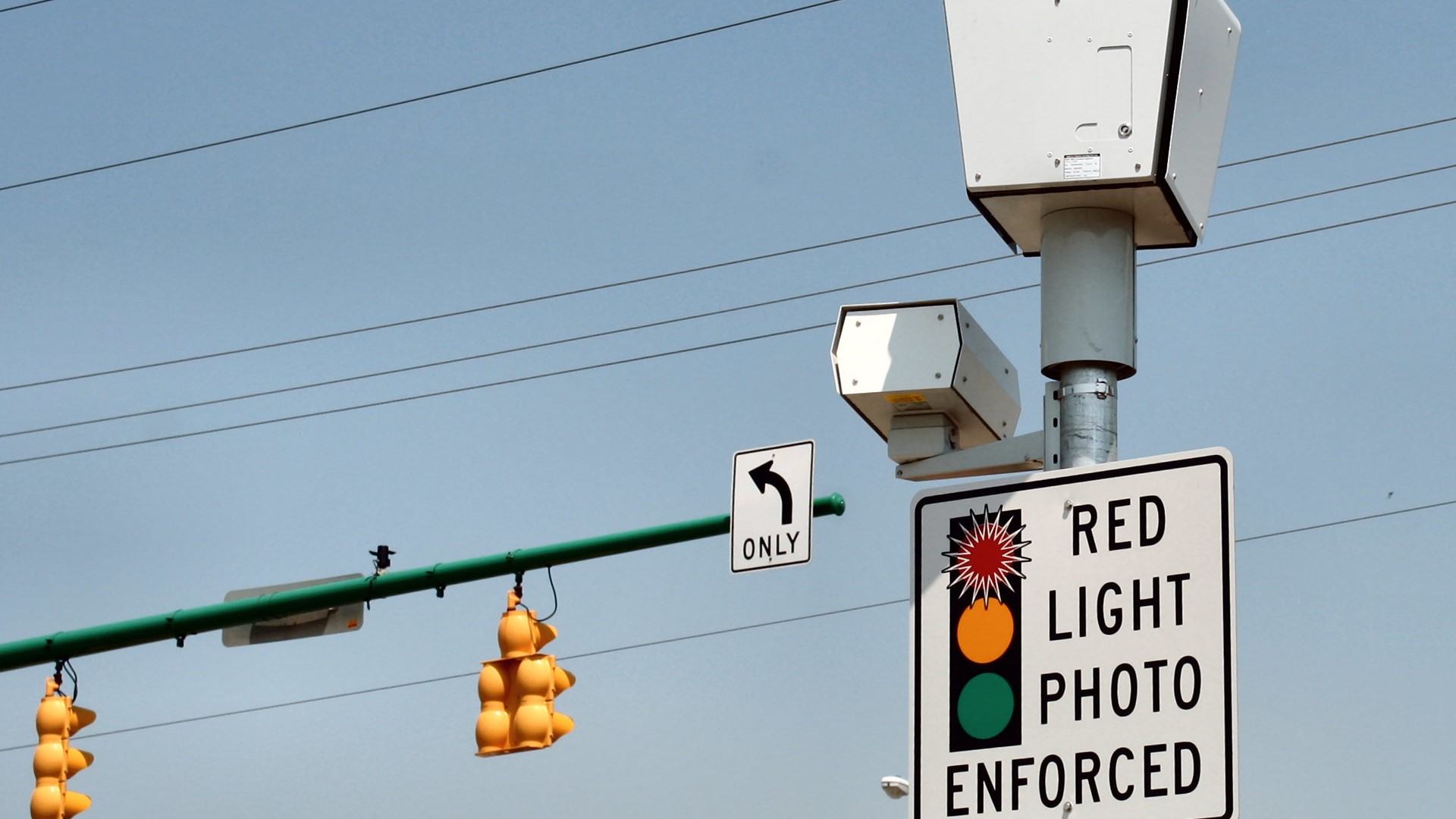
The primary goal of red light cameras is deterrence. By increasing the likelihood of being caught running a red light, authorities hope to encourage drivers to be more attentive and patient at intersections, ultimately leading to fewer crashes, injuries, and fatalities. It’s important to note that the enforcement of these cameras is governed by specific state laws and local ordinances, which can influence how the system is implemented and the penalties imposed.
The Legal Framework
The authority for municipalities and counties in Florida to operate red light camera systems is established by state statute. Specifically, Section 316.0083 of the Florida Statutes outlines the requirements and procedures for using traffic infraction detection devices. This statute dictates that such systems can only be used in conjunction with traffic control signals, and that the evidence collected must be certified by a law enforcement officer.
The law also specifies certain conditions under which a violation is considered. For instance, a vehicle must be captured entering the intersection at any time prior to the signal changing to red, or within a specific time frame after the signal has turned red. The definition of “intersection” is also precisely defined to ensure accurate enforcement. Understanding this legal backdrop is essential for comprehending the basis of the tickets issued.
How Violations Are Detected
When a vehicle is detected running a red light by a camera system, the process involves capturing multiple images. Typically, one image shows the vehicle approaching or entering the intersection while the light is still yellow or green, and another image shows the vehicle within the intersection after the light has turned red. These images are often accompanied by a video recording of the event.
Crucially, these images include details such as the license plate number of the offending vehicle, the date and time of the violation, and the location of the intersection. This data is then transmitted to a processing center where it is reviewed by trained personnel and, in many cases, a law enforcement officer. Only after this verification process is a citation mailed to the registered owner of the vehicle. This multi-step process is designed to minimize the chances of error and ensure that only genuine violations result in a ticket.
The Cost of a Red Light Camera Ticket in Florida
The financial penalty for a red light camera ticket in Florida is generally standardized, though there can be minor variations depending on the specific municipality. The base fine is set by state law.
Base Fine Amount
As of the latest legislative updates, the standard civil penalty for a red light camera violation in Florida is $158. This amount covers the infraction itself and is designed to be a significant deterrent. It’s important to understand that this is a civil penalty, not a criminal one, meaning it typically does not result in points being added to your driving record or an increase in your insurance premiums. This distinction is a key difference from moving violations that are often issued by law enforcement officers directly.
However, while the base fine is $158, it is essential to be aware of potential additional fees or surcharges that may be applied. These can sometimes increase the total amount due.
Additional Fees and Surcharges
While the $158 is the primary fine, some jurisdictions or specific circumstances might introduce additional costs. These can include:
- Court Costs: If a driver chooses to contest the ticket and appear in court, there may be associated court costs.
- Administrative Fees: In some areas, local governments may impose small administrative fees for processing these citations.
- State Surcharges: While less common for red light camera tickets compared to other traffic violations, there’s always a possibility of state-mandated surcharges being added.
It is always advisable to carefully review the citation itself, as it will detail the exact amount due and any breakdown of fees. If there is any ambiguity, contacting the issuing agency directly is the best course of action.
Potential for Increased Fines
Although the base fine is set at $158, there are scenarios where the cost could theoretically increase, though these are less common for standard red light violations. For instance, if the ticket were to be unpaid and subsequently sent to collections, significant collection fees would be added. Furthermore, if the violation were somehow escalated to a criminal offense due to extreme circumstances (which is highly unlikely for a typical red light camera ticket), the penalties would be far more severe. For the vast majority of drivers, however, the primary financial consideration remains the $158 fine.

Options for Responding to a Red Light Camera Ticket
Receiving a red light camera ticket does not automatically mean you have to pay the fine without question. Florida law provides drivers with several options for responding to these citations. Understanding these options can help you make an informed decision that best suits your circumstances.
Paying the Fine
The most straightforward option is to pay the $158 fine by the deadline specified on the citation. Payment can typically be made online, by mail, or in person at the designated payment center. Prompt payment is generally recommended to avoid any late fees or further complications. Once the fine is paid, the matter is usually considered resolved.
Contesting the Ticket
If you believe the ticket was issued in error, you have the right to contest it. This usually involves requesting a hearing before a judge or magistrate. To contest the ticket, you will need to notify the issuing authority by the deadline indicated on the citation. The process for contesting can vary slightly by jurisdiction.
Preparing Your Defense
When preparing to contest a red light camera ticket, it’s important to gather all relevant information. This might include:
- Reviewing the Evidence: You will typically be provided with copies of the images and video footage captured by the camera. Carefully examine these to identify any potential discrepancies or issues.
- Checking for Errors: Look for any errors on the ticket itself, such as incorrect vehicle information, date, or time.
- Considering Circumstances: Were you legally permitted to enter the intersection at that time? For example, were you yielding to an emergency vehicle, or was your vehicle obstructed from view?
- Seeking Legal Counsel: For complex cases or if you are unsure about the legal process, consulting with a traffic attorney can be beneficial.
The Hearing Process
During a hearing, you will have the opportunity to present your case. This might involve explaining why you believe the ticket should be dismissed. The law enforcement officer or the prosecutor may also present evidence. The judge will then make a ruling based on the evidence and arguments presented. If the ticket is dismissed, you will not have to pay the fine. If the ruling is against you, you will likely be required to pay the fine, and potentially court costs.
Requesting a Mitigation Hearing
A mitigation hearing is different from a formal contestation. In this type of hearing, you admit that the violation occurred but are seeking to reduce the penalty. This option is often used if you have a clean driving record and wish to explain extenuating circumstances. You might present a case for leniency, and the judge may, at their discretion, reduce the fine or offer an alternative penalty, such as a traffic school option. However, the availability and success of mitigation hearings can vary significantly.
Avoiding Red Light Camera Tickets
The most effective way to deal with red light camera tickets is to avoid receiving them in the first place. Adhering to traffic laws and practicing defensive driving can significantly reduce the likelihood of encountering these citations.
Understanding Signal Timing
One of the primary reasons for receiving a red light ticket is misjudging the timing of traffic signals. Drivers should always be aware of the signal’s phase. As you approach an intersection, pay attention to whether the light is green, yellow, or red. If the light turns yellow, assess your speed and distance to the intersection. If you can safely stop, it is always better to do so than to try and rush through. Trying to beat a changing light can lead to dangerous situations and costly tickets.
The “Yellow Light Rule”
While Florida law doesn’t explicitly define a “grace period” after a light turns red, the general principle is to avoid entering the intersection once the light has unequivocally turned red. The law focuses on entering the intersection prior to the signal changing to red, or within a specific timeframe after it has turned red, as determined by the camera system’s calibration. The yellow light is a warning; it signifies that the light is about to turn red. Making an informed decision during the yellow phase is crucial for safe and legal driving.

Defensive Driving Practices
Beyond just observing traffic signals, adopting general defensive driving habits is paramount:
- Maintain Safe Distances: Following too closely can make it difficult to react to sudden stops or changes in traffic.
- Scan Intersections: Before entering any intersection, even on a green light, quickly scan for potential hazards, such as pedestrians, cyclists, or vehicles running a red light from another direction.
- Avoid Distractions: Texting, talking on the phone, or engaging in other distracting activities while driving can severely impair your ability to respond to changing traffic conditions.
- Be Aware of Your Surroundings: Constantly monitor your environment, including other vehicles, road conditions, and pedestrian activity.
By incorporating these practices into your daily driving routine, you not only enhance your safety but also significantly reduce the risk of incurring red light camera tickets and other traffic violations. This proactive approach is the most cost-effective strategy for any driver in Florida and beyond.
LifeOutOfTheBox is a participant in the Amazon Services LLC Associates Program, an affiliate advertising program designed to provide a means for sites to earn advertising fees by advertising and linking to Amazon.com. Amazon, the Amazon logo, AmazonSupply, and the AmazonSupply logo are trademarks of Amazon.com, Inc. or its affiliates. As an Amazon Associate we earn affiliate commissions from qualifying purchases.