
Navigating the process of establishing residency in a new state can seem daunting, especially in a place as dynamic and multifaceted as New York. Whether your motivation is professional, personal, or driven by the allure of the Empire State’s diverse offerings, understanding the criteria and steps involved in becoming a legal resident is crucial. This guide will break down the essential elements required by New York State to officially recognize you as a resident, ensuring you meet all necessary requirements for taxation, voting, and accessing state-specific benefits and services.
Understanding the Core Concepts of Residency
New York State, like most jurisdictions, defines residency based on a combination of physical presence and intent. It’s not simply about owning property or spending a few months a year in the state; it’s about establishing a primary home and demonstrating a genuine connection that goes beyond temporary stays. The state distinguishes between “domicile” and “residence,” though for most practical purposes, establishing a primary residence is what matters for tax and legal purposes.
Domicile vs. Residence
- Domicile: This is your true, fixed, and permanent home, the place to which you intend to return whenever you are absent. You can have multiple residences but only one domicile at a time.
- Residence: This refers to any place where you spend a significant amount of time. If you have more than one residence, New York will consider your domicile as your primary residence if it’s in New York and you spend more time there than anywhere else.
For tax purposes, New York State will look at your domicile to determine your tax obligations. If your domicile is in New York, you are generally considered a resident for tax purposes, regardless of where you might physically be at certain times of the year.
The “184-Day Rule”
A common benchmark used by many states, including New York, is the “184-day rule.” If you spend 184 days or more in New York State during a tax year, you are generally presumed to be a resident. However, this is a presumption, not an absolute rule, and it can be rebutted. Conversely, spending less than 184 days does not automatically mean you are not a resident if your domicile is in New York. The key is where your primary connection lies.
Demonstrating Residency: The Practical Steps
Establishing residency is more than just meeting a day count. It requires concrete actions and documentation that prove your intent to make New York your permanent home. The state’s Department of Taxation and Finance looks for a pattern of behavior that indicates you’ve severed ties with your previous domicile and established them in New York.
Establishing a Physical Presence
This is the most straightforward aspect of residency. You need to spend a substantial amount of time living in New York. This could involve:
- Leasing or Purchasing Property: Securing an apartment in New York City or a home in a suburban area like Westchester or upstate demonstrates a commitment to residing in the state. This could range from renting a studio in Manhattan to buying a house in the Hudson Valley.
- Living in the State for Extended Periods: Consistently spending most of your time in New York is paramount. This means your primary living arrangements are within the state’s borders.
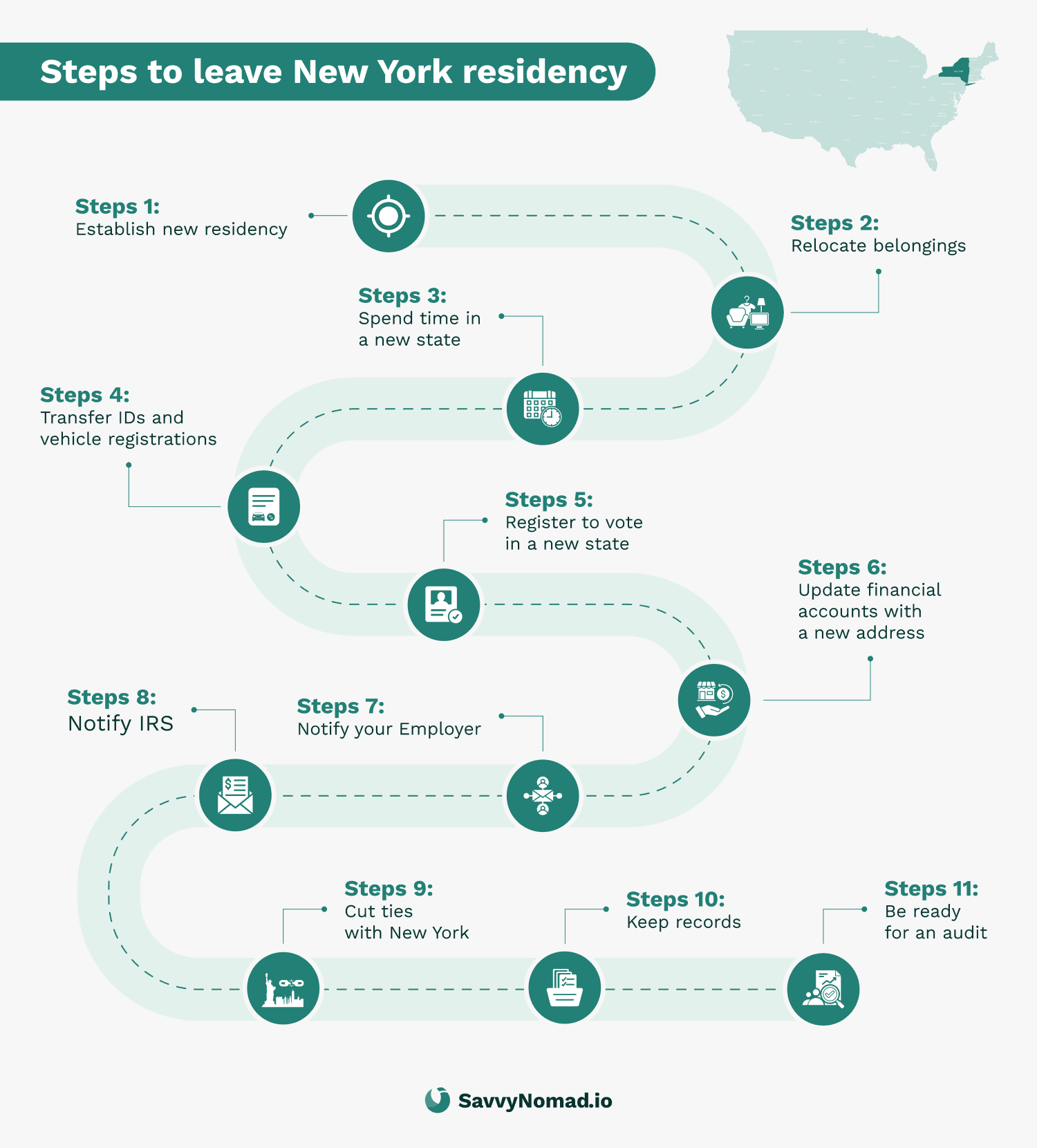
Severing Ties with Your Previous Domicile
To prove you’ve moved your permanent home, you must demonstrate that you have ended your residency in your previous state. This often involves:
- Terminating Leases or Selling Property: If you were renting, ending your lease agreement is crucial. If you owned property, selling it or making it available for rent to others can signify a severing of ties.
- Canceling Memberships and Services: This includes things like local gym memberships, country club memberships, and even subscriptions tied to your previous location.
- Transferring Vehicle Registrations and Driver’s Licenses: Once you establish New York residency, you will need to update your driver’s license and vehicle registration to reflect your new address.
- Registering to Vote: Registering to vote in New York is a strong indicator of your intent to establish roots in the state.
Establishing Ties in New York
Concurrent with severing ties elsewhere, you must build connections within New York. This reinforces your claim of residency and demonstrates your intention to become an integrated member of the community. Examples include:

- Obtaining a New York Driver’s License or State ID: This is often one of the first steps and a key piece of identification.
- Opening New York Bank Accounts: Conducting your banking within the state signifies a financial commitment.
- Securing Employment in New York: A job based in New York is a strong indicator of your intention to reside there.
- Enrolling Children in New York Schools: If you have children, their enrollment in local public or private schools is a significant factor.
- Joining New York Organizations: Becoming a member of local clubs, religious institutions, or community groups can bolster your case.
- Obtaining Professional Licenses in New York: If your profession requires licensing, obtaining a New York license is important.
Specific Considerations for Tax Purposes
For the New York State Department of Taxation and Finance, determining residency is critical for tax liability. If you are a resident, you are taxed on your worldwide income. If you are a non-resident, you are only taxed on income derived from New York sources.
The Statutory Residency Test
New York employs a statutory residency test, which has two parts:
- Permanent Home Test: If you have a permanent home in New York and spend 184 days or more in the state during the tax year, you are considered a statutory resident. You can have a permanent home outside of New York, but if you spend the majority of your time there and it’s your primary abode, it will be deemed your permanent home.
- The Connection Test: If you do not have a permanent home in New York, or if you do but spend less than 184 days there, you can still be considered a statutory resident if you spend more than 184 days in New York AND you do not have a permanent home outside of New York. This means if you are homeless in New York and spend more than half the year there, you will be considered a resident.
Even if you don’t meet the statutory residency test, if your domicile is in New York, you are still considered a resident for tax purposes. The Department of Taxation and Finance will examine all the facts and circumstances to determine your domicile.
What Constitutes a “Permanent Home”?
A permanent home is a dwelling unit that is available for your use on a continuing basis. It can be a house, apartment, condo, or even a boat, as long as it is kept available for your occupancy. It does not need to be the place you spend the most time, but it must be a place you consider your fixed or permanent home.
Special Circumstances and Considerations
Certain situations can complicate the determination of residency. Understanding these can help you navigate potential challenges.
Military Personnel
Members of the U.S. Armed Forces serving on active duty outside of New York are generally not considered residents of New York, even if their domicile was previously in the state. Their domicile is considered to remain in New York if they were a resident at the time they entered military service. However, their spouse and dependents may establish residency if they physically reside in New York.
Students
Students attending educational institutions in New York are generally considered non-residents, even if they spend a significant amount of time in the state. Their domicile is typically considered to be the place they came from to attend school. However, if a student graduates and remains in New York to take up employment, they may then establish residency.
Part-Year Residents
If you move into or out of New York during the tax year, you will be considered a part-year resident. You will be taxed on your income from the date you become a resident until the date you leave. You will need to file a part-year resident tax return.

Seeking Professional Advice
The intricacies of residency rules can be complex, and individual circumstances vary widely. If you are unsure about your residency status, or if your situation involves multiple states or international connections, it is highly recommended to consult with a qualified tax professional or an attorney specializing in tax and residency matters. They can provide personalized guidance based on your specific situation and help ensure you comply with all New York State laws and regulations. Properly establishing your residency is key to fully enjoying all that New York has to offer, from its vibrant cities like Buffalo and Rochester to its stunning natural landscapes in the Adirondacks.
LifeOutOfTheBox is a participant in the Amazon Services LLC Associates Program, an affiliate advertising program designed to provide a means for sites to earn advertising fees by advertising and linking to Amazon.com. Amazon, the Amazon logo, AmazonSupply, and the AmazonSupply logo are trademarks of Amazon.com, Inc. or its affiliates. As an Amazon Associate we earn affiliate commissions from qualifying purchases.