
Navigating the labyrinth of regulations surrounding home improvement projects can often feel like a daunting task, particularly when it comes to structures like sheds. In the Sunshine State, the question of whether a permit is necessary for a shed installation is a common one, and the answer hinges on a few key factors, primarily size and intended use. Understanding these criteria is crucial for homeowners in Florida to avoid potential fines, costly removal orders, and significant project delays. This guide aims to demystify the permit requirements for sheds across the diverse municipalities and counties of Florida, providing clarity for those looking to enhance their property with additional storage or workshop space.
Understanding Florida’s Building Codes and Sheds
Florida operates under a comprehensive set of building codes designed to ensure the safety, structural integrity, and resilience of all constructions. The Florida Building Code is the overarching standard, but individual cities and counties can adopt and amend these codes, often with their own specific ordinances. For sheds, the primary concerns revolve around their size, foundation, proximity to property lines, and whether they will be permanently affixed to the land.
The Size Threshold: Where Permits Typically Kick In
While there isn’t a single, universal size threshold that applies to every single jurisdiction in Florida, a general rule of thumb exists. Many local governments consider sheds of 100 square feet or less to be exempt from needing a permit, provided they are considered “accessory structures” and meet certain other conditions. However, this is far from a guarantee.
- The 100 Square Foot Guideline: This figure often serves as a starting point. A shed measuring 10 feet by 10 feet, for example, falls within this common limit. However, it’s critical to remember that this is a guideline, not an absolute law. Some municipalities might have a slightly lower threshold, while others might be more lenient.
- Beyond the 100 Square Foot Mark: Once a shed exceeds 100 square feet (e.g., a 10×12 shed or larger), the likelihood of requiring a permit dramatically increases. These larger structures are more likely to be viewed as significant additions to the property that could impact structural integrity, utility lines, and neighborhood aesthetics.
- Height Considerations: In addition to square footage, the height of a shed can also play a role in permit requirements. Taller structures may be subject to different regulations, especially if they approach the height of the main dwelling or pose potential wind load concerns, a significant factor in Florida due to hurricane risks.
Foundation and Permanence: Key Indicators for Permit Needs
Beyond mere dimensions, how a shed is affixed to the ground and its intended longevity are crucial determinants for permit requirements.
- On-Grade vs. Permanent Foundations: Sheds that are simply placed on a level gravel base or concrete blocks and can be easily moved are often treated differently than those installed with a permanent concrete slab foundation or piers. A permanent foundation suggests a more substantial, long-term installation that falls under stricter building code scrutiny. The Florida Building Code often mandates specific foundation requirements for structures intended for long-term use.
- Anchoring and Wind Resistance: Given Florida’s susceptibility to severe weather, particularly hurricanes, the anchoring and wind-resistance of any structure are paramount. Even smaller sheds might require permits if they need to be heavily anchored to meet local wind load requirements. This is especially true in coastal areas or regions prone to high winds.
- Utility Connections: If a shed is intended to house electricity, plumbing, or any other utility, it will almost certainly require a permit. These installations involve licensed professionals and adherence to specific safety standards for electrical and plumbing work.
Local Ordinances: The Deciding Factor for Florida Homeowners
While the Florida Building Code sets the statewide framework, the ultimate authority on permit requirements often rests with your local city or county building department. These local authorities are responsible for enforcing the building code and have the power to establish additional regulations that meet their community’s specific needs and zoning laws.
Navigating Your Local Building Department
The most reliable way to determine if your shed project requires a permit is to directly consult your local building department. This is a proactive step that can save a significant amount of time, money, and potential headaches.
- Who to Contact: Identify the building and zoning department for your specific city or county. This information is typically available on your local government’s official website. Many departments also have a direct phone line for permit inquiries.
- What Information to Provide: Be prepared to share details about your planned shed, including:
- Dimensions: Length, width, and height.
- Foundation Type: Slab, blocks, skids, piers.
- Intended Use: Storage, workshop, potting shed, etc.
- Location on Property: Proximity to property lines, main dwelling, and any easements.
- Materials: While not always required for initial inquiries, knowing your proposed materials can be helpful.
- Ask Specific Questions: Don’t hesitate to ask direct questions like:
- “Is a permit required for a shed of X square feet?”
- “Are there specific setback requirements from property lines for accessory structures?”
- “What are the foundation requirements for a shed of this size?”
- “Are there any height restrictions for accessory buildings?”
- “What is the process for obtaining a permit if one is needed?”
Common Local Regulations to Consider
Beyond the permit itself, local ordinances often dictate other aspects of shed installation that you should be aware of.
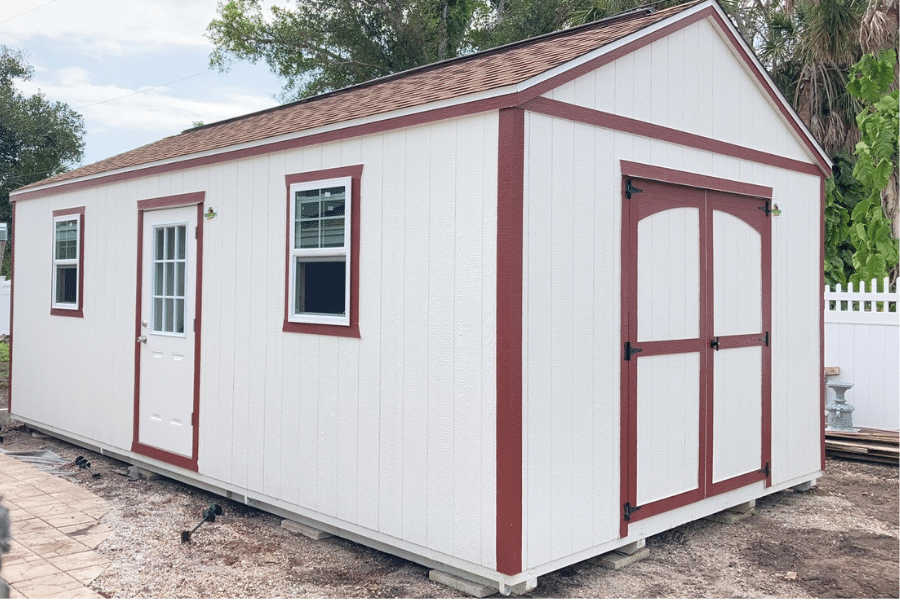
- Setbacks: These are rules that specify how close a structure can be built to property lines, fences, and other buildings. Proper setbacks are crucial to avoid disputes with neighbors and comply with zoning laws. Typically, sheds are required to be a certain distance from rear and side property lines.
- Easements: Be mindful of any utility easements on your property. You cannot build permanent structures over these easements, as utility companies need access.
- Homeowners Associations (HOAs): If you live in a community governed by a Homeowners Association, you will likely need to submit your shed plans for their approval in addition to any required city or county permits. HOAs often have aesthetic guidelines that must be followed.
- Zoning Laws: Local zoning laws dictate what types of structures are permitted in specific residential areas. Your shed must comply with these zoning designations.
The Permit Process in Florida
If your shed project does require a permit, understanding the process will help you navigate it smoothly.
Application and Documentation
The permit application process typically involves submitting a detailed application form along with supporting documents.
- Permit Application Form: This is the primary document where you’ll provide all the project details.
- Site Plan: A drawing of your property showing the proposed location of the shed, its dimensions, and its proximity to property lines and existing structures.
- Building Plans/Drawings: For larger or more complex sheds, you may need to provide detailed drawings of the shed’s construction, including foundation, framing, and roofing. These may need to be stamped by a licensed architect or engineer depending on the scale of the project and local requirements.
- Proof of Ownership: You may need to provide documentation proving you own the property.
Fees and Inspections
Permits come with associated fees, and the process often includes mandatory inspections.
- Permit Fees: The cost of a permit varies significantly depending on the jurisdiction and the estimated value of the construction. Fees are generally calculated based on the size and complexity of the project.
- Construction Inspections: Once your permit is issued and construction begins, your local building department will likely require inspections at various stages of the building process. This might include inspections for the foundation, framing, and final completion. These inspections ensure that the work is being done according to the approved plans and complies with building codes.
Consequences of Skipping Permits
Ignoring permit requirements can lead to a cascade of negative consequences, making the initial investment of time and money in the permit process seem trivial.
Legal and Financial Ramifications
- Stop-Work Orders: If discovered during construction, building officials can issue a stop-work order, halting all progress until the proper permits are obtained.
- Fines and Penalties: Unpermitted structures often incur significant fines. These can be substantial and may accrue daily until the issue is resolved.
- Order to Remove: In severe cases, you could be ordered to dismantle and remove the unpermitted shed entirely, at your own expense.
- Insurance Issues: Your homeowner’s insurance policy may be invalidated if you have unpermitted structures on your property. In the event of damage or an accident related to the shed, your insurance claim could be denied.
- Resale Complications: When you decide to sell your home, unpermitted structures can create significant hurdles. Potential buyers may be hesitant, or lenders may refuse to finance a sale if unpermitted work is discovered. You might be forced to retroactively apply for permits, which can be costly and may require modifications to meet current codes, or even be required to remove the structure before closing.
Safety Concerns
Permits and inspections are in place not just for bureaucratic reasons but also to ensure the safety of your family and community. Unpermitted sheds may not be built to withstand Florida’s unique environmental challenges, such as high winds and intense rain, potentially posing a risk of collapse or damage to neighboring properties.
Conclusion: Proactive Planning for Peace of Mind
In conclusion, while the allure of a quick and easy shed installation is strong, understanding and adhering to Florida’s permit requirements is essential. The general guideline of sheds under 100 square feet not requiring a permit is a starting point, but it is not a universal rule. Local ordinances, foundation types, intended use, and height all play significant roles in determining permit necessity.
The most prudent approach is to always contact your local city or county building department before purchasing or beginning construction on any shed. This proactive step will not only ensure compliance with the law but also provide peace of mind, knowing your project is safe, legal, and will not become a costly burden down the line. By investing a little time in due diligence, you can ensure your new shed serves its purpose effectively and adds lasting value to your home in Florida.
LifeOutOfTheBox is a participant in the Amazon Services LLC Associates Program, an affiliate advertising program designed to provide a means for sites to earn advertising fees by advertising and linking to Amazon.com. Amazon, the Amazon logo, AmazonSupply, and the AmazonSupply logo are trademarks of Amazon.com, Inc. or its affiliates. As an Amazon Associate we earn affiliate commissions from qualifying purchases.