
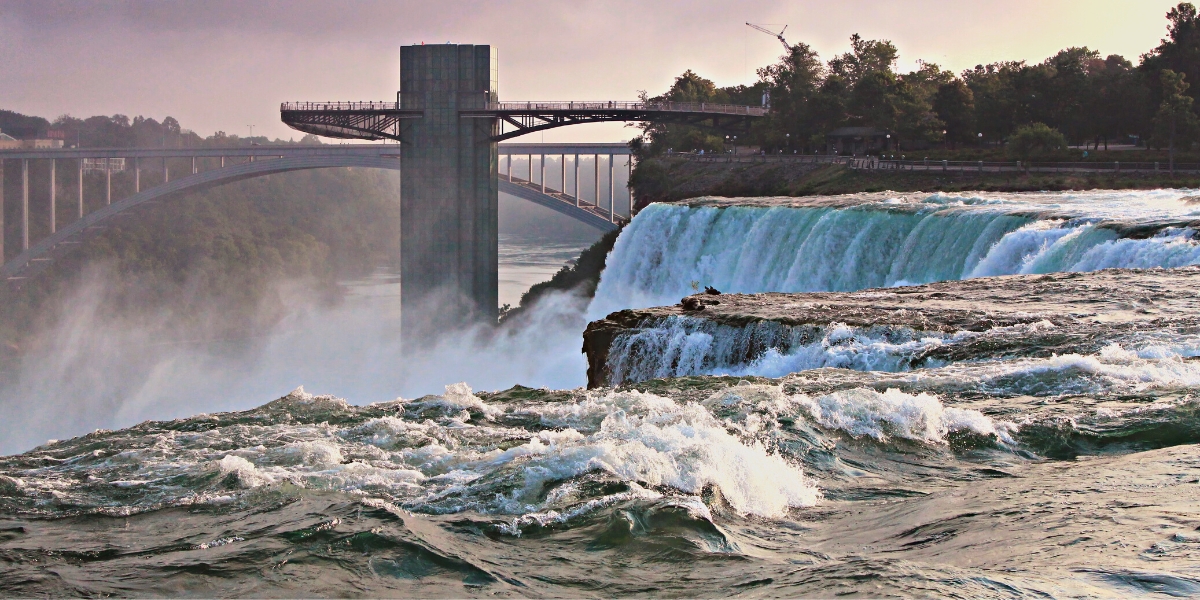
Planning a trip from the bustling metropolis of New York City to the majestic Niagara Falls is an adventure that promises breathtaking natural beauty and a welcome escape from urban life. This iconic natural wonder, straddling the border between Canada and the United States, offers a truly unforgettable experience. The journey from New York City can be approached in several ways, each offering a unique perspective and catering to different travel styles, budgets, and time constraints. Whether you prefer the speed and convenience of air travel, the scenic route by car, or the more relaxed pace of a train or bus, there are ample options to get you to the thundering cascades.
Exploring Transportation Options
The distance between New York City and Niagara Falls is approximately 400 miles (640 kilometers), a significant distance that necessitates careful planning. The primary gateway to the American side of the falls is the city of Niagara Falls, New York, while its Canadian counterpart is Niagara Falls, Ontario. Understanding these distinctions is crucial, especially when considering border crossings.
By Air: The Fastest Route
For those prioritizing speed and efficiency, flying is the most direct method. The journey involves flying from one of New York City’s major airports – John F. Kennedy International Airport (JFK), LaGuardia Airport (LGA), or Newark Liberty International Airport (EWR) – to the Niagara Falls International Airport (IAG) in New York.
Several airlines offer flights connecting these cities, though direct flights are not always available, often requiring a layover in a hub city like Charlotte, Philadelphia, or Detroit. Flight durations typically range from 1.5 to 3 hours, not including potential layover times.
Upon arrival at Niagara Falls International Airport (IAG), visitors will need to arrange transportation to their accommodation or the falls themselves. Options include:
- Taxis and Ride-Sharing Services: Readily available at the airport.
- Rental Cars: Many major car rental agencies operate at IAG, offering flexibility for exploring the surrounding region.
- Shuttles: Some hotels offer shuttle services, and public transportation options might be available, though often less frequent.
It’s important to note that flying into Buffalo Niagara International Airport (BUF) is also a viable option. Buffalo Niagara International Airport is larger and may offer more flight options, with a drive of approximately 30-45 minutes to Niagara Falls, New York.
By Car: The Scenic and Flexible Approach
Driving from New York City to Niagara Falls offers the greatest flexibility and allows for exploration of charming towns and scenic landscapes along the way. The most common route primarily utilizes Interstate highways.
Recommended Driving Route:
- Start in New York City: Navigate out of the city via George Washington Bridge or Lincoln Tunnel to reach Interstate 80 West.
- I-80 West: Follow I-80 West through New Jersey and into Pennsylvania.
- I-380 North: In Pennsylvania, transition to I-380 North, which will merge with I-81 North.
- I-81 North: Continue on I-81 North through the scenic Central New York region.
- I-90 West (New York State Thruway): Near Syracuse, merge onto I-90 West, the New York State Thruway. This is a toll road, so be prepared for toll collection.
- Exit for Niagara Falls: Take Exit 50 from I-90 West towards I-290 West and then I-190 North, which will directly lead you to Niagara Falls, New York.
Driving Time and Considerations:
The direct driving time is typically around 6 to 7 hours, without accounting for stops or traffic. However, it is highly recommended to break this journey into two days, allowing for rest and exploration. Potential stopover points include cities like Scranton, Pennsylvania, or charming towns in the Finger Lakes region of New York.
Essential considerations for a road trip:
- Vehicle Check: Ensure your vehicle is in good condition, with checked tires, oil, and fluids.
- Navigation: GPS devices or reliable map applications are indispensable.
- Tolls: Factor in the cost of tolls, especially on the New York State Thruway.
- Weather: Be aware of seasonal weather conditions, particularly winter storms that can impact driving conditions.
- Parking: Parking at Niagara Falls State Park and surrounding areas is available but can be costly, especially during peak season.
By Train: A Relaxed Journey
Amtrak offers a rail service from New York City to Niagara Falls, New York. This option provides a comfortable and scenic way to travel, allowing passengers to relax and enjoy the changing landscapes without the stress of driving.
Train Route and Stations:
Trains typically depart from Penn Station in Manhattan. The most common route involves taking the “Maple Leaf” train, which travels north through upstate New York. The journey is quite lengthy, often taking around 9 to 10 hours, and may involve a change of trains.
Niagara Falls Train Station:
The Amtrak station in Niagara Falls, New York, is conveniently located within walking distance of many hotels and attractions, or a short taxi/ride-share away from the actual falls.
Advantages of train travel:
- Comfort: Ample legroom and the ability to move around the train.
- Scenery: Enjoy views of the New York countryside.
- Relaxation: Avoid the hassles of driving and traffic.
- Sustainability: A more environmentally friendly option compared to flying or driving alone.
Disadvantages:
- Duration: The longest travel time among the primary options.
- Limited Flexibility: Less ability to make spontaneous stops.

By Bus: The Budget-Friendly Choice
For budget-conscious travelers, bus services offer an economical way to reach Niagara Falls from New York City. Companies like Greyhound and Peter Pan Bus Lines operate routes connecting these destinations.
Bus Depots and Travel Time:
Buses typically depart from Port Authority Bus Terminal in Manhattan. The journey is generally longer than by train or car, often ranging from 8 to 11 hours, depending on the route and number of stops.
Arrival in Niagara Falls:
Bus terminals are usually centrally located, providing access to local transportation or the ability to walk to nearby accommodations.
Pros of bus travel:
- Cost-Effective: Often the cheapest option.
- Accessibility: Numerous departure and arrival points.
Cons of bus travel:
- Comfort: Can be less comfortable for long journeys compared to trains or planes.
- Time: The longest travel time.
- Limited Amenities: Fewer amenities onboard compared to trains or planes.
Crossing the Border: The Canadian Side
A significant portion of the appeal of visiting Niagara Falls lies in experiencing both the American and Canadian perspectives. The Canadian side, particularly Niagara Parks in Ontario, offers arguably more panoramic and iconic views of the Horseshoe Falls.
Requirements for Crossing:
- Valid Identification: U.S. citizens typically need a Passport, Passport Card, or an Enhanced Driver’s License (EDL) to cross into Canada and re-enter the United States. Non-U.S. citizens should verify specific requirements for their nationality.
- Visa Requirements: Depending on your nationality, you may need a visa to enter Canada.
- Vehicle Documentation: If driving, ensure you have your vehicle registration and proof of insurance.
Border Crossing Points:
The most common border crossings near Niagara Falls are the Rainbow Bridge and the Lewiston-Queenston Bridge. Expect potential delays, especially during peak travel times and holidays.
Transportation from the Canadian Side:
Once on the Canadian side, the city of Niagara Falls, Ontario, offers a vibrant tourist hub. Transportation options include:
- WEGO Bus System: A hop-on, hop-off bus service specifically designed for tourists, connecting accommodations with Niagara Parks attractions.
- Taxis and Ride-Sharing: Available throughout the city.
- Walking: Many attractions and hotels are clustered along the Niagara Parkway, making walking feasible.
Planning Your Itinerary
Regardless of your chosen mode of transportation, effective planning is key to maximizing your Niagara Falls experience.
Duration of Stay
A minimum of two days is recommended to fully appreciate the falls and surrounding attractions. One day can be dedicated to the American side (e.g., Niagara Falls State Park, Maid of the Mist) and another to the Canadian side (e.g., Niagara Parks, Clifton Hill). Extending your stay allows for day trips to nearby areas like Buffalo or the Niagara-on-the-Lake wine region.
Accommodation Options
Niagara Falls offers a wide range of accommodation, from budget-friendly motels to luxurious hotels and resorts.
- American Side (New York): Look for hotels in the city of Niagara Falls, New York, many of which are within walking distance of the park or offer shuttle services.
- Canadian Side (Ontario): The Canadian side boasts a more extensive selection of hotels, many with spectacular falls views. Popular areas include along the Niagara Parkway and the bustling Clifton Hill district.
Key Attractions to Consider
- Niagara Falls State Park (USA): Explore Goat Island, Luna Island, and Terrapin Point for close-up views.
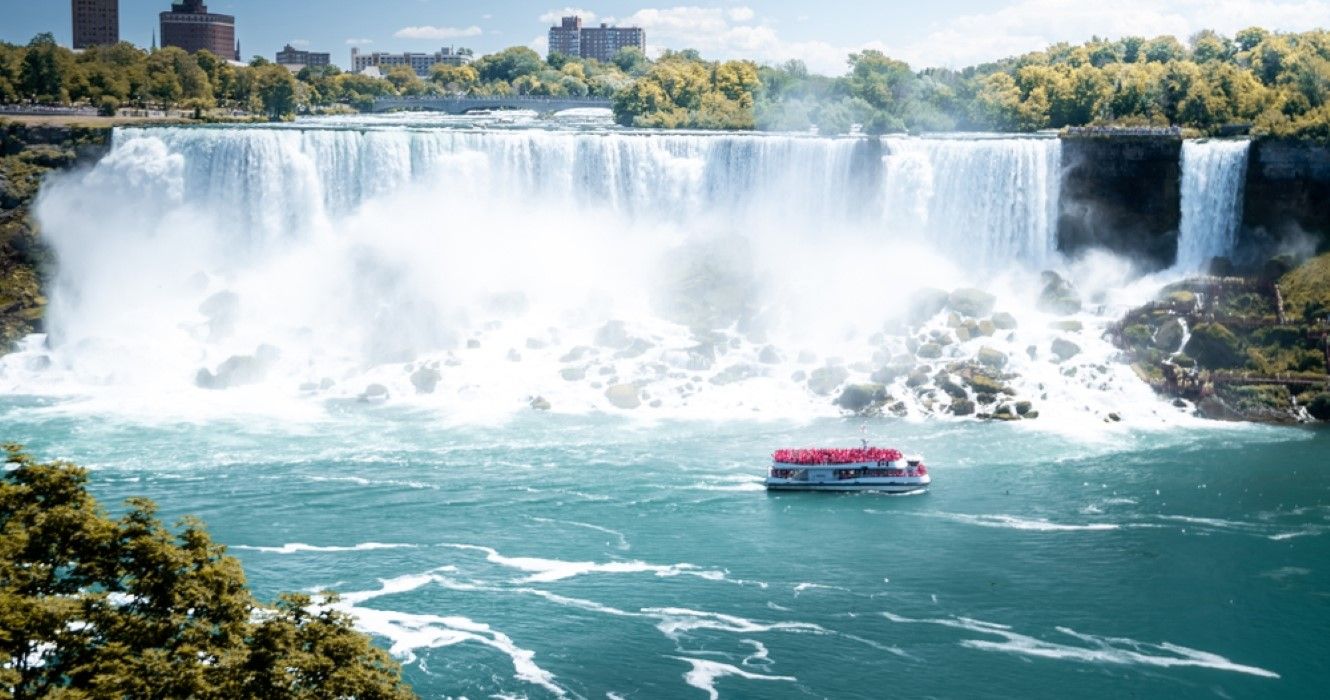
- Maid of the Mist (USA): An iconic boat tour that takes you to the base of the American and Horseshoe Falls.
- Cave of the Winds (USA): Walk on wooden walkways to experience the powerful Bridal Veil Falls.
- Journey Behind the Falls (Canada): Descend to observation decks behind the thundering Horseshoe Falls.
- Hornblower Niagara Cruises (Canada): The Canadian equivalent of the Maid of the Mist, offering stunning perspectives.
- Skylon Tower (Canada): Offers panoramic views of the falls and the surrounding region from its observation deck.
- Clifton Hill (Canada): A vibrant entertainment district with attractions, restaurants, and souvenir shops.
By carefully considering these transportation and planning factors, your journey from the concrete jungle of New York City to the awe-inspiring power of Niagara Falls will be a smooth and memorable adventure.
LifeOutOfTheBox is a participant in the Amazon Services LLC Associates Program, an affiliate advertising program designed to provide a means for sites to earn advertising fees by advertising and linking to Amazon.com. Amazon, the Amazon logo, AmazonSupply, and the AmazonSupply logo are trademarks of Amazon.com, Inc. or its affiliates. As an Amazon Associate we earn affiliate commissions from qualifying purchases.