
Exploring the nuances of urban foraging and its legal standing within the bustling metropolis of New York can be a complex endeavor. For many, the practice of dumpster diving, often driven by necessity or a desire for sustainability, raises significant questions about its legality. This exploration delves into the laws and regulations governing the retrieval of discarded items from commercial and residential dumpsters within the Empire State, focusing on the unique landscape of New York City and its surrounding areas. Understanding these regulations is crucial for anyone considering this activity, whether for personal use or as part of a broader ethical consumption movement.

Navigating the Legal Labyrinth of Dumpster Diving
The legality of dumpster diving is not a straightforward “yes” or “no” answer in New York. It is a multifaceted issue influenced by several legal principles and varying interpretations. At its core, the question revolves around property rights and the concept of abandonment. When an individual or business discards an item, it is generally considered to have been relinquished by its owner. However, the location and security of that discarded item play a significant role in determining whether it is still legally protected.
The Doctrine of Abandonment and Expectation of Privacy
In the United States, a widely cited Supreme Court case, California v. Greenwood, established that there is no reasonable expectation of privacy in trash left at the curb for collection. This precedent has often been applied to dumpster diving cases. However, the application of this doctrine within New York is not as simple as it may seem. The key distinction often lies between trash placed for public collection and trash still within the private property of the individual or entity that discarded it.
Trash at the Curb vs. Trash on Private Property
When garbage is placed at the curb in New York, awaiting collection by municipal services or private haulers, it is generally considered abandoned and accessible. However, dumpsters located on private property, such as behind a business or within a gated community, present a different legal scenario. Entering private property without permission to access a dumpster can be construed as trespassing. Even if the contents are considered abandoned, the act of accessing them by violating property boundaries can lead to legal repercussions.
Trespassing Laws in New York
New York’s penal law defines trespassing as knowingly entering or remaining unlawfully in a building or upon real property. This includes areas that are fenced or otherwise enclosed in a manner designed to exclude intruders. For dumpster divers, this means that if a dumpster is situated on private land, even if it’s technically accessible from a public sidewalk, entering the premises to retrieve items could be considered trespassing. The degree of the offense can range from a violation to a misdemeanor, depending on the circumstances and the intent of the individual.
Identifying Private Property
Differentiating between public and private property can sometimes be challenging in urban environments. Generally, areas that are not publicly accessible, are marked with “No Trespassing” signs, or are visibly part of a private business’s or residence’s grounds should be treated as private property. Dumpsters located within fenced-in areas, behind locked gates, or on lots clearly marked as private are usually off-limits without explicit permission.
State and Local Ordinances
Beyond general trespassing laws, New York may have specific local ordinances that address dumpster diving or the handling of discarded materials. These ordinances can vary significantly between different counties and municipalities. For instance, some cities might have regulations aimed at preventing the spread of disease or maintaining public order, which could indirectly impact dumpster diving activities.
The Case of Food Waste and Health Regulations
A particular area of concern for dumpster divers, especially those focused on food, involves health and safety regulations. While food found in dumpsters might be considered abandoned, there are often strict laws regarding the sale or distribution of food that has not been handled according to health codes. Consuming such food is a personal risk, but any attempt to profit from it or redistribute it could lead to legal trouble, particularly if it violates public health statutes. Businesses may also have policies against allowing individuals to remove items from their dumpsters due to liability concerns.
Private Property vs. Public Property: A Crucial Distinction
The most critical factor in determining the legality of dumpster diving in New York is the nature of the property where the dumpster is located. Understanding this distinction can prevent potential legal entanglements.
Publicly Accessible Areas
Dumpsters placed at the curb in residential neighborhoods or in designated public refuse areas, where there is a clear intent for the garbage to be collected by a public or private service, are generally considered fair game. In these instances, the items are largely seen as abandoned, and the act of taking them does not typically involve trespassing. However, even in public areas, it’s wise to be mindful of any posted signage or local rules.
Private Property Considerations
Conversely, dumpsters situated on private property pose a greater legal risk. This includes dumpsters behind supermarkets, restaurants, office buildings, apartment complexes, and shopping malls. Entering the property to access these dumpsters can constitute trespassing. Some businesses may also have “anti-loitering” or “no soliciting” policies that could be invoked by security or law enforcement if individuals are found on their premises.
The Importance of “No Trespassing” Signs
While the absence of “No Trespassing” signs does not automatically grant permission to enter private property, their presence serves as a clear warning. Ignoring such signs can strengthen a case for intentional trespassing. Responsible dumpster divers will always respect these boundaries.

Specific Laws and Cases in New York
While there isn’t a singular, overarching state law explicitly criminalizing dumpster diving across all scenarios in New York, the legality is pieced together through existing statutes.
Criminal Mischief and Larceny
In certain situations, dumpster diving could potentially fall under other statutes. For example, if a dumpster is damaged during the retrieval of items, charges of criminal mischief could be filed. If the items taken were not clearly abandoned and had significant value, there’s a theoretical, though less common, possibility of larceny charges, particularly if the owner can prove intent to steal. However, these are typically secondary concerns compared to trespassing.
Business Policies and Civil Liability
Beyond criminal law, businesses in New York have the right to set their own policies regarding their property and discarded items. Many businesses, particularly large chains like Walmart or grocery stores, actively discourage dumpster diving. They may implement measures to secure their dumpsters, such as locks or security patrols, to prevent access. While these policies are not criminal laws, violating them can lead to being asked to leave the premises, being banned from the property, or even facing civil action for damages or trespass.
The Liability Argument
Businesses often cite liability as a reason to prevent dumpster diving. They may be concerned about potential lawsuits if someone is injured while accessing their dumpsters or if they consume contaminated food found within. By restricting access, they aim to mitigate these risks.
Best Practices and Ethical Considerations for Dumpster Divers in New York
For those who choose to engage in dumpster diving in New York, adhering to certain best practices and ethical guidelines is paramount to minimizing legal risks and fostering positive community relations.
Respect Private Property
The golden rule is to always respect private property boundaries. If a dumpster is not clearly on public property or readily accessible from the sidewalk, it is best to avoid it. Look for dumpsters placed in alleys that are publicly accessible or on the street.
Avoid Damaging Property
Never force open locks, break fences, or damage dumpsters or surrounding property. Such actions are not only illegal but also create negative perceptions of dumpster diving and can lead to more stringent security measures.
Be Discreet and Considerate
Diving in populated areas or during business hours can attract unwanted attention. Being discreet and considerate of residents, employees, and other members of the public is important. Avoid creating a mess or leaving materials scattered.
Understand Food Safety
If pursuing food, understand the inherent risks. Food from dumpsters may be contaminated, expired, or improperly stored. It is crucial to be aware of potential health hazards and to practice safe handling and preparation if consuming such items. Many experienced divers have developed specific knowledge about identifying safe food items.
Be Aware of Local Laws
While this guide provides general information, it’s always advisable to be aware of any specific local ordinances in the New York area you are exploring. A quick search of municipal codes or community forums can sometimes provide valuable insights.
Network with Other Divers
Connecting with experienced dumpster divers in New York can provide invaluable practical advice, information on local laws, and insights into the best and safest locations. Online communities and forums can be a good starting point for this networking.
Conclusion: A Landscape of Nuance
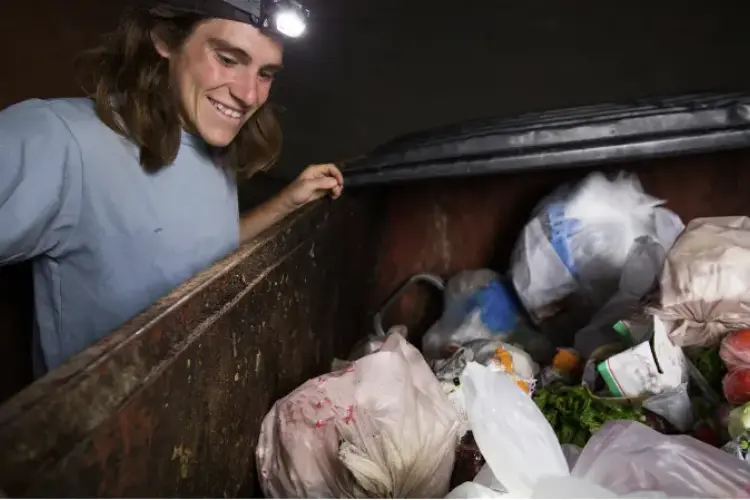
In conclusion, while New York does not have a blanket ban on dumpster diving, its legality is heavily dependent on the location of the dumpster and the associated property rights. The general principle is that items left at the curb for collection are usually accessible, while those on private property are not, and accessing them without permission can constitute trespassing. For individuals considering dumpster diving in New York, a thorough understanding of these legal distinctions, combined with a commitment to respecting private property and acting responsibly, is essential for navigating this practice safely and legally. The pursuit of discarded goods, whether for economic reasons or environmental advocacy, must be balanced with a keen awareness of the law and the rights of property owners.
LifeOutOfTheBox is a participant in the Amazon Services LLC Associates Program, an affiliate advertising program designed to provide a means for sites to earn advertising fees by advertising and linking to Amazon.com. Amazon, the Amazon logo, AmazonSupply, and the AmazonSupply logo are trademarks of Amazon.com, Inc. or its affiliates. As an Amazon Associate we earn affiliate commissions from qualifying purchases.