
Florida, a state synonymous with sunshine, beaches, and vibrant tourism, has been a focal point in discussions surrounding cannabis legalization. For travelers and residents alike, understanding the legal status of marijuana is crucial for a smooth and compliant experience. This exploration delves into the nuances of cannabis laws in the Sunshine State, examining the current landscape, historical context, and future possibilities.
The Current State of Medical Marijuana in Florida
Florida has a well-established medical marijuana program, offering a pathway for patients with qualifying conditions to access cannabis for therapeutic purposes. This program, enacted through the Florida Medical Marijuana Legalization Initiative (also known as Amendment 2) in 2016, has significantly expanded access since its inception.

Qualifying Conditions and Patient Registration
To legally obtain and use medical marijuana in Florida, individuals must be diagnosed with a debilitating medical condition. The list of qualifying conditions is extensive and includes, but is not limited to:
- Cancer
- Glaucoma
- HIV/AIDS
- Amyotrophic Lateral Sclerosis (ALS)
- Parkinson’s Disease
- Multiple Sclerosis (MS)
- Crohn’s Disease
- Post-Traumatic Stress Disorder (PTSD)
- Chronic non-malignant pain caused by a qualifying medical condition or the symptoms thereof
- Any other state-of-homelessness that is severe, persistent, and debilitating, as defined by a qualified physician.
Once a patient has a qualifying condition, they must be evaluated by a qualified physician registered with the Florida Department of Health. This physician will determine if medical marijuana is an appropriate treatment option. If approved, the physician will submit the patient’s information to the state’s Medical Marijuana Use Registry. Patients then receive an identification card, which is necessary to legally purchase and possess medical cannabis from licensed dispensaries.
Accessing Medical Marijuana
Florida’s medical marijuana program is regulated, with licensed dispensaries operating across the state. These dispensaries offer a variety of cannabis products, including:
- Flower: Dried cannabis buds, often used for vaporization or smoking.
- Oils and Tinctures: Concentrated forms of cannabis that can be ingested or placed under the tongue.
- Edibles: Food products infused with cannabis, offering a discreet and longer-lasting effect.
- Topicals: Creams and balms applied to the skin for localized relief.
- Vape Pens: Devices used to inhale cannabis concentrates.
It is important for patients and caregivers to understand the potency and dosage recommendations for different products to ensure safe and effective use. The Florida Department of Health provides resources and guidelines for patients regarding responsible use.
Recreational Marijuana: The Current Legal Standing
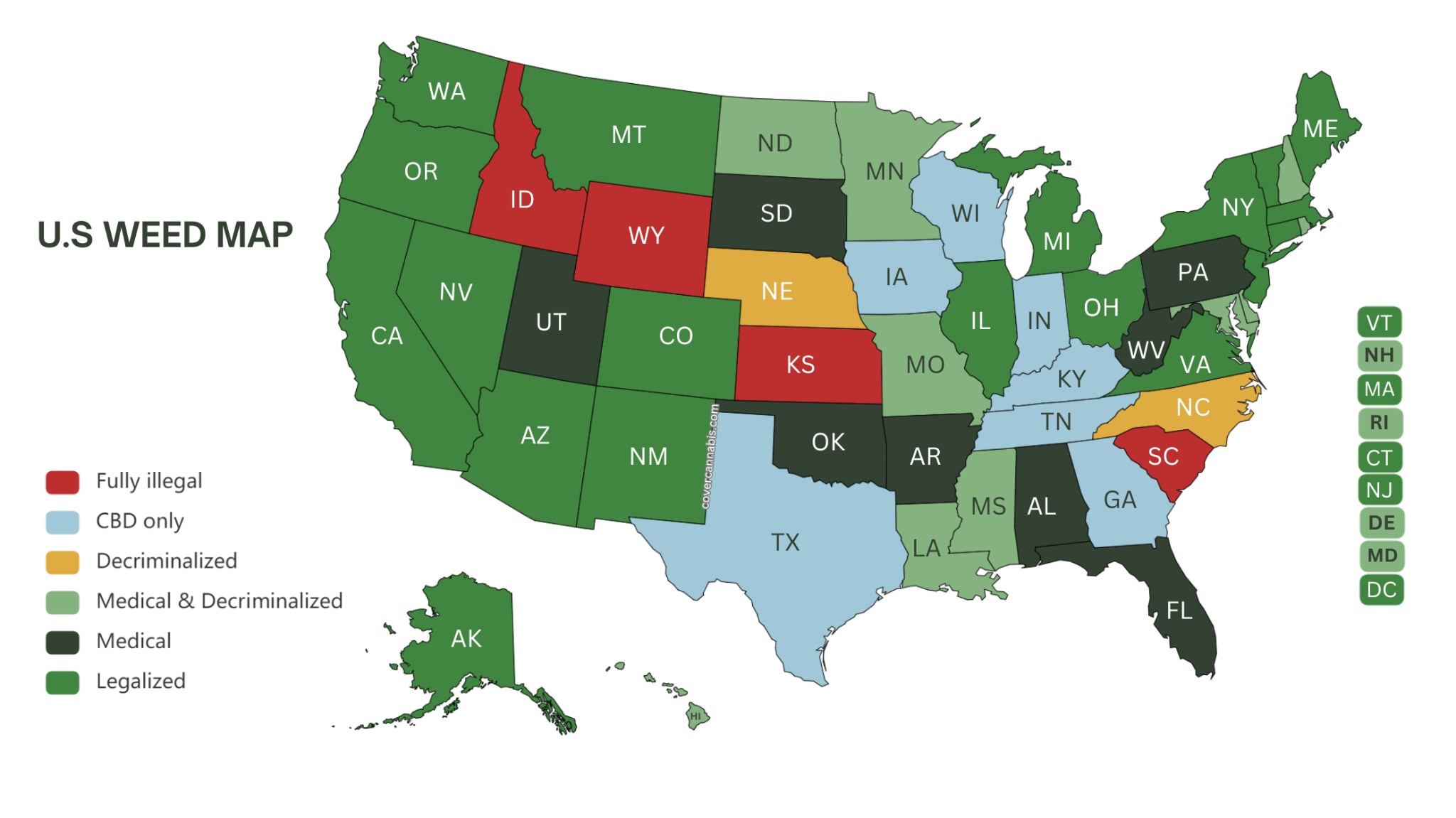
As of now, recreational marijuana, also known as adult-use cannabis, is not legal in Florida. While medical marijuana has been legalized, possession, sale, and cultivation of cannabis for non-medical purposes remain illegal under state law.
Penalties for Recreational Possession
The penalties for possessing cannabis without a valid medical marijuana prescription vary depending on the amount and circumstances. Simple possession of small amounts (under 20 grams) can be classified as a misdemeanor, potentially leading to fines and jail time. Larger quantities or intent to distribute can result in felony charges, carrying more severe consequences.
It is crucial for anyone visiting or residing in Florida to be aware of these laws to avoid legal trouble. Law enforcement officers in Florida enforce these regulations strictly, and tourists should exercise caution and adhere to local laws.
The Road to Potential Recreational Legalization
The conversation around recreational marijuana legalization in Florida has been ongoing, with various efforts and initiatives attempting to bring it to a statewide vote.

Ballot Initiatives and Legislative Efforts
Advocates have pursued multiple pathways to legalize recreational cannabis. These include ballot initiatives, which require a significant number of signatures from registered voters to be placed on the election ballot. If successful, these initiatives are then voted on by the public.
Previous attempts to get recreational marijuana legalization on the ballot have faced various hurdles, including legal challenges and signature verification processes. However, the momentum behind the movement remains, with proponents arguing for increased tax revenue, economic opportunities, and personal freedom.
Public Opinion and Political Landscape
Public opinion in Florida has shown a growing support for marijuana legalization, both medical and recreational. However, the political landscape remains complex. While some lawmakers have expressed openness to reform, others remain resistant. The outcome of future legislative sessions and potential ballot measures will depend on evolving public sentiment and the influence of various advocacy groups and industry stakeholders.
Implications for Tourists and Travelers
For visitors planning a trip to Florida, understanding the cannabis laws is paramount, especially for those who may be accustomed to different regulations in their home states or countries.
Navigating Florida’s Cannabis Laws as a Visitor
Tourists should be aware that possessing any amount of marijuana without a valid Florida medical marijuana identification card is illegal. This applies even if cannabis is legal in their state of origin. Law enforcement officers will not recognize out-of-state medical marijuana cards.
- No Public Consumption: Even for medical marijuana patients, consumption is generally restricted to private residences and is prohibited in public places, including beaches, parks, and hotels, unless specifically permitted by the establishment.
- Travel with Cannabis: Transporting cannabis across state lines is a federal offense. Therefore, medical marijuana patients should not travel with their cannabis products when leaving or entering Florida.
- Dispensary Locations: Licensed dispensaries are clearly marked and operate under strict regulations. Patients should only purchase from these authorized locations.
Alternatives for Medical Patients
For individuals who are registered medical marijuana patients in other states and are traveling to Florida, they cannot legally purchase or possess cannabis in Florida without obtaining a Florida medical marijuana identification card. This typically requires establishing residency or meeting specific visitor requirements, which are often stringent. Therefore, it is advisable for out-of-state medical patients to consult with their healthcare providers and research Florida’s specific regulations before their trip.
The Future of Cannabis in Florida
The legal status of cannabis in Florida is a dynamic issue. While recreational marijuana is not yet legal, the ongoing advocacy and shifting public opinion suggest that further changes may occur in the future.
Potential for Recreational Legalization
The possibility of recreational marijuana legalization remains a significant topic of discussion. Should future ballot initiatives gain enough support and pass, Florida could join other states in legalizing adult-use cannabis. This would undoubtedly have substantial economic implications, including the creation of new jobs, significant tax revenue for the state, and a new industry sector.
Impact on Tourism and the Economy
A move towards recreational legalization would likely impact Florida’s tourism industry. Destinations that have legalized recreational cannabis often see an increase in tourism, with visitors seeking to experience the legal cannabis market. However, the state would need to carefully regulate advertising, sales, and consumption to ensure public safety and maintain its family-friendly image.
Staying Informed
For anyone interested in the legal status of cannabis in Florida, whether for medical reasons or out of general curiosity, staying informed is key. Reliable sources of information include the Florida Department of Health, reputable news outlets, and official legislative websites. As laws evolve, it is essential to rely on accurate and up-to-date information to ensure compliance and understanding.
LifeOutOfTheBox is a participant in the Amazon Services LLC Associates Program, an affiliate advertising program designed to provide a means for sites to earn advertising fees by advertising and linking to Amazon.com. Amazon, the Amazon logo, AmazonSupply, and the AmazonSupply logo are trademarks of Amazon.com, Inc. or its affiliates. As an Amazon Associate we earn affiliate commissions from qualifying purchases.