
The perennial question of whether New York is “bigger” than Los Angeles often arises among travelers, enthusiasts, and even residents. This inquiry, however, is multifaceted. “Bigger” can refer to sheer physical size, population density, economic impact, cultural influence, or the sheer volume of experiences a visitor can immerse themselves in. For the discerning traveler, understanding these distinctions is key to planning an enriching and efficient trip to either of these iconic metropolises. This article will delve into these various interpretations of “bigger,” offering insights that can shape your next urban adventure.

Physical Dimensions and Urban Sprawl
When discussing physical size, it’s crucial to differentiate between the official city limits and the broader metropolitan areas.
City Area vs. Metropolitan Area
New York City, officially encompassing five boroughs – Manhattan, Brooklyn, Queens, the Bronx, and Staten Island – covers a land area of approximately 302.6 square miles. However, its much larger metropolitan area, which includes parts of New Jersey, Connecticut, and Pennsylvania, stretches considerably further.
Conversely, the City of Los Angeles itself spans a significantly larger land area than NYC, at approximately 469 square miles. This expansive footprint contributes to its famously dispersed layout. However, the Los Angeles metropolitan area, often referred to as the Greater Los Angeles Area or Southern California, is a vast conurbation that dwarfs the New York metropolitan area in sheer geographical spread. Its influence extends across several counties, encompassing cities like Long Beach, Anaheim, and beyond.
Implications for the Traveler
The difference in urban planning and sprawl has direct implications for the traveler. New York is renowned for its dense, walkable neighborhoods and an extensive public transportation system, particularly its subway. This allows visitors to experience a vast array of attractions and experiences within relatively compact areas, often without the need for a car. Navigating Manhattan, for instance, is remarkably efficient via public transit, connecting iconic sites like Times Square, Central Park, and the Metropolitan Museum of Art.
Los Angeles, on the other hand, is characterized by its car-centric culture. While it has public transportation, it is generally less comprehensive and integrated than New York’s system. Exploring the sprawling landscapes of LA, from the beaches of Santa Monica to the entertainment studios in Burbank, often necessitates a rental car. This can make exploring distant neighborhoods more time-consuming and require careful planning to avoid the infamous traffic. However, this sprawl also means that LA offers a wider variety of distinct suburban and coastal experiences, each with its own unique charm and attractions, such as the Getty Center or the Griffith Observatory.
Population and Density: The Human Factor
Beyond physical landmass, population is a critical metric for understanding the “bigness” and dynamism of a city.
Population Size and Density
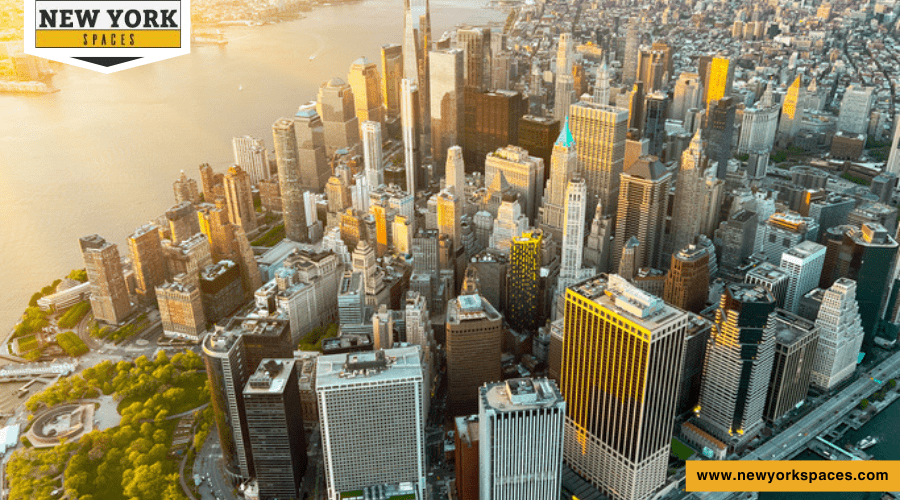
New York City is the most populous city in the United States, with a population exceeding 8 million residents within its official city limits. Its population density is exceptionally high, particularly in boroughs like Manhattan, where millions of people live and work in close proximity. This density fuels the city’s vibrant energy, its constant buzz, and its unparalleled access to diverse cultures, cuisines, and entertainment.
The City of Los Angeles has a population of around 3.9 million people within its city limits. While this is substantial, it is significantly less than New York City. However, the Los Angeles metropolitan area is the second-largest in the United States by population, with over 18 million residents. This means that while the core city may be less densely populated than NYC, the sheer number of people spread across its vast metropolitan region contributes to its global significance and the diversity of its inhabitants.
Experiencing the Crowds
The high population density of New York translates into a palpable sense of energy and constant activity. Tourists will find themselves amidst bustling crowds in popular areas like Times Square, the Financial District, and at major cultural institutions. This can be exhilarating, offering a dynamic and immersive travel experience. It also means that popular attractions, restaurants, and Broadway shows often require advance booking to secure a spot.
In Los Angeles, the population is more spread out. While certain areas like Hollywood or beach boardwalks can be crowded, the overall experience of navigating the city feels less intense in terms of constant human density. This can be appealing for travelers who prefer a more relaxed pace or enjoy discovering hidden gems away from the main tourist hubs. The dispersed population also contributes to the distinct character of different neighborhoods and cities within the metroplex, each offering unique cultural experiences from the vibrant Koreatown to the artistic enclaves of Venice Beach.
Economic and Cultural Footprint: Global Impact
The “bigness” of a city can also be measured by its influence on the global stage, encompassing its economic power and cultural output.
Economic Powerhouses
Both New York City and Los Angeles are global economic powerhouses. New York is a preeminent global center for finance, with the New York Stock Exchange and Wall Street at its heart. It is also a leader in media, fashion, advertising, technology, and publishing. The sheer concentration of corporate headquarters and financial institutions contributes to its immense economic might.
Los Angeles, on the other hand, is the undisputed capital of the entertainment industry, home to Hollywood’s major film studios, record labels, and television networks. It also boasts significant sectors in aerospace, technology, fashion, and international trade. Its economy is deeply intertwined with global trends in media consumption and creative industries.
Cultural Influence and Diversity
Culturally, both cities are immensely influential and incredibly diverse. New York is a melting pot of cultures from around the world, reflected in its world-class museums like the Museum of Modern Art, its thriving performing arts scene, including Broadway, and its unparalleled culinary landscape offering authentic flavors from virtually every country. Its distinct neighborhoods, each with its own heritage, provide a rich tapestry of experiences, from the vibrant street art of Bushwick to the historic charm of Greenwich Village.
Los Angeles is equally a global cultural hub, renowned for its influence on popular culture, music, and film. Its diverse population contributes to a rich array of ethnic enclaves, from the bustling markets of Little Ethiopia to the vibrant Latino culture in East Los Angeles. The city offers a unique blend of artistic expression, from the world-class art galleries on Museum Row to the live music venues that have launched countless careers. Its laid-back, sun-drenched lifestyle also exerts a significant cultural pull.
Conclusion: “Bigger” is in the Eye of the Traveler
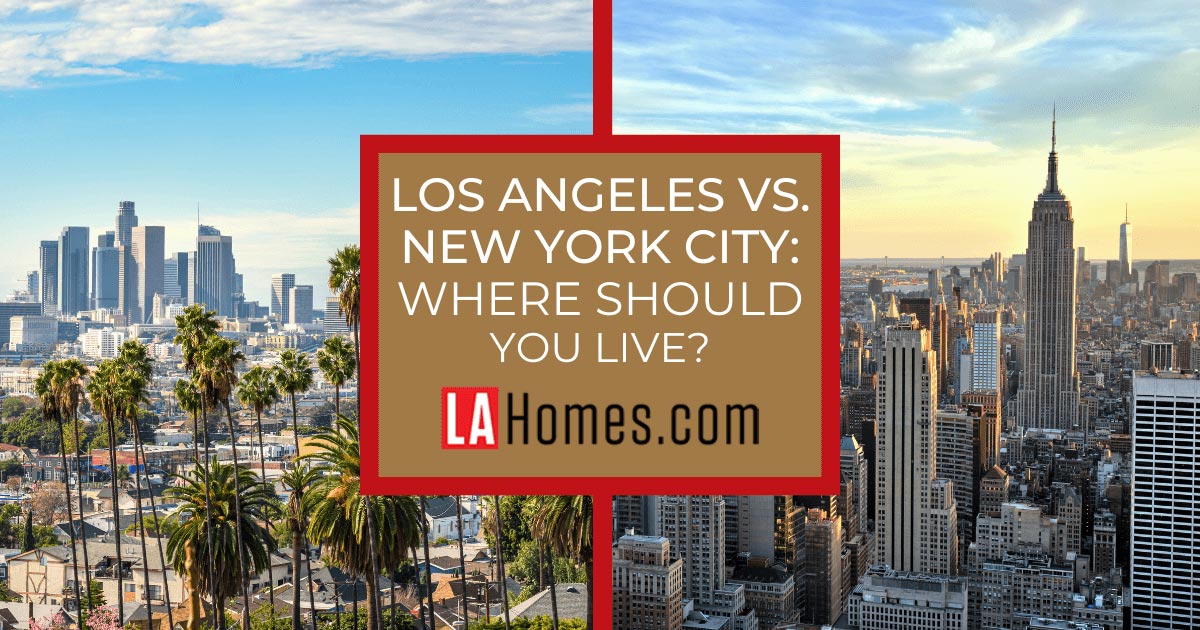
Ultimately, the question of whether New York is “bigger” than LA depends entirely on the criteria one prioritizes as a traveler.
If “bigger” means a more compact, densely populated urban environment with an exceptional public transit system and an unparalleled concentration of cultural institutions, iconic landmarks like the Empire State Building, and world-class dining, then New York might be considered “bigger” in terms of its visitor experience density and accessibility.
If “bigger” refers to a larger physical land area within the city limits, a more spread-out metropolitan region, and a dominant influence in specific global industries like entertainment and creative arts, then Los Angeles holds a strong claim. Its vastness allows for diverse experiences, from the glitz of Hollywood to the serene beauty of the Pacific Ocean coastline.
For the traveler, the true “bigness” of each city lies in the depth and breadth of experiences they offer. Both are unparalleled destinations, each providing a unique and unforgettable journey, defined not just by their statistics, but by the vibrant lives and endless possibilities they hold for exploration. Whether you are drawn to the non-stop energy of New York or the sprawling allure of Los Angeles, prepare to be captivated by cities that are immeasurably vast in their impact and appeal.
LifeOutOfTheBox is a participant in the Amazon Services LLC Associates Program, an affiliate advertising program designed to provide a means for sites to earn advertising fees by advertising and linking to Amazon.com. Amazon, the Amazon logo, AmazonSupply, and the AmazonSupply logo are trademarks of Amazon.com, Inc. or its affiliates. As an Amazon Associate we earn affiliate commissions from qualifying purchases.