
For many aspiring travelers and adventurers, the open road in California beckons. Whether it’s a cross-country road trip in a recreational vehicle (RV), a mobile business venture, or transporting specialized equipment, understanding vehicle classifications is paramount. In California, the ability to legally operate larger vehicles often hinges on holding a specific class of driver’s license and, crucially, potentially a special endorsement. This article delves into the nuances of the Class C license endorsement in California, focusing on its implications for those who wish to drive larger, heavier vehicles, particularly recreational vehicles (RVs) that often fall into this category.
Understanding California Driver’s License Classes
Before diving into endorsements, it’s essential to grasp the fundamental driver’s license classes in California. The California Department of Motor Vehicles (DMV) categorizes licenses to ensure drivers are qualified for the specific types of vehicles they operate.
Class A License
This is the highest class of commercial driver’s license. It is required for operating combination vehicles with a Gross Combination Weight Rating (GCWR) of 26,001 pounds or more, provided the towed vehicle weighs 10,001 pounds or more. This typically includes large tractor-trailers.
Class B License
Class B licenses are for drivers operating single vehicles with a Gross Vehicle Weight Rating (GVWR) of 26,001 pounds or more, or any such vehicle towing a vehicle weighing up to 10,000 pounds. This often includes straight trucks and larger buses.
Class C License
The Class C license is the most common type of driver’s license for non-commercial drivers. It covers single vehicles or combinations of vehicles that do not meet the criteria for Class A or Class B. This includes most passenger cars, smaller trucks, vans, and, importantly for many travelers, many recreational vehicles (RVs).
The Role of Endorsements for Class C License Holders
While the Class C license permits the operation of a wide array of vehicles, certain larger or more specialized vehicles require additional qualifications, known as endorsements. These endorsements signify that the driver has undergone specific training and passed tests demonstrating their competence in operating these particular types of vehicles. For those interested in driving larger RVs or certain commercial-style vehicles under a Class C framework, understanding endorsements is key.
The “R” Endorsement: Operating Larger RVs
One of the most significant endorsements for Class C license holders in California is the “R” endorsement, often colloquially referred to as the RV endorsement. This endorsement is specifically designed for individuals who wish to operate larger recreational vehicles that exceed certain weight or length limitations permissible under a standard Class C license.
When Is the “R” Endorsement Necessary?
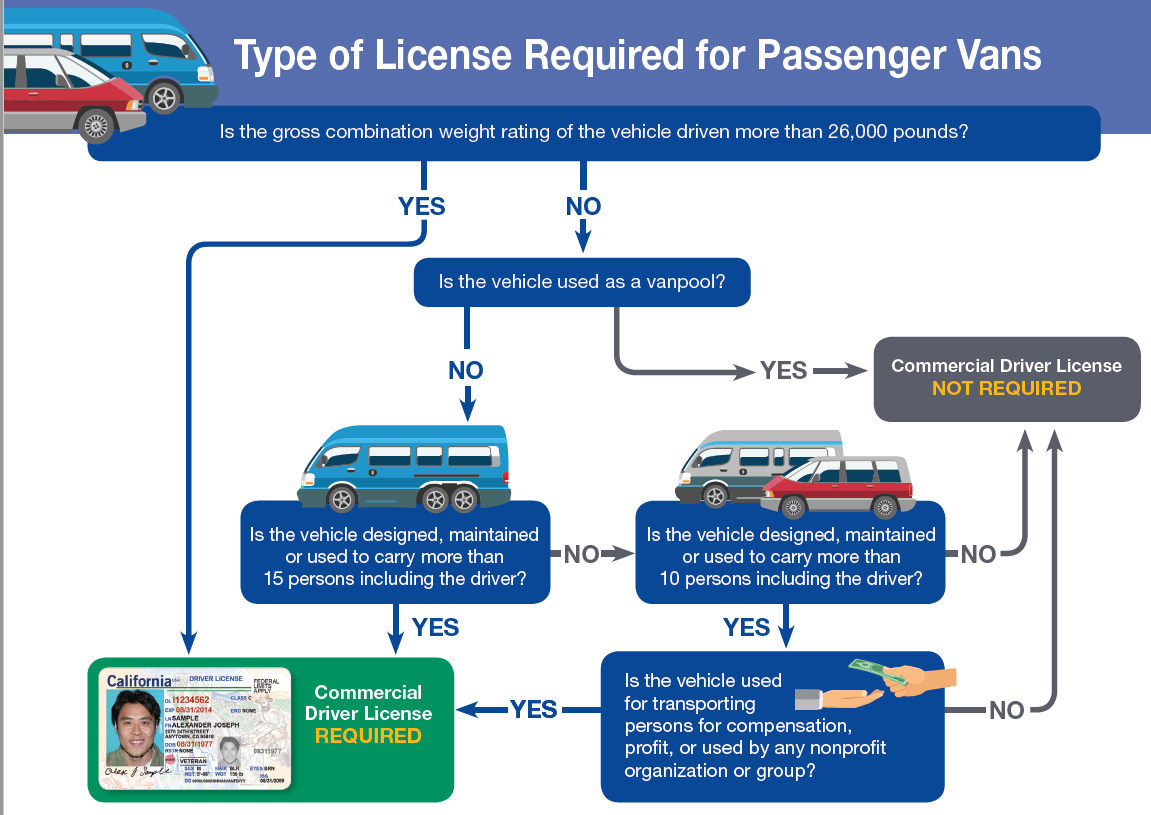
A standard Class C license in California allows drivers to operate vehicles with a GVWR of less than 26,001 pounds. However, many larger and more luxurious RVs, especially those designed for extended travel and equipped with extensive amenities, can easily exceed this weight threshold.
- Gross Vehicle Weight Rating (GVWR): This is the maximum permissible weight of a vehicle when fully loaded with all its occupants, cargo, and fluids. Many Class C motorhomes, particularly diesel pushers or those with multiple slide-outs and heavier amenities, can have a GVWR of 26,001 pounds or more.
- Vehicle Length: While less common as a primary driver for endorsements, extremely long vehicles can also raise licensing requirements.
Without the “R” endorsement, driving an RV that exceeds the standard Class C weight limitations would be a violation of California vehicle code, potentially leading to fines, impoundment of the vehicle, and serious insurance implications.
Obtaining the “R” Endorsement
The process of acquiring the “R” endorsement involves demonstrating proficiency to the California DMV. While specific requirements can vary slightly and it’s always advisable to check the official DMV website for the most current information, the general steps typically include:
- Possession of a Valid Class C License: You must first hold a valid, non-commercial Class C driver’s license.
- Application: You will need to complete the appropriate application form provided by the DMV.
- Knowledge Test: A written test will assess your understanding of the laws and regulations pertaining to operating larger recreational vehicles. This will cover topics such as safe operation, weight limits, braking systems, and general road safety for heavier vehicles.
- Vision Test: A standard vision test ensures your eyesight meets the required standards for safe driving.
- Driving Test (Potentially): In some cases, a behind-the-wheel driving test may be required to demonstrate your ability to safely maneuver the larger RV. This test typically evaluates your ability to start, stop, turn, back up, and park the vehicle, as well as your awareness of its dimensions and handling characteristics. The vehicle used for the test should be representative of the size and type of RV you intend to drive.
The “R” endorsement is specifically for non-commercial purposes. If you intend to operate an RV for hire or as part of a commercial enterprise, you would likely need a commercial driver’s license (CDL) with appropriate endorsements, such as a Class A or Class B license with a passenger endorsement, depending on the vehicle and its use.
Beyond the “R”: Other Class C Endorsements Relevant to Travel
While the “R” endorsement is most directly associated with larger RVs, other endorsements on a Class C license might be relevant for travelers, particularly those involved in niche tourism or mobile businesses.
Passenger Endorsement (P)
Though primarily associated with CDLs, a passenger endorsement can be relevant for individuals operating vehicles designed to carry a significant number of passengers, even if not strictly a commercial bus. For instance, if someone is operating a larger van or minibus (under certain weight and passenger limits that might still fall under Class C) for a tour group or private charter, this endorsement might be necessary. It signifies the driver has been tested on safe passenger transport practices.
School Bus Endorsement (S)
This endorsement is specific to operating school buses. While not directly related to typical tourist travel, individuals who volunteer or work with youth organizations that might use a school bus for trips would require this. It involves rigorous testing due to the high responsibility of transporting children.
Important Considerations for RV Enthusiasts in California
For those planning to embark on extensive RV adventures in California, understanding the Class C license and its endorsements is a critical step in ensuring a legal, safe, and enjoyable journey.
Vehicle Weight and Registration
Always be aware of the precise GVWR of your RV. This information is usually found on a sticker inside the driver’s side door jamb or on the vehicle’s registration documents. Ensure your license and any necessary endorsements align with this specification. Additionally, California has specific registration requirements for larger RVs.
Insurance Implications
Having the correct driver’s license and endorsements is not only a legal requirement but also crucial for insurance purposes. Driving a vehicle for which you are not properly licensed can void your insurance policy, leaving you financially liable for any damages or injuries in the event of an accident. RV insurance policies often require drivers to hold the appropriate licenses and endorsements for the vehicle they are operating.
Planning Your Trip
When planning an RV trip through California’s diverse landscapes, from the stunning coastlines of the Pacific Coast Highway to the majestic peaks of the Sierra Nevada Mountains, having the correct documentation ensures your focus remains on the experience. Knowing you are legally compliant allows for a more relaxed and immersive journey, whether you’re exploring national parks like Yosemite or visiting charming towns like Carmel-by-the-Sea.
Consulting the California DMV
The California DMV is the definitive source for all licensing and endorsement information. Regulations can change, and individual circumstances may vary. It is always best to consult the official DMV website or visit a local branch to ensure you have the most accurate and up-to-date information regarding Class C license endorsements and any other requirements for the vehicle you plan to operate. Proper preparation, including securing the correct license endorsement, will pave the way for countless memorable road trips and adventures across the Golden State.
LifeOutOfTheBox is a participant in the Amazon Services LLC Associates Program, an affiliate advertising program designed to provide a means for sites to earn advertising fees by advertising and linking to Amazon.com. Amazon, the Amazon logo, AmazonSupply, and the AmazonSupply logo are trademarks of Amazon.com, Inc. or its affiliates. As an Amazon Associate we earn affiliate commissions from qualifying purchases.