
Planning a trip, making a business call, or simply curious about the current hour in the Grand Canyon State? The question “What time is Arizona time right now?” often comes with a surprising twist. Unlike most of the United States and many other countries, Arizona largely does not observe Daylight Saving Time (DST). This unique characteristic means its time changes relative to neighboring states and global clocks twice a year, making it a point of intrigue and practical consideration for travelers and residents alike.
Understanding Arizona’s time zone is more than just a trivial pursuit; it’s a fundamental aspect of navigating the state, from coordinating a sunrise hike in Sedona to booking a dinner reservation in Phoenix, or even ensuring you’re on time for a flight from Tucson International Airport. This distinct approach to time-keeping influences everything from travel itineraries to business schedules and local culture. For visitors seeking to immerse themselves in the state’s natural beauty, vibrant cities, and rich history, a clear grasp of Arizona’s temporal rhythm is key to a seamless and enjoyable experience.

The Enigma of Arizona’s Time Zone: Always on MST
The core of Arizona’s time zone story lies in its unwavering commitment to Mountain Standard Time (MST) throughout the year. This decision, rooted in a blend of historical context and practical considerations, sets it apart from the majority of the nation.
No Daylight Saving Time: A Historical Perspective
When the Uniform Time Act was passed in 1966, mandating Daylight Saving Time across the United States, states were given the option to opt out. Arizona chose to do so, primarily due to its intense summer heat. The argument was that extending daylight into the evening hours during summer would simply prolong the period of oppressive heat, increasing energy consumption for air conditioning and making outdoor activities less comfortable. Staying on Mountain Standard Time year-round means that in the summer, Arizona’s clock effectively aligns with Pacific Daylight Time (PDT), which is observed in neighboring California and Nevada. Conversely, during the winter months when other states “fall back” from Daylight Saving Time, Arizona aligns with Mountain Standard Time, which is one hour ahead of Pacific Standard Time (PST).

This unique observance means that for roughly half the year (from early March to early November), Arizona shares the same clock as California and Nevada. However, when Daylight Saving Time ends, Arizona becomes one hour ahead of these western neighbors and remains aligned with the time observed in states like New Mexico, Utah, and Colorado, which shift to Mountain Standard Time (MST). The resulting time difference impacts travel, communication, and business dealings across state lines, requiring an extra layer of awareness for those interacting with Arizona.
The Special Case of the Navajo Nation
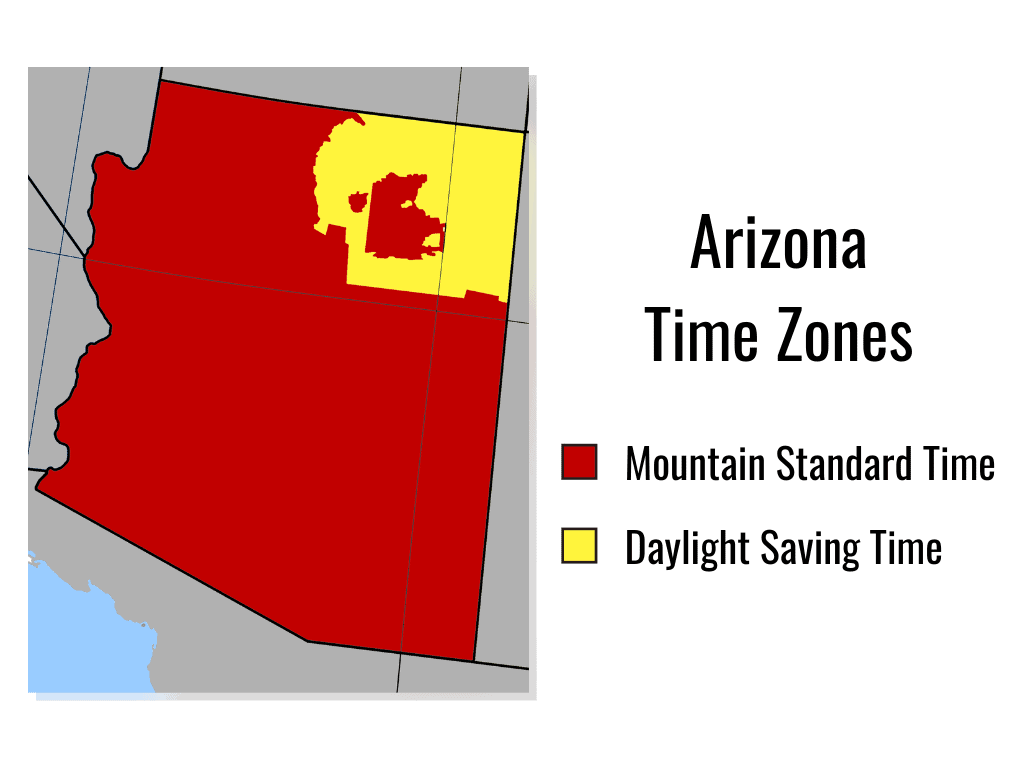
Adding another layer of complexity to Arizona’s time zone landscape is the Navajo Nation. As an autonomous tribal land with its own governance, the Navajo Nation, which spans portions of Arizona, Utah, and New Mexico, does observe Daylight Saving Time. This means that for a significant part of the year, the Navajo Nation operates on Mountain Daylight Time (MDT), which is one hour ahead of Arizona’s year-round Mountain Standard Time.
This creates an intriguing “doughnut hole” effect on the map, particularly around the Hopi Reservation. The Hopi Reservation, entirely surrounded by the Navajo Nation, follows Arizona’s non-observance of Daylight Saving Time. Consequently, traveling within this region can involve crossing multiple time zones in a very short distance. For instance, if you’re visiting Monument Valley, which is on Navajo Nation land, you’ll need to remember that it’s an hour ahead of places like Page, which are within the state’s non-DST zone. This is particularly crucial for tour bookings, flight connections, and meeting schedules when exploring the stunning landscapes of northeastern Arizona.
Navigating the Grand Canyon State: Travel and Destinations
Beyond the fascinating time zone dynamics, Arizona offers an incredibly diverse array of travel experiences, blending iconic natural landmarks with vibrant urban centers and rich cultural heritage. Its unique geography, ranging from scorching deserts to pine-forested mountains, makes it a year-round destination for various types of travelers.
Iconic Landmarks and Natural Wonders
The state’s most famous landmark, the Grand Canyon National Park, stands as a testament to geological grandeur. Millions visit annually to witness its vastness, intricate rock formations, and breathtaking sunrises and sunsets. Planning your visit, especially during peak seasons, requires careful consideration of the time, not just for reservations but also for catching the best light for photography. Whether you choose the more accessible South Rim or the more secluded North Rim, the sheer scale of the canyon is awe-inspiring.
Further south, the red rock country of Sedona beckons with its spiritual vortexes, world-class hiking trails, and stunning vistas. Here, activities range from jeep tours to hot air balloon rides and quiet meditation amidst the dramatic scenery. Close to Page, the surreal slot canyons of Antelope Canyon (within the Navajo Nation’s time zone) and the iconic curve of Horseshoe Bend offer unparalleled photographic opportunities. Remember that the Navajo Nation’s observance of Daylight Saving Time means that your Antelope Canyon tour time might be an hour different from the clock on your phone if it automatically adjusts to Arizona’s state time.
For a taste of desert ecology, Saguaro National Park, split into two districts flanking Tucson, showcases the majestic saguaro cactus, an emblem of the Sonoran Desert. Other notable natural attractions include the petrified wood landscapes of Petrified Forest National Park and the impressive impact site of Meteor Crater near Winslow.
Urban Escapes and Cultural Experiences
Arizona’s urban centers offer a stark contrast to its wild landscapes. Phoenix, the state capital and a sprawling metropolis, boasts a vibrant arts scene, upscale dining, and a thriving nightlife. Adjacent to Phoenix, Scottsdale is renowned for its luxury resorts, world-class golf courses, and the historic charm of Old Town Scottsdale, home to art galleries, boutiques, and lively restaurants. Attractions like the Desert Botanical Garden and the Heard Museum in Phoenix provide cultural enrichment and insights into the region’s flora and Native American heritage. Hikers can challenge themselves on Camelback Mountain or Piestewa Peak, offering panoramic city views.
Tucson, a UNESCO City of Gastronomy, blends a rich history with a modern, artistic vibe. Its mission churches, historic barrios, and strong Mexican culinary influences make it a unique cultural hub. Visitors can explore the Pima Air & Space Museum or relax in its charming downtown. North of Phoenix, Flagstaff serves as a cool mountain retreat and a gateway to the Grand Canyon. It’s home to the Lowell Observatory, where Pluto was discovered, and offers a refreshing change of scenery with its ponderosa pine forests and proximity to skiing in winter.
Planning Your Arizona Adventure: Accommodation, Lifestyle, and Tips
Embarking on an Arizona journey requires thoughtful planning, not just for activities but also for where you’ll stay and how you’ll immerse yourself in the local lifestyle. Given the state’s diverse offerings, there’s an accommodation type and experience for every taste and budget.
Diverse Accommodation for Every Traveler
Arizona’s lodging options are as varied as its landscapes. For those seeking opulence and pampering, the luxury resorts of Scottsdale and Sedona are legendary. These properties often feature world-class spas, championship golf courses, and exquisite dining, providing an ideal setting for a lavish lifestyle experience. Examples might include the Hyatt Regency Scottsdale Resort & Spa or the Enchantment Resort in Sedona, though many independent boutique hotels also offer unique charm.
In cities like Tucson and the historic town of Prescott, visitors can find charming boutique hotels and bed & breakfasts that offer a more intimate glimpse into local culture and history. Family travelers will discover numerous resorts with kids’ clubs and water parks, particularly in the Phoenix metro area. For those looking for flexibility and a home-away-from-home feel, vacation rentals, from cozy apartments in urban centers to spacious villas overlooking the desert, are readily available through various booking platforms. Adventurous spirits exploring national parks might opt for camping or glamping experiences, allowing for an even closer connection with Arizona’s stunning natural environment.
Lifestyle and Local Flavors
The Arizona lifestyle is deeply intertwined with its environment. Outdoor activities reign supreme, from hiking trails on South Mountain Park and Preserve to mountain biking through desert washes, golfing on pristine courses, and water sports on Lake Havasu City, home to the famous London Bridge. The state’s unique time zone ensures longer evenings in summer, perfect for enjoying twilight desert hikes or al fresco dining under a starlit sky, even if it means starting your day slightly earlier for cooler morning activities.
Arizona’s culinary scene is a delightful fusion of Southwestern, Mexican, and contemporary American influences. From upscale farm-to-table restaurants in Scottsdale to authentic Sonoran hot dogs in Tucson, food is a significant part of the tourism experience. Local markets, craft breweries, and wine trails (particularly in regions like Verde Valley and Willcox) showcase the state’s agricultural bounty and burgeoning gourmet scene. Art and culture thrive, with galleries in Sedona and Tlaquepaque Arts & Shopping Village, numerous festivals celebrating Native American traditions, and architectural marvels like the Chapel of the Holy Cross.
Practical Travel Tips for the Grand Canyon State
A successful trip to Arizona hinges on a few key practical considerations, especially regarding its unique time-keeping:
- Always Confirm Local Time: When making reservations for tours, dining, or accommodations, double-check the time zone, especially if your itinerary involves areas within the Navajo Nation. Your mobile device may automatically adjust to the “correct” time zone, but it’s wise to manually verify.
- Hydration and Sun Protection: The desert climate, particularly from spring to fall, demands constant hydration. Carry plenty of water, wear wide-brimmed hats, sunglasses, and high-SPF sunscreen, even on cloudy days.
- Best Seasons to Visit: The cooler months from October to April are ideal for exploring southern Arizona’s deserts, while the mountainous northern regions like Flagstaff and the Grand Canyon are popular during the summer to escape the heat.
- Car Rental and Driving: A rental car is almost essential for exploring Arizona’s vast landscapes. Be aware of speed limits, especially through tribal lands, and factor in travel times, keeping the potential for time zone changes in mind.
In conclusion, “What time is Arizona time right now?” is a question with a fascinating answer that goes beyond a simple number. It’s a gateway to understanding the state’s unique character, its dedication to preserving daylight in its own way, and the practicalities of navigating its diverse regions. From the majestic Grand Canyon to the vibrant streets of Phoenix, and the spiritual solace of Sedona, Arizona offers an unforgettable travel experience, made all the more intriguing by its distinctive approach to time. By being mindful of this singular detail, visitors can ensure their adventure in the Grand Canyon State is as smooth and enjoyable as possible.
LifeOutOfTheBox is a participant in the Amazon Services LLC Associates Program, an affiliate advertising program designed to provide a means for sites to earn advertising fees by advertising and linking to Amazon.com. Amazon, the Amazon logo, AmazonSupply, and the AmazonSupply logo are trademarks of Amazon.com, Inc. or its affiliates. As an Amazon Associate we earn affiliate commissions from qualifying purchases.