
Navigating the bustling metropolis of New York can be an exhilarating experience, brimming with iconic landmarks, world-class dining, and unparalleled cultural diversity. For many prospective visitors, however, a primary concern often surfaces: the question of safety. While no major city is entirely devoid of the challenges associated with urban environments, New York has made significant strides in ensuring the security and well-being of its millions of annual visitors. Understanding the realities of safety in New York involves a balanced perspective, acknowledging statistical data, practical advice, and the lived experiences of tourists and residents alike.

Understanding Crime and Safety Statistics
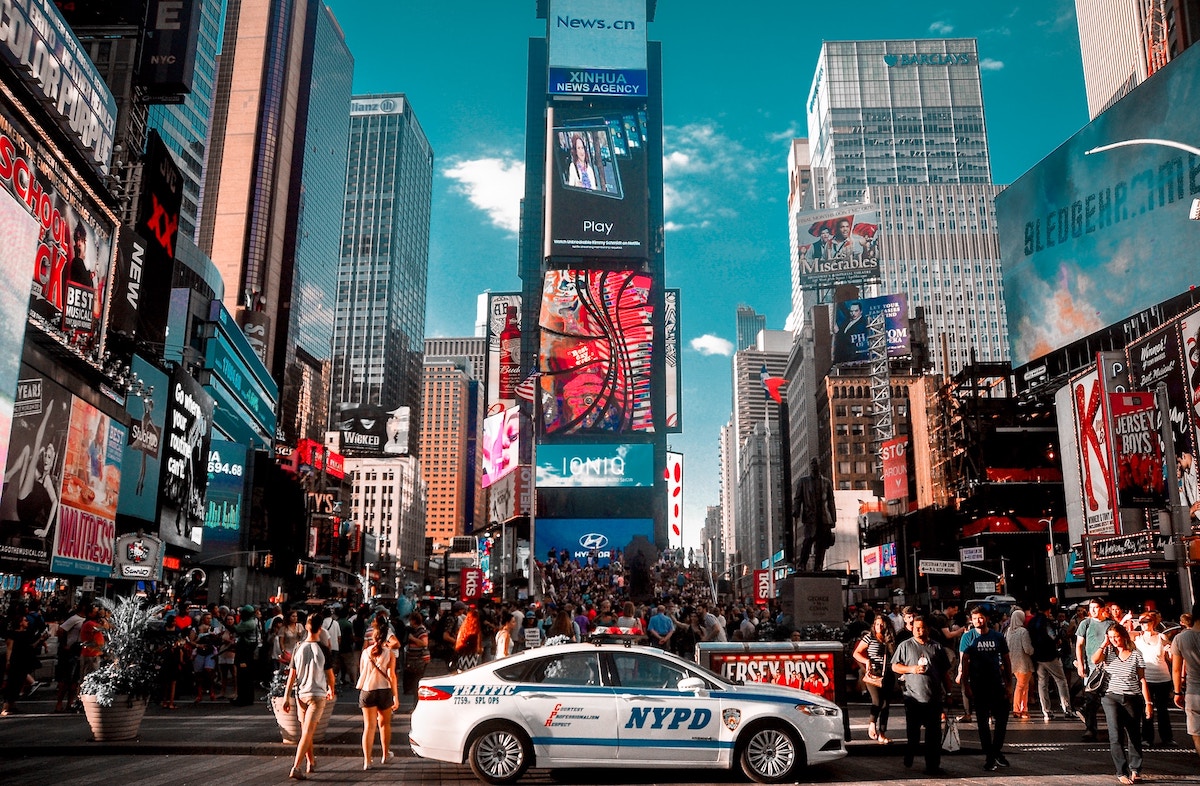
It’s crucial to approach crime statistics with nuance. Like many large urban centers globally, New York has seen fluctuations in crime rates over the years. However, the narrative often painted by sensationalized media reports doesn’t always reflect the lived reality for most tourists who visit safely and enjoy their trip without incident. The New York City Police Department (NYPD) is a highly visible and active presence throughout the five boroughs, contributing to a sense of security in tourist-heavy areas.
Trends in Tourist-Related Incidents
Historically, crimes directly targeting tourists in New York have been relatively low when compared to the sheer volume of visitors. Petty theft, such as pickpocketing, is the most common type of offense, often occurring in crowded public spaces like subway stations or popular attractions. Violent crime affecting tourists is exceedingly rare. Focusing on awareness and prevention rather than succumbing to fear is the most productive approach. The NYPD actively patrols areas frequented by tourists, including Times Square, Central Park, and the Metropolitan Museum of Art.
The Role of NYPD and Public Safety Initiatives
The NYPD employs various strategies to maintain public safety, including increased patrols in high-traffic tourist areas, plainclothes officers to deter pickpocketing, and advanced surveillance technologies. Initiatives like “neighborhood policing” aim to foster stronger relationships between officers and the communities they serve, including the transient tourist population. The department also provides resources and information specifically for tourists, underscoring their commitment to visitor safety. For instance, the NYC & Company tourism board often collaborates with law enforcement to disseminate safety tips.
Practical Safety Tips for Tourists
While New York is generally safe, adopting sensible precautions is always advisable. These measures not only enhance personal security but also contribute to a more relaxed and enjoyable travel experience. Being aware of your surroundings and exercising common sense are the most effective tools at your disposal.
Awareness and Prevention in Public Spaces
- Be Vigilant in Crowds: When visiting popular attractions like the Statue of Liberty, the Empire State Building, or during events like the Macy’s Thanksgiving Day Parade, be particularly mindful of your belongings. Keep wallets and phones in front pockets or secure bags.
- Avoid Displaying Valuables: Refrain from flashing large amounts of cash or expensive jewelry, especially in less populated or unfamiliar areas.
- Trust Your Instincts: If a situation or area feels uncomfortable or unsafe, remove yourself from it. Don’t hesitate to move to a more populated or well-lit space.
- Subway Safety: The New York City Subway system is extensive and efficient. During off-peak hours, try to stand near the conductor’s booth or in cars with other passengers. Avoid sleeping or appearing disoriented.
Navigating at Night and in Less Familiar Neighborhoods
New York is a city that truly comes alive at night, offering a different but equally vibrant experience. However, as with any city, it’s wise to exercise extra caution after dark.
- Stick to Well-Lit and Populated Areas: When exploring at night, especially in neighborhoods outside the main tourist hubs like Midtown or SoHo, opt for streets with good lighting and a visible presence of people.
- Use Reputable Transportation: Taxis and ride-sharing services (like Uber or Lyft) are reliable options. Ensure you are using official apps or hailing licensed yellow cabs. Avoid accepting rides from unsolicited drivers.
- Research Your Destination: If you plan to visit a restaurant or bar in a less tourist-centric neighborhood, do a quick search beforehand to gauge its reputation and any safety advisories.
Securing Your Accommodation
Your hotel or rental property should be a sanctuary. Implementing basic security measures can prevent potential issues.
- Keep Doors and Windows Locked: Ensure that your hotel room door is always locked, even when you are inside. Keep windows secured, especially if you are on a lower floor.
- Utilize Hotel Safes: For valuables such as passports, extra cash, or expensive jewelry, make use of the in-room safe provided by most reputable hotels, such as the Plaza Hotel or the Marriott Marquis.
- Be Cautious with Strangers: Avoid inviting unfamiliar individuals into your hotel room.
Distinguishing Between “Safe” and “Risky” Areas
New York is a city of distinct neighborhoods, each with its own character and, at times, differing safety profiles. Understanding these differences can help tourists plan their itineraries effectively and make informed decisions.
Tourist Hotspots: Generally Safe
Major tourist destinations are typically under a higher police presence and are generally considered very safe due to the constant flow of people. Areas like:
- Times Square: Constantly bustling with activity and police presence.
- Central Park: While vast, main pathways and popular spots are well-monitored, especially during daylight hours.
- Financial District (e.g., Wall Street): High security due to the financial institutions, generally safe.
- Museum Mile (e.g., The Met, Guggenheim Museum): High foot traffic and security within and around the museums.
Neighborhoods Requiring Extra Caution
While “dangerous” is a strong word, some neighborhoods might require visitors to be more aware of their surroundings, particularly at night, or to avoid them altogether if they are not familiar with urban navigation. These are often areas with lower tourist traffic and may experience higher rates of street crime. However, many of these areas also boast vibrant local cultures and attractions that can be enjoyed with the right precautions. It is always recommended to research specific neighborhoods you plan to visit, especially if venturing off the beaten path.
Emergency Preparedness and Tourist Resources
Knowing how to respond in an emergency and where to find help is a vital part of any tourist’s safety strategy in New York.
Emergency Contact Information
- Dial 911: This is the universal emergency number in the United States. For police, fire, or medical emergencies, call 911. Be prepared to provide your location, the nature of the emergency, and a brief description of what is happening.
- NYC.gov: The official website of The City of New York provides extensive information on city services, including emergency preparedness and public safety.
Tourist Information Centers and Consulates
- NYC Information Centers: Located in key tourist areas, these centers can provide maps, brochures, and advice, including safety tips.
- Consulate General: If you are a foreign national, know the location and contact information for your country’s consulate in New York. They can provide assistance in emergencies.

Conclusion: Enjoying New York with Confidence
New York remains one of the world’s most captivating travel destinations. By understanding the safety landscape, adopting common-sense precautions, and staying informed, tourists can significantly mitigate risks and focus on the incredible experiences the city has to offer. From the dazzling lights of Broadway to the serene beauty of Governor’s Island, New York is a city that rewards the prepared and the adventurous. The vast majority of visitors depart with cherished memories, a testament to its enduring appeal and its commitment to visitor safety.
LifeOutOfTheBox is a participant in the Amazon Services LLC Associates Program, an affiliate advertising program designed to provide a means for sites to earn advertising fees by advertising and linking to Amazon.com. Amazon, the Amazon logo, AmazonSupply, and the AmazonSupply logo are trademarks of Amazon.com, Inc. or its affiliates. As an Amazon Associate we earn affiliate commissions from qualifying purchases.