
The allure of a perfectly cooked steak is undeniable, and the New York Strip frequently finds itself at the pinnacle of steakhouse menus. Renowned for its tender texture and robust flavor, it’s a cut that promises a satisfying dining experience. However, for many, a critical question arises: “Is the New York Strip fatty?” This inquiry isn’t merely about personal preference; it delves into the marbling, the trimmed fat cap, and ultimately, how these characteristics influence both the culinary preparation and the nutritional profile of this beloved cut. Understanding the fat content of a New York Strip is key to appreciating its place in the pantheon of premium steaks and to making informed choices when dining out or preparing a steak at home.
Unpacking the Cut: Anatomy and Fat Distribution
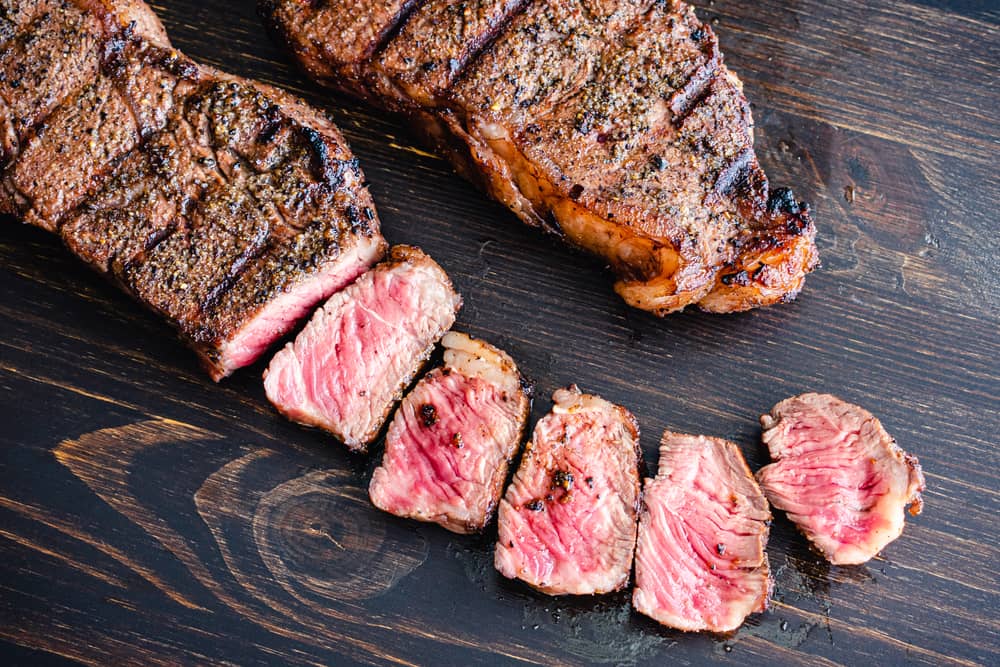
To answer whether the New York Strip is fatty, we must first dissect its origin and anatomical context. The New York Strip steak, also known as a strip steak, Kansas City strip, or hotel steak, is a muscle cut from the short loin of a cow. Specifically, it comes from the longissimus dorsi muscle, which runs along the spine. This muscle is largely responsible for standing and walking, meaning it’s not heavily worked, contributing to the steak’s inherent tenderness.
Marbling: The Intrinsic Fat
The primary determinant of a steak’s perceived fattiness and its flavor intensity is marbling – the fine intramuscular fat that is interspersed throughout the muscle tissue. Higher marbling generally translates to a more succulent and flavorful steak because as the steak cooks, this fat melts, basting the meat from within. The New York Strip typically exhibits good marbling, though the degree can vary significantly based on the cattle breed, diet, and aging process.
- Prime and Choice Grades: In the United States, beef is graded by the USDA based on quality, which heavily correlates with marbling. Prime, the highest grade, will generally have more abundant and evenly distributed marbling compared to Choice. Select grade beef typically has less marbling. Therefore, a Prime New York Strip will likely be perceived as fattier and more succulent than a Select grade strip.
- Ribeye vs. Strip: When compared directly to other popular cuts like the Ribeye, the New York Strip is generally considered leaner. The Ribeye is known for its rich, buttery texture due to a higher percentage of intramuscular fat and often a more prominent central “eye” of fat.
The Fat Cap: External Fat
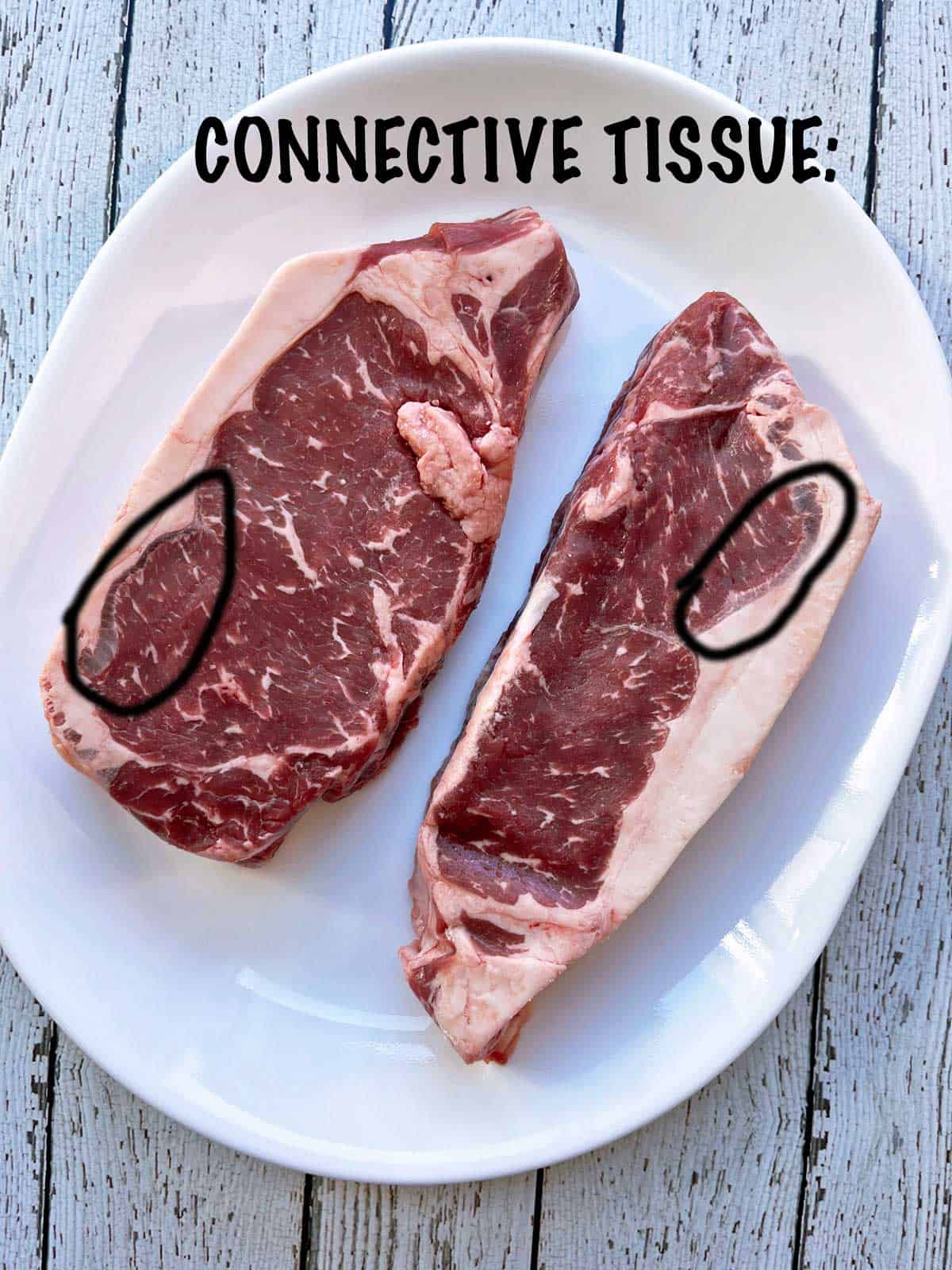
Beyond marbling, a New York Strip often comes with a visible fat cap along one edge of the steak. This is external fat that is typically trimmed by butchers to varying degrees. The presence and thickness of this fat cap significantly impact the steak’s cooking characteristics and the final flavor. A well-rendered fat cap can contribute an immense amount of savory richness and a desirable crispy texture when seared properly. However, it also represents a significant portion of the steak’s total fat content.
- Butcher’s Trim: The “fatty” perception of a New York Strip can be heavily influenced by how it’s prepared by the butcher or restaurant. Some may leave a thicker fat cap for enhanced flavor, while others will trim it down considerably, resulting in a leaner final product. When purchasing from a butcher shop, one can often specify the desired thickness of the fat cap.
- Cooking Method Impact: The cooking method also plays a role. Grilling or pan-searing allows much of the fat cap to render and drip away, reducing the overall fat consumed compared to, for instance, a steak braised in its own juices.
Nutritional Considerations: Fat Content by the Numbers
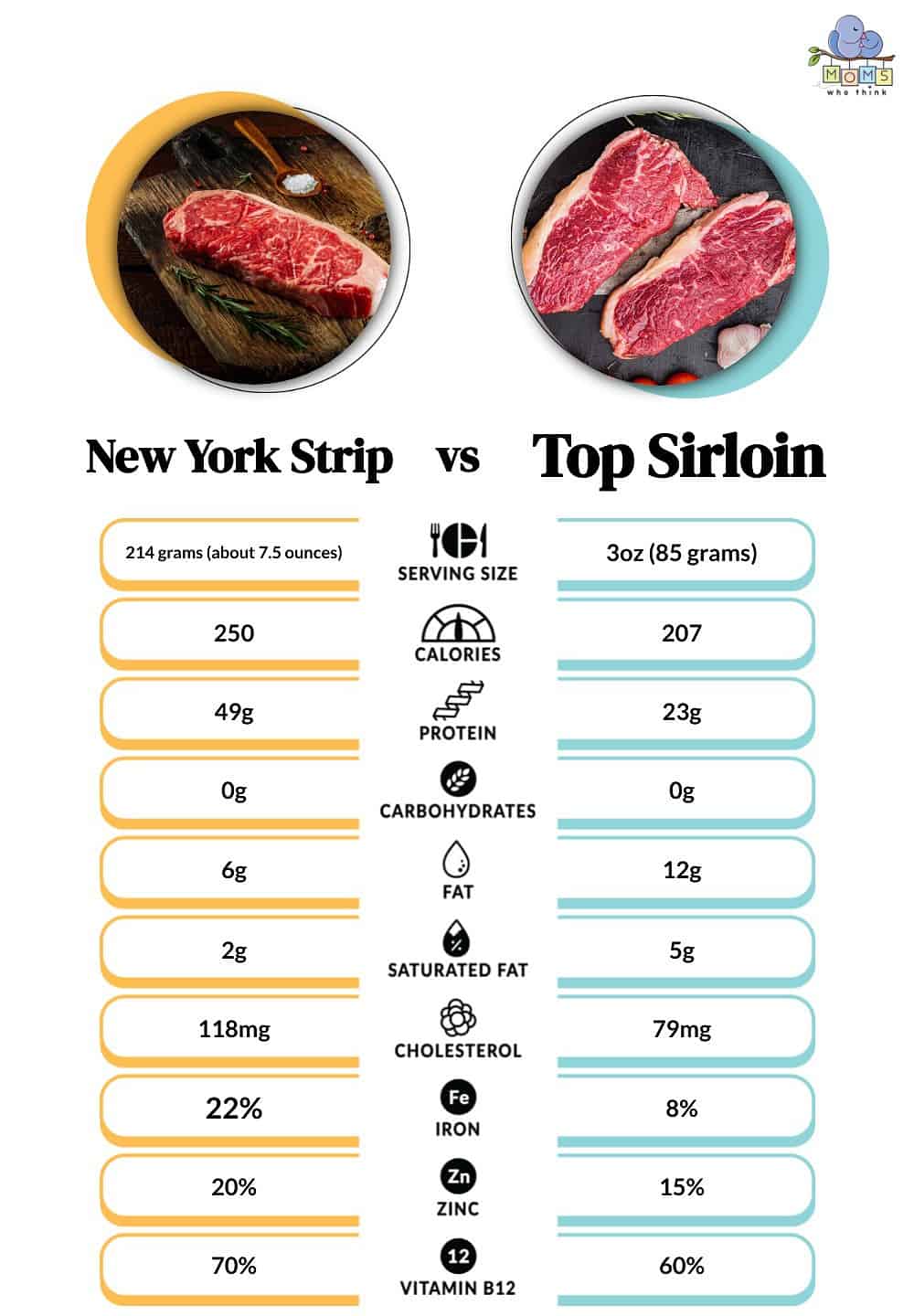
Quantifying the fat content of a New York Strip requires looking at general nutritional data, keeping in mind that these are averages and can fluctuate. A typical 3-ounce (85-gram) serving of cooked New York Strip steak, trimmed to contain about 5% visible fat, contains approximately:
- Calories: Around 170-190 calories
- Total Fat: Roughly 7-9 grams
- Saturated Fat: Around 3-4 grams
- Cholesterol: Approximately 70-80 mg
- Protein: About 24-26 grams
This data reveals that the New York Strip is not inherently a “fatty” cut when compared to some other protein sources or even other steak cuts like the fattier sections of a prime rib. It offers a good balance of protein and fat, with the fat contributing significantly to its palatability.
Comparing Fat Content Across Cuts
To put the New York Strip into perspective, here’s a generalized comparison with other popular steak cuts, based on a 3-ounce cooked serving, trimmed of visible fat:
- Ribeye: Often higher in fat, ranging from 10-15 grams or more, due to extensive marbling and often a larger fat cap.
- Sirloin: Generally leaner than the strip, often in the 5-7 gram fat range.
- Tenderloin (Filet Mignon): The leanest of the premium cuts, typically with 4-6 grams of fat, due to its location and lack of heavy work.
Therefore, while the New York Strip does possess a notable amount of fat, especially when considering its marbling, it sits in a moderate position among popular steak options. It is fattier than a Tenderloin but leaner than a Ribeye. The definition of “fatty” is subjective and depends on what one is comparing it to.
Culinary Performance: Fat as a Flavor and Texture Enhancer
The fat content of the New York Strip is not merely a nutritional statistic; it is intrinsically linked to its culinary performance. Fat is a crucial carrier of flavor compounds and plays a vital role in achieving desirable textures.
Flavor Development
The intramuscular fat (marbling) melts during the cooking process, releasing rich, savory notes that permeate the muscle fibers. This is why steaks with good marbling are often described as more flavorful. The external fat cap, when rendered properly, can add an even deeper, more intense beefy flavor, particularly with high-heat searing. This is why many chefs and steak aficionados advocate for leaving some fat on the steak during cooking.
Tenderness and Juiciness
Fat acts as a natural lubricant. As it melts, it coats the muscle fibers, preventing them from drying out and contributing to a tender, juicy bite. This is particularly important for cuts like the New York Strip which, while tender, can still become tough and dry if overcooked or if it lacks sufficient internal fat. The marbling in a New York Strip is essential for achieving that melt-in-your-mouth sensation.
Browning and Crust Formation
The exterior fat, especially the fat cap, plays a crucial role in developing a beautiful, caramelized crust on the steak. High heat causes the fat to render and then crisp up, providing a delightful textural contrast to the tender interior. A well-seared New York Strip with a crispy fat cap is a testament to the importance of fat in steak preparation.
Achieving the Ideal Steak: Managing Fat for Optimal Results
When enjoying or preparing a New York Strip, understanding how to manage its fat content is key to maximizing its potential. This involves selection, preparation, and cooking techniques.
Selection Matters: Grade and Trim
As mentioned earlier, the grade of the beef is paramount. Opting for USDA Prime or Choice will ensure a better marbling profile, leading to a richer flavor and more tender steak. When purchasing from a butcher, don’t hesitate to discuss your preferences regarding the fat cap. For a leaner experience, ask for a steak with minimal external fat. For those who savor the rich flavor fat imparts, a slightly thicker cap can be desirable.
Preparation Techniques
- Trimming: If a very lean steak is desired, carefully trim away as much of the visible fat cap as possible before cooking. However, consider saving some of the trimmings for other culinary uses, such as rendering for cooking vegetables or making flavorful broths.
- Scoring: For thicker fat caps, scoring them lightly with a knife can help them render more evenly during cooking, preventing the steak from curling and promoting better crisping.
- Room Temperature: Allowing the steak to come to room temperature for about 30-60 minutes before cooking ensures more even cooking throughout, preventing the outside from overcooking before the inside reaches the desired temperature.
Cooking Strategies
- High Heat Searing: A critical step for any steak, especially one with a fat cap, is searing over high heat. This begins the rendering process for the fat and builds that desirable crust.
- Basting: During pan-searing, basting the steak with its own rendered fat enhances flavor and moisture.
- Resting: After cooking, letting the steak rest for 5-10 minutes is crucial. This allows the juices, which have been pushed to the center by the heat, to redistribute throughout the meat, ensuring a more succulent final product.
Conclusion: A Balanced Perspective on “Fattiness”
In conclusion, the question “Is New York Strip fatty?” doesn’t have a simple yes or no answer. It is a steak that possesses a moderate amount of fat, primarily in the form of marbling and often a visible fat cap. This fat is not a detractor but rather an integral component that contributes significantly to its superior flavor, tenderness, and juiciness.
Compared to other premium steak cuts, the New York Strip offers a satisfying balance. It is fattier than a Filet Mignon but generally leaner than a Ribeye. For those seeking a flavorful and tender steak that isn’t excessively rich, the New York Strip is often an excellent choice. By understanding the cut, considering its grade and preparation, and employing appropriate cooking techniques, one can fully appreciate the culinary excellence that this classic steak provides. The “fattiness” of a New York Strip is, in essence, a key ingredient to its celebrated status in the world of gastronomy.
LifeOutOfTheBox is a participant in the Amazon Services LLC Associates Program, an affiliate advertising program designed to provide a means for sites to earn advertising fees by advertising and linking to Amazon.com. Amazon, the Amazon logo, AmazonSupply, and the AmazonSupply logo are trademarks of Amazon.com, Inc. or its affiliates. As an Amazon Associate we earn affiliate commissions from qualifying purchases.