
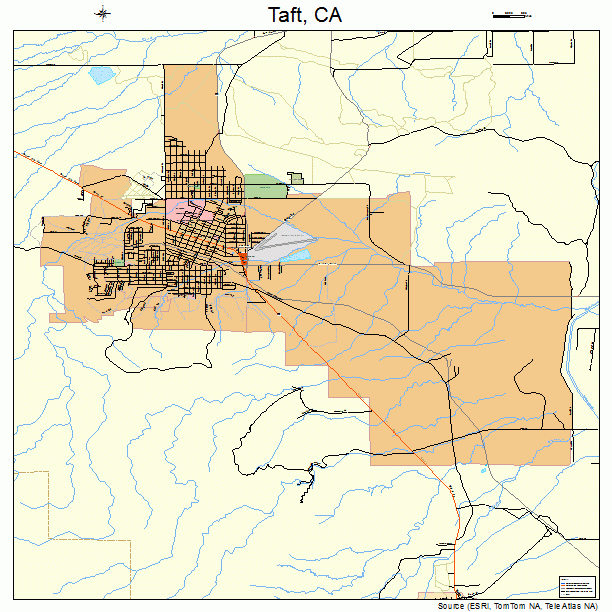
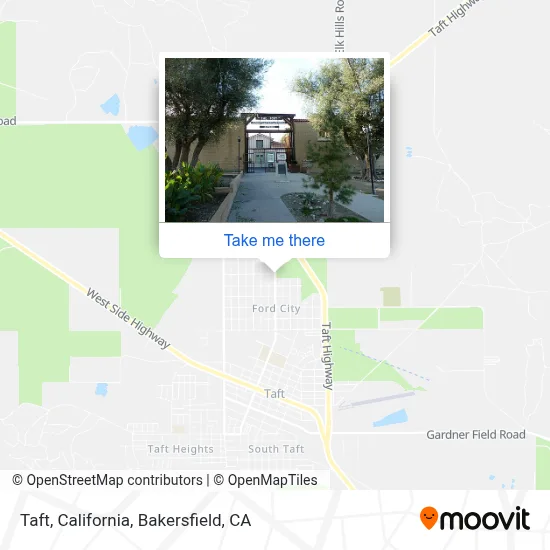
Taft, California, a name that might evoke images of dusty Westerns or quiet agricultural landscapes, is a city nestled in the southwestern part of Kern County, California. Far from the bustling metropolises of the coast, Taft offers a distinct slice of Californian life, characterized by its rich oil history, a strong sense of community, and a gateway to the unique geological formations of the surrounding region. Understanding its location is the first step to appreciating what this Kern County gem has to offer, whether you’re a history buff, an outdoor enthusiast, or simply seeking a less-traveled destination.

Geographical Setting and Proximity
Taft is situated in the San Joaquin Valley, a vast agricultural heartland of California that stretches for hundreds of miles. More specifically, it lies in the western portion of the valley, at the foothills of the southern Sierra Nevada Mountains. This geographical placement influences its climate, which is a classic Mediterranean type, with hot, dry summers and mild, wetter winters. The elevation of Taft is relatively low, contributing to these temperature extremes.
Neighboring Communities and Major Arteries
The closest major city to Taft is Bakersfield, approximately 35 miles to the east. This proximity makes Bakersfield the primary hub for significant shopping, entertainment, and healthcare services for Taft residents and visitors. US Route 33 is a crucial artery that runs through Taft, connecting it to Bakersfield in the east and continuing north and south through other smaller agricultural towns. Another important road, State Route 119, also passes through Taft, offering further connectivity to the broader Southern California road network. The isolation of Taft, while contributing to its unique character, also means that access to larger urban centers requires a deliberate journey.
Historical Roots: From Oil Boomtown to Present Day
The story of Taft is inextricably linked to the discovery and exploitation of oil in the region. The discovery of oil in the early 1900s transformed a small, unassuming settlement into a booming oil town, attracting prospectors, workers, and entrepreneurs. This period of rapid growth and prosperity laid the foundation for the city’s infrastructure and cultural identity.
The Golden Age of Oil
The discovery of the Midway-Sunset Oil Field, one of the largest oil fields in the United States, was a pivotal moment for Taft. The city was officially incorporated in 1910, a testament to its burgeoning population and economic significance. For decades, oil production was the lifeblood of Taft, shaping its economy, its architecture, and the livelihoods of its people. Many of the older buildings in the downtown area bear the architectural style of this era, reflecting a period of ambition and rapid development. The legacy of this oil boom can still be seen today in the preserved historical sites and the ongoing, though diminished, oil industry presence.
Economic Evolution and Diversification
While oil remains a significant industry, Taft’s economy has seen diversification over the years. Agriculture, particularly in the surrounding areas, plays a role, and the city has also attracted light industrial businesses. However, the boom-and-bust cycles characteristic of oil towns have historically presented challenges. Recent decades have seen efforts to attract new businesses and promote tourism, leveraging the city’s unique history and its proximity to natural attractions. The resilience of the community is evident in its ability to adapt and evolve while holding onto its distinctive heritage.
Local Attractions and Points of Interest
Despite its relatively small size, Taft boasts a number of attractions that offer a glimpse into its past and present. These sites provide context for understanding the city’s development and its place within the broader history of California.
The West Kern Oil Museum
A cornerstone of Taft’s historical tourism is the West Kern Oil Museum. Housed in a former gas station, this museum is dedicated to preserving and showcasing the rich oil heritage of the region. Visitors can explore exhibits featuring vintage drilling equipment, photographs, and stories of the pioneers who shaped the oil industry in Kern County. It’s an essential stop for anyone seeking to understand the deep connection between Taft and the black gold that once fueled its growth. The museum often features restored artifacts and demonstrations, offering an immersive experience into the era of oil exploration.
Taft City Hall and Public Buildings
The architecture of Taft’s public buildings often reflects the historical periods of its development. The Taft City Hall, for example, stands as a testament to the civic pride and aspirations of the city during its formative years. Exploring the downtown area, one can find other historic structures that tell the story of its past, from old theaters to former commercial buildings that once bustled with activity. These buildings are not just structures but narrative elements that contribute to the city’s unique character and appeal.
Natural Beauty of the Surrounding Area
While Taft itself is primarily known for its history, the surrounding landscape offers opportunities for outdoor exploration. The foothills and the broader San Joaquin Valley provide a backdrop of natural beauty, with distinct flora and fauna adapted to the arid climate. While not a major national park destination, the area around Taft offers a different kind of natural charm, one that is rugged, expansive, and deeply connected to the agricultural and industrial history of the region.
Understanding the Taft Experience
Visiting or living in Taft offers a unique perspective on California life, far removed from the coastal clichés. It’s a place where the pace is slower, the community ties are strong, and the history is palpable.
Community and Lifestyle
Taft maintains a strong sense of community, a common characteristic of smaller towns that have grown around a shared economic foundation. Residents often have deep roots in the area, and local events and traditions play an important role in community life. The lifestyle in Taft is generally more laid-back, with an emphasis on practical living and close-knit relationships. This can be an appealing aspect for those seeking a quieter, more grounded existence.
Gateway to Exploration
For those with an adventurous spirit, Taft serves as a convenient base for exploring the wider Kern County region. Its location provides access to areas with unique geological features, agricultural landscapes, and the fringes of the Sierra Nevada foothills. While Taft may not be a primary tourist destination in itself, it offers a different kind of travel experience – one of authentic discovery and an appreciation for the less-celebrated corners of California. It’s a place that rewards those who look beyond the obvious and seek to understand the diverse tapestry of the Golden State.
LifeOutOfTheBox is a participant in the Amazon Services LLC Associates Program, an affiliate advertising program designed to provide a means for sites to earn advertising fees by advertising and linking to Amazon.com. Amazon, the Amazon logo, AmazonSupply, and the AmazonSupply logo are trademarks of Amazon.com, Inc. or its affiliates. As an Amazon Associate we earn affiliate commissions from qualifying purchases.