
The Enduring Enigma of New York Pizza’s Crust
The very mention of “New York Style Pizza” conjures images of iconic slices, foldable, yet sturdy enough to withstand a brisk walk through the bustling streets of New York City. A cornerstone of New York‘s vibrant culinary landscape, this beloved dish often sparks debate, particularly concerning the fundamental characteristic of its crust: is it truly thin? The answer, like many things associated with the Big Apple, is nuanced, steeped in tradition, and open to interpretation, but ultimately leans towards a definitive “yes, with qualifications.”
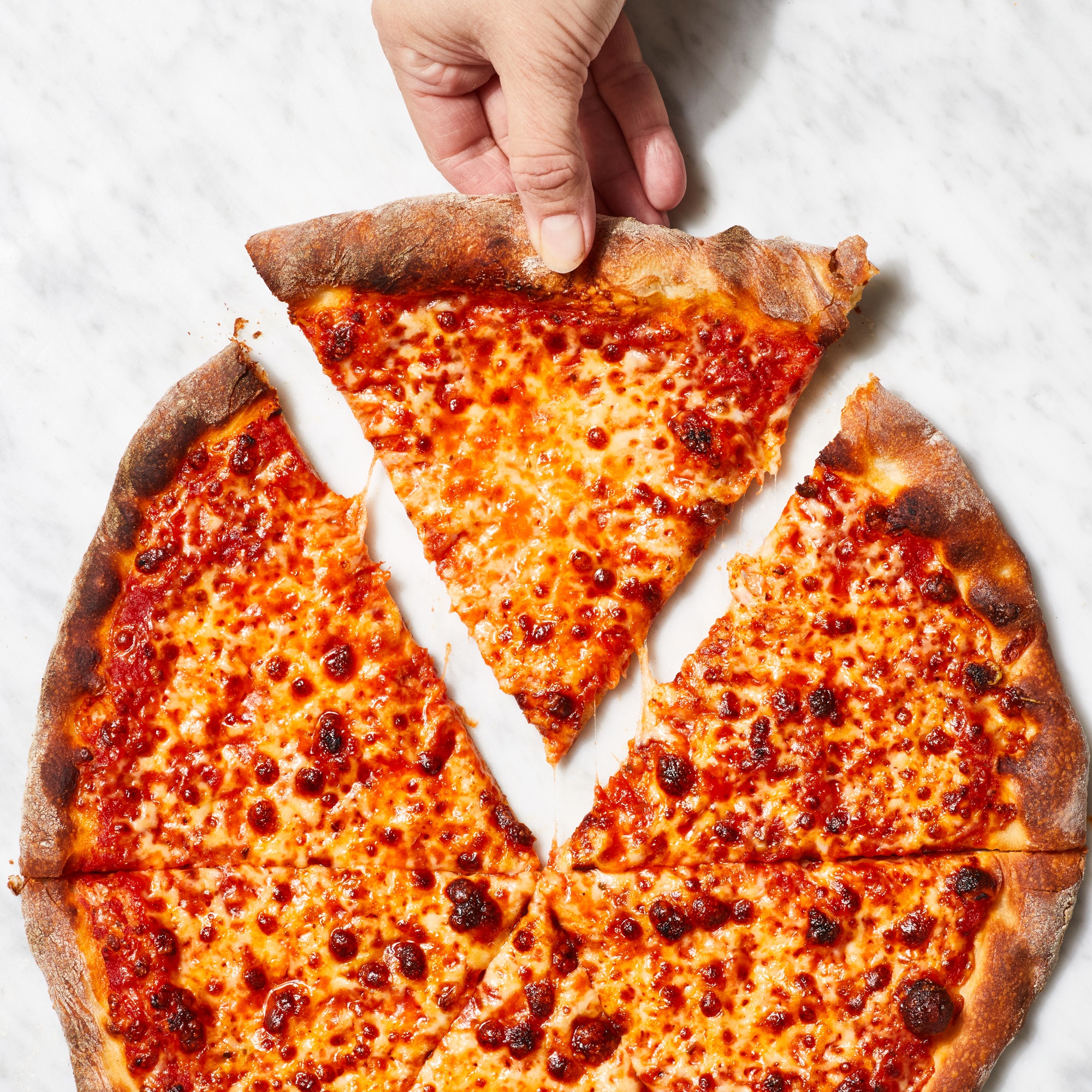
At its core, what distinguishes New York pizza is not just its topping or its cheese blend, but its distinctive crust. This crust is a delicate balance: it’s not as cracker-like or brittle as some Chicago deep-dish varieties, nor is it as doughy and thick as a Neapolitan or Roman style. Instead, it possesses a unique elasticity and chewiness that allows it to be folded in half, a characteristic often cited as the true test of authenticity. This foldability is a direct consequence of its crust’s texture and thickness.
The ideal New York crust is thin enough at the base to cook quickly and achieve a slight crisp, yet retains enough moisture and structure to be pliable. This isn’t a wafer-thin base; it has substance. The edge, or cornicione, puffs up slightly during baking, providing a satisfying contrast in texture, offering a chewier, airier bite that complements the flatter, crispier center. This interplay of textures is crucial to the overall experience of eating a slice of New York pizza, making it a quintessential part of the New York food scene.
Unpacking the “Thin” in New York Pizza
To truly understand if New York pizza is thin crust, we must delve into what “thin crust” signifies in the broader pizza vernacular. Generally, a thin crust pizza has a dough base that is significantly thinner than traditional or deep-dish styles, often measuring less than half an inch in thickness before baking. This allows for a faster cooking time and a crispier final product.
New York pizza fits this description. The dough is typically hand-stretched to an impressive diameter, but remains remarkably thin in the center. This thinness is achieved through a specific technique: a combination of tossing and stretching the dough, allowing gravity and skillful manipulation to create a wide, flat disc. The result is a crust that, when baked on a hot stone or deck oven, develops a crisp bottom while maintaining a tender interior.
However, “thin” is a relative term. Compared to the almost bread-like thickness of a Sicilian slice or the dense, towering structure of a Chicago deep-dish, New York pizza’s crust is undoubtedly on the thinner side. It prioritizes a delicate crispness and a slight chew over sheer bready volume. The emphasis is on the toppings and the sauce, allowing them to shine, supported by a crust that is flavorful and structurally sound without being overpowering.
The Role of Ingredients and Preparation

The debate over crust thickness is also intrinsically linked to the ingredients and preparation methods employed by New York pizzerias. The dough typically utilizes high-gluten flour, which contributes to its elasticity and chewiness. A slow fermentation process also plays a vital role, developing complex flavors and a texture that is both light and satisfying.
The application of sauce and cheese is also crucial. In true New York style, these are applied with a measured hand. A thin layer of tomato sauce and a generous, yet not overwhelming, layer of shredded low-moisture mozzarella are standard. This careful distribution prevents the crust from becoming soggy, a risk with thicker doughs that may not cook through properly under the weight of toppings. The high heat of the brick or deck ovens used in most pizzerias then works its magic, quickly cooking the thin crust to perfection.
Distinguishing New York Style from Other “Thin” Pizzas
While New York pizza is decidedly thin-crust, it’s important to differentiate it from other pizzas that also bear this descriptor. For instance, a Neapolitan pizza from Naples, Italy, is celebrated for its incredibly thin center and puffy, airy outer rim (the cornicione), often cooked in wood-fired ovens at extremely high temperatures. While similar in its thinness at the base, the Neapolitan crust tends to be softer and more blistered, with a slightly charred flavor, and is traditionally served whole, not by the slice.
Another example is Roman pizza, particularly pizza al taglio (pizza by the slice), which can also be thin and crispy. However, Roman pizza often has a lighter, airier crumb structure, sometimes achieved through a higher hydration dough, and is typically baked in rectangular pans. New York pizza, on the other hand, is almost exclusively round and traditionally sold by the slice, intended for immediate consumption, often on the go. The characteristic fold is a direct response to its specific blend of thinness and chew.
The “Fold” as a Defining Characteristic
The iconic “New York fold” is perhaps the most compelling evidence that the pizza is indeed thin crust. This technique, where a slice is folded lengthwise, creates a more manageable eating experience, preventing the toppings from sliding off and concentrating the flavor into a more compact bite. This fold is only possible because the crust has enough structural integrity to hold its shape when bent, but is also thin enough to allow for this bending without breaking or becoming unwieldy. A thicker crust would be too rigid to fold effectively, while a truly brittle, cracker-like crust would simply shatter. The New York slice achieves that perfect medium.

The Cultural Significance of the Thin Crust
Beyond its technical attributes, the thin crust of New York pizza is deeply intertwined with the city’s culture and history. The rise of pizza in New York in the early 20th century was largely driven by immigrant communities, particularly those from Italy. Pizzerias sprang up in working-class neighborhoods, offering an affordable, filling, and delicious meal. The ability to buy a slice for a few cents made it accessible to everyone, from laborers to students.
The thin crust lent itself perfectly to this model. It was quick to prepare, cook, and serve, ideal for busy urban life. The slice culture emerged naturally from this, with vendors selling individual portions from their ovens. The foldable nature further enhanced its portability and ease of consumption, making it the quintessential street food of New York. From iconic establishments like Lombardi’s Pizza and Joe’s Pizza to countless neighborhood joints, the thin, foldable crust remains a constant, a symbol of New York’s culinary heritage and its enduring spirit.
Therefore, when one asks if New York style pizza is thin crust, the answer is a resounding yes, albeit a thin crust with a unique character. It’s a thin crust that possesses a perfect harmony of crispness, chewiness, and pliability, a testament to the ingenuity and culinary artistry that has made it a global icon and a beloved staple for anyone visiting or living in New York. It’s a thin crust that defines a city.
LifeOutOfTheBox is a participant in the Amazon Services LLC Associates Program, an affiliate advertising program designed to provide a means for sites to earn advertising fees by advertising and linking to Amazon.com. Amazon, the Amazon logo, AmazonSupply, and the AmazonSupply logo are trademarks of Amazon.com, Inc. or its affiliates. As an Amazon Associate we earn affiliate commissions from qualifying purchases.