
The question of whether the New York Stock Exchange (NYSE) is open on Good Friday is a recurring one for investors, financial professionals, and those observing the global financial calendar. Understanding these closures is crucial for planning trading strategies, managing international portfolios, and even for travelers who might be visiting New York City around this time and are curious about the city’s economic pulse. While Good Friday is a significant religious observance for Christians worldwide, its impact on the financial markets, particularly in the United States, is specific and follows established protocols.
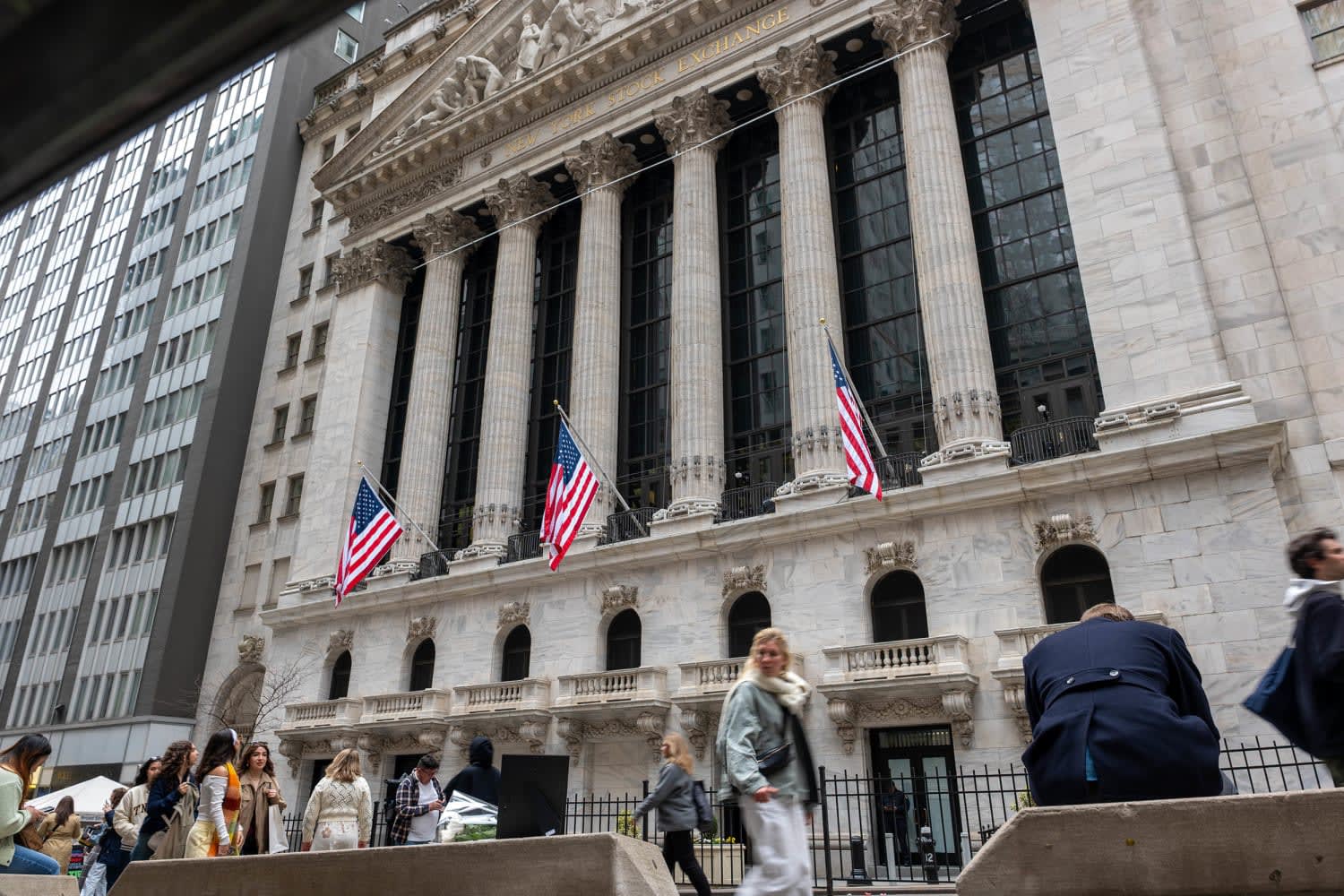
NYSE Holiday Schedule and Good Friday
The New York Stock Exchange observes a set of predetermined holidays throughout the year, during which trading is suspended. These holidays are a mix of federal observances and traditional market closings. The primary goal is to allow market participants, including traders, brokers, and exchange staff, to observe these occasions.
Official NYSE Holidays
The NYSE’s official holiday schedule is published annually and typically includes:
- New Year’s Day: January 1st
- Martin Luther King, Jr. Day: The third Monday in January
- Presidents’ Day: The third Monday in February
- Good Friday: The Friday before Easter Sunday
- Memorial Day: The last Monday in May
- Juneteenth National Independence Day: June 19th
- Independence Day: July 4th
- Labor Day: The first Monday in September
- Thanksgiving Day: The fourth Thursday in November
- Christmas Day: December 25th
It is important to note that when a holiday falls on a Saturday, the NYSE typically observes it on the preceding Friday. If a holiday falls on a Sunday, it is observed on the following Monday. This ensures that the market has a full day of closure for each designated holiday.
Good Friday’s Position on the Calendar
Good Friday is a movable feast, meaning its date changes each year, dictated by the lunar calendar and the vernal equinox. It always falls on the Friday before Easter Sunday. Because it is a recognized holiday within the NYSE’s established schedule, the exchange will indeed be closed on this day. This closure is consistent across major U.S. equity markets, including the Nasdaq Stock Market.
Implications for Investors and Travelers
The closure of the NYSE on Good Friday has several implications for different groups of people. For investors, it means a halt in trading activity for U.S. equities, which can influence market sentiment and the timing of investment decisions. For travelers visiting New York City, understanding this closure can offer a unique perspective on the city’s rhythm, especially if they are interested in the financial district.
For Investors

- Trading Halts: No trades can be executed on the NYSE or other U.S. stock exchanges on Good Friday. This means that any news or economic data released on this day will not immediately impact U.S. stock prices.
- Pre-Market and After-Hours Trading: While the main trading floor is closed, some limited forms of pre-market and after-hours trading might occur in certain over-the-counter (OTC) markets or through specific brokerage platforms, though this is not standard for major U.S. equities.
- Global Market Influence: While U.S. markets are closed, markets in other parts of the world, particularly in Europe where Good Friday is also a significant holiday and often leads to closures or reduced activity, and Asia, will be operating. Investors may monitor these markets for clues to how U.S. markets might open the following Monday.
- Strategic Planning: Investors often use this trading holiday to review their portfolios, conduct research, and plan their strategies for the upcoming trading week, especially considering the potential for market movements after the break.
For Travelers in New York City
- Financial District Experience: For those exploring New York City, a visit to the financial district around Wall Street on Good Friday will present a different scene. The bustling activity of traders and the constant flow of business might be significantly subdued. While the iconic buildings like the New York Stock Exchange itself will be quiet, the area can still offer a unique glimpse into the heart of global finance, albeit in a more tranquil state.
- Observing Local Culture: Good Friday is observed by many in New York City through religious services and quiet reflection. Visitors might notice a more subdued atmosphere in some neighborhoods, with some businesses potentially operating on reduced hours or closing for the day.
- Planning Attractions: While the NYSE is closed, most other tourist attractions in New York City, such as museums, parks, and Broadway shows, will remain open. However, it’s always advisable to check specific opening times, as some smaller establishments might adjust their hours for the holiday weekend. Museums like the Metropolitan Museum of Art or the American Museum of Natural History typically maintain their regular schedules.
Global Market Closures on Good Friday
The closure of the New York Stock Exchange on Good Friday is part of a broader global trend. Many other financial markets around the world also observe this day as a holiday, leading to significantly reduced trading activity globally.
European Markets
In Europe, Good Friday is a public holiday in many countries. For instance, markets in the United Kingdom, Germany, France, and Italy are typically closed. This widespread closure in major European financial centers amplifies the impact of the NYSE’s holiday, creating a period of relatively low global trading volume in equities.
Other Markets
While the NYSE is closed, some markets in regions where Good Friday is not a public holiday or is observed differently might remain open. However, the overall volume and liquidity can be affected by the closures in the United States and Europe. It’s always prudent for international investors to consult the specific holiday schedules for each market they trade in.

The Significance of Market Holidays
Market holidays like Good Friday serve several important functions beyond simply allowing for a day of rest. They provide opportunities for market participants to step back, analyze performance, and strategize without the immediate pressure of daily price fluctuations. This can lead to more considered decision-making and potentially reduce impulsive trading.
Furthermore, these holidays are deeply embedded in the cultural and religious fabric of societies. The observance of Good Friday by financial institutions reflects the broader societal recognition of its importance. For New York City, a global hub for finance, this acknowledgment underscores the interconnectedness of economic activity and cultural observance.
In conclusion, the New York Stock Exchange is indeed closed on Good Friday, adhering to its established holiday schedule. This closure affects investors, traders, and the general economic rhythm of New York City, while also aligning with holiday observances in numerous other major financial markets worldwide. Understanding these closures is an integral part of navigating the global financial landscape and appreciating the operational cadence of one of the world’s most important financial institutions.
LifeOutOfTheBox is a participant in the Amazon Services LLC Associates Program, an affiliate advertising program designed to provide a means for sites to earn advertising fees by advertising and linking to Amazon.com. Amazon, the Amazon logo, AmazonSupply, and the AmazonSupply logo are trademarks of Amazon.com, Inc. or its affiliates. As an Amazon Associate we earn affiliate commissions from qualifying purchases.