
Seattle, the Emerald City, is renowned for its lush greenery, vibrant tech scene, and, of course, its frequent precipitation. While many associate a trip to the Pacific Northwest with misty mornings and gentle drizzles, the reality of Seattle’s rainfall is a fascinating interplay of geography, meteorology, and prevailing weather patterns. Understanding these elements offers a deeper appreciation for the city’s unique climate and can significantly enhance a visitor’s experience, from packing the right gear to planning outdoor excursions.
The Pacific Northwest’s Unique Geography and Climate
Seattle’s location on the west coast of the United States, nestled between the Puget Sound and the Cascade Mountains, plays a pivotal role in its weather. This geographical configuration creates a microclimate that is distinct from much of the rest of the country. The presence of large bodies of water like the Pacific Ocean and the Puget Sound influences humidity levels and temperature, while the imposing mountain ranges act as significant weather barriers.

Orographic Lift: The Mountain’s Influence
One of the primary drivers of Seattle’s rainfall is a phenomenon known as orographic lift. As moist air masses from the Pacific Ocean move inland, they are forced to rise when they encounter the Olympic Mountains to the west and the Cascade Mountains to the east. As the air ascends, it cools, and its capacity to hold moisture decreases. This cooling leads to condensation, forming clouds. When these clouds become saturated, precipitation follows.
The region directly downwind of these mountain ranges, including Seattle, receives a substantial amount of this “orographic precipitation.” It’s a testament to the power of topography in shaping local weather. While the mountains themselves experience even heavier rainfall and snowfall, Seattle benefits from being in their rain shadow, yet still close enough to capture significant moisture. This constant interaction between the air, the ocean, and the mountains creates a reliable cycle of moisture for the region.
The Influence of the Pacific Ocean
The proximity of the Pacific Ocean is another critical factor. The ocean acts as a massive reservoir of moisture. Prevailing westerly winds carry this moist air directly towards the Washington coast. As this air mass travels over the relatively cooler waters of the Pacific, it cools and becomes saturated, setting the stage for cloud formation and subsequent rainfall when it reaches land and is lifted by topography.
Moreover, the Pacific Ocean moderates Seattle’s temperatures. Winters are generally mild and wet, while summers are typically dry and pleasant. This is because the ocean’s vast thermal mass prevents extreme temperature fluctuations. The cool ocean currents also play a role in keeping summer temperatures from becoming excessively hot, contributing to the city’s reputation as a comfortably temperate destination.
Seasonal Weather Patterns in Seattle
While the question implies constant rain, Seattle’s precipitation is not uniformly distributed throughout the year. There are distinct seasonal patterns that define its climate, with a pronounced wet season and a drier, more pleasant summer. Understanding these cycles is crucial for anyone planning a visit or simply curious about the city’s atmospheric behavior.
The Dominance of the Wet Season
From roughly October through May, Seattle experiences its wet season. This period is characterized by frequent, often persistent, but typically light to moderate rainfall. The atmospheric rivers that form over the Pacific are a significant contributor, channeling vast amounts of moisture directly into the region. These systems, while powerful, often bring extended periods of cloudy skies and drizzle rather than torrential downpours.
The low-pressure systems that frequent the North Pacific during these months are also responsible for the cloudy, damp conditions. These systems draw in air from the ocean, further enhancing the likelihood of precipitation. It’s during these months that the classic “Seattle drizzle” becomes most apparent, creating the iconic misty atmosphere that many associate with the city.
The Brief, Beautiful Summer
Conversely, Seattle’s summers, from June to September, are remarkably dry and sunny. This dramatic shift is attributed to the position and strength of the subtropical high-pressure ridge that forms over the Pacific Ocean during these warmer months. This ridge effectively blocks the westerly storm track, pushing it further north and preventing most of the moist air from reaching Seattle.
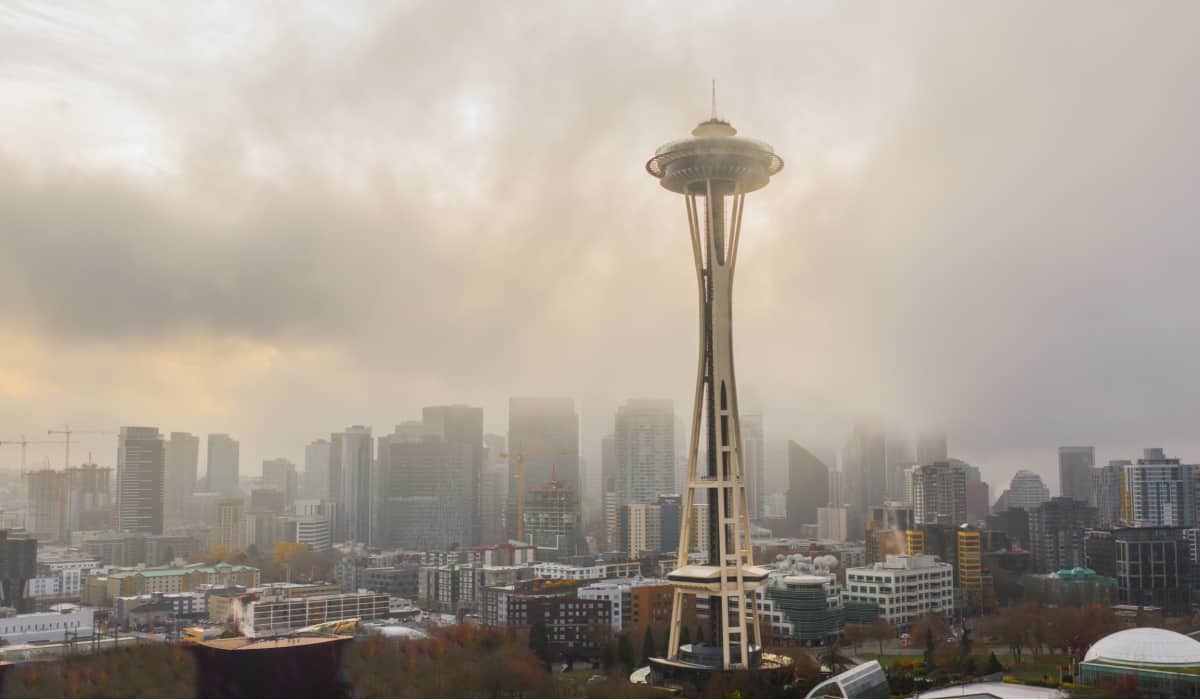
This provides a window of opportunity for outdoor activities, festivals, and enjoying the city’s many parks and natural attractions. The prolonged daylight hours and comfortable temperatures make summer the most popular time for tourists to visit. However, even during this drier period, occasional “marine layer” clouds can roll in from the ocean, particularly in the mornings, before burning off to reveal sunshine.
The “Seattle Mist” and Its Characteristics
The type of rain Seattle receives is often more nuanced than a simple downpour. The city is famous for its persistent drizzle, a fine mist that can saturate without the dramatic impact of a heavy storm. This characteristic is closely tied to the lower cloud decks and the relatively cool surface temperatures that prevail for much of the year.
Low-Level Clouds and Condensation
The consistent presence of moist air combined with the cooling effect of the Pacific Ocean and the lifting provided by local topography often leads to the formation of low-level clouds. These clouds, known as stratus or stratocumulus, are typically found at altitudes where temperatures are just right for condensation to occur. When these clouds are thick enough, they produce drizzle.
The phenomenon is amplified by the fact that the air often doesn’t need to rise very high to reach its dew point. This means that even slight atmospheric disturbances or gradual cooling can trigger precipitation. This is why, even on days that don’t appear particularly “stormy,” you can still find yourself needing an umbrella or waterproof jacket.
The Perception vs. Reality of Rainfall Amounts
While it feels like it rains constantly, Seattle doesn’t actually receive an exceptionally high total amount of rainfall compared to many other major U.S. cities. For instance, cities like New York City or New Orleans often record more inches of precipitation annually. The key difference lies in the frequency and intensity.
Seattle’s precipitation is spread out over many more days of the year. Instead of a few intense storms, there are many days with light to moderate rain or drizzle. This consistent, albeit often gentle, rainfall contributes to the city’s verdant landscape and the perception of perpetual dampness. The visitor’s experience is one of frequent, light showers rather than infrequent, heavy deluges.
Preparing for Seattle’s Climate
For travelers visiting Seattle, understanding its rainfall patterns is not just meteorological curiosity; it’s a practical guide to enjoying the city. Proper preparation can ensure that a trip is not dampened by unexpected weather.
Essential Packing Tips
The golden rule for packing for Seattle is to be prepared for all conditions, especially outside of the summer months. Layers are key. A waterproof and windproof outer shell is indispensable, whether it’s a rain jacket or a trench coat. Beneath that, opt for moisture-wicking base layers and insulating mid-layers.
Waterproof footwear is also highly recommended. Comfortable walking shoes that can withstand damp conditions will allow you to explore the city’s many neighborhoods and parks without discomfort. Don’t forget an umbrella; while the drizzle may be light, it can still be persistent. Sunglasses and sunscreen are still essential, even on cloudy days, as UV rays can penetrate cloud cover.

Embracing the Outdoors, Rain or Shine
The people of Seattle are accustomed to their climate and have learned to embrace it. Many of the city’s most beloved attractions are enjoyable regardless of the weather. Museums like the Museum of Pop Culture (MoPOP) or the Chihuly Garden and Glass offer fascinating indoor experiences.
For those who don’t mind a bit of moisture, Seattle’s parks are stunning in their lushness. A walk through Discovery Park or along the waterfront can be incredibly atmospheric, especially with a gentle mist. Many local businesses, including coffee shops, breweries, and restaurants, offer cozy refuges to escape the elements and experience Seattle’s vibrant local culture. The city thrives in all seasons, and a visitor’s experience can be equally rich, rain or shine.
LifeOutOfTheBox is a participant in the Amazon Services LLC Associates Program, an affiliate advertising program designed to provide a means for sites to earn advertising fees by advertising and linking to Amazon.com. Amazon, the Amazon logo, AmazonSupply, and the AmazonSupply logo are trademarks of Amazon.com, Inc. or its affiliates. As an Amazon Associate we earn affiliate commissions from qualifying purchases.