
The iconic exclamation, “Oy vey iz mir!” or its shortened, more commonly used form, “Oy!” is a quintessential New York expression. Far from being merely a linguistic tic, it’s a cultural marker deeply embedded in the fabric of the city, particularly within its significant Jewish heritage. To understand “oy” in New York is to delve into the history, the resilience, and the everyday cadence of a metropolis shaped by diverse immigrant experiences. This article explores the origins, multifaceted meanings, and enduring significance of this seemingly simple utterance within the vibrant tapestry of New York City.
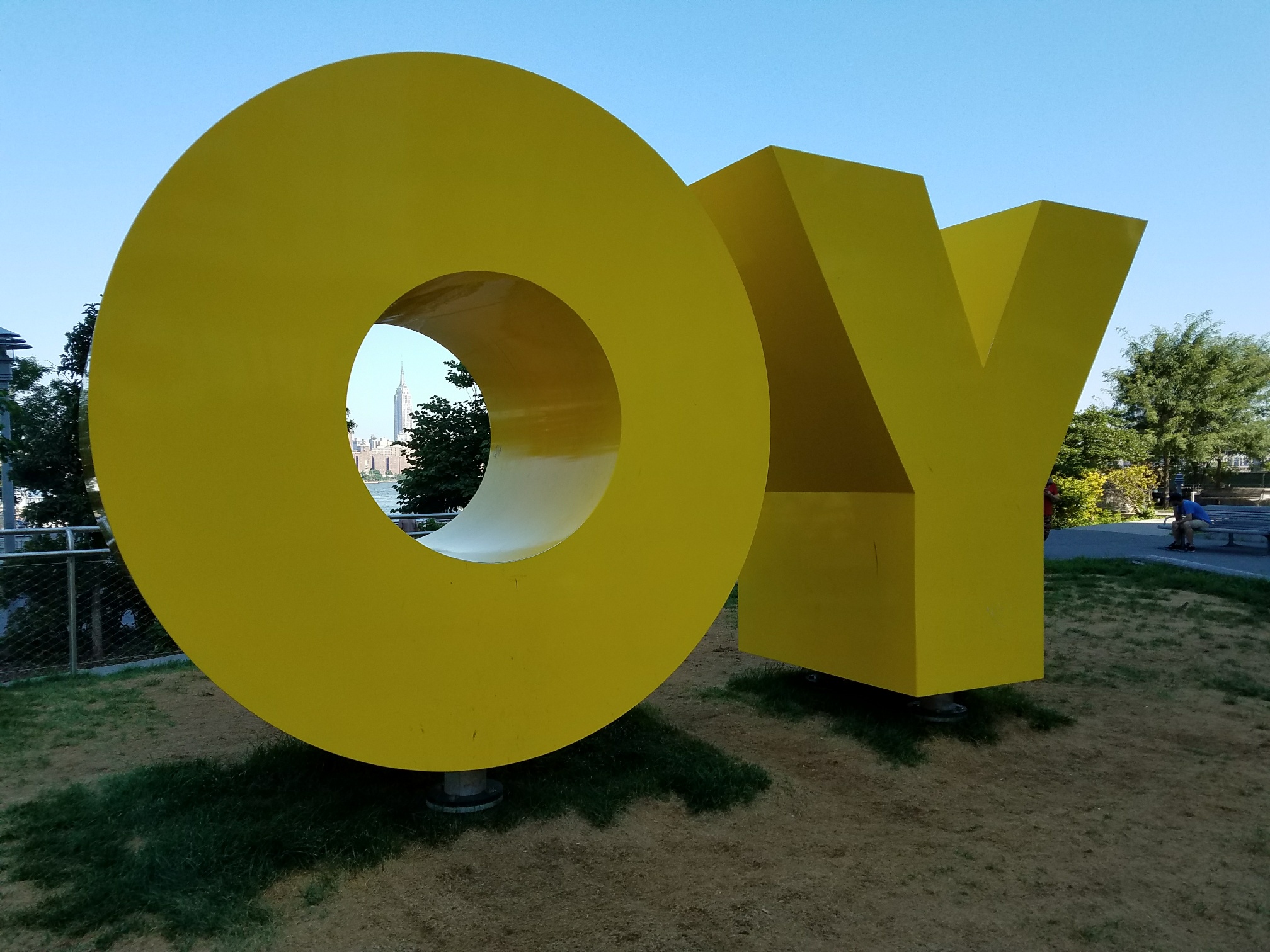
The Yiddish Roots of an Urban Exclamation
The term “oy” originates from the Yiddish language, a fusion of Hebrew and Germanic dialects that became the vernacular of Ashkenazi Jews. Yiddish, historically spoken across Eastern Europe, arrived in America with waves of Jewish immigration in the late 19th and early 20th centuries. The largest concentration of these immigrants settled in New York City, transforming neighborhoods like the Lower East Side into bustling centers of Jewish life.
The phrase “Oy vey iz mir” literally translates to “Oh, woe is me.” It’s an expression of dismay, exasperation, or lament. However, like many linguistic elements that migrate and evolve, “oy” in New York has broadened its semantic range considerably. It’s no longer exclusively an expression of profound sorrow. Instead, it has become a versatile interjection used to convey a spectrum of emotions, often with a touch of humor or resigned acceptance.
Historical Context and Immigration
The influx of millions of Jewish immigrants to New York during the early 20th century was a pivotal moment in the city’s demographic and cultural history. These immigrants, many fleeing persecution and economic hardship, brought with them their traditions, their languages, and their unique way of expressing the human condition. “Oy” became a way for them to articulate their experiences – the struggles of assimilation, the challenges of making a living, the frustrations of daily life, and the occasional triumphs.
Neighborhoods like Bensonhurst in Brooklyn and parts of the Bronx were deeply influenced by this Yiddish-speaking population. While the linguistic landscape of these areas has shifted over time with subsequent waves of immigration and generational changes, the imprint of Yiddish, and specifically “oy,” remains indelible. It’s a linguistic echo of a foundational immigrant experience that continues to resonate.
The Multifaceted Meanings of “Oy” in New York
In contemporary New York, “oy” is a linguistic chameleon. Its meaning is heavily dependent on context, tone of voice, and the speaker’s intent. It can express a wide array of sentiments, often with a characteristic New York blend of world-weariness and wry humor.
Expressing Frustration and Annoyance
Perhaps the most common usage of “oy” is to signal frustration or annoyance. A New Yorker might exclaim “Oy!” when stuck in an interminable traffic jam on the George Washington Bridge, when a subway train is delayed, or when dealing with a particularly difficult customer. It’s a sound that captures the collective sigh of a city that often presents its inhabitants with challenges.
- Traffic Woes: “Oy, this traffic is unbelievable! I’m going to be late for my meeting at One World Trade Center.”
- Service Snafus: “I waited an hour for my coffee. Oy, the service here!”
- Everyday Inconveniences: Tripping on a cracked sidewalk or fumbling with keys can elicit a simple, yet expressive, “Oy.”
Conveying Sympathy or Empathy
Beyond personal frustration, “oy” can also be used to express sympathy or empathy towards another person’s predicament. It’s a way of acknowledging someone’s hardship or misfortune, often with a sense of shared understanding.
- Hearing Bad News: “Your flight was canceled? Oy, that’s terrible!”
- Witnessing Difficulty: Seeing someone struggle with heavy bags might prompt a sympathetic “Oy, let me help you with that.”
- Shared Misfortune: When two people experience a similar setback, one might say, “We both missed the last bus? Oy!”
Signifying Surprise or Disbelief
In some instances, “oy” can carry a tone of surprise, disbelief, or mild shock. It’s not necessarily negative surprise, but rather an acknowledgment of something unexpected.
- Unexpected Events: “You got tickets to the Broadway show? Oy, lucky you!”
- Astonishing News: “He won the lottery? Oy, I don’t believe it!”

A Touch of Resignation or Humor
Often, “oy” is delivered with a shrug and a wry smile, indicating a sense of resigned acceptance of life’s absurdities. It’s a way of saying, “What can you do?” or “That’s just how it is.” This usage often injects humor into potentially negative situations.
- Dealing with Bureaucracy: “I have to fill out three forms to change my address? Oy, the paperwork!”
- Accepting the Inevitable: Seeing a long line at a popular bagel shop might elicit a knowing “Oy,” implying that patience is required.
“Oy” as a Cultural Identifier
The persistent use of “oy” in New York City is more than just linguistic habit; it’s a cultural identifier. It connects contemporary New Yorkers to the city’s rich history of immigration and the enduring legacy of its Jewish population. While its Yiddish origins are clear, its adoption by non-Jewish New Yorkers signifies a broader assimilation of this expressive interjection into the city’s vernacular.
The Sound of New York
“Oy” has become part of the urban soundscape. It’s a sound that many associate with the fast-paced, often chaotic, yet vibrant energy of New York. It’s a word that cuts through the noise, conveying a complex emotion succinctly. It’s often heard amidst the bustling streets of Times Square, in the crowded subways, and during lively conversations in Katz’s Delicatessen.
Generational Evolution
While older generations might associate “oy” more strongly with Yiddish and its specific cultural context, younger New Yorkers, regardless of their background, use it as a general exclamation. This demonstrates how words and phrases can transcend their original cultural boundaries, becoming integrated into the broader linguistic landscape of a diverse city. It’s a testament to the melting pot that is New York, where cultural elements are constantly being exchanged and adapted.
Beyond the City Limits
While “oy” is most strongly associated with New York, its usage has spread to other American cities, particularly those with significant Jewish populations or a strong cultural connection to New York’s urban style. However, the intensity and ubiquity of “oy” in New York remain unparalleled. It’s a word that feels intrinsically tied to the city’s identity.
Where You Might Hear “Oy” in New York
To truly appreciate the context and usage of “oy,” one needs to experience the city firsthand. Its natural habitat is everywhere, but certain settings amplify its presence:
The Boroughs
- Manhattan: From the hurried conversations in Midtown to the more relaxed, yet still expressive, exchanges in the West Village, “oy” is a constant.
- Brooklyn: In neighborhoods with a strong historical Jewish presence like Borough Park or more recently diverse areas, the sound of “oy” is common.
- Queens and The Bronx: As with all boroughs, “oy” is woven into the daily interactions across its varied communities.
- Staten Island: Even on the ferry, amidst the breathtaking views of the Statue of Liberty, you might hear a well-placed “oy.”
Iconic Institutions and Activities
- Public Transportation: The daily commute on the New York City Subway is a fertile ground for “oy” usage, whether expressing frustration with delays or commiserating with fellow passengers.
- Markets and Shops: From Zabar’s on the Upper West Side to local bodegas, the interactions at the point of sale often feature this familiar exclamation.
- Cultural Events: During a packed performance at Carnegie Hall or while navigating the throngs at a museum like the Metropolitan Museum of Art, “oy” serves as a verbal punctuation mark.
- Street Food Vendors: Whether ordering a hot dog or a pretzel, the lively exchanges often include a friendly “oy.”

Conclusion: The Enduring Charm of “Oy”
“Oy” is more than just a word; it’s a piece of New York’s soul. It’s a linguistic artifact that carries the weight of history, the humor of resilience, and the expressiveness of a city that thrives on its diversity. Its origins in Yiddish speak to the profound impact of Jewish immigration on the city, while its widespread adoption by people of all backgrounds illustrates the dynamic and ever-evolving nature of New York’s linguistic landscape.
To truly understand New York is to understand the many nuances of its language, and “oy” is a vital part of that understanding. It’s a reminder that even the smallest expressions can carry deep meaning, connect us to our past, and encapsulate the complex, often amusing, reality of life in one of the world’s most vibrant cities. So, the next time you hear an “oy” in New York, listen closely – you’re hearing a story.
LifeOutOfTheBox is a participant in the Amazon Services LLC Associates Program, an affiliate advertising program designed to provide a means for sites to earn advertising fees by advertising and linking to Amazon.com. Amazon, the Amazon logo, AmazonSupply, and the AmazonSupply logo are trademarks of Amazon.com, Inc. or its affiliates. As an Amazon Associate we earn affiliate commissions from qualifying purchases.