
Bodegas are more than just corner stores in New York City; they are integral threads in the city’s vibrant cultural fabric, serving as informal community hubs, convenient pit stops, and essential sources for daily necessities. For visitors and even some newer residents, the term “bodega” might conjure images of a generic convenience store, but in the context of New York, it signifies a unique urban institution with a rich history and a distinct personality. Understanding what a bodega is involves delving into its origins, its diverse offerings, and its irreplaceable role in the daily lives of New Yorkers.

The Evolution of the Bodega
The concept of the bodega has roots that stretch back to the late 19th and early 20th centuries, with the influx of immigrants, particularly those from Spanish-speaking countries, to New York. The word “bodega” itself is of Spanish origin, meaning “wine cellar” or “storeroom.” These early establishments often began as small grocery stores, offering a curated selection of goods that catered to the specific needs and tastes of their immigrant communities. They provided familiar foods, spices, and products that were difficult to find in larger, more established American markets.
Over time, as neighborhoods evolved and the city’s demographics shifted, bodegas adapted and expanded their offerings. They transformed from simple purveyors of ethnic groceries into multifaceted establishments. The economic landscape of New York also played a crucial role. In densely populated urban areas where apartment living is common and extensive shopping trips can be inconvenient, bodegas emerged as vital local resources. They filled the gap for quick purchases, last-minute ingredients, and everyday items, becoming indispensable for residents of all backgrounds. The development of new architectural styles in New York, from the iconic brownstones to the towering skyscrapers, inadvertently created the need for these easily accessible neighborhood shops.
From Specialty Grocer to Urban Staple
The initial focus on imported goods and specific community needs gradually broadened. As more diverse populations settled in New York, bodegas began stocking a wider array of products to serve a larger customer base. This included a mix of ethnic foods, American staples, snacks, beverages, and household items. The convenience factor cannot be overstated; with residents often living in smaller apartments with limited storage, the ability to pop into a local bodega for a single onion or a carton of milk proved invaluable. This adaptability is a hallmark of the bodega and a key reason for its enduring presence in the urban landscape, a stark contrast to the more transient nature of some other retail establishments.
Community Anchors in a Bustling Metropolis
Beyond their commercial function, bodegas quickly became informal social centers. For many, especially older residents or those working from home, the bodega was a place to connect with neighbors, chat with the owner, and stay informed about local happenings. The owner, often a long-time resident themselves, becomes a familiar face, privy to the pulse of the neighborhood. This social aspect is a crucial element that distinguishes a bodega from a sterile chain store. It fosters a sense of belonging and familiarity in the often impersonal environment of a large city. This is particularly relevant in diverse neighborhoods like Jackson Heights or parts of Brooklyn, where bodegas act as melting pots of local interaction.
The Quintessential Bodega Experience
Visiting a bodega is an experience that goes beyond simply making a purchase. It’s about immersion into the authentic rhythm of New York. Each bodega has its own unique character, shaped by its owner, its location, and its clientele.
What You’ll Find Inside
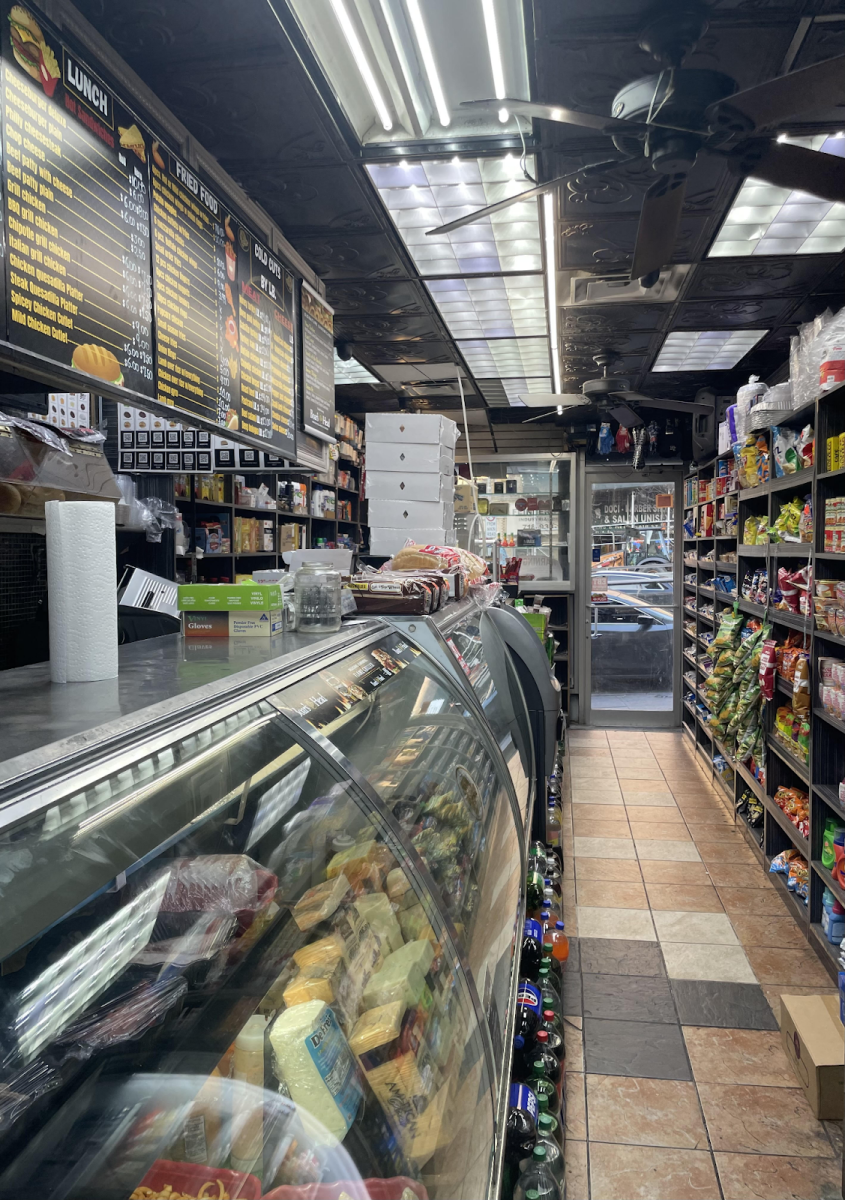
The inventory of a typical New York bodega is a testament to its role as a one-stop shop for a vast array of needs. While the core offerings remain consistent, the specific items can vary significantly.

- Groceries and Produce: From basic fruits and vegetables to canned goods, pasta, rice, and cereal, bodegas stock essential food items. You’ll often find a small selection of dairy products, eggs, and bread.
- Beverages: A wide range of drinks is always available, including sodas, juices, bottled water, iced coffee, and increasingly, specialty teas and kombucha. Many bodegas also have a small selection of beer and wine.
- Snacks and Sweets: This is a crucial category, encompassing everything from chips, candy bars, and cookies to pastries and doughnuts.
- Household Essentials: Need batteries, light bulbs, cleaning supplies, paper towels, or trash bags? Your local bodega likely has you covered.
- Personal Care Items: Basic toiletries like toothpaste, soap, shampoo, and pain relievers are common stock items.
- Tobacco Products: Cigarettes, cigars, and rolling papers are a standard offering in most bodegas.
- Lottery Tickets and E-ZPass: These are popular impulse buys, and bodegas are a primary outlet for them.
- Prepared Foods: Many bodegas have evolved to offer a small deli counter or hot food station. This is where the legendary New York breakfast sandwich, typically an egg, cheese, and meat concoction on a roll, often originates. Halal carts, though distinct, share a similar spirit of providing quick, affordable meals.
- Miscellaneous Items: Depending on the location and clientele, you might find anything from phone chargers and umbrellas to greeting cards and small toys.
The Famous Bodega Cat
A beloved, if unofficial, fixture in many New York bodegas is the resident cat. These feline companions often roam freely, providing a touch of warmth and personality to the often-bustling store. They are not just pets but integral parts of the bodega’s charm, often serving as unofficial mascots and adding a unique, homey element that contrasts with the urban environment outside. Stories and even social media accounts dedicated to these bodega cats are a testament to their iconic status.
Beyond the Transaction: The Social Fabric
The interactions within a bodega are as important as the goods sold. The owner or staff often know their regular customers by name and can engage in brief, friendly conversations. This personal touch creates a sense of community that is increasingly rare in modern retail. For tourists exploring neighborhoods like Greenwich Village or the Lower East Side, a stop at a bodega offers a genuine glimpse into the local way of life. It’s a place where diverse people from all walks of life converge, highlighting the multicultural tapestry of New York.
The Bodega’s Enduring Relevance
In an era dominated by large chain stores and online shopping, the continued success and importance of bodegas are remarkable. They represent a resilient form of local entrepreneurship and a vital service that caters to the specific needs of New York City’s residents.
Economic Significance and Local Entrepreneurship
Bodegas are often small, family-owned businesses. They provide employment opportunities within their local communities and contribute to the neighborhood’s economic vitality. While they may not have the vast resources of a national chain, their agility and deep understanding of their customer base allow them to thrive. This local ownership fosters a sense of pride and investment in the community, making them more than just places to shop, but rather integral components of the neighborhood’s identity. Many of these businesses are cornerstones in areas like Washington Heights.
Adapting to Modern Demands
While their charm lies in their traditional nature, bodegas are not resistant to change. Many have embraced technology, offering mobile payment options and even participating in delivery services. They are constantly adapting their inventory to reflect changing consumer tastes and demands, from offering more healthy snack options to stocking a wider variety of ethnic ingredients. This willingness to evolve while retaining their core identity is key to their longevity.
A Symbol of New York Identity
More than just a store, the bodega has become a potent symbol of New York City’s unique character. They are a testament to the city’s multiculturalism, its entrepreneurial spirit, and its ability to adapt and endure. For anyone seeking an authentic taste of New York life, a visit to a local bodega is an essential part of the experience, offering a glimpse into the everyday rhythms and connections that make the city so dynamic and unique, much like exploring landmarks such as Central Park or visiting the Metropolitan Museum of Art. They are the unsung heroes of the urban landscape, the reliable pillars of convenience and community that define the New York experience.
LifeOutOfTheBox is a participant in the Amazon Services LLC Associates Program, an affiliate advertising program designed to provide a means for sites to earn advertising fees by advertising and linking to Amazon.com. Amazon, the Amazon logo, AmazonSupply, and the AmazonSupply logo are trademarks of Amazon.com, Inc. or its affiliates. As an Amazon Associate we earn affiliate commissions from qualifying purchases.