
Winter in Chicago is a spectacle of glittering white, a transformative force that reshapes the urban landscape into a wonderland. For those planning their visit or already immersed in the city’s unique charm, understanding the day’s snowfall is more than just a meteorological curiosity; it’s a crucial element in crafting the perfect itinerary. Whether you’re seeking to embrace the frosty air with outdoor adventures or prefer to admire the snowy vistas from a cozy vantage point, knowing the forecast directly impacts your experience. This guide delves into the nuances of Chicago’s winter weather, offering insights on how to navigate the city when snow blankets the ground, and highlighting the attractions that truly shine under a layer of white.

Embracing the Winter Wonderland: Activities and Attractions
When the snow begins to fall in Chicago, a different kind of magic descends upon the city. While some attractions might require a slight adjustment in planning, many of Chicago’s most beloved spots offer a unique and often more breathtaking experience during the winter months. This season invites a slower pace, encouraging deeper appreciation for the city’s architectural marvels and cultural gems, all set against a pristine, snow-dusted backdrop.
Outdoor Adventures in the Snow
Chicago’s parks and lakefront transform into idyllic settings for winter recreation. For those who don’t shy away from the cold, opportunities abound to engage with the snowy environment.
-
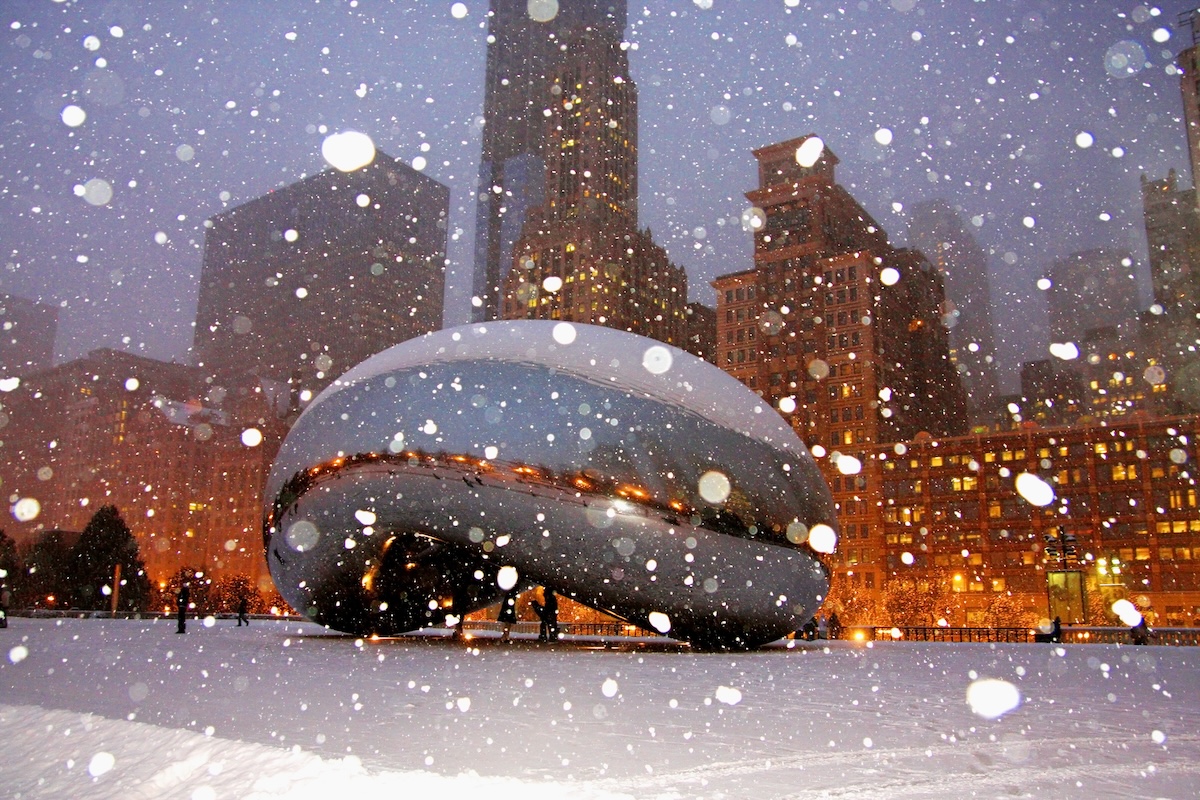
Ice Skating: The iconic McCormick Tribune Ice Rink in Millennium Park is a quintessential Chicago winter experience. Surrounded by the dazzling Cloud Gate sculpture (affectionately known as “The Bean”) and the city skyline, skaters glide under the open sky. This rink offers rentals, making it accessible for all levels of skaters. Another popular spot is the Maggie Daley Park Skating Ribbon, a uniquely designed, winding path that offers a more dynamic skating experience through a winter forest.
-
Winter Walks and Photography: A stroll along the Chicago Riverwalk or Lake Michigan shoreline takes on a serene beauty when covered in snow. The stark contrast between the white snow, the deep blue of the lake, and the imposing architecture of the city creates unparalleled photographic opportunities. Landmarks like the Wrigley Building and the Tribune Tower appear even more majestic when dusted with snow. For nature lovers, Lincoln Park offers a peaceful escape, with its snow-covered trails and the possibility of spotting wintering birds in the Lincoln Park Zoo.
-
Skiing and Snowboarding (Nearby): While Chicago itself is largely flat, several ski resorts are within a few hours’ drive, offering a more adrenaline-fueled winter escape. Destinations like Wilmot Mountain in Wisconsin or Chestnut Mountain Resort in Galena, Illinois, provide opportunities for downhill skiing and snowboarding, often with spectacular views of the surrounding wintry countryside. These trips can be easily arranged as day excursions or weekend getaways from the city.
Indoor Retreats and Cultural Experiences
For those who prefer to stay warm, Chicago’s world-class museums, theaters, and culinary scene offer abundant reasons to visit, regardless of the weather outside. The snow often adds a sense of cozy anticipation to these indoor pursuits.
-
Museum Hopping: Chicago’s Museum Campus is a treasure trove of cultural experiences. The Art Institute of Chicago houses an extensive collection, perfect for losing yourself for hours. The Field Museum offers a journey through natural history, with highlights like “Sue” the T. rex. The Shedd Aquarium provides an underwater escape, showcasing diverse marine life, while the Adler Planetarium offers celestial wonders. The snow outside only enhances the feeling of discovery and wonder within these institutions.
-
Theatrical Performances: Chicago is renowned for its vibrant theater scene. From Broadway in Chicago productions at the Cadillac Palace Theatre to the innovative shows at the Steppenwolf Theatre Company or the Goodman Theatre, an evening at the theater is a sophisticated way to spend a snowy night. The anticipation of a performance is often heightened by the hushed quiet of a snow-covered city outside.
-
Culinary Delights: Chicago’s food scene is legendary, and winter is the perfect time to indulge. Cozy up in a classic steakhouse, discover innovative dishes at Michelin-starred restaurants, or savor a deep-dish pizza. Neighborhoods like Wicker Park and Lincoln Park offer a plethora of intimate eateries and lively bars, ideal for escaping the cold and enjoying hearty, comforting cuisine.
Planning Your Snowy Chicago Itinerary
Successfully navigating Chicago during its snowy season requires a bit of foresight and flexibility. The weather can influence transportation, outdoor activities, and even the ambiance of your chosen pursuits. Being prepared ensures that you can make the most of every moment, transforming potential challenges into unique travel advantages.
Navigating the City in Winter Conditions
Chicago’s public transportation system, the CTA, is generally robust and operates throughout the year. However, severe weather can cause delays.
-
Public Transportation: The “L” train system remains a reliable way to traverse the city, often avoiding the worst of traffic disruptions. Buses can experience delays due to road conditions. It’s advisable to check the CTA website or app for real-time updates. Purchasing a Ventra card or using the mobile app for fares is convenient.
-
Taxis and Rideshares: Taxis and rideshare services like Uber and Lyft are readily available. During heavy snowfall, demand can increase, potentially leading to longer wait times and surge pricing. Always allow extra travel time when relying on these services.
-
Walking: While certainly invigorating, walking in snow requires appropriate footwear. Waterproof boots with good traction are essential. Sidewalks are typically cleared, but slush and icy patches can still be present. Dressing in layers is paramount for comfort during any outdoor exploration.
Packing Essentials for a Winter Visit
The key to enjoying Chicago in the winter is proper preparation, and that starts with your packing list.
-
Outerwear: A warm, waterproof, and windproof winter coat is non-negotiable. Look for features like a hood and insulated lining.
-
Footwear: Insulated, waterproof boots with excellent grip are crucial for navigating snowy and icy streets.

-
Layers: Pack thermal base layers, sweaters, and fleeces. The ability to add or remove layers is essential for adapting to fluctuating indoor and outdoor temperatures.
-
Accessories: A warm hat that covers your ears, waterproof gloves or mittens, and a scarf are vital for protecting extremities from the cold.
-
Other: Consider bringing lip balm, moisturizer (the dry air can be harsh), and sunglasses, as snow can reflect sunlight intensely.
Accommodation Considerations
When booking your stay, consider how the weather might impact your daily plans and choose a hotel that offers both comfort and convenience.
-
Location: Staying in a central location, such as the Loop or near the Magnificent Mile, provides easy access to many attractions, reducing travel time in potentially challenging conditions. Proximity to “L” train stations is a significant advantage.
-
Amenities: Look for hotels that offer amenities that enhance a winter stay. This includes well-heated rooms, perhaps an indoor pool or fitness center for active days, and cozy common areas like a lobby lounge or a hotel bar where you can relax with a warm drink. For those seeking a more intimate experience, consider boutique hotels that often provide a more personalized and welcoming atmosphere.
-
Views: A hotel room with a view of the snow-covered city or Lake Michigan can be a magical experience in itself. Waking up to a winter panorama can be a highlight of your trip, offering a serene start to your day before you venture out.
The Science and Art of Chicago Snowfall
Understanding the factors that contribute to Chicago’s winter precipitation can offer a deeper appreciation for its weather patterns and provide a more informed perspective when checking the forecast. Chicago’s location on the southwestern shore of Lake Michigan plays a significant role in shaping its climate, particularly its snowy winters.
Lake Effect Snow
One of the most influential meteorological phenomena affecting Chicago is lake-effect snow. This occurs when cold, dry air moves over the relatively warmer waters of Lake Michigan. The air picks up moisture and heat from the lake, becoming unstable. As this moist air moves inland, it cools and condenses, forming clouds and eventually precipitating as snow.
-
Directional Impact: The direction of the wind is critical. When cold winds blow from the northwest or north across the lake, they can deposit significant amounts of snow on the northeastern parts of Illinois, including Chicago. The city often experiences these localized snow bands, which can lead to much higher accumulations in certain areas than in others.
-
Intensity and Duration: Lake-effect snow can be intense, producing heavy snowfall rates in short periods, often referred to as “snow squalls.” While these bands can be highly localized and sometimes short-lived, they are responsible for some of Chicago’s most memorable snow events.
Winter Storms and Nor’easters
Beyond localized lake effects, Chicago is also susceptible to larger winter storms that can sweep across the Midwest.
-
Midwest Storm Systems: These storms often form as low-pressure systems move across the plains. When they interact with cold air masses, they can bring widespread snowfall, often accompanied by strong winds, creating blizzard conditions.
-
Nor’easters: While typically associated with the East Coast, Nor’easters can sometimes track inland or influence weather patterns affecting Chicago, bringing significant snow and wind. The exact track of these systems is crucial in determining the amount of snow an area receives.
Factors Influencing Snowfall Totals
When meteorologists forecast snowfall, they consider several variables:
-
Temperature: For snow to fall, temperatures must be at or below freezing point (0°C or 32°F). The specific temperature at different atmospheric levels influences whether precipitation falls as rain, sleet, or snow. Even a few degrees difference can drastically alter the type and amount of precipitation.
-
Moisture Availability: The atmosphere needs to contain sufficient moisture to form clouds and precipitation. Lake Michigan is a vital source of moisture, especially during lake-effect events.
-
Atmospheric Dynamics: Upper-level winds and the strength and movement of low-pressure systems are key drivers of storm development and precipitation intensity.
-
Topography: While Chicago is relatively flat, subtle variations in terrain can sometimes influence localized snowfall patterns, particularly along the lakefront.
Making the Most of a Snowy Day in Chicago
Regardless of the exact snow total, a snowy day in Chicago offers a unique opportunity to experience the city in a different light. Embrace the weather, adjust your plans accordingly, and discover the quiet beauty and cozy charm that winter bestows upon this magnificent metropolis. From the exhilarating rush of ice skating to the comforting warmth of a well-appointed lounge, Chicago in the snow is an experience worth savoring.
LifeOutOfTheBox is a participant in the Amazon Services LLC Associates Program, an affiliate advertising program designed to provide a means for sites to earn advertising fees by advertising and linking to Amazon.com. Amazon, the Amazon logo, AmazonSupply, and the AmazonSupply logo are trademarks of Amazon.com, Inc. or its affiliates. As an Amazon Associate we earn affiliate commissions from qualifying purchases.