
Embarking on a journey to the enchanting landscapes of Arizona promises an unparalleled experience, from the majestic depths of the Grand Canyon to the vibrant urban tapestry of Phoenix. Yet, as travelers plan their adventures, a unique question often arises, one that delves beyond the typical itinerary: “What time is it in Arizona?” This seemingly simple query unveils a fascinating quirk in the state’s daily rhythm, a distinction that sets it apart from nearly every other state in the United States. Understanding this temporal anomaly is not just a matter of curiosity; it’s a crucial piece of knowledge for anyone planning to visit, ensuring seamless travel, timely appointments, and a deeper appreciation for the local lifestyle. This guide will unravel the mystery of Arizona’s time, offering insights for every type of traveler, from navigating flight schedules to coordinating an unforgettable Grand Canyon sunrise.

The Arizona Time Anomaly: Decoding Mountain Standard Time
At the heart of Arizona’s temporal uniqueness is its unwavering commitment to Mountain Standard Time (MST) year-round. Unlike most of the United States, which observes Daylight Saving Time (DST) by “springing forward” an hour in March and “falling back” in November, Arizona largely opts out of this biannual ritual. This means that for roughly half the year, from March to November, Arizona effectively operates on the same time as Pacific Daylight Time (PDT), which is what California and Las Vegas, for instance, observe during those months. The rationale behind this decision is deeply rooted in the state’s intense desert climate. The primary argument against DST is that shifting daylight later into the evening would simply prolong the oppressive heat, increasing energy consumption for air conditioning and delaying outdoor activities until well past sunset. By sticking to MST, Arizona maximizes cooler morning hours for work and recreation, aligning with a lifestyle adapted to its extreme temperatures.
This consistent adherence to MST simplifies life for residents but can be a source of confusion for visitors. When planning travel or communicating with people outside the state, it’s essential to remember that Arizona’s time relationship with other states fluctuates throughout the year. From roughly early November to early March, Arizona is one hour ahead of California (Pacific Standard Time) and one hour behind Colorado and New Mexico (Mountain Standard Time). However, once DST begins, Arizona becomes the same time as California and two hours behind Colorado and New Mexico, which have moved to Mountain Daylight Time (MDT). This unique temporal dance highlights a pragmatic approach to living in harmony with nature, a hallmark of the Arizona experience, and one that travelers quickly learn to appreciate.

The Navajo Nation Exception
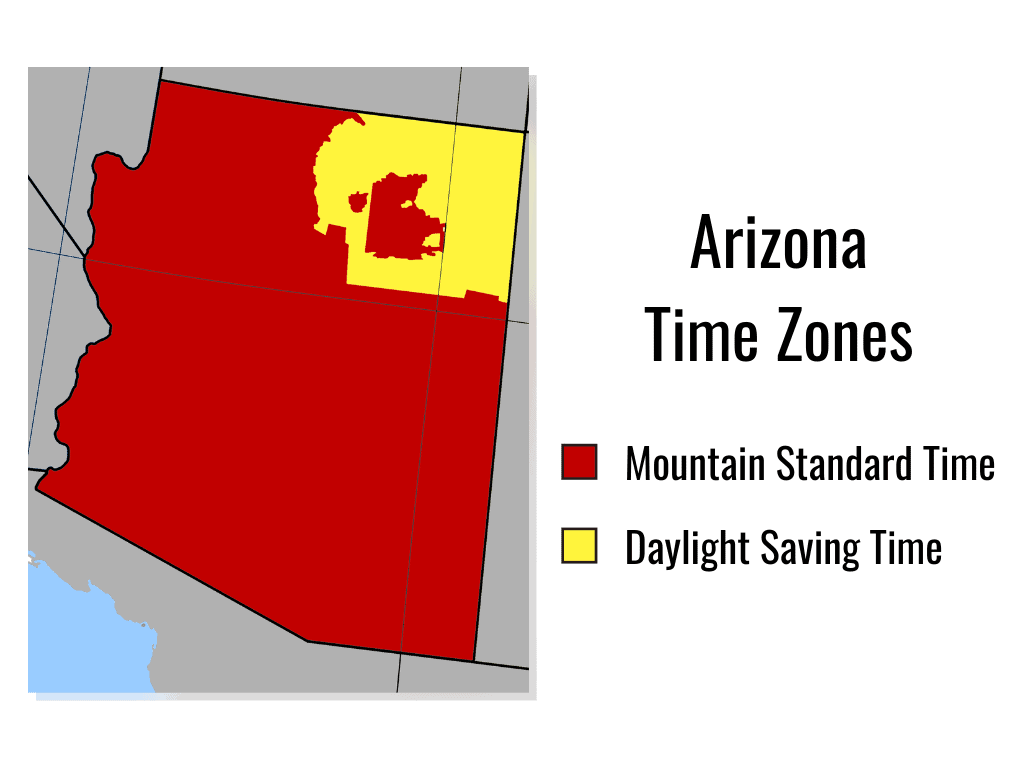
An important nuance to Arizona’s time policy concerns the Navajo Nation. This vast tribal land, spanning northeastern Arizona as well as parts of Utah and New Mexico, does observe Daylight Saving Time. This means that for approximately half the year, the Navajo Nation will be one hour ahead of the rest of Arizona. This is largely due to its inter-state boundaries and the desire to maintain consistent timing with the parts of the reservation that extend into states observing DST.
For travelers, this creates a fascinating, albeit potentially confusing, situation. If you are driving through Arizona and enter the Navajo Nation, you will need to adjust your clock forward by one hour during the DST period. This is particularly relevant when visiting iconic sites such as Monument Valley, which lies within the Navajo Nation, or planning tours that cross into and out of tribal lands. The Hopi Nation, an independent reservation entirely surrounded by the Navajo Nation, follows the rest of Arizona in not observing DST. This creates a rare triple time zone anomaly in a relatively small geographic area for parts of the year, underscoring the importance of checking local times, especially when embarking on detailed itineraries involving multiple destinations within the state. Always confirm times for tours, reservations, and meetings when venturing into these culturally rich and geographically significant areas.
Navigating Time as a Traveler: Practical Tips and Considerations
For those planning a trip, understanding Arizona’s time situation is paramount to a stress-free experience. From booking flights to scheduling excursions, every aspect of your travel can be impacted. When arriving by air into Phoenix Sky Harbor International Airport or Tucson International Airport, remember to set your watch accordingly, especially if you’re arriving during DST. Your phone will likely adjust automatically, but it’s always wise to double-check. Rental car pick-up and drop-off times, as well as hotel check-in and check-out, will all adhere to local Arizona time.
One of the most common areas of confusion arises when coordinating with individuals outside Arizona. Whether you’re calling home, participating in a business conference call, or confirming plans with friends in other states, always clarify the time zone difference. For example, during the spring and summer months, if your family in New York is on Eastern Daylight Time (EDT), they will be three hours ahead of you in Arizona (MST). Similarly, if you have friends in Los Angeles (PDT), you’ll be on the same time. This constant shift in relative time means that a quick mental calculation often becomes part of the daily routine. Travelers should make it a habit to specify “Mountain Standard Time” or “Arizona Time” when making arrangements to avoid any misunderstandings. This attention to detail contributes significantly to a smooth and enjoyable visit, allowing you to focus on the wonders of Arizona rather than temporal dilemmas.
Impact on Activities and Sightseeing
The unique time setting in Arizona also influences the timing of local activities and sightseeing plans. For early risers hoping to catch the breathtaking sunrise over the Grand Canyon or the vibrant hues of Sedona‘s red rocks, the non-observance of DST means that the sun rises relatively earlier by the clock during the spring and summer. This can be a boon for photographers and hikers who wish to start their day before the intense midday heat sets in. Conversely, sunsets occur earlier by the clock compared to states observing DST, which can be ideal for enjoying an evening al fresco dinner in Scottsdale or a starlit experience in Flagstaff without having to wait too late.
When booking tours, especially those that cross state lines or delve into the Navajo Nation, it’s imperative to confirm the time zone for the meeting point and the duration of the tour. For example, a tour beginning in Page, Arizona (MST), might take you to Antelope Canyon (which is on Navajo Nation time during DST), requiring a mental adjustment. Similarly, a visit to the Hoover Dam on the Arizona-Nevada border presents another time-zone challenge, as Nevada observes DST. Museums, national parks like Saguaro National Park or Petrified Forest National Park, and attractions in cities like Mesa, Glendale, Tempe, and Yuma will all operate on consistent Arizona MST. Always verify operating hours, especially during seasonal transitions, to ensure you don’t miss out on any planned experiences.
The Lifestyle and Tourism Implications
The unique time status of Arizona is more than just a logistical detail; it’s woven into the fabric of the state’s lifestyle and significantly influences its tourism landscape. For residents, the consistent clock means no jarring shifts in sleep patterns, fewer adjustments to daily routines, and a predictable schedule year-round. This stability contributes to a generally relaxed pace of life, where the rhythm of the day is dictated more by the sun’s position than by an arbitrary clock change. This focus on natural light and temperature patterns underpins many aspects of local culture, from when people prefer to dine out to the timing of outdoor community events.
For tourists, this translates into a unique element of the “local culture” experience. Embracing Arizona’s time means adapting to its pragmatic approach to living in the desert. It encourages an appreciation for the early mornings, when the desert air is crisp and inviting, perfect for hot air balloon rides over Phoenix or hiking in Tucson’s mountains. It also means that evenings often begin earlier, allowing more time for stargazing in some of the country’s darkest skies or enjoying resort amenities as the desert cools. This time anomaly becomes part of the authentic Arizona experience, a small but memorable detail that distinguishes a visit here from anywhere else.
Accommodation and Booking Strategies
When it comes to hotels, resorts, apartments, and villas, the time difference can have subtle but important implications. Booking flights and coordinating arrival times with your chosen accommodation requires careful attention. Many hotels and booking platforms will automatically display times in the local time zone, but a quick confirmation call or email to your hotel can eliminate any anxiety, especially if your travel dates coincide with the start or end of Daylight Saving Time. For those booking long-term stays or considering multiple accommodations, consistency in understanding the time zone can prevent missed check-ins or early check-outs.
Luxury travel experiences in Arizona, often centered around wellness and relaxation at world-class resorts in Scottsdale or Sedona, benefit from the predictable time. Spa appointments, golf tee times, and exclusive dining reservations can be made with confidence, knowing the clock won’t suddenly jump forward or backward. Budget travelers also find advantages, as planning early morning activities to beat the heat or capitalizing on earlier sunsets for scenic views often aligns with cost-effective sightseeing. Family trips, with their intricate schedules involving naps and meal times for children, can particularly benefit from Arizona’s stable time, avoiding the disruptions that come with biannual clock changes. For business stays, scheduling meetings with colleagues or clients outside Arizona necessitates an extra layer of communication to ensure everyone is on the same page, but within the state, business operations run on a clear, consistent schedule. The simplicity of year-round MST ultimately contributes to a smoother, more predictable experience across all types of accommodation and travel styles.
Conclusion: Embracing Arizona’s Timeless Charm
The question “What’s time in Arizona?” opens a window into one of the state’s most distinctive characteristics. Its decision to forgo Daylight Saving Time, save for the Navajo Nation, is a testament to a lifestyle deeply intertwined with its unique desert environment. For travelers, this temporal quirk is not a hindrance but an interesting facet of the Arizona experience, a subtle reminder that you’re in a place that marches to its own rhythm. By understanding and embracing this difference, visitors can navigate their itineraries with ease, from coordinating flights and hotel bookings to timing the perfect sunrise over the Grand Canyon or a tranquil sunset across the Sonoran Desert.
Whether you’re exploring the ancient ruins, hiking through vibrant national parks, or indulging in the culinary delights of Phoenix and Tucson, Arizona’s consistent MST allows for a more predictable and often more comfortable pace of travel. It’s a land where time, in many respects, feels a little more constant, inviting you to slow down and truly absorb the beauty and culture around you. So, as you pack your bags and set your sights on the Grand Canyon State, remember this unique aspect of its identity. With a little awareness, Arizona’s time anomaly will simply add another layer to your unforgettable journey, allowing you to fully immerse yourself in its timeless charm and breathtaking allure.
LifeOutOfTheBox is a participant in the Amazon Services LLC Associates Program, an affiliate advertising program designed to provide a means for sites to earn advertising fees by advertising and linking to Amazon.com. Amazon, the Amazon logo, AmazonSupply, and the AmazonSupply logo are trademarks of Amazon.com, Inc. or its affiliates. As an Amazon Associate we earn affiliate commissions from qualifying purchases.