
The Majestic Sugar Maple: A Symbol of Resilience and Natural Beauty
When one thinks of New York State, images of the iconic New York City skyline, the thundering spectacle of Niagara Falls, or the rolling hills of the Adirondack Mountains often come to mind. However, nestled within these grand landscapes is a quiet, yet profound symbol of the state’s natural heritage: the Sugar Maple. Officially designated as the New York State tree in 1956, the Sugar Maple (Acer saccharum) embodies the rich biodiversity and enduring spirit of New York. Its deep roots in the state’s history, its significant ecological contributions, and its captivating seasonal transformations make it far more than just a tree; it is a living emblem.
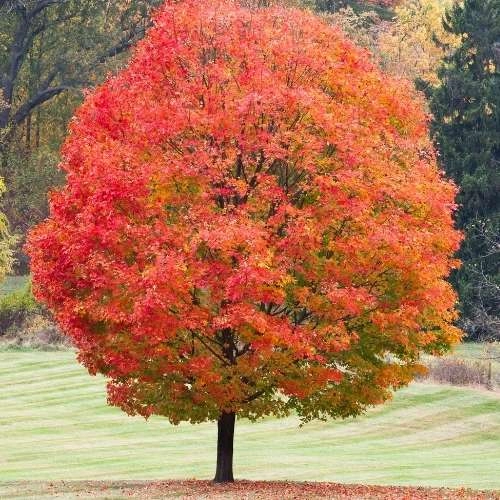
The journey to the Sugar Maple’s official recognition was a testament to its widespread presence and deep appreciation among New Yorkers. Before its designation, the tree was already a familiar and beloved fixture in forests, parks, and even urban landscapes across the state. Its hardiness, its stately presence, and its invaluable gifts to both the environment and the economy cemented its status in the hearts and minds of its inhabitants. The designation in 1956 served to formally honor this arboreal icon, solidifying its place in the state’s identity for generations to come.
A Foundation of Forests: The Ecological Significance
The Sugar Maple is a keystone species within the New York forest ecosystem. It thrives in the diverse climates and soil types found throughout the state, from the cooler northern regions to the more temperate southern areas. Its presence supports a vast array of wildlife, providing crucial habitat and sustenance. The dense canopy offers shelter to birds and small mammals, while its seeds, known as samaras, are a food source for squirrels, chipmunks, and various bird species.
Beyond direct wildlife support, the Sugar Maple plays a vital role in maintaining the health of the forest floor. Its fallen leaves decompose, enriching the soil with essential nutrients, which in turn fosters the growth of understory plants and fungi. This contributes to a vibrant and resilient forest ecosystem, critical for biodiversity and the overall ecological balance of New York State. Its robust nature also allows it to withstand the sometimes harsh New York winters, demonstrating a remarkable resilience that mirrors the spirit of the state itself.
The Sweet Gift: Maple Syrup and Economic Value
Perhaps the most celebrated contribution of the Sugar Maple is its sap, the source of the world-renowned maple syrup. For centuries, indigenous peoples and later European settlers in North America discovered the sweet potential held within the tree’s woody tissues. The process of tapping Sugar Maples, a practice deeply ingrained in the culture and economy of states like New York, involves carefully inserting a spout into the trunk to collect the rising sap in early spring.
New York State is a significant producer of maple syrup, with dedicated regions and festivals celebrating this natural bounty. The art and science of maple sugaring are passed down through families, forming a cherished tradition. The economic impact of maple syrup production extends beyond the farms, supporting local businesses and attracting agri-tourism. Visitors flock to the state during sugaring season to witness the process, sample fresh syrup, and purchase this quintessential New York product. The sweet reward of the Sugar Maple is a testament to the symbiotic relationship between humans and nature, a harmonious exchange that benefits both.
A Canvas of Color: Seasonal Splendor

The Sugar Maple is perhaps most admired for its breathtaking autumn display. As the seasons change and the air grows crisp, the verdant green leaves of the Sugar Maple undergo a remarkable transformation, igniting the landscape in a fiery palette of reds, oranges, and yellows. This spectacular show of color is a major draw for tourists and locals alike, transforming scenic byways and state parks into vibrant natural galleries.
The Adirondack Mountains, the Catskill Mountains, and the numerous state forests across New York become pilgrimage sites for leaf-peepers. The intensity and duration of the fall foliage are influenced by a complex interplay of temperature, sunlight, and precipitation, making each year’s display unique. This natural phenomenon contributes significantly to New York’s tourism industry, drawing visitors eager to experience the unparalleled beauty of its autumn forests. The Sugar Maple stands as the undisputed star of this seasonal spectacle, painting the landscape with an artist’s touch.
Understanding the Autumn Transformation
The vibrant colors of autumn are not a sign of the tree’s distress but rather a natural process of preparation for winter. As daylight hours shorten and temperatures drop, deciduous trees like the Sugar Maple cease their production of chlorophyll, the green pigment responsible for photosynthesis. This allows other pigments, such as carotenoids (yellows and oranges) and anthocyanins (reds and purples), which have been present in the leaves all along but masked by chlorophyll, to become visible.
The production of anthocyanins, in particular, is influenced by bright sunlight and cool, but not freezing, temperatures. Therefore, the most brilliant displays of red often occur after a period of sunny autumn days followed by cool nights. The Sugar Maple’s ability to produce such a wide spectrum of vibrant colors makes it a favorite among artists, photographers, and nature enthusiasts seeking to capture its ephemeral beauty.
Beyond the Syrup and Spectacle: The Lumber and Longevity of the Sugar Maple
While its sap and fall foliage often steal the spotlight, the Sugar Maple is also a valuable source of lumber. Its wood is dense, strong, and possesses a fine, even texture, making it ideal for a variety of applications. Furniture making, flooring, cabinetry, and the production of musical instruments are just a few examples where Sugar Maple wood is highly prized for its durability and attractive grain.
The lumber industry in New York State has long relied on the sustainable harvesting of Sugar Maple trees. Responsible forestry practices ensure that these magnificent trees can continue to grace the forests for future generations, providing both ecological benefits and economic opportunities. The longevity of the Sugar Maple, with some individuals living for centuries, further emphasizes its enduring presence and importance to the state. Its sturdy build and resistance to disease, when healthy, speak to its inherent strength and resilience, qualities that resonate deeply with the spirit of New York.

Preserving a Legacy: Conservation Efforts for the Sugar Maple
Recognizing the immense value of the Sugar Maple, New York State has implemented various conservation efforts to protect its forests and ensure the continued health of these iconic trees. State parks, such as Allegany State Park and Letchworth State Park, serve as sanctuaries where Sugar Maples can thrive, offering the public opportunities to experience their grandeur firsthand.
Forest management programs focus on sustainable harvesting, reforestation, and the control of invasive species and diseases that can threaten Sugar Maple populations. Research into climate change impacts on forest ecosystems also plays a crucial role in developing strategies to ensure the long-term survival of this beloved state tree. By protecting and nurturing the Sugar Maple, New York preserves not only a vital natural resource but also a significant piece of its cultural and historical identity. The Sugar Maple stands as a powerful reminder of the natural wonders that define the Empire State, inviting exploration and appreciation for generations to come.
LifeOutOfTheBox is a participant in the Amazon Services LLC Associates Program, an affiliate advertising program designed to provide a means for sites to earn advertising fees by advertising and linking to Amazon.com. Amazon, the Amazon logo, AmazonSupply, and the AmazonSupply logo are trademarks of Amazon.com, Inc. or its affiliates. As an Amazon Associate we earn affiliate commissions from qualifying purchases.