
Navigating the intricacies of vehicle ownership in the Sunshine State involves understanding the recurring costs associated with keeping your car legally on the road. Foremost among these is the annual car registration renewal. For residents of Florida, this process is a mandatory requirement overseen by the Florida Department of Highway Safety and Motor Vehicles (FLHSMV). While the concept is straightforward, the actual cost can vary significantly based on several factors. This guide aims to demystify the renewal fees, providing a comprehensive overview of what you can expect to pay and why.
Understanding the Core Components of Florida Car Registration Renewal Fees
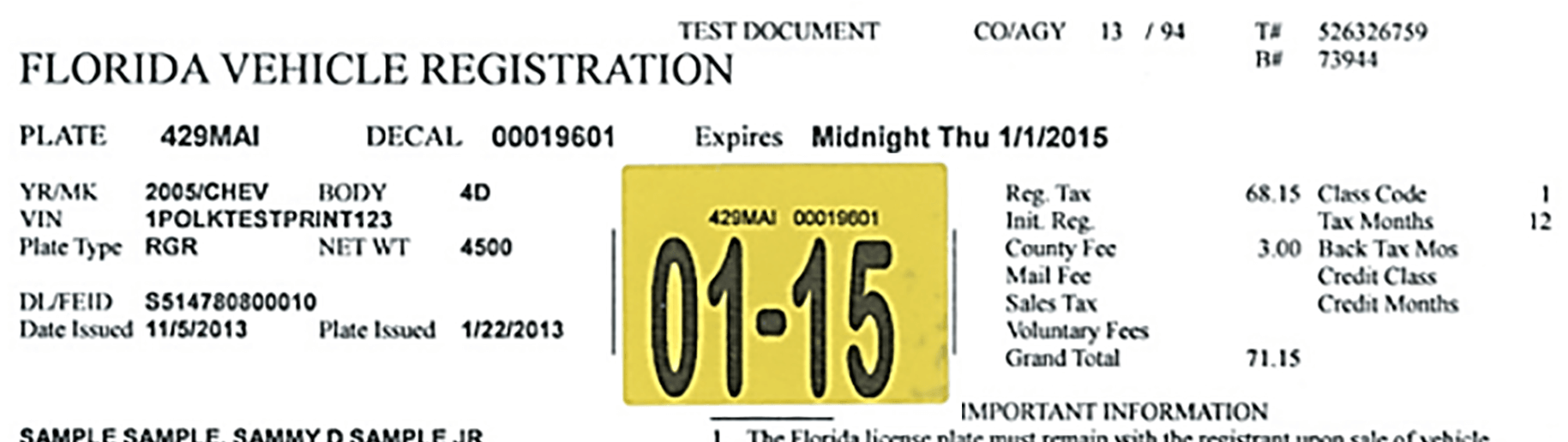
The cost of renewing your car registration in Florida isn’t a single, fixed price. Instead, it’s a sum of various components, each contributing to the overall expense. Understanding these individual elements will empower you to estimate your renewal cost more accurately and prepare financially.
Base Registration Fee
The foundation of your renewal cost is the base registration fee. This fee is primarily determined by the type of vehicle you own. For standard passenger vehicles, this fee is generally quite modest. However, it’s important to note that the FLHSMV categorizes vehicles broadly, and specific types might incur slightly different base rates. For instance, a larger vehicle or one with a higher weight class might see a marginal increase in this base cost. This fee is a fundamental part of the state’s revenue generation for road maintenance and infrastructure projects.
Plate Fees
When you first register a vehicle in Florida, you are issued a license plate. While the initial purchase of a plate has its own set of fees, the renewal process typically includes a smaller, recurring fee associated with the plate itself. This covers the ongoing costs of plate manufacturing and distribution. For standard Florida plates, this is usually a nominal amount. However, those who opt for specialty or personalized plates will encounter significantly higher fees. These specialized plates often support various causes or organizations, and their premium pricing reflects this added value or designation.
Local County Fees and Taxes
Beyond the state-level fees, each of Florida’s 67 counties imposes its own set of fees and taxes on vehicle registrations. These local charges can cause substantial variation in renewal costs from one county to another. These funds are often directed towards local transportation initiatives, law enforcement, and other county-specific services. The specific amounts can differ based on county budget priorities and local ordinances. Therefore, a resident in Miami-Dade County might pay a different total renewal fee than someone in Leon County, even for identical vehicles. It is crucial to check with your local county tax collector’s office for the most accurate information regarding these local surcharges.
Additional Fees and Surcharges
Several other potential fees can be added to your registration renewal bill. These might include:
- Weight Surcharges: For heavier vehicles, particularly trucks and some SUVs, additional fees are often levied based on the vehicle’s gross weight. This is to account for the greater wear and tear these vehicles can cause on roadways.
- Ad Valorem Tax: In some instances, an ad valorem tax may be included. This tax is based on the value of the vehicle. While not universally applied at every renewal for all vehicles, it’s a factor to be aware of, especially for newer or more valuable cars.
- Impound Fees or Delinquency Penalties: If your registration has expired and you’re renewing late, or if there are outstanding tickets or violations associated with the vehicle, you will likely incur penalty fees and late charges. These can significantly increase the cost of renewal.
- Recreational Vehicle (RV) and Trailer Fees: Owners of RVs and various types of trailers will find that their registration renewal fees differ from those of standard passenger vehicles, often being higher due to the nature and use of these vehicles.
Calculating Your Estimated Renewal Cost
While providing an exact figure for every Florida resident is impossible due to the variable local fees and vehicle types, we can outline a general approach to estimating your renewal cost.
The Role of Vehicle Type and Weight
As mentioned, the primary determinant of your base registration fee is the type and, in some cases, the weight of your vehicle. The FLHSMV categorizes vehicles to establish these rates. For example:
- Passenger Cars: Typically have the lowest base registration fees.
- Motorcycles: Often have a specific, generally lower, fee structure.
- Trucks and SUVs: Fees can increase with weight classes.
- Vans: Similar to trucks, weight is a significant factor.
- Electric Vehicles (EVs): Florida has specific policies and fees for EVs, which may differ from gasoline-powered vehicles, sometimes including surcharges to offset lost gasoline tax revenue.
The weight of your vehicle is usually measured in thousands of pounds (e.g., 0-3,000 lbs, 3,001-5,000 lbs). The higher the weight bracket, the higher the corresponding fee.
Specialty Plates and Their Impact
Choosing a specialty license plate can dramatically affect your renewal cost. Florida offers a wide array of specialty plates, from those supporting environmental causes like “Protect Our Reefs” to those honoring military service or specific organizations like “Choose Life“. These plates come with an annual surcharge that is added to your renewal fee. This surcharge typically ranges from $15 to $35 or more, depending on the plate’s purpose and associated charity. While they allow you to personalize your vehicle and support a cause, they represent a recurring additional expense. Personalized or vanity plates also incur extra fees, often separate from specialty plate surcharges, for the privilege of having a custom message on your plate.
Example Scenario (Illustrative)
Let’s consider an illustrative example for a standard passenger car in Florida.
- Base Registration Fee (Passenger Car): Approximately $22.50 (this is a common figure but can fluctuate slightly).
- Plate Fee (Standard Plate): Around $1.00.
- County Fee (Example: Orange County): Let’s assume a local fee of $10.00.
- State Title Fee (if applicable): Often paid at initial registration, but sometimes factored into renewals if a title change occurs, typically around $75.25, though not a standard annual renewal cost.
- Recreational/In-Lieu Fee: A common fee that may be around $2.00.
- Local Option Gas Tax Surcharge: Can add around $5.00-$10.00 depending on the county.
Illustrative Total (Passenger Car in Orange County, no specialty plate, no late fees):
$22.50 (Base) + $1.00 (Plate) + $10.00 (County) + $2.00 (Recreational) + $7.50 (Gas Tax Surcharge) = ~$43.00
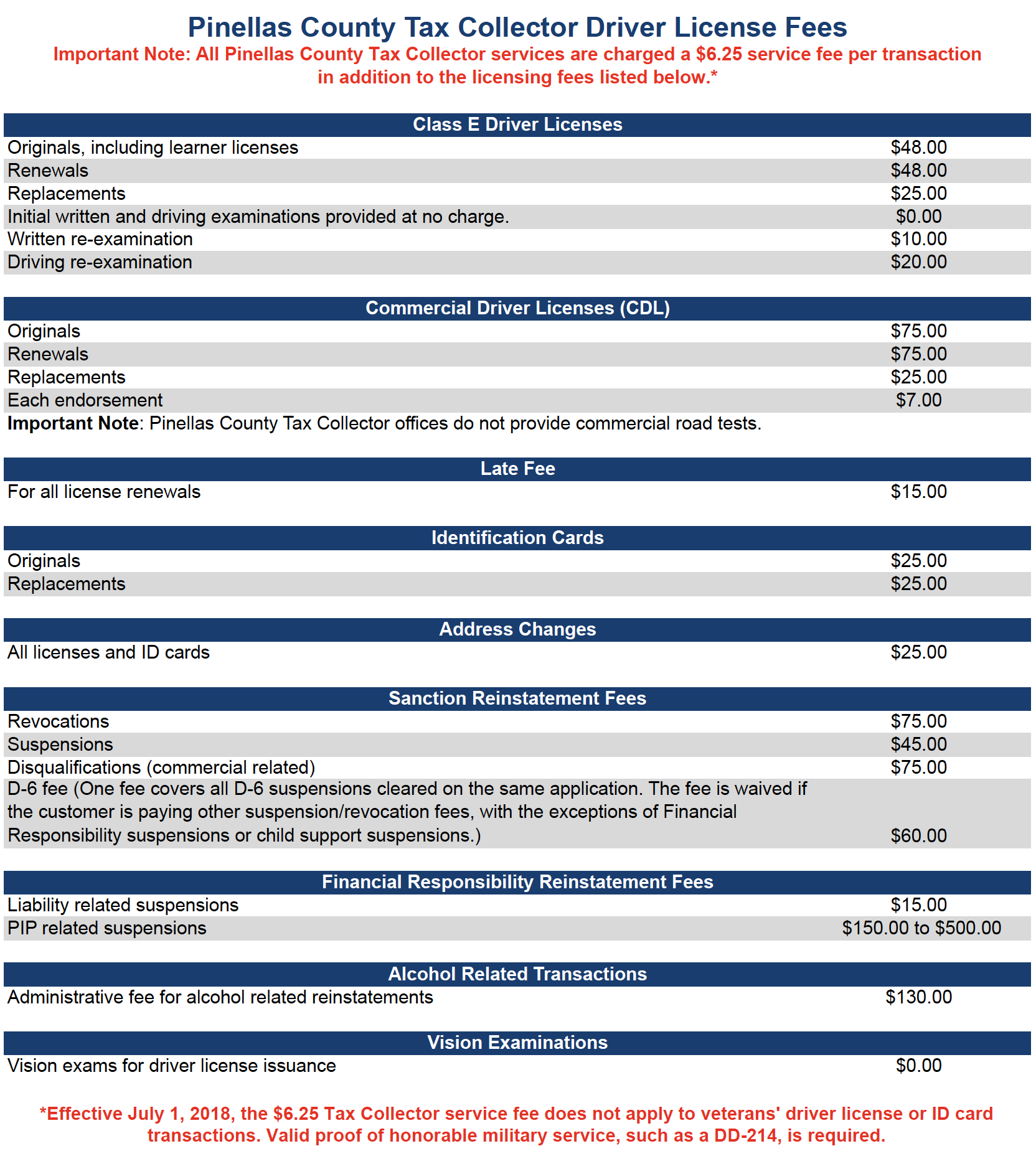
Now, consider if this same vehicle had a specialty plate like “Endless Summer” which might have an additional $30.00 surcharge. The total would then be approximately $73.00.
This example highlights how the components add up. The actual figures can and do vary significantly by county and vehicle type.
How and Where to Renew Your Florida Car Registration
The FLHSMV provides multiple convenient options for Florida residents to renew their vehicle registrations, ensuring accessibility for everyone.
Online Renewal
The most convenient and often preferred method for renewal is through the FLHSMV’s official website. The “GoRenew.com” portal allows you to renew your registration from the comfort of your home, 24/7. You will typically need your license plate number, the Vehicle Identification Number (VIN) of your car, and a valid credit or debit card for payment. Online renewals also often offer the option to select your preferred license plate. Once completed, your new registration sticker and updated registration documents are mailed to your address.
In-Person Renewal at Your Local County Tax Collector’s Office
For those who prefer face-to-face interaction or need to handle other related services, visiting your local county tax collector’s office is an excellent option. Each county has designated offices that handle vehicle registrations and titling. You can typically walk in with your renewal notice, proof of insurance, and payment. This method allows for immediate assistance with any questions you may have and ensures you receive your new registration materials on the spot, or at least within a short processing time. It’s advisable to check the operating hours and any specific requirements of your local office before visiting.
Mail-In Renewal
While less common in the digital age, some residents may still prefer to renew their registration via mail. The FLHSMV provides renewal notices that include instructions for mailing in your payment and completed paperwork. This method requires advance planning to ensure your renewal is processed before your current registration expires. Ensure you use the correct mailing address provided on your renewal notice and send a money order or check for the exact amount due.
Renewal Requirements: What You Need to Have Ready
Regardless of the renewal method chosen, there are essential documents and information you will need:
- Current Registration Renewal Notice: This notice, mailed by the FLHSMV, contains your renewal identification number, license plate number, VIN, and the breakdown of fees.
- Proof of Florida Insurance: Florida law mandates minimum liability insurance coverage for all registered vehicles. You will need to provide proof that your insurance meets these requirements. This can often be verified electronically, but having your insurance card handy is wise.
- Valid Payment Method: This includes credit/debit cards (for online or in-person) or checks/money orders (for mail-in or in-person).
- Identification: For in-person renewals, having a valid driver’s license or identification card may be required.
Factors Affecting Renewal Timeliness and Costs
Ensuring your car registration is renewed on time is crucial to avoid additional expenses and legal complications. Understanding the renewal cycle and potential pitfalls can save you stress and money.
Expiration Dates and Grace Periods
In Florida, vehicle registrations typically expire on the owner’s birthday. This system helps distribute the renewal workload throughout the year. While there isn’t a formal grace period after the expiration date, your registration remains valid until the end of your birth month. However, driving with an expired registration can lead to traffic tickets, fines, and potentially impoundment of your vehicle. It is always best practice to renew well before or immediately after your expiration date.
Late Renewal Penalties
If you miss your renewal deadline, you will likely face penalties. These typically include:
- Late Fees: A monetary penalty for renewing after the expiration month.
- Delinquency Penalties: If the registration remains expired for an extended period, additional penalties may be assessed.
- Traffic Citations: Law enforcement officers can issue citations for driving with an expired registration.
These penalties are designed to encourage timely compliance with registration laws. The exact amount of late fees can vary but are generally a percentage of the renewal cost or a fixed daily rate.
Vehicle Inspection Requirements (or lack thereof)
Unlike some other states, Florida does not require annual vehicle safety inspections for standard passenger vehicles. This simplifies the renewal process and removes a potential cost associated with annual inspections. However, emissions inspections are also not mandated for most vehicles. This lack of mandatory inspection requirements means your renewal fee is not burdened by such costs.
Special Circumstances: Moving to Florida, Transferring Titles
If you are moving to Florida from another state, you will need to register your vehicle with the FLHSMV within 30 days of establishing residency. This process involves transferring your out-of-state title, obtaining Florida license plates, and paying initial registration and title fees, which are separate from the annual renewal cost but are a significant one-time expense. Similarly, if you purchase a used vehicle in Florida, you will need to pay title transfer fees. These initial costs are distinct from the recurring renewal fees.
By understanding these various components, methods, and requirements, Florida vehicle owners can better anticipate and manage the cost of their annual car registration renewal. Staying informed is the first step to a smooth and cost-effective ownership experience in the Sunshine State.
LifeOutOfTheBox is a participant in the Amazon Services LLC Associates Program, an affiliate advertising program designed to provide a means for sites to earn advertising fees by advertising and linking to Amazon.com. Amazon, the Amazon logo, AmazonSupply, and the AmazonSupply logo are trademarks of Amazon.com, Inc. or its affiliates. As an Amazon Associate we earn affiliate commissions from qualifying purchases.