
Understanding the Climate and Its Impact on Your Visit
New York City, a global metropolis renowned for its towering skyscrapers, vibrant cultural scene, and iconic landmarks, experiences a diverse and dynamic climate. Understanding its weather patterns is paramount for any traveler aiming to fully embrace the myriad of experiences the city offers. From the sweltering humidity of summer to the biting chill of winter, each season paints New York City with a unique palette, influencing everything from sightseeing and outdoor activities to the ambiance of its world-class restaurants and the comfort of its luxurious accommodations. This guide delves into the typical weather you can expect throughout the year, offering insights to help you plan the perfect itinerary and pack accordingly, ensuring your visit to the Big Apple is as seamless and enjoyable as possible.

Seasonal Breakdowns and Traveler Implications
The weather in New York City is characterized by four distinct seasons, each bringing its own set of challenges and opportunities for exploration.
Spring (March – May)
Spring in New York City is a period of transition, often characterized by a gradual warming trend after the harshness of winter. Early spring, particularly March, can still bring a sense of winter’s lingering chill, with occasional snow showers and temperatures hovering around the freezing mark. However, as April arrives, the city begins to shed its icy cloak. Days become noticeably longer, and average temperatures climb into the comfortable range of 50s and 60s Fahrenheit. By May, the city bursts into bloom, with parks and street trees showcasing vibrant colors. Expect pleasant daytime temperatures, often in the 60s and 70s Fahrenheit, though evenings can remain cool, sometimes dipping into the 40s and 50s.
For travelers, spring offers a delightful window of opportunity. The crowds are generally smaller than during the peak summer months, making it easier to explore popular attractions like the Empire State Building or take a leisurely stroll through Central Park. The burgeoning greenery provides a picturesque backdrop for walks along the High Line or ferry rides to the Statue of Liberty. Layering is key for spring attire. Pack light sweaters, a waterproof jacket, and comfortable walking shoes. Don’t forget an umbrella, as spring showers are not uncommon.
Summer (June – August)
Summer in New York City is synonymous with long, sun-drenched days and a palpable energy that permeates the streets. June often begins with mild to warm temperatures, but July and August typically usher in periods of heat and humidity. Daytime temperatures frequently soar into the 80s and 90s Fahrenheit, with heatwaves pushing mercury even higher. The humidity can make these temperatures feel even more intense, leading to a sticky, muggy atmosphere. Thunderstorms are also a common feature of summer afternoons, often arriving with dramatic flair, bringing brief but heavy downpours.
Despite the heat, summer is a peak tourist season for a reason. The city comes alive with outdoor events, rooftop bars buzz with activity, and the extended daylight hours allow for late-night exploration. Activities like catching a baseball game at Yankee Stadium, attending an outdoor concert in Bryant Park, or simply enjoying a picnic in Prospect Park are quintessential summer experiences. Travelers should pack light, breathable clothing such as cotton or linen. Sunscreen, hats, and sunglasses are essential to protect against the strong sun. Staying hydrated is crucial, so carry a reusable water bottle and take advantage of the numerous public drinking fountains. For those sensitive to heat, planning indoor activities for the hottest part of the day, such as visiting museums like the Metropolitan Museum of Art or exploring the shops in SoHo, is a wise strategy.
Autumn (September – November)
Autumn is often considered the most picturesque season in New York City. September usually carries over the warmth of summer, offering crisp, sunny days with comfortable temperatures. As October progresses, the air takes on a distinct crispness, and the leaves in the city’s numerous parks begin their spectacular transformation into fiery reds, oranges, and yellows. Daytime temperatures typically range from the 50s to the 70s Fahrenheit in September and October, gradually cooling down into the 40s and 50s Fahrenheit by November. Frosts become more common in late autumn, and the first snowfalls are not unheard of by the end of November.
Autumn is an ideal time for sightseeing. The cooler, clearer air makes exploring on foot a pleasure, whether you’re wandering through the charming streets of the West Village or taking a ferry to see the Statue of Liberty against a backdrop of changing foliage. The New York City Marathon typically takes place in early November, drawing significant crowds. Packing for autumn requires layers. A light jacket or a medium-weight coat, sweaters, and a scarf are recommended. Comfortable walking shoes remain a priority. The visual spectacle of the fall colors in places like Governors Island or along the Hudson River Greenway makes this season particularly rewarding for photographers and nature lovers.
Winter (December – February)
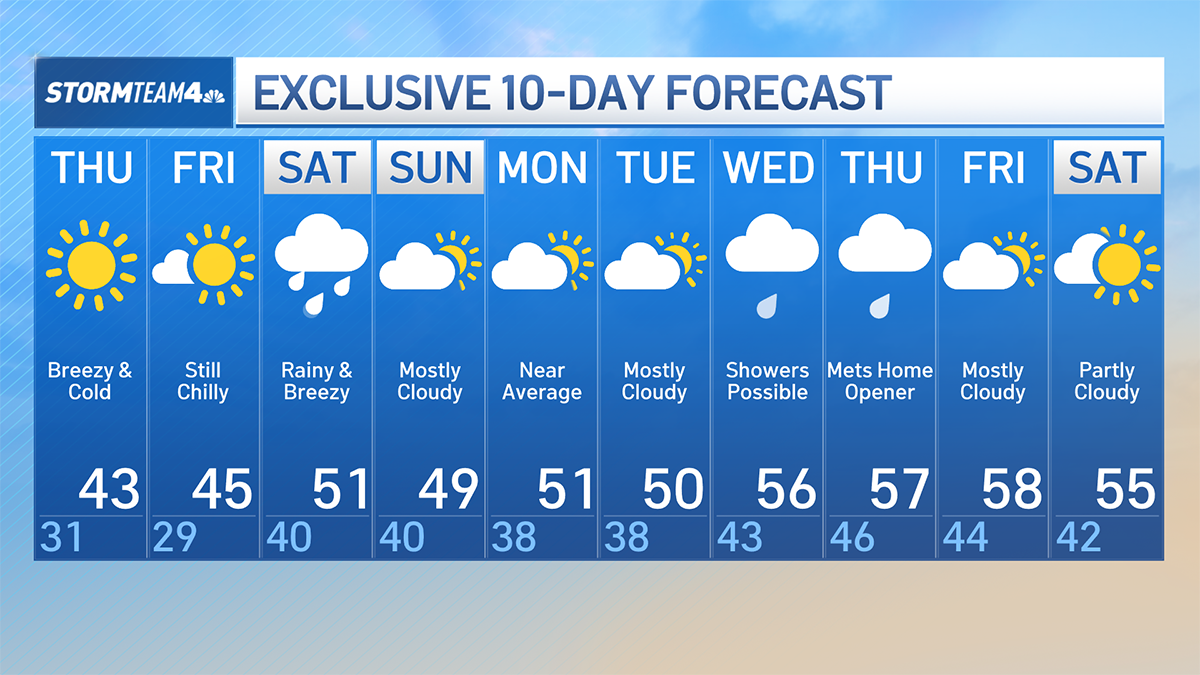
Winter in New York City can be a magical, albeit cold, experience. December often brings a festive atmosphere with holiday decorations and a chance of snow, though significant snowfalls are unpredictable. Temperatures generally range from the low 20s to the low 40s Fahrenheit. January and February are typically the coldest months, with average temperatures often hovering in the teens and 20s Fahrenheit. Snowstorms, known as “nor’easters,” can bring heavy accumulations, blanketing the city in white and sometimes causing significant disruptions to transportation.
Despite the cold, winter offers unique opportunities. The iconic holiday markets, the festive decorations of Rockefeller Center, and ice skating at the Rink at Rockefeller Center create a charming winter wonderland. Indoor attractions, such as museums, Broadway shows, and cozy restaurants, provide welcome respite from the cold. Travelers visiting in winter must be prepared for cold weather. Warm, insulated clothing is essential, including a heavy winter coat, hats, gloves, scarves, and waterproof boots. Hand warmers can be a welcome addition. While outdoor activities may be limited by weather conditions, the snowy landscapes can offer a dramatically different and beautiful perspective of the city. Consider planning flexible itineraries that allow for indoor alternatives in case of severe weather.
Microclimates and Urban Heat Islands
It’s important to note that New York City exhibits microclimates, particularly due to its dense urban environment. The “urban heat island” effect means that areas with a high concentration of buildings and paved surfaces tend to be warmer than surrounding rural areas. This is most noticeable during summer evenings, where the concrete and asphalt absorb and radiate heat, keeping temperatures elevated. Conversely, parks and waterfront areas can sometimes be cooler, offering a slight reprieve from the urban heat. When checking the forecast, it’s beneficial to consider your specific location within the city, as minor temperature variations can occur between neighborhoods like Greenwich Village and the more expansive green spaces of Flushing Meadows–Corona Park.
Planning Your Visit: Weather-Conscious Tips
To maximize your enjoyment of New York City regardless of the season, incorporating weather considerations into your planning is crucial.
Packing Smart
- Spring/Autumn: Layers are paramount. Think light jackets, sweaters, long-sleeved shirts, and trousers. A waterproof outer layer and umbrella are advisable.
- Summer: Lightweight, breathable clothing is a must. T-shirts, shorts, sundresses, and light trousers. Don’t forget swimwear if you plan to visit Coney Island or utilize hotel pools.
- Winter: Heavy, insulated outerwear is non-negotiable. A warm coat, thermal layers, waterproof boots, gloves, and a hat are essential.
Itinerary Flexibility
Always have a backup plan for indoor activities in case of inclement weather. This could include exploring world-class museums like the American Museum of Natural History, catching a performance on Broadway, or indulging in a shopping spree along Fifth Avenue.

Checking Real-Time Forecasts
While understanding seasonal trends is helpful, always check the most up-to-date weather forecast for New York City immediately before and during your trip. Weather can be unpredictable, and having real-time information will allow you to make last-minute adjustments to your plans and packing. Reputable weather websites and apps provide hourly and daily forecasts, including wind speed, precipitation probability, and temperature highs and lows.
By being informed about the prevailing weather conditions and planning accordingly, your visit to New York City will be a more comfortable, enjoyable, and memorable experience. The city’s ability to captivate visitors is not diminished by its weather, but rather enhanced by the distinct character each season brings to its iconic streets and landmarks.
LifeOutOfTheBox is a participant in the Amazon Services LLC Associates Program, an affiliate advertising program designed to provide a means for sites to earn advertising fees by advertising and linking to Amazon.com. Amazon, the Amazon logo, AmazonSupply, and the AmazonSupply logo are trademarks of Amazon.com, Inc. or its affiliates. As an Amazon Associate we earn affiliate commissions from qualifying purchases.