
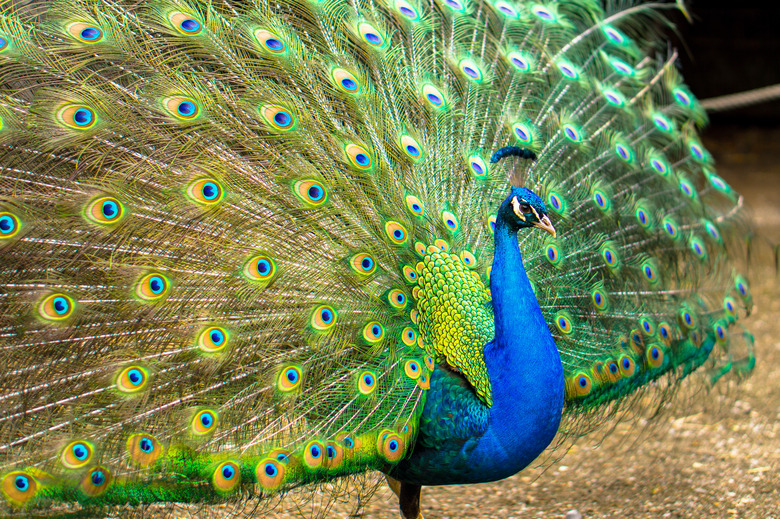
Florida, a state renowned for its vibrant ecosystems, stunning coastlines, and diverse wildlife, often sparks curiosity among visitors and residents alike regarding the protection status of its more exotic inhabitants. Among these, the majestic peacock, with its iridescent plumage and captivating display, frequently prompts questions about its legal standing. While not native to the Americas, peacocks have established feral populations in various parts of Florida, particularly in urban and suburban areas where they are often admired for their beauty. Understanding whether these birds are protected is crucial for appreciating Florida’s unique natural tapestry and ensuring responsible interaction with its fauna.

The Status of Peacocks in Florida: Beyond Native Classification
The question of whether peacocks are protected in Florida often leads to a nuanced answer that delves into the definitions of native versus non-native species and the various legal frameworks governing wildlife. In the United States, and by extension Florida, the primary legislation for wildlife protection is the Endangered Species Act, which, along with state-level statutes, focuses on conserving indigenous species that are facing threats to their survival.
Native vs. Non-Native Species and Legal Protections
Peacocks (specifically the Indian peafowl, Pavo cristatus) are not indigenous to North America. They originate from the Indian subcontinent and were introduced to various parts of the world, including the United States, as ornamental birds. Consequently, they do not fall under the protective umbrella of federal laws designed to safeguard native endangered and threatened species. Similarly, Florida’s state wildlife regulations primarily aim to conserve native Florida wildlife populations.
This distinction is fundamental. When we speak of protected wildlife, we are typically referring to species that are integral to the ecological balance of a region and are at risk of disappearing. For example, the Florida panther, the American crocodile, and the West Indian manatee are all subject to stringent protection laws because they are native and endangered. Peacocks, while visually striking and often cherished, do not carry the same ecological imperative for protection under these specific legal definitions.
Feral Populations and Local Perceptions
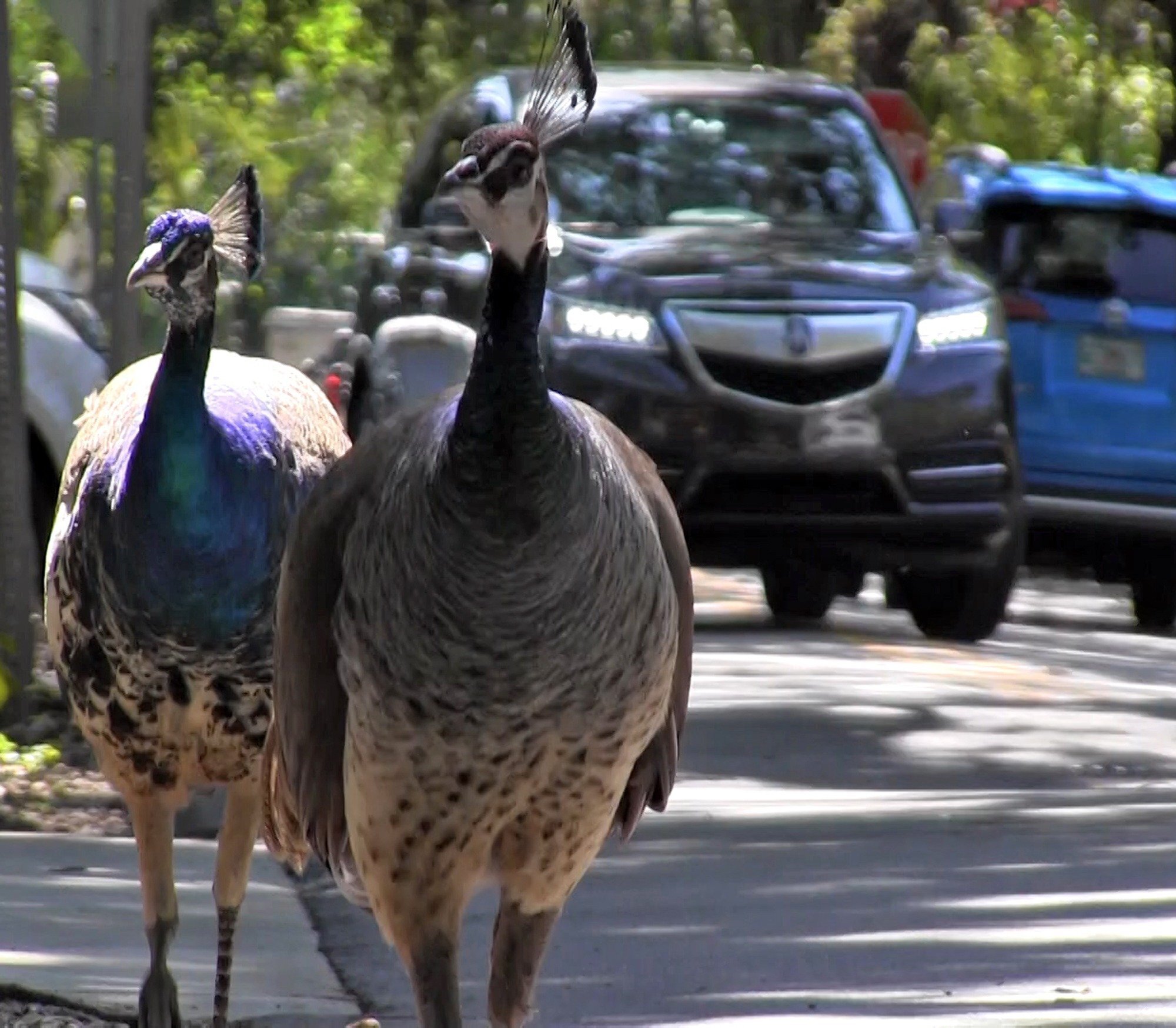
Despite not being legally protected as native species, feral peacock populations have become a fixture in certain Florida communities. Places like Miami-Dade County, parts of Palm Beach County, and even some suburban neighborhoods in Orlando and Tampa have seen their numbers grow. Their presence is often a delightful surprise for residents and tourists, adding a touch of exotic charm to the landscape.
However, their increasing numbers can sometimes lead to conflicts. Peacocks can become a nuisance, damaging gardens, creating noise disturbances, and sometimes even posing minor traffic hazards as they amble across roads. These issues have led to discussions at the local level about management strategies. While there are no state-level protections for peacocks themselves, local ordinances or animal control policies might address nuisance wildlife, which could indirectly impact how these birds are managed within specific communities. It’s important to note that these are typically focused on managing populations or addressing specific problems, rather than conservation efforts for the species itself.
Interaction and Coexistence: Guidelines for Appreciating Florida’s Peafowl
While peacocks are not officially protected by wildlife laws, their presence in Florida is a testament to successful introduction and adaptation. As visitors and residents encounter these magnificent birds, understanding how to interact responsibly is key to fostering a harmonious coexistence. The goal is to appreciate their beauty without causing harm or undue stress to the birds or the local environment.
Observing Peacocks Responsibly
The most recommended way to enjoy peacocks in Florida is through respectful observation. This means maintaining a safe distance, refraining from feeding them, and avoiding any actions that might disturb their natural behavior. Feeding wild animals, including peacocks, is generally discouraged by wildlife authorities for several reasons:
- Dependency: It can make them dependent on human food sources, altering their natural foraging habits and potentially leading to malnutrition if the provided food is not suitable.
- Disease Transmission: Feeding can concentrate animals, increasing the risk of disease transmission among them and potentially to humans.
- Nuisance Behavior: When fed regularly, peacocks may become bolder, more aggressive in seeking food, and more likely to damage property.
- Altered Ecosystem Dynamics: Introducing non-native food sources can subtly alter the local ecosystem.
Instead of feeding, visitors can document their sightings with photographs or videos from a respectful distance. Many parks and natural areas in Florida offer opportunities to observe wildlife, and while not guaranteed, peacocks are often seen in landscaped areas or near bodies of water in certain regions.
Understanding Local Wildlife Regulations
It is always advisable to be aware of local regulations concerning wildlife. While state and federal laws may not protect peacocks, individual cities or counties might have specific ordinances regarding the feeding or handling of feral animals. For instance, if a peacock population is causing significant nuisance in a particular neighborhood, the local animal control agency might be involved in management efforts. These efforts are usually aimed at population control or deterrence, not conservation.
For those planning a visit to areas known for peacock sightings, such as parts of Sarasota or certain communities in Broward County, familiarizing oneself with local guidelines can enhance the experience and ensure compliance with any applicable rules. The Florida Fish and Wildlife Conservation Commission (FWC) is the primary state agency responsible for managing the state’s fish and wildlife resources. Their website and publications offer extensive information on Florida’s diverse fauna and the regulations governing them. While they may not have specific pages on peacock protection, their broader guidance on interacting with wildlife is invaluable.
Contributing to Conservation Efforts (Indirectly)
While direct conservation of peacocks is not a focus due to their non-native status, visitors and residents can contribute to the broader goal of wildlife preservation in Florida. This includes:
- Supporting Local Parks and Sanctuaries: Many organizations are dedicated to protecting native Florida wildlife and their habitats. Donations or volunteer work can make a significant difference.
- Minimizing Environmental Impact: Practicing responsible tourism, reducing waste, and respecting natural habitats are crucial for the health of all ecosystems, including those that may host feral peacock populations.
- Educating Others: Sharing accurate information about wildlife, including the non-native status of peacocks and the importance of respecting all wildlife from a distance, helps foster a culture of responsible appreciation.
The Ecological Role and Cultural Significance of Peacocks in Florida
The presence of peacocks in Florida, though an introduction from afar, has woven them into the local ecological and cultural fabric. Their vibrant presence has sparked both delight and concern, prompting discussions about their role and impact within the Sunshine State’s diverse natural landscape.
An Introduced Species’ Adaptation
The success of the Indian peafowl in Florida is a fascinating case study in species adaptation. Thriving in diverse environments, from manicured suburban lawns to more naturalized parklands, they have found ample food sources and suitable breeding grounds. Their adaptability is such that they have established self-sustaining feral populations, a feat not all introduced species achieve. This resilience highlights the dynamic nature of ecosystems and how they can sometimes accommodate new entrants, albeit with potential consequences that require careful observation.
Perceived Ecological Impact
While peacocks are not considered a keystone species, their presence does have some ecological implications. As omnivores, they consume insects, seeds, small reptiles, and amphibians, placing them within the food web. In areas with high concentrations of peafowl, their foraging habits can influence local insect populations or the distribution of certain plant seeds. However, comprehensive studies detailing their precise ecological impact across Florida are limited, largely because they are not the primary focus of wildlife research compared to native species.
Concerns sometimes arise regarding competition with native bird species for food resources or nesting sites. However, the general consensus among wildlife biologists is that the impact on native populations is likely minimal, especially when considering the vastness and diversity of Florida’s native ecosystems and the specialized niches occupied by many native birds. The primary interactions tend to be observed in highly urbanized or suburban settings where available resources may be more concentrated.
Cultural Integration and Tourist Attraction
Culturally, peacocks have become an embraced, if somewhat unexpected, part of the Florida landscape for many. Their striking beauty has made them a popular subject for photographs, art, and local lore. In some communities, they are viewed as a charming local character, contributing to the unique atmosphere of a place. This aesthetic appeal also translates into a mild tourist attraction. Visitors to specific neighborhoods known for their peacock populations often seek them out, adding a unique dimension to their Florida experience beyond the typical beach or theme park excursions.
This integration means that while they aren’t protected under conservation laws, there’s a soft cultural appreciation for them. This appreciation often translates into a desire for peaceful coexistence, encouraging responsible observation rather than active intervention. The presence of peacocks serves as a reminder of Florida’s ability to foster a diverse array of life, even species that have journeyed from distant lands.
Conclusion: Appreciating Florida’s Wildlife, Native and Introduced
In conclusion, while the dazzling peacock is not afforded legal protection under Florida’s wildlife laws, its established presence has made it a notable feature of the state’s diverse fauna. These birds, originating from the Indian subcontinent, have successfully established feral populations across Florida, adding an exotic flair to many landscapes.
The absence of legal protection stems from their non-native status; conservation laws in Florida, like much of the United States, are primarily focused on safeguarding indigenous species that face threats to their survival. Therefore, individuals encountering peacocks in Florida should understand that these birds are managed under different frameworks than native wildlife such as the Florida panther or the manatee.
Despite this, the vibrant presence of peacocks has undeniably enriched certain communities, becoming a point of local pride and a mild tourist draw. Responsible interaction is key. This means observing these magnificent creatures from a respectful distance, refraining from feeding them to prevent dependency and potential nuisance behaviors, and being mindful of any local ordinances that may govern interactions with feral animals.
By appreciating peacocks for their beauty and understanding their ecological context as an introduced species, Floridians and visitors can foster a harmonious relationship with these striking birds. This approach contributes to the broader appreciation of wildlife in Florida, celebrating both the native treasures that define the state’s natural heritage and the intriguing species that have found a home within its diverse ecosystems.
LifeOutOfTheBox is a participant in the Amazon Services LLC Associates Program, an affiliate advertising program designed to provide a means for sites to earn advertising fees by advertising and linking to Amazon.com. Amazon, the Amazon logo, AmazonSupply, and the AmazonSupply logo are trademarks of Amazon.com, Inc. or its affiliates. As an Amazon Associate we earn affiliate commissions from qualifying purchases.