
The allure of New York City, often dubbed the “city that never sleeps,” is undeniable. Its iconic skyline, vibrant cultural scene, and unparalleled energy draw millions of visitors annually. However, for any traveler planning a trip, understanding the prevailing weather conditions is paramount to ensuring a comfortable and enjoyable experience. New York City, situated in the northeastern United States, experiences a distinct four-season climate, each with its own unique charm and set of considerations for travelers. From the crisp, cool air of autumn to the sweltering heat of summer, a careful study of the weather patterns can significantly enhance your visit, allowing you to pack appropriately, plan your activities, and make the most of every moment.

Understanding New York’s Seasonal Climate
New York City’s weather is characterized by significant variations throughout the year. This continental climate means that summers are typically hot and humid, while winters are cold and often snowy. Spring and autumn offer more moderate temperatures, though they can be unpredictable. For the discerning traveler, knowing what to expect in each season is key to a seamless journey, whether you’re aiming to explore the Central Park in its autumnal glory or brave the winter chill to witness the Rockefeller Center Christmas tree.
Spring: A Time of Renewal and Unpredictability
Spring in New York City, typically from March through May, marks a gentle transition from the harshness of winter to the warmth of summer. Early spring can still bring chilly temperatures and occasional snow flurries, particularly in March. However, as April and May arrive, the city bursts into life. Temperatures gradually rise, averaging in the 50s and 60s Fahrenheit (10-20 Celsius).
- March: This is often the coldest month of spring, with average temperatures ranging from the low 30s to low 50s F (0-10 C). Be prepared for unpredictable weather, including rain and the possibility of late-season snow. Layering is essential.
- April: A noticeable warming trend begins, with average temperatures in the 40s to 60s F (4-20 C). This is a beautiful time to visit as the city’s trees and flowers start to bloom, transforming parks like Central Park and the Brooklyn Botanic Garden into vibrant landscapes. Rain showers are common.
- May: May generally offers the most pleasant spring weather, with average temperatures in the 50s to 70s F (10-25 C). Humidity levels are usually low, and the city is abuzz with outdoor events and activities. It’s an ideal month for walking tours and exploring neighborhoods on foot.
Packing for Spring: Pack light to medium-weight layers. Include a waterproof jacket, an umbrella, comfortable walking shoes, and a mix of long-sleeved shirts and sweaters. For cooler evenings, a light scarf and a medium-weight jacket will be beneficial.
Summer: Heat, Humidity, and Endless Activities
Summer in New York City, from June through August, is synonymous with long days, outdoor festivals, and a palpable energetic buzz. However, it also brings significant heat and humidity, making it crucial to stay hydrated and plan indoor activities strategically. Average temperatures typically range from the high 70s to the high 80s Fahrenheit (25-30 Celsius), with frequent heatwaves pushing temperatures into the 90s F (32+ C).
- June: Generally considered one of the best summer months, June offers warm temperatures, averaging in the 60s to 80s F (15-30 C). Humidity is present but often more manageable than in July and August. Days are long, providing ample time for sightseeing.
- July: This is typically the hottest and most humid month. Average temperatures hover in the 70s to 90s F (20-35 C). It’s essential to seek out air-conditioned spaces, stay hydrated, and plan activities during the cooler parts of the day, such as early mornings or evenings. Outdoor concerts and rooftop bars are popular during this time.
- August: Similar to July, August remains hot and humid, with average temperatures in the high 70s to high 80s F (25-30 C). The city can feel quite intense during midday. Many locals escape the city for cooler destinations, but for tourists, it’s still a vibrant time with many events.
Packing for Summer: Pack light, breathable clothing such as cotton and linen. Include shorts, t-shirts, sundresses, and comfortable walking sandals. A wide-brimmed hat and sunglasses are essential for sun protection. Don’t forget a light rain jacket or poncho, as summer thunderstorms can be sudden and intense.
Autumn: The Golden Season of Crisp Air and Stunning Colors
Autumn, from September to November, is often considered the most picturesque season in New York City. The oppressive humidity of summer recedes, replaced by crisp, cool air and a breathtaking display of fall foliage, especially in parks like Central Park and the Hudson Valley. Temperatures begin to cool, making it an ideal time for exploration.
- September: This month often retains some of the warmth of late summer, with average temperatures in the 60s to 80s F (15-30 C). The humidity starts to decrease, and the air becomes noticeably clearer. It’s a fantastic month for outdoor activities and exploring.
- October: October is the quintessential fall month. Average temperatures range from the 50s to low 70s F (10-22 C). The leaves in Central Park and other green spaces turn brilliant shades of red, orange, and yellow, creating a stunning backdrop for sightseeing.
- November: As the season progresses, temperatures drop significantly, averaging in the 40s to 50s F (4-15 C). The leaves will have fallen, and a distinct chill fills the air. This month marks the lead-up to the holiday season, with Thanksgiving parades and early festive decorations appearing.
Packing for Autumn: Layering is again key. Pack sweaters, long-sleeved shirts, jeans, and a medium-weight jacket. A lighter jacket or windbreaker is useful for early autumn days, while a warmer coat will be necessary by late November. Comfortable walking shoes are essential, and a scarf and hat can provide extra warmth.
Winter: Cold, Snow, and Festive Charm
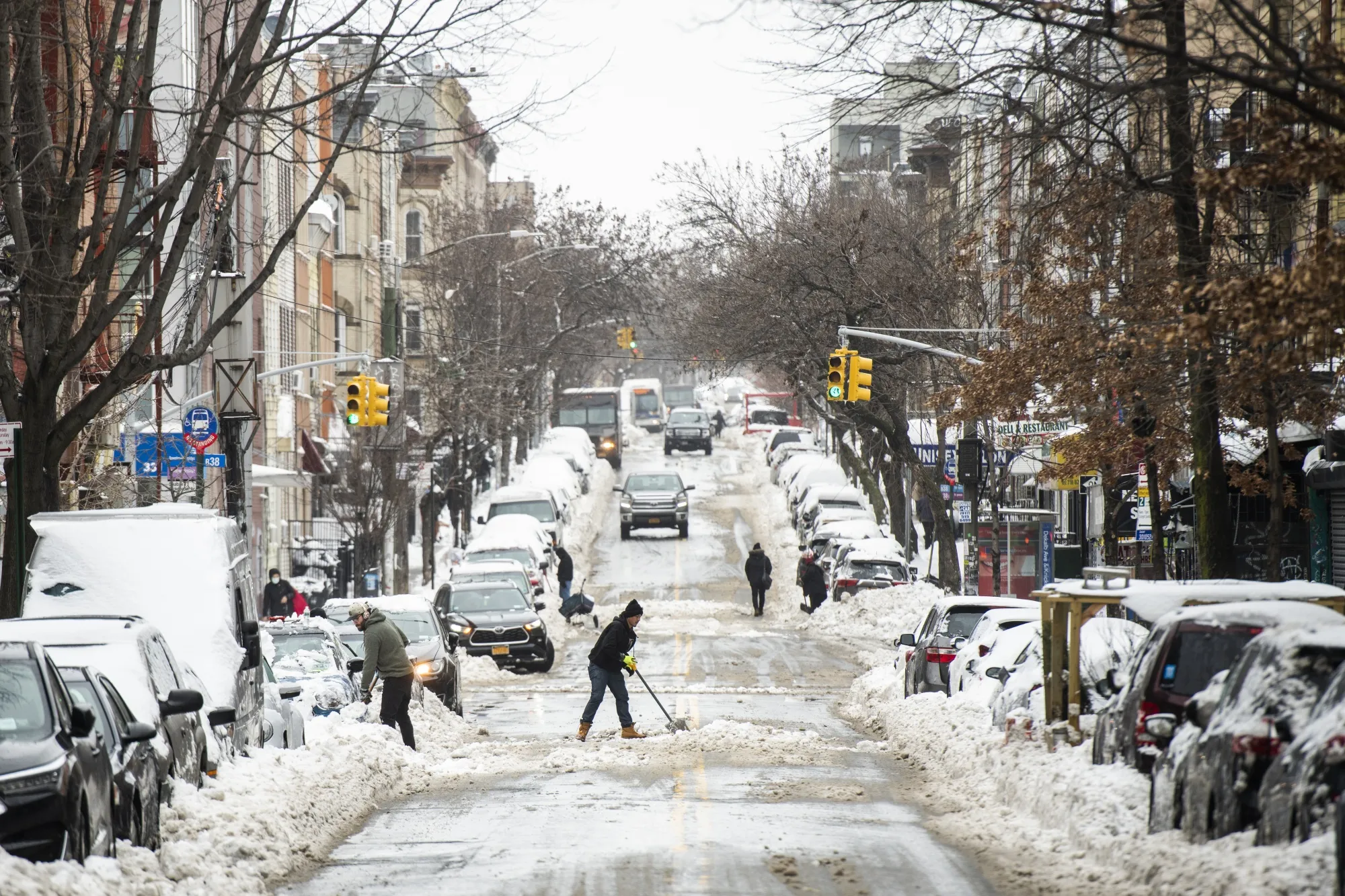
Winter in New York City, from December through February, is undeniably cold, with temperatures frequently dropping below freezing. Snowfall is common, transforming the urban landscape into a winter wonderland. While the cold can deter some, winter offers its own unique appeal, from the dazzling holiday lights and decorations to the cozy atmosphere of indoor attractions. Average temperatures range from the low 20s to low 40s Fahrenheit (-5 to 5 Celsius).
- December: This month is characterized by its festive spirit. Temperatures average in the 30s to low 40s F (0-5 C), but can dip below freezing. Snowfall is frequent, and the city is adorned with magnificent holiday decorations, including the iconic Rockefeller Center Christmas tree and the dazzling lights of Fifth Avenue. Ice skating at Bryant Park or Central Park is a popular winter activity.
- January: January is typically the coldest month. Average temperatures are in the low 20s to low 30s F (-5 to 0 C). Snowstorms can cause significant disruptions, but also create beautiful scenes. This is a great time to enjoy indoor activities like museums, Broadway shows, and cozying up in cafes.
- February: February remains cold, with average temperatures similar to January, in the low 20s to low 30s F (-5 to 0 C). While still chilly, there are often signs of spring approaching towards the end of the month. Valentine’s Day brings its own romantic charm to the city.
Packing for Winter: Warm, waterproof outerwear is essential. This includes a heavy winter coat, gloves or mittens, a warm hat that covers your ears, and a scarf. Thermal layers, wool socks, and waterproof boots are crucial for staying comfortable in snow and cold.
Planning Your Trip Based on Weather
The temperate nature of New York City’s seasons provides a broad window for enjoyable travel. However, the degree of comfort and the types of activities available will vary significantly.
Best Times to Visit for Different Interests
- Sightseeing and Walking: For those who prioritize comfortable weather for extensive walking and exploring neighborhoods, late spring (April-May) and early autumn (September-October) are ideal. The temperatures are moderate, and the city’s parks are at their most beautiful.
- Festivals and Events: If your visit is centered around specific events, such as the Macy’s Thanksgiving Day Parade in November, the holiday decorations in December, or summer outdoor concerts, you’ll need to plan around those dates, regardless of the predicted weather.
- Budget Travelers: Generally, the shoulder seasons (early spring and late autumn) and the depths of winter (January-February) tend to be less crowded and may offer more affordable accommodation options. However, be prepared for less predictable weather during these times. Summer and early fall are peak seasons and often the most expensive.

Preparing for the Unexpected
Even with meticulous planning, weather in New York City can be unpredictable. It’s always wise to:
- Check the Forecast Regularly: Consult reliable weather forecasts in the days leading up to and during your trip.
- Pack Versatile Clothing: Layering is the most effective strategy for managing fluctuating temperatures.
- Have Indoor and Outdoor Options: Plan a mix of activities to suit any weather condition. On a rainy day, consider visiting world-class museums like the Metropolitan Museum of Art or the American Museum of Natural History, catching a Broadway show in the Theater District, or exploring iconic indoor landmarks like Grand Central Terminal.
- Stay Informed About Local Conditions: Be aware of any weather advisories or potential travel disruptions, especially during winter storms.
By understanding and respecting New York City’s diverse climate, travelers can curate an itinerary that maximizes enjoyment, minimizes discomfort, and ensures a memorable experience in this extraordinary metropolis. Whether you’re drawn to the vibrant energy of summer, the breathtaking beauty of autumn, the festive charm of winter, or the gentle awakening of spring, New York City offers a unique weather-driven adventure for every visitor.
LifeOutOfTheBox is a participant in the Amazon Services LLC Associates Program, an affiliate advertising program designed to provide a means for sites to earn advertising fees by advertising and linking to Amazon.com. Amazon, the Amazon logo, AmazonSupply, and the AmazonSupply logo are trademarks of Amazon.com, Inc. or its affiliates. As an Amazon Associate we earn affiliate commissions from qualifying purchases.