
Navigating the legal landscape of any destination can be a complex undertaking, especially when it comes to understanding local laws. For travelers to the Sunshine State, familiarity with Florida’s legal framework, particularly concerning minor offenses, is crucial. This article delves into the definition and implications of a misdemeanor in Florida, providing clarity for those who may encounter or seek to understand these legal classifications during their visit or while planning their stay.
Understanding Florida’s Criminal Classification System
Florida, like many jurisdictions, categorizes criminal offenses into distinct levels of severity to ensure proportionate penalties. The two primary classifications are felonies and misdemeanors. Felonies represent more serious crimes, carrying the potential for significant prison sentences and substantial fines. Misdemeanors, on the other hand, are considered less grave offenses. However, their impact on an individual, particularly a visitor, should not be underestimated. Understanding this hierarchy is the first step in grasping the nuances of Florida’s legal system.
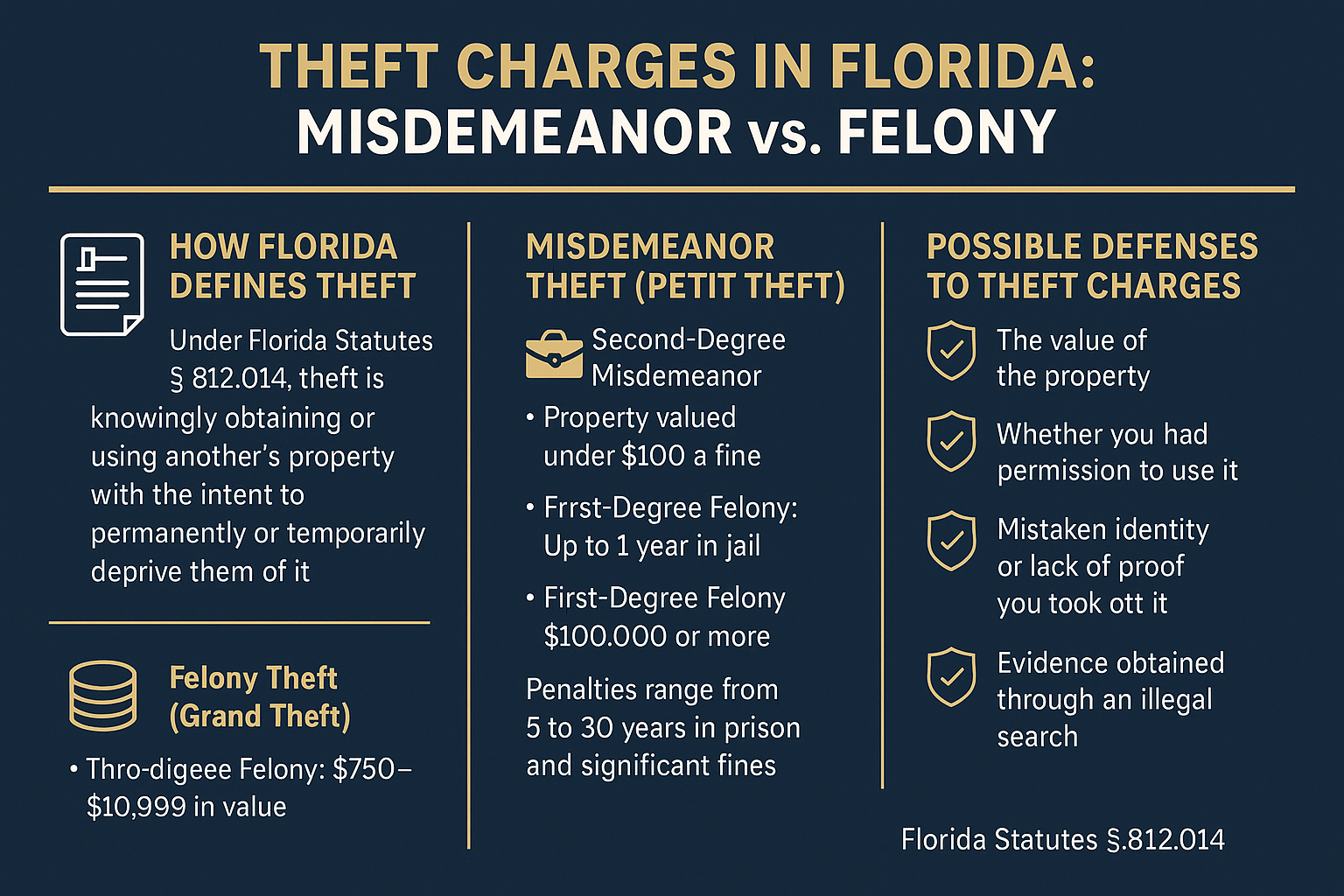
Felonies vs. Misdemeanors: A Comparative Overview
The fundamental difference between a felony and a misdemeanor lies in the potential punishment. In Florida, a felony offense is punishable by imprisonment for more than one year in a state correctional facility. Misdemeanors, conversely, are punishable by imprisonment for up to one year in a county jail, along with fines. This distinction is not merely academic; it dictates the potential consequences for an individual’s freedom and financial well-being.
Beyond the length of potential incarceration, felonies carry more severe collateral consequences, such as the loss of certain civil rights (like the right to vote or own a firearm) and significant obstacles to future employment or obtaining housing. While misdemeanors typically do not carry these extreme long-term repercussions, a conviction can still affect one’s ability to travel internationally, obtain professional licenses, or even secure certain types of accommodation.
The Role of Intent and Circumstance
The classification of an offense as a misdemeanor often hinges on the intent of the perpetrator and the specific circumstances surrounding the act. For instance, a simple disagreement that escalates could result in charges that might have been avoided if cooler heads had prevailed. Similarly, the presence of aggravating factors or the absence of mitigating ones can influence whether an act is charged as a misdemeanor or a more serious offense. It is essential to remember that even seemingly minor actions can have legal ramifications.
Florida’s Misdemeanor Categories: Degrees and Penalties
Florida law further divides misdemeanors into two categories: first-degree and second-degree. This classification reflects varying degrees of culpability and potential harm associated with the offense. The specific penalties, including jail time and fines, are prescribed by statute for each degree.
Second-Degree Misdemeanors
The least serious category of misdemeanor in Florida is the second-degree misdemeanor. These offenses are typically characterized by lesser degrees of intent or harm.
Common Examples of Second-Degree Misdemeanors
- Disorderly Conduct: Engaging in behavior that causes public alarm or disturbance. This could manifest in various ways, from loud and disruptive arguments to public intoxication that incites unrest.
- Trespassing: Entering or remaining on property without authorization. This is a common offense that can occur inadvertently or intentionally. For example, wandering onto private beach property without permission could lead to a trespassing charge.
- Minor Traffic Violations (beyond simple infractions): While many traffic offenses are civil infractions, certain more serious violations can be classified as second-degree misdemeanors. Examples include driving with a suspended license (in certain circumstances) or fleeing from a law enforcement officer in a manner that does not pose an immediate serious threat.
- Possession of Marijuana (small amounts): Under Florida law, possession of one ounce or less of marijuana is generally a first-degree misdemeanor, but in specific, limited circumstances or under older statutes, it might be treated as a second-degree misdemeanor, though this is becoming increasingly rare with legislative changes.
Penalties for Second-Degree Misdemeanors
A conviction for a second-degree misdemeanor in Florida typically carries a maximum penalty of:
- Imprisonment: Up to 60 days in a county jail.
- Fines: Up to $500.
While these penalties may seem relatively minor compared to felony charges, a conviction can still create difficulties, especially for non-residents. It might impact future travel plans, particularly to countries with strict entry requirements based on criminal records.

First-Degree Misdemeanors
First-degree misdemeanors represent a more serious level of offense than second-degree misdemeanors, reflecting greater potential harm or a higher degree of intent.
Common Examples of First-Degree Misdemeanors
- Battery (Simple): This involves the actual and intentional touching or striking of another person against their will, or the intentional causing of bodily harm. It is crucial to distinguish this from aggravated battery, which is a felony. A heated argument that results in a shove could potentially be charged as simple battery.
- Petit Theft: The unlawful taking of property valued at less than $750. This is a common offense, and penalties can escalate with repeat offenses. For instance, shoplifting an item worth $50 could fall under this category.
- Driving Under the Influence (DUI) – First Offense (under certain conditions): While DUI can be a felony under specific circumstances (e.g., causing serious injury or death, or repeat offenses), a first-time DUI offense where no injury occurs is often charged as a first-degree misdemeanor. This is a significant concern for anyone operating a vehicle in Florida.
- Disorderly Intoxication: Being intoxicated in a public place and causing a disturbance. This is a more severe form of disorderly conduct, specifically tied to alcohol consumption.
- Criminal Mischief: Intentionally damaging the property of another person without their consent. The value of the damage often determines the severity of the charge, with higher values potentially escalating to felony charges.
Penalties for First-Degree Misdemeanors
The maximum penalties for a first-degree misdemeanor conviction in Florida include:
- Imprisonment: Up to one year in a county jail.
- Fines: Up to $1,000.
In addition to jail time and fines, a judge may also order restitution for any damages caused, probation, community service, and mandatory attendance at specific educational programs (e.g., traffic school, anger management courses).
Implications for Travelers and Visitors
While the allure of Florida’s beaches, theme parks like Walt Disney World Resort and Universal Orlando Resort, vibrant cities like Miami and Orlando, and natural wonders like the Everglades National Park draws millions of visitors annually, it is imperative to be aware of and respect local laws. A misdemeanor conviction, even for a seemingly minor offense, can have far-reaching consequences for travelers.
Impact on Travel and Future Visits
- Visa and Entry Requirements: For international travelers, a misdemeanor conviction can complicate future visa applications or even lead to denial of entry into the United States or other countries. Some nations have strict policies regarding individuals with criminal records.
- Border Crossings: Even for U.S. citizens traveling to and from countries like Canada or Mexico, a misdemeanor conviction could lead to scrutiny or questioning at the border.
- Employment and Housing: While less common for temporary visitors, if a misdemeanor conviction arises from an incident during a prolonged stay or leads to further legal issues, it could impact future employment prospects or the ability to secure accommodations in certain establishments.
The Importance of Legal Counsel
If you find yourself facing misdemeanor charges in Florida, seeking legal advice from a qualified attorney is paramount. A criminal defense lawyer can explain your rights, assess the evidence, negotiate with prosecutors, and represent you in court. They can help you understand the potential consequences of a conviction and explore options for mitigating penalties or even having charges dismissed. This is especially true for non-residents who may be unfamiliar with the intricacies of the Florida legal system.
Avoiding Misdemeanor Charges While Visiting Florida
The best approach to dealing with misdemeanors in Florida is to avoid them altogether. By understanding the laws and exercising good judgment, visitors can ensure their trip is enjoyable and legally sound.

General Tips for Responsible Behavior
- Respect Private Property: Always be aware of posted signs and seek permission before entering private land or restricted areas.
- Abide by Traffic Laws: Adhere to speed limits, obey traffic signals, and never drive under the influence of alcohol or drugs. Consider using ride-sharing services or taxis if you plan to consume alcohol.
- Maintain Public Order: Avoid excessive noise, public intoxication, and behavior that could be construed as disorderly conduct.
- Handle Disputes Peacefully: If conflicts arise, do not resort to physical altercations. Disengage and seek assistance from authorities if necessary.
- Understand Alcohol Laws: Be aware of the legal drinking age and public consumption laws.
By being informed and mindful of your actions, you can fully experience the wonders of Florida without encountering the complexities of its misdemeanor laws. A proactive understanding ensures a more relaxed and memorable visit to the Sunshine State.
LifeOutOfTheBox is a participant in the Amazon Services LLC Associates Program, an affiliate advertising program designed to provide a means for sites to earn advertising fees by advertising and linking to Amazon.com. Amazon, the Amazon logo, AmazonSupply, and the AmazonSupply logo are trademarks of Amazon.com, Inc. or its affiliates. As an Amazon Associate we earn affiliate commissions from qualifying purchases.