
This inquiry, while stark, touches upon a critical aspect of public safety that can inadvertently influence perceptions of a region’s appeal for tourism and leisure. While the allure of the American South often conjures images of sun-drenched beaches, historic plantations, and vibrant cultural scenes, understanding the broader context of safety is a responsible consideration for any potential visitor. This article will delve into the nuances of public safety data in Alabama and Florida, not to sensationalize, but to provide a balanced perspective that informs travel decisions and encourages a deeper appreciation for the complexities of these diverse states.

Understanding Crime Statistics and Their Impact on Tourism
When planning a trip, travelers often consider a range of factors, from cost and climate to attractions and accommodations. However, an underlying concern for many is personal safety. While sensationalized media reports can sometimes distort reality, official crime statistics offer a more grounded, albeit complex, picture. It is crucial to understand that crime statistics, particularly those related to violent incidents, are multifactorial and influenced by demographics, socio-economic conditions, law enforcement strategies, and reporting methodologies.
The perception of safety can significantly impact tourism. Destinations that are perceived as unsafe may deter visitors, leading to economic repercussions for local businesses, hotels, and attractions. Conversely, areas with a strong emphasis on public safety and a low incidence of violent crime often benefit from a more robust tourism sector. It’s important to note that crime is not uniformly distributed within any state; urban centers and specific neighborhoods may experience higher rates than rural areas or suburban communities. Therefore, a blanket assessment based solely on state-level data might not accurately reflect the safety of a specific tourist destination within Alabama or Florida.
Defining “Shootings” and Data Sources
To address the titular question, it is essential to define what constitutes a “shooting” within the context of crime statistics. This typically refers to incidents involving firearms that result in injury or death, as well as instances of gunfire where no immediate casualties are reported but a public safety threat is evident. Official sources for such data in the United States are primarily governmental. The FBI (Federal Bureau of Investigation) collects Uniform Crime Reporting (UCR) data from law enforcement agencies nationwide, providing statistics on offenses such as murder, non-negligent manslaughter, aggravated assault, and robbery, some of which involve firearms. More recently, the CDC (Centers for Disease Control and Prevention) has also provided data on firearm violence as a public health issue.
Local law enforcement agencies, such as the Miami-Dade Police Department or the Jefferson County Sheriff’s Office, also compile and release their own statistics, which can offer a more granular view of specific regions within Alabama and Florida. For a comprehensive understanding, one would ideally consult reports from multiple reputable sources, acknowledging that data collection methods and definitions can vary, leading to potential discrepancies.
Analyzing Shooting Incidents in Alabama
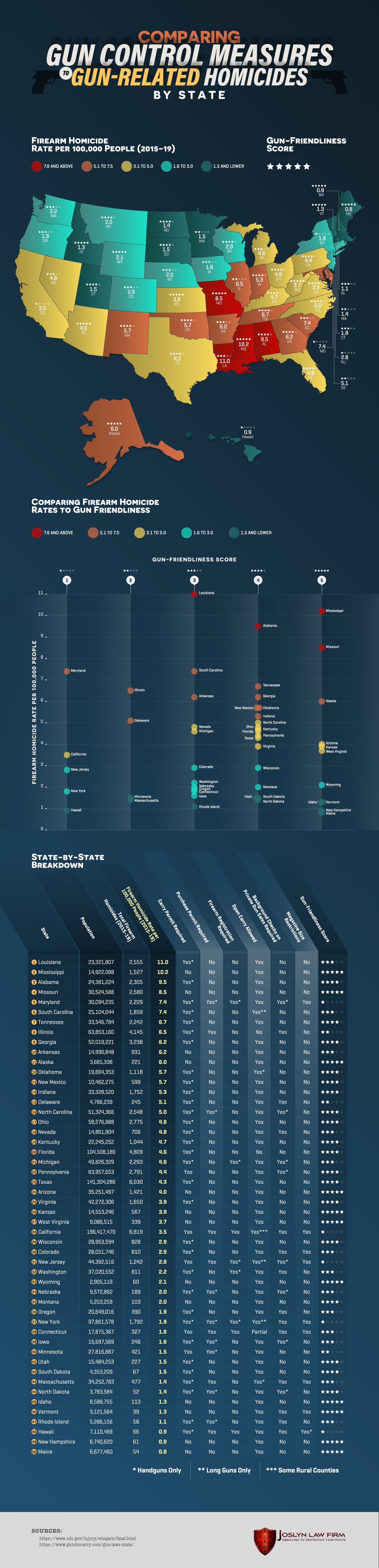
Alabama, known for its rich history and Southern charm, has faced challenges related to violent crime, including incidents involving firearms. Examining publicly available data, which often reflects trends across broader crime categories like aggravated assault and homicide, provides insight. Historically, like many states, Alabama has seen varying rates of gun violence, influenced by factors such as urbanization, poverty levels, and access to firearms.
Cities like Birmingham and Montgomery have, at times, reported higher rates of violent crime compared to more rural areas. This is a common demographic pattern observed across the country, where population density and associated socio-economic factors can correlate with crime rates. Efforts to address these issues in Alabama often involve community-based violence prevention programs, enhanced law enforcement presence in high-risk areas, and legislative initiatives aimed at gun safety. For travelers considering destinations within Alabama, researching specific cities or counties of interest and consulting local crime maps or police department reports can provide a more localized perspective on safety. Understanding the context of these statistics, such as the types of incidents and the locations where they occur, is crucial for forming an informed opinion.
Factors Influencing Crime Rates in Alabama

Several interconnected factors contribute to the crime landscape in Alabama. Socio-economic disparities play a significant role; areas with higher poverty rates and unemployment often experience higher crime rates, including gun violence. Access to educational and economic opportunities can be a key determinant in reducing the underlying causes of crime. Furthermore, the prevalence of illegal firearms and gang activity in certain urban areas can contribute to a higher incidence of shootings.
Law enforcement strategies, including community policing initiatives and targeted interventions, also influence crime statistics. The effectiveness of these strategies can vary, and their implementation is often a subject of ongoing debate and policy development. For instance, initiatives aimed at reducing the flow of illegal firearms or addressing the root causes of gang involvement are critical components of a comprehensive approach to public safety. When evaluating a destination in Alabama, understanding these broader societal and policy contexts can offer a more nuanced perspective than raw numbers alone.
A Look at Shooting Incidents in Florida
Florida, often dubbed the “Sunshine State,” is a major tourist destination, attracting millions of visitors annually to its beaches, theme parks like Walt Disney World and Universal Orlando Resort, and vibrant cities such as Miami and Orlando. However, like Alabama, Florida also grapples with issues of gun violence. Its large population and diverse urban centers mean that crime statistics can be complex and varied.
Data from various sources has indicated that Florida has experienced a notable number of shooting incidents, some of which have garnered national attention. Urban areas, particularly in counties like Broward, Miami-Dade, and Orange, often report higher incidences of violent crime compared to the state’s more rural or coastal communities. The state’s unique demographic makeup, including a significant influx of seasonal residents and tourists, can also add layers of complexity to crime analysis.
Florida’s Approach to Gun Violence and Public Safety
Florida has implemented various strategies and enacted legislation aimed at addressing gun violence, though these measures often spark considerable public and political debate. These can range from stricter gun control measures, such as those implemented after the tragic Parkland school shooting, to initiatives focused on mental health awareness and community outreach. The effectiveness and scope of these policies are continuously evaluated and debated.
For potential visitors, it is advisable to stay informed about the specific areas they plan to visit within Florida. Major tourist hubs generally have a strong police presence aimed at ensuring visitor safety. However, as with any populous state, awareness of one’s surroundings and adherence to general safety precautions are always recommended. Researching specific travel destinations within Florida through local news outlets or official tourism safety advisories can provide the most relevant and up-to-date information for travelers.
Comparative Insights and Travel Considerations
When directly comparing Alabama and Florida regarding shooting incidents, it is essential to rely on aggregated data and acknowledge that definitive, real-time comparisons can be challenging due to reporting variations and the dynamic nature of crime. Both states, being populous and diverse, experience their share of gun violence, with rates often correlating with urban density and socio-economic factors.
The perception of safety in these states for tourists is often more influenced by high-profile incidents and media coverage than by statistically nuanced data. Responsible travelers can mitigate potential risks by:
- Researching their destination: Understanding the specific safety profile of the city or region within Alabama or Florida they intend to visit.
- Staying informed: Paying attention to local news and advisories, especially during peak tourist seasons.
- Practicing situational awareness: Being mindful of their surroundings, especially in crowded or unfamiliar areas.
- Choosing reputable accommodations: Staying in well-regarded hotels or resorts in safe neighborhoods. For instance, staying at a well-reviewed resort in Destin, Florida or a reputable hotel in downtown Huntsville, Alabama can offer different safety experiences.
- Avoiding high-risk areas: Steering clear of neighborhoods known for higher crime rates, particularly at night.
Ultimately, while crime statistics are a factual element of any region, they should be considered within a broader context of a destination’s offerings. Both Alabama and Florida offer a wealth of attractions, cultural experiences, and natural beauty that draw visitors from around the globe. By approaching travel with informed awareness and sensible precautions, travelers can confidently explore and enjoy all that these captivating Southern states have to offer. The decision of where to travel should ideally be based on a holistic assessment of experiences, attractions, and personal comfort levels with safety, rather than solely on potentially alarming, yet often localized, crime data.
LifeOutOfTheBox is a participant in the Amazon Services LLC Associates Program, an affiliate advertising program designed to provide a means for sites to earn advertising fees by advertising and linking to Amazon.com. Amazon, the Amazon logo, AmazonSupply, and the AmazonSupply logo are trademarks of Amazon.com, Inc. or its affiliates. As an Amazon Associate we earn affiliate commissions from qualifying purchases.