
Understanding the precise timing of Jewish holidays, particularly Shabbat, is crucial for many travelers and residents in New York seeking to engage with the city’s vibrant religious and cultural tapestry. For visitors observing this weekly day of rest and for those simply curious about the rhythm of New York’s diverse communities, knowing when Shabbat concludes is an essential piece of practical information. This guide delves into the specifics of Shabbat observance in New York, focusing on the conclusion of this significant period.
The Observance of Shabbat in New York
Shabbat, the Jewish sabbath, is a cornerstone of Jewish life, observed from shortly before sunset on Friday until nightfall on Saturday. It is a time for rest, spiritual reflection, family, and community. In a bustling metropolis like New York, home to one of the largest Jewish populations outside of Israel, Shabbat observance is a visible and integral part of the city’s cultural landscape. From the historic neighborhoods of Brooklyn with their prominent Orthodox Jewish communities to the more diverse enclaves across Manhattan and beyond, the rhythms of Shabbat are felt.
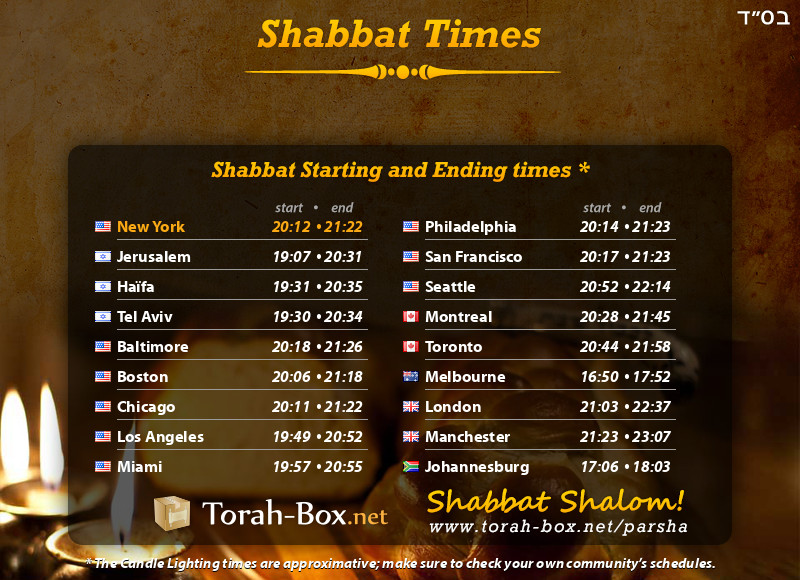
Understanding the Start and End of Shabbat
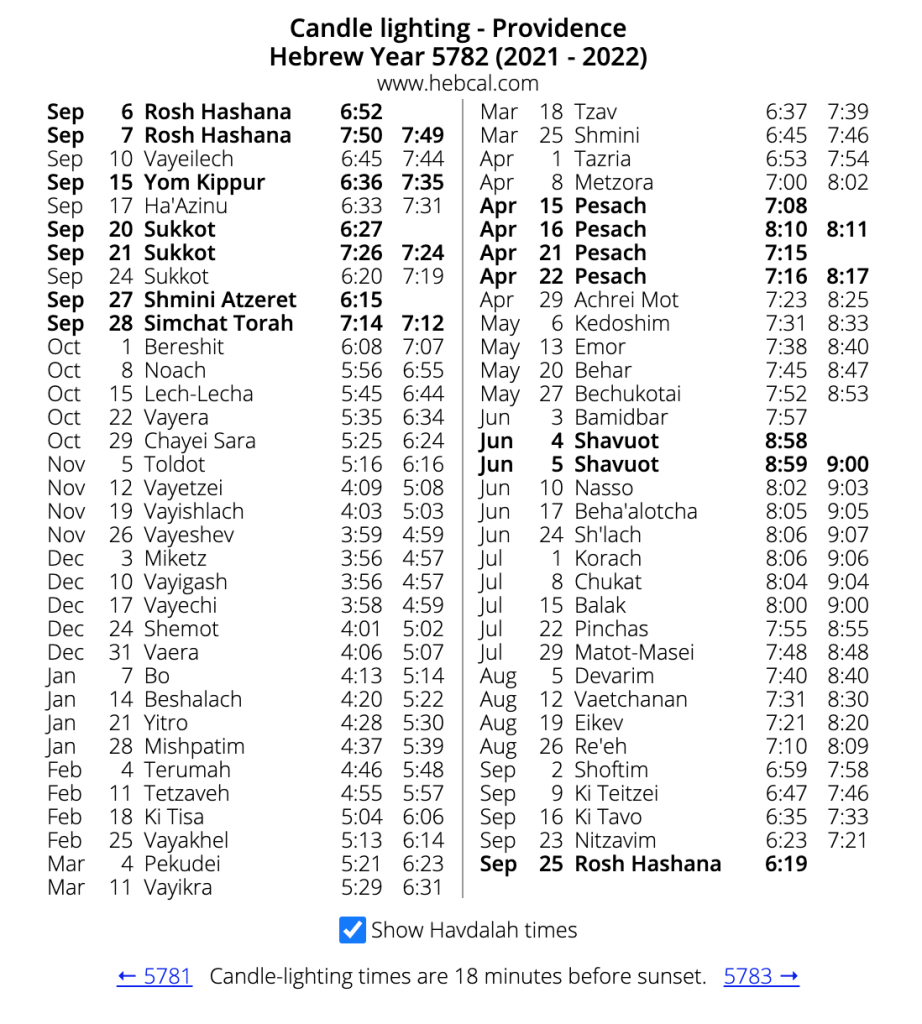
The commencement of Shabbat is marked by the lighting of candles, traditionally by women, approximately 18 minutes before sunset. This signifies the beginning of the day of rest, during which certain activities are abstained from, such as work, travel, and the use of electronic devices. The end of Shabbat is a more complex calculation, defined by the appearance of three stars in the night sky, signifying the completion of the 25-hour period. This is often referred to as “tzeit hakochavim.”
Factors Influencing Shabbat’s End Time
The precise timing of nightfall, and therefore the end of Shabbat, is not a fixed hour but varies based on several astronomical and geographical factors.
- Sunset: The most immediate factor is the time of sunset, which changes daily and seasonally.
- Latitude and Longitude: New York’s specific geographical coordinates play a significant role.
- Astronomical Definitions of Nightfall: Different halachic (Jewish legal) authorities have varying opinions on what constitutes “nightfall” for the purpose of ending Shabbat. These include:
- “Sha’ot Zemaniyot” (Proportional Hours): This method divides the daylight hours into 12 equal parts. Nightfall is determined by a certain number of proportional hours after sunset.
- “Tzeit Hakochavim” (Appearance of Stars): This is the most common method, referring to when three medium-sized stars become visible. The exact time can be calculated using astronomical algorithms. Common standards for when this occurs are:
- 13.5 degrees below the horizon (often cited as the most stringent interpretation).
- 11.5 degrees below the horizon (a more common interpretation, often referred to as “rabbinical twilight”).
- 7.08 degrees below the horizon (civil twilight).
- 8.5 degrees below the horizon (nautical twilight).
- Fixed Times: Some communities and individuals may adhere to fixed times, often based on earlier rabbinic calculations or regional customs, which might be slightly earlier or later than the precise astronomical calculations.
Navigating Shabbat End Times in New York City
For those in New York, whether living there or visiting, staying informed about the end of Shabbat is essential for planning activities. After Shabbat, public transportation resumes, businesses reopen, and a general return to secular activities occurs.
Resources for Accurate Timings
Fortunately, numerous resources provide accurate Shabbat times for New York. These are invaluable for both observant individuals and those who wish to be mindful of local customs.
- Jewish Community Websites: Many local Orthodox Jewish organizations and synagogues publish weekly Shabbat times for their respective neighborhoods. These often include detailed information on candle lighting times, Shabbat end times, and holiday schedules.
- Online Calendars and Apps: A plethora of websites and mobile applications are dedicated to providing Shabbat and holiday times for cities worldwide, including New York. These are usually updated regularly and allow users to select their specific location within the city for the most precise timings. Popular options include Chabad.org and other Jewish calendar providers.
- Local Newspapers and Publications: Some New York based Jewish newspapers or community bulletins may also list weekly Shabbat times.
The Practical Impact on Travel and Activities
Knowing when Shabbat ends in New York has practical implications for various aspects of a visit:
- Transportation: Many observant Jews refrain from using public transportation or driving during Shabbat. Therefore, understanding the end time is crucial for planning journeys, especially if relying on subways, buses, or taxis. For instance, a visitor staying near Times Square might plan a late evening excursion once Shabbat has concluded.
- Dining: Restaurants, particularly those catering to Jewish dietary laws, may have different operating hours around Shabbat. While many kosher restaurants are closed during Shabbat, they often reopen promptly after its conclusion, offering opportunities for evening meals.
- Cultural Experiences: For those interested in experiencing the post-Shabbat atmosphere, observing the city reawaken is a unique cultural insight. This can involve enjoying live music performances that may start after nightfall, attending community gatherings, or simply observing the increased activity on the streets.
- Accommodation: For travelers staying in hotels, apartments, or villas, understanding the end of Shabbat can inform their Saturday evening plans. For example, if a traveler is observing Shabbat, they might enjoy a quiet evening in their accommodation, perhaps at a boutique hotel in the West Village, before venturing out to explore New York’s nightlife.
Geographical Variations Within New York
While the general principles of Shabbat observance apply across New York, there can be slight variations in the precise end time due to differences in the astronomical calculations used by various authorities and the specific location within the vast metropolitan area.
Borough by Borough Considerations
New York City is composed of five distinct boroughs, each with its own characteristics and a significant presence of diverse Jewish communities.
- Manhattan: From the Upper West Side to Downtown, Manhattan has numerous synagogues and Jewish community centers. The end times here will be calculated based on Manhattan’s coordinates.
- Brooklyn: Home to the largest concentration of Orthodox Jews in the city, areas like Borough Park and Williamsburg have established traditions and readily available Shabbat time information specific to those communities.
- Queens: With a diverse Jewish population, Queens also has many congregations providing localized Shabbat times.
- The Bronx: While perhaps less densely populated by observant Jewish communities compared to other boroughs, The Bronx still has active congregations and resources for timing information.
- Staten Island: Similar to The Bronx, Staten Island has its own Jewish community life and associated timing schedules.
While the differences between boroughs might be negligible in terms of astronomical calculation (given their proximity), relying on local resources for the most accurate information is always recommended, especially for those who adhere to specific customs or live in areas with a strong communal presence.
The Importance of Precise Calculation for Observance
For those who strictly observe Shabbat, adherence to the precise end time is paramount. It signifies the moment when one can resume activities that are forbidden during Shabbat. This includes turning on lights, making phone calls, or using electronic devices. Therefore, consulting reliable sources that specify the end time based on established halachic authority is crucial for a meaningful observance. Visitors staying at prestigious establishments like The Plaza Hotel or seeking a more boutique experience at The Crosby Street Hotel can easily access this information to plan their weekend activities in accordance with their observance.
A Deeper Dive into Twilight Calculations
The nuanced calculations of “tzeit hakochavim” are a testament to the depth of Jewish legal interpretation and its adaptation to scientific understanding. While the simple answer is “when three stars appear,” the precise moment is subject to ongoing discussion and varied practices.
Common Interpretations and Their Timings
Understanding the different standards for calculating nightfall provides context for the slight variations one might encounter.
- 13.5 Degrees Below Horizon: This is considered a more stringent interpretation and will result in an earlier end to Shabbat compared to other methods. This often aligns with a stricter observance.
- 11.5 Degrees Below Horizon: This is a widely accepted and common standard, often referred to as “rabbinical twilight.” Many major Jewish organizations and websites use this calculation. The difference between this and the 13.5-degree calculation might be a few minutes, which can be significant for strict observers.
- 7.08 Degrees Below Horizon (Civil Twilight): While this marks the end of civil twilight, it is generally not considered late enough for the end of Shabbat by most observant Jews.
- 8.5 Degrees Below Horizon (Nautical Twilight): Similarly, this point, while darker than civil twilight, is also typically not considered the definitive end of Shabbat.
Embracing the Rhythm of New York’s Shabbat
For visitors to New York, understanding these timings offers a window into the lives of a significant portion of its population. It’s an opportunity to appreciate the city’s rich cultural mosaic and to plan a visit that respects and, if desired, participates in these age-old traditions. Whether you’re exploring iconic landmarks like the Empire State Building or enjoying the cultural offerings of Lincoln Center, being aware of when Shabbat ends adds another layer to your New York experience, allowing for seamless transitions and a deeper appreciation of the city’s diverse rhythms. As the city lights begin to sparkle after the conclusion of Shabbat, New York reawakens with renewed energy, ready for the week ahead.
LifeOutOfTheBox is a participant in the Amazon Services LLC Associates Program, an affiliate advertising program designed to provide a means for sites to earn advertising fees by advertising and linking to Amazon.com. Amazon, the Amazon logo, AmazonSupply, and the AmazonSupply logo are trademarks of Amazon.com, Inc. or its affiliates. As an Amazon Associate we earn affiliate commissions from qualifying purchases.