
The question “Is Boston poor?” often elicits a chuckle from those familiar with this vibrant Massachusetts metropolis. On the surface, the idea seems counterintuitive for a city renowned globally for its intellectual capital, historic charm, and economic dynamism. Yet, a deeper dive into Boston’s lifestyle and economic landscape reveals a complex picture that challenges simple categorizations of wealth or poverty. From the opulent brownstones of Beacon Hill to the bustling innovation hubs, Boston is a city of pronounced contrasts, where immense wealth coexists with significant urban challenges and an exceptionally high cost of living. Understanding Boston’s economic realities is key to appreciating the diverse lifestyle experiences it offers, whether one is a long-term resident or a transient visitor.

Unpacking Boston’s Economic Realities
To accurately assess whether Boston is “poor,” we must examine its foundational economic strengths and the real-world implications for those who live and visit here. The city’s economic fabric is rich, yet it’s stretched taut by a cost of living that frequently outpaces national averages.
A Hub of Innovation and Wealth
Boston is unequivocally one of the wealthiest and most economically robust cities in the United States. Its economy is powered by world-class institutions and leading industries. Higher education is a cornerstone, with prestigious universities like Harvard University and MIT acting as magnets for talent and innovation. These institutions not only contribute significantly to the local job market but also foster a thriving ecosystem of research and development. The city is a global leader in biotechnology, pharmaceuticals, and healthcare, home to numerous cutting-edge companies and renowned medical centers. The financial services sector also maintains a strong presence, solidifying Boston’s status as an economic powerhouse.
This concentration of high-paying industries translates into impressive economic metrics. Boston consistently boasts a robust GDP, low unemployment rates, and a median household income significantly higher than the national average. Its strong job market attracts professionals from across the globe, contributing to a vibrant and competitive urban environment. For those participating in these thriving sectors, Boston offers a lifestyle of opportunity and affluence, characterized by access to premium services, sophisticated cultural amenities, and a high standard of living.
The High Cost of Living
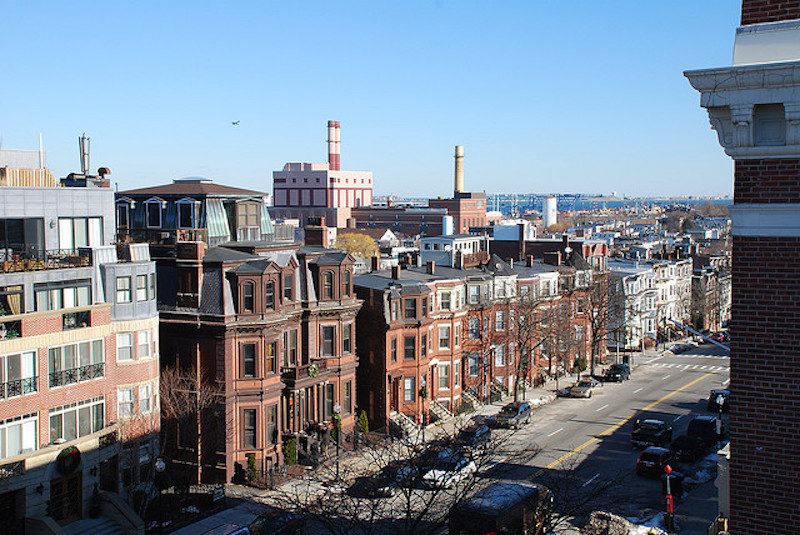
Paradoxically, Boston’s economic success and desirability contribute directly to its most significant challenge: an extraordinarily high cost of living. This is where the perception of “poor” might subtly creep in for many. Housing costs, in particular, are among the highest in the nation. Both rental prices and home ownership expenses require a substantial financial commitment, often demanding incomes well above the national median to live comfortably. Areas like Back Bay, Beacon Hill, and the South End feature real estate values comparable to or even exceeding those in New York City or San Francisco.
Beyond housing, everyday expenses such as transportation, groceries, and dining out are also significantly higher than in many other major U.S. cities. While public transportation via the MBTA is extensive, the cost of car ownership (including parking and insurance) can be prohibitive. This high cost of living means that even individuals with seemingly respectable incomes can find their budgets stretched thin, leading to a feeling of financial constraint or even “poverty” relative to their earnings if they are not earning top-tier salaries. It shapes a lifestyle where careful budgeting is often a necessity, even for the middle class.
Income Disparities and Urban Challenges
Beneath the veneer of affluence and innovation, Boston also grapples with pronounced income inequality. While certain neighborhoods flourish with economic prosperity, others face significant socio-economic challenges. Pockets of poverty persist, and the city experiences issues common to many large urban centers, including homelessness, food insecurity, and limited access to affordable healthcare for some segments of its population. The rising cost of living has exacerbated these disparities, pushing lower-income residents further to the margins and making it increasingly difficult for them to remain in the city they call home.
These challenges are not unique to Boston, but they highlight that the city’s overall wealth does not translate into an equitable distribution of resources or a universally comfortable lifestyle for all its inhabitants. Understanding this nuance is crucial for a complete picture of Boston’s economic reality and the diverse lifestyles it encompasses.
Lifestyle Choices for Visitors: Luxury vs. Budget Travel in Boston
For travelers, Boston’s economic landscape translates into a wide spectrum of lifestyle choices. Whether one seeks an opulent getaway or an enriching experience on a shoestring budget, Boston caters to both, reflecting its dual identity as a wealthy city with a high cost of living.
Indulging in Bostonian Luxury
For those who can afford to splurge, Boston offers a distinctly luxurious lifestyle experience. The city is home to an array of five-star hotels, such as the Four Seasons Hotel Boston overlooking the Public Garden, and The Ritz-Carlton, Boston, which epitomize elegance and impeccable service. Fine dining is a cornerstone of the luxury lifestyle here, with Michelin-starred restaurants and exclusive establishments offering world-class cuisine, particularly in neighborhoods like the North End and Back Bay.

Shopping on Newbury Street rivals that of any major fashion capital, featuring high-end boutiques and designer labels. Cultural experiences can be elevated with prime seats at the Boston Symphony Orchestra, a private gallery tour at the Museum of Fine Arts, or a personalized historical walking tour. Yacht charters on the Boston Harbor or exclusive access to sporting events further define a high-end Boston lifestyle. This tier of travel demonstrates Boston’s capacity to deliver an opulent and refined experience for those with the means.
Navigating Boston on a Budget
Conversely, experiencing Boston does not require a lavish budget. For travelers mindful of costs, the city offers numerous ways to enjoy its rich culture and history without overspending, proving that a “poor” personal budget doesn’t preclude a rich Boston lifestyle. Many of Boston’s most iconic attractions are free or low-cost. Walking the Freedom Trail, strolling through the Boston Common and Public Garden, or exploring the vibrant neighborhoods offer invaluable experiences at no charge. The Museum of Fine Arts and the Isabella Stewart Gardner Museum often have free admission days or evenings.
Affordable dining options abound, from the bustling food stalls of Quincy Market to the authentic Italian eateries of the North End that offer delicious meals at reasonable prices. Utilizing the efficient MBTA is a cost-effective way to navigate the city, connecting visitors to various attractions without the expense of taxis or rideshares. Accommodation can be managed by opting for hostels, budget-friendly hotels in outer neighborhoods, or vacation rentals booked well in advance. Engaging with free public events, enjoying street performers, or simply soaking in the atmosphere of historic squares can create a memorable Boston lifestyle experience that is rich in culture and history, not necessarily in cost.
The Influence of Wealth on Boston’s Cultural Landscape
Boston’s considerable wealth and the philanthropic spirit of its affluent residents have profoundly shaped its cultural landscape, creating a vibrant environment that enhances the lifestyle for all who live in and visit the city.
World-Class Institutions and Experiences
The city’s economic strength directly supports an extraordinary array of world-class cultural institutions. Beyond the Museum of Fine Arts and the Isabella Stewart Gardner Museum, Boston boasts a thriving theater district, with venues like the Boston Opera House and the Wang Theatre hosting Broadway shows and major performances. The Boston Symphony Orchestra and the Boston Pops are renowned internationally, providing exceptional musical experiences. These institutions are often sustained by significant endowments, corporate sponsorships, and individual philanthropy, a testament to the city’s wealth. Their presence enriches the lifestyle options available, offering residents and visitors access to intellectual stimulation, artistic expression, and historical preservation that few other cities can match.
Philanthropy and Public Spaces
The philanthropic contributions of Boston’s wealthy individuals and corporations have also been instrumental in maintaining and developing the city’s beloved public spaces. The meticulously cared-for Emerald Necklace park system, designed by Frederick Law Olmsted, the preservation of historic sites along the Freedom Trail, and the ongoing beautification of neighborhoods are often supported by private donations and community foundations. These investments ensure that Boston’s historical integrity and natural beauty are preserved, creating a high quality of life and a pleasant aesthetic environment for everyone. This civic pride, often backed by significant financial resources, ensures that the city remains an engaging place to live and explore, regardless of one’s personal income bracket.
Beyond the Price Tag: The Intangible Value of Boston
Ultimately, the question of whether Boston is “poor” misses the point of the city’s true richness. Its value extends far beyond mere economic indicators, encompassing a unique blend of history, intellect, and community that defines a truly exceptional lifestyle.
Rich History and Intellectual Capital
Boston’s intangible wealth lies in its unparalleled historical significance as the birthplace of the American Revolution, and its enduring role as a global center of intellectual thought and innovation. Walking through its cobblestone streets is to traverse centuries of pivotal moments in American history, offering a lifestyle experience steeped in educational and historical discovery. The concentration of top-tier universities fosters an atmosphere of learning and intellectual curiosity that permeates daily life. This “intellectual capital” is a form of wealth that cannot be quantified in economic terms but profoundly enriches the lifestyle of residents and visitors, providing constant opportunities for growth, debate, and discovery.
Community and Authenticity
Despite its status as a major metropolitan area, Boston often retains a distinct sense of community, especially within its diverse neighborhoods. From the historic charm of the North End to the artistic flair of Southie, each area possesses a unique character and a strong sense of local identity. This authenticity, coupled with the resilient spirit of its residents, creates a lifestyle that is both sophisticated and grounded. The genuine warmth of its local businesses, the passion for its sports teams, and the enduring traditions offer a quality of life that transcends financial metrics. In this sense, Boston is rich in experiences, connections, and character, providing an invaluable lifestyle that money alone cannot buy.
In conclusion, Boston is far from poor in any conventional sense. It is a city defined by immense economic power, intellectual vibrancy, and historical depth. However, its high cost of living presents a unique challenge, creating a dichotomy where prosperity coexists with the demand for significant financial resources to comfortably partake in its offerings. For visitors, this translates into a destination that can be experienced luxuriantly or on a budget, each offering a distinct but equally fulfilling lifestyle. The true richness of Boston lies in its enduring legacy, its cultural institutions, and its vibrant community—a wealth that no price tag can ever truly capture.
LifeOutOfTheBox is a participant in the Amazon Services LLC Associates Program, an affiliate advertising program designed to provide a means for sites to earn advertising fees by advertising and linking to Amazon.com. Amazon, the Amazon logo, AmazonSupply, and the AmazonSupply logo are trademarks of Amazon.com, Inc. or its affiliates. As an Amazon Associate we earn affiliate commissions from qualifying purchases.