
The rumble beneath the streets of New York City is as much a part of its identity as the iconic skyline. The New York City Subway is more than just a transportation system; it is a historical artery, a testament to engineering ingenuity, and a vital component of the city’s enduring allure. To understand its present, one must delve into its past, beginning with the pivotal question: When did the subway open in New York?
The Genesis of an Underground Marvel
The idea of an underground railway in New York was not a sudden inspiration but a concept that simmered for decades. The city’s rapid growth in the 19th century led to severe congestion on its surface streets. Horse-drawn vehicles, streetcars, and pedestrians vied for space, creating a chaotic and inefficient transit environment. The need for a faster, more reliable, and less intrusive method of moving masses of people became increasingly apparent.
Early Visions and Technical Hurdles
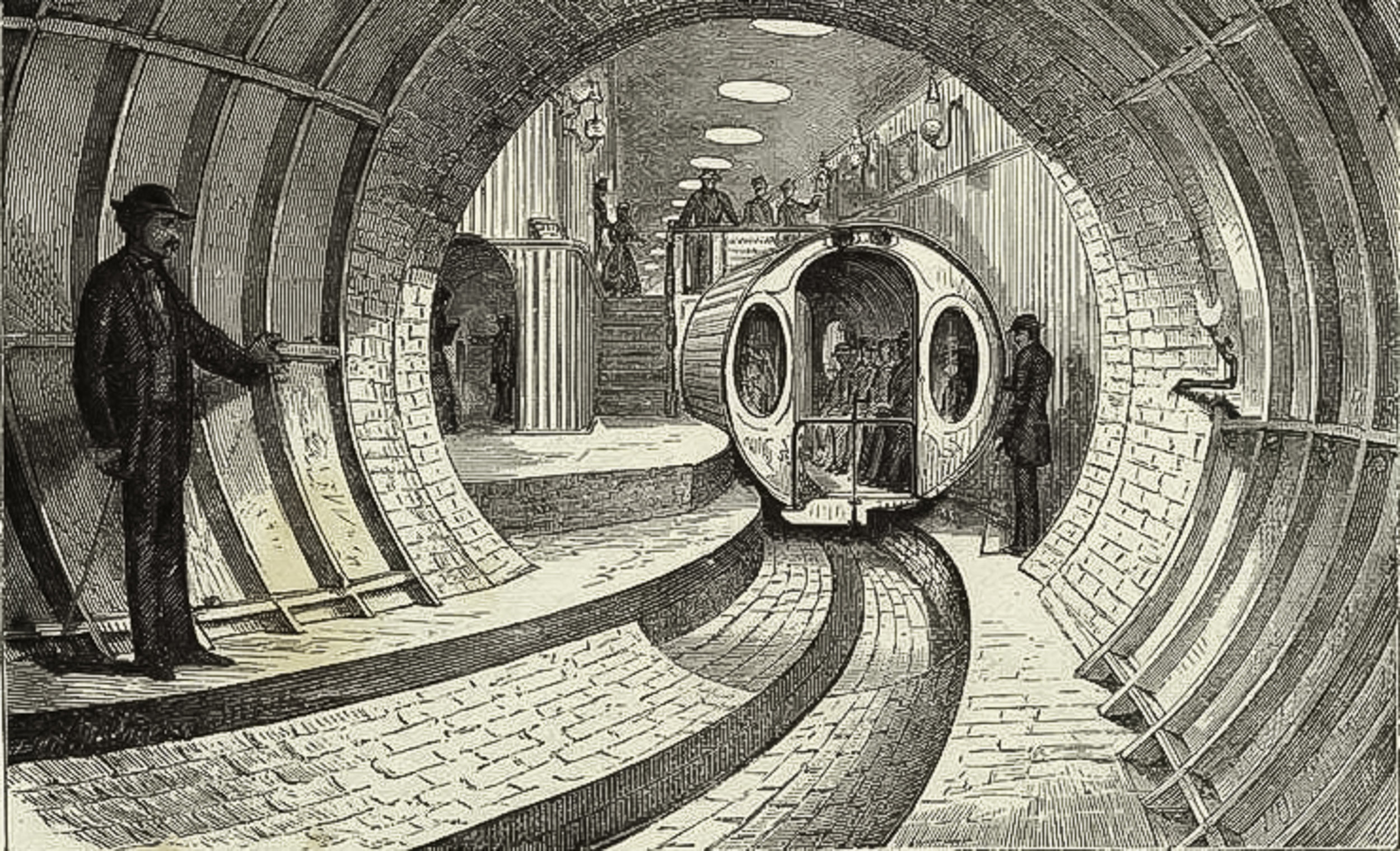
Early proposals for an underground railway system emerged as far back as the 1830s. However, the technological capabilities and financial backing required for such an ambitious undertaking were not yet in place. The advent of practical electric power and advancements in tunneling techniques were crucial prerequisites. Engineers and financiers grappled with the immense challenges of excavating beneath a densely populated and already built-up metropolis, dealing with complex underground geology, and ensuring the safety and stability of structures above.
The Rise of the Interborough Rapid Transit Company
The breakthrough came with the formation of the Interborough Rapid Transit Company (IRT). This powerful entity, backed by influential financiers like August Belmont Jr., secured the rights to build and operate the city’s first subway line. The contract for the construction of the first underground line was awarded in 1900, marking the official commencement of the project that would fundamentally alter the urban landscape.
The Historic Inauguration: October 27, 1904
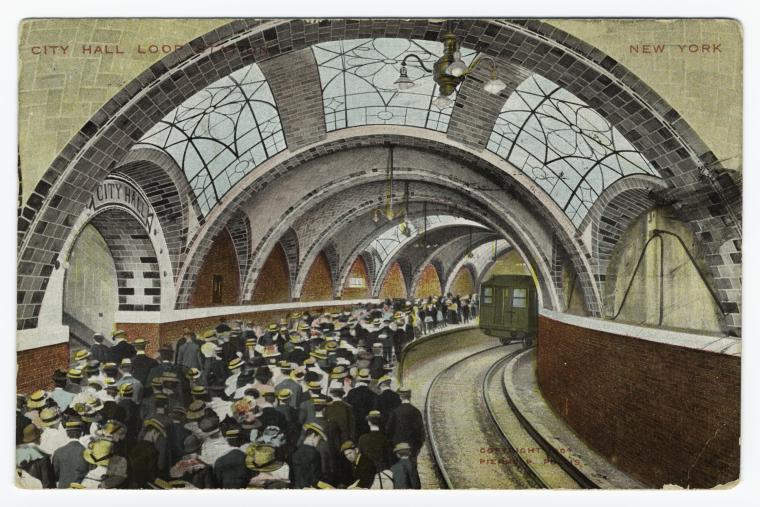
The day that etched itself into the annals of New York history was October 27, 1904. On this crisp autumn afternoon, the first section of the New York City Subway officially opened to the public. The inaugural train departed from City Hall station, a grand and ornate structure designed to impress, and proceeded north.
A City Transformed
The opening was a momentous occasion, celebrated with parades, speeches, and a palpable sense of civic pride. Dignitaries, including Mayor Seth Low, rode the inaugural train, witnessing firsthand the future of urban transportation. The initial line ran from City Hall in Lower Manhattan, through the heart of the borough, to 145th Street in Harlem. This seemingly modest initial stretch represented a monumental leap forward for the city.
The Impact of the First Subway Line
The immediate impact of the subway was profound. It drastically reduced travel times for commuters, opening up new residential areas and facilitating the city’s continued expansion. Businesses that were once accessible only to the wealthy or those with ample time could now reach a wider customer base. The subway democratized mobility, allowing people from different socioeconomic backgrounds to navigate the sprawling metropolis with unprecedented ease. It spurred development along its route, transforming previously less desirable neighborhoods into burgeoning centers of commerce and residence. The very fabric of New York began to reorient itself around the subterranean veins of the new transit system.

The Subway’s Evolution and Expansion
The opening of the first subway line in 1904 was not an end but a beginning. The initial success of the IRT fueled further ambitions and investments in underground transit. The system that began with a single line soon began to grow, mirroring the city’s insatiable appetite for progress and expansion.
Competition and Consolidation
The early years of the subway saw a competitive landscape emerge. Other companies, such as the Brooklyn Rapid Transit Company (BRT), which later became the Brooklyn-Manhattan Transit Corporation (BMT), and the Independent Subway System (IND), began to develop their own lines. This competition, while beneficial for service expansion, also led to a fragmented system. The city eventually recognized the need for consolidation, leading to the unification of these separate lines under municipal control in 1940. This marked a significant turning point, creating the integrated New York City Subway system that exists in essence today.
Engineering Feats and Challenges
The expansion of the subway system was a continuous saga of engineering marvels and formidable challenges. Tunneling beneath rivers, such as the East River, required innovative techniques and immense bravery from the construction crews. Extending lines into new boroughs like Queens and The Bronx pushed the boundaries of what was thought possible. The sheer scale and complexity of building a subway system that could serve millions of people was, and remains, an extraordinary feat of human endeavor. Each new station, each new mile of track, represented a victory over the earth and a testament to the city’s relentless drive.
The Subway’s Enduring Legacy and Cultural Significance
Over a century after its historic opening, the New York City Subway remains an indispensable part of the city’s identity. It is more than just a mode of transport; it is a cultural phenomenon, a canvas for art, and a microcosm of New York life.
A Hub of Urban Life
The subway stations themselves are often bustling hubs of activity, filled with commuters, tourists, street performers, and vendors. They are places where the diverse tapestry of New York truly comes alive. The rhythmic clang of trains, the echoing announcements, and the constant flow of people create a unique sensory experience that is distinctly “New York.”
Architectural and Artistic Contributions
The New York City Subway has also been a platform for artistic expression. Many stations feature intricate tile work, mosaics, and sculptures that reflect the history and culture of their neighborhoods. The ongoing “Art for Transit” program continues to commission public art for stations, transforming utilitarian spaces into galleries. Even the utilitarian architecture of the early stations, like the iconic Grand Central Terminal (though a train station, its influence on subway planning and public transit is undeniable), speaks to a grander vision of public works.
A Symbol of Resilience and Connectivity
The subway has weathered countless storms, both literal and metaphorical, serving as a lifeline for the city. During World War II, it continued to operate, transporting workers and soldiers. In the aftermath of events like 9/11, it played a crucial role in evacuation and recovery efforts. It is a symbol of New York’s resilience and its unwavering ability to connect its people and its boroughs, no matter the challenges. The opening of the subway on October 27, 1904 was not merely the start of a transit system, but the genesis of an enduring urban icon.
LifeOutOfTheBox is a participant in the Amazon Services LLC Associates Program, an affiliate advertising program designed to provide a means for sites to earn advertising fees by advertising and linking to Amazon.com. Amazon, the Amazon logo, AmazonSupply, and the AmazonSupply logo are trademarks of Amazon.com, Inc. or its affiliates. As an Amazon Associate we earn affiliate commissions from qualifying purchases.