
The Evolving Landscape of Mediation in California
The field of mediation is experiencing significant growth, offering a dynamic and rewarding career path for individuals seeking to facilitate resolution and foster understanding. In California, the demand for skilled mediators across various sectors—from family law and civil disputes to community conflicts and workplace issues—continues to rise. This trend is driven by a societal shift towards more collaborative and less adversarial approaches to problem-solving. Mediators act as neutral third parties, guiding parties toward mutually agreeable solutions without imposing decisions. The process is confidential, voluntary, and aims to preserve relationships while efficiently addressing disputes. Understanding the specific requirements and pathways to becoming a mediator in California is crucial for aspiring professionals aiming to establish a successful practice in this vital field. The state’s commitment to alternative dispute resolution (ADR) has fostered a supportive environment for mediators, with various organizations and training programs available to cultivate expertise and credibility.

Understanding the Role of a Mediator
A mediator’s primary function is to facilitate communication between disputing parties. Unlike judges or arbitrators, mediators do not make decisions or impose judgments. Instead, they create a safe and structured environment where parties can express their concerns, explore underlying interests, and brainstorm potential solutions. This process empowers individuals to retain control over the outcome of their disputes. The skills required for effective mediation are multifaceted, encompassing active listening, empathy, neutrality, impartiality, problem-solving, and excellent communication. Mediators must be adept at managing emotions, de-escalating conflict, and identifying common ground, even in highly contentious situations. They help parties to understand each other’s perspectives, reframe issues, and generate options that might not have been considered in a traditional adversarial setting. The success of mediation often hinges on the mediator’s ability to build trust and rapport with all participants, ensuring that everyone feels heard and respected throughout the process.
Key Responsibilities and Ethical Considerations
The responsibilities of a mediator are deeply rooted in ethical principles that ensure fairness and integrity. Paramount among these is neutrality and impartiality. Mediators must remain unbiased, avoiding any favoritism or personal investment in the outcome of the dispute. They must disclose any potential conflicts of interest that could compromise their neutrality. Confidentiality is another cornerstone of mediation; all discussions and information shared during the mediation process are typically kept private, unless otherwise agreed upon by the parties or required by law. Mediators are also responsible for ensuring that the process is voluntary, meaning parties can withdraw at any time. They must also avoid providing legal advice, as their role is to facilitate a process, not to represent either party. Adherence to professional codes of conduct, often established by organizations such as the American Arbitration Association or state-specific bar associations, is essential for maintaining professional standards and public trust. Ethical guidelines help safeguard the integrity of the mediation process and protect the rights and interests of the participants.
Pathways to Becoming a Mediator in California
Becoming a mediator in California involves a combination of education, training, and practical experience. While there isn’t a single mandated licensing body or certification for all types of mediation, specific areas, like family law mediation, often have established requirements. The most common and recommended path involves formal training programs, which provide foundational knowledge and practical skills.
Educational and Training Requirements
The journey to becoming a mediator typically begins with acquiring a strong understanding of conflict resolution principles. While a specific degree is not always mandatory, many aspiring mediators come from backgrounds in law, psychology, social work, counseling, or business. A bachelor’s degree is generally a prerequisite for most recognized mediation training programs.
Approved Mediation Training Programs
California offers a variety of accredited mediation training programs. These programs are designed to equip individuals with the necessary theoretical knowledge and practical skills to conduct mediations effectively. Key components of these programs often include:
- Introduction to Mediation: Understanding the philosophy, principles, and different models of mediation.
- Communication Skills: Developing active listening, reframing, questioning, and non-verbal communication techniques.
- Conflict Analysis: Learning to identify the root causes of conflict, understand different conflict styles, and assess power imbalances.
- Mediation Process: Mastering the stages of mediation, from opening statements and issue identification to negotiation and agreement drafting.
- Ethics and Professional Conduct: Understanding the ethical obligations and standards of practice for mediators.
- Role-Playing and Practical Exercises: Engaging in simulated mediation sessions to practice skills in a controlled environment.
Many programs are offered by universities, community colleges, private training organizations, and bar associations. For instance, the California Dispute Resolution Council (CDRC) often lists approved training providers. Family law mediators, in particular, must complete state-mandated training that covers specific topics related to domestic violence, child development, and family dynamics. This specialized training ensures that mediators are well-equipped to handle the sensitive nature of family disputes.
Specialized Training and Certifications
While general mediation training provides a solid foundation, specialized training can enhance a mediator’s expertise and marketability. Areas such as family law, elder mediation, community mediation, victim-offender mediation, and commercial mediation each require distinct knowledge sets and approaches.
- Family Law Mediation: In California, mediators who wish to practice family law mediation must typically complete at least 26 hours of specialized training that addresses issues such as child custody, child support, spousal support, domestic violence, and child abuse reporting. Many counties have specific requirements for mediators appointed by the courts.
- Community Mediation: Organizations like Community Boards of San Francisco or other local community dispute resolution centers (CDRCs) often provide training and opportunities for individuals to gain experience in mediating neighborhood disputes, landlord-tenant issues, and other community-level conflicts.
- Other Specializations: Training in areas like elder mediation, victim-offender reconciliation, or civil mediation can further refine a mediator’s skill set and open doors to niche practice areas.
While California does not have a statewide mandatory certification for all mediators, several professional organizations offer voluntary certifications. These certifications can signal a commitment to professional standards and provide a competitive edge.
Gaining Practical Experience
Theoretical knowledge and formal training are essential, but practical experience is what truly hones a mediator’s skills and builds confidence. The path to becoming an experienced mediator often involves a combination of supervised practice and volunteer work.
Volunteer Opportunities
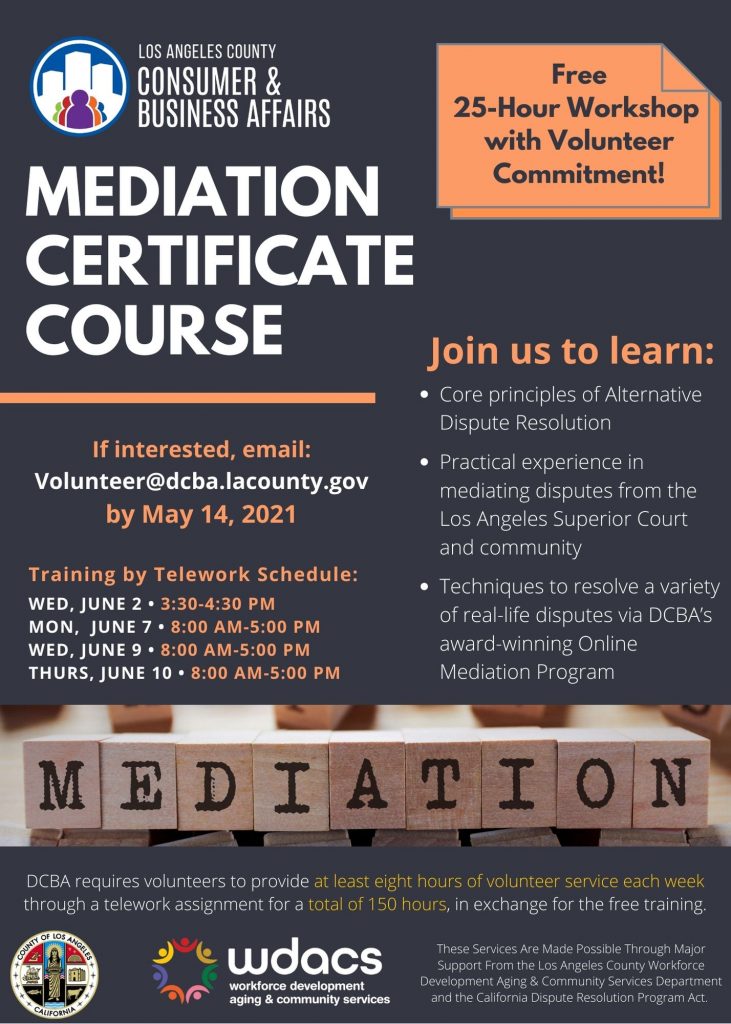
Many community dispute resolution centers and non-profit organizations throughout California offer volunteer mediation opportunities. These roles provide invaluable hands-on experience in a real-world setting, under the guidance of experienced mediators. Participating in such programs allows aspiring mediators to:
- Observe Experienced Mediators: Witnessing skilled practitioners in action offers insights into effective techniques and strategies.
- Co-Mediate: Working alongside a seasoned mediator on actual cases provides direct practice and constructive feedback.
- Build a Case History: Accumulating experience through volunteer work can be a stepping stone to paid engagements.
Organizations like JAMS (Judicial Arbitration and Mediation Services) or AAA (American Arbitration Association), while primarily focused on arbitration and mediation for professional neutrals, may also offer pathways for aspiring mediators to gain initial experience, often through mentorship or junior mediator programs.
Mentorship and Supervised Practice
Seeking out mentorship from experienced mediators is highly beneficial. A mentor can offer guidance on practice management, ethical dilemmas, and skill development. Supervised practice, where a new mediator handles cases under the observation and feedback of a more experienced professional, is often a critical component of advanced training and certification. This allows for real-time learning and refinement of techniques in a supportive environment.
Establishing a Mediation Practice
Once equipped with training and experience, the next step is to establish a professional mediation practice. This involves defining a niche, developing a business plan, and marketing services.
Defining Your Niche and Target Market
Deciding on a specific area of mediation to focus on is crucial for developing expertise and attracting clients. Consider your background, interests, and the needs of the California market. Potential niches include:
- Family Mediation: Divorce, child custody, co-parenting agreements.
- Civil Mediation: Landlord-tenant disputes, small claims, consumer issues, contract disagreements.
- Workplace Mediation: Employee grievances, interpersonal conflicts, management-employee disputes.
- Elder Mediation: Family conflicts involving older adults, caregiving issues, financial disputes.
- Community Mediation: Neighborhood disputes, intergroup conflicts.
Understanding the specific needs and demographics of your target market in cities like Los Angeles, San Francisco, or San Diego can help tailor your services and marketing efforts.
Business and Marketing Strategies
Establishing a successful mediation practice requires business acumen and effective marketing. Key considerations include:
- Business Structure: Deciding whether to operate as a sole proprietor, partnership, or LLC.
- Pricing and Fees: Determining your fee structure, which can be hourly, per-session, or a flat fee.
- Marketing and Outreach: Developing a professional website, networking with legal professionals and community organizations, and utilizing online directories.
- Building Referrals: Cultivating relationships with attorneys, therapists, and other professionals who can refer clients.
- Professional Development: Continuously engaging in ongoing training and professional development to stay current with best practices and legal developments.
Networking is particularly vital in the legal and ADR communities. Attending conferences, workshops, and local bar association events can provide opportunities to connect with potential referral sources and collaborators. For instance, joining organizations like the California State Bar Association’s ADR Section or the Southern California Mediation Association can offer valuable networking and learning opportunities.
The Future of Mediation in California
The role of mediation in California is poised for continued expansion and evolution. As the legal system and societal approaches to conflict resolution mature, mediation is increasingly recognized not just as an alternative but often as a preferred method for resolving disputes.
Technological Advancements and Online Mediation
The digital age has ushered in new possibilities for mediation, particularly with the rise of online dispute resolution (ODR). Platforms and tools now exist that allow mediators to conduct sessions remotely, expanding accessibility for clients who may be geographically distant or have mobility issues. This has been particularly evident in recent years, with increased reliance on virtual meetings. ODR platforms can facilitate secure communication, document sharing, and even virtual breakout rooms, mimicking the in-person experience to a significant degree. As technology continues to advance, we can expect ODR to become an even more integrated and sophisticated aspect of mediation practice.
Growth in Specialized Mediation Areas
As society grapples with increasingly complex issues, the demand for specialized mediators is expected to grow. This includes mediators focusing on environmental disputes, intellectual property conflicts, international business disagreements, and high-conflict family situations. The development of specialized training programs and certifications will be crucial to meet these emerging needs. Areas like restorative justice and transformative mediation, which focus on relationship repair and addressing the underlying needs of parties, are also gaining traction and offering alternative frameworks for conflict resolution.

The Mediator as a Key Professional in Dispute Resolution
The mediation profession in California is maturing, with increasing recognition of mediators as essential professionals in the dispute resolution ecosystem. As more individuals and organizations embrace the benefits of mediation—including cost-effectiveness, speed, preservation of relationships, and high rates of compliance with agreements—the demand for skilled and ethical mediators will undoubtedly continue to rise. By pursuing robust training, gaining diverse practical experience, and committing to professional standards, individuals can build fulfilling and impactful careers as mediators, contributing significantly to a more harmonious and functional society.
LifeOutOfTheBox is a participant in the Amazon Services LLC Associates Program, an affiliate advertising program designed to provide a means for sites to earn advertising fees by advertising and linking to Amazon.com. Amazon, the Amazon logo, AmazonSupply, and the AmazonSupply logo are trademarks of Amazon.com, Inc. or its affiliates. As an Amazon Associate we earn affiliate commissions from qualifying purchases.